When you hear about bronze castings, you might think of decorative statues, but honestly, their uses go way beyond that. They're the backbone of support for marine propellers, pump housings, valve bodies, bearings, bushings, musical instruments, and even architectural hardware. What makes bronze so appealing is this really practical mix: it fights off corrosion, cuts down friction, and stays workable even in tough conditions. Imagine a ship’s bronze propeller battling saltwater, constant vibrations, and repeated impacts—that stuff takes a beating. Or a tiny bronze bushing quietly doing its job inside a massive industrial machine without fuss.
And if you look at the industry data, it totally supports how versatile bronze really is. For example, the U.S. Geological Survey’s Mineral Commodity Summaries 2025 highlights copper as a key element across tons of sectors—construction, electronics, transportation, and industrial machinery. Since bronze is basically an alloy based on copper, these fields are huge drivers for casting demand. Then there’s the International Copper Study Group, which keeps tabs on long-term copper use in infrastructure, energy, and transportation—it's pretty clear that copper (and by extension, bronze) remains vital. Also, market analyses like the one from Grand View Research link the demand for bronze to marine equipment, industrial parts, and construction projects. But hey, these reports show trends, not every little detail you see in a workshop.
John Campbell, a well-known expert in casting and author of the book "Castings," put it simply: “The quality of a casting is determined by the quality of the liquid metal.” That’s still totally relevant today. Things like alloy choice, how clean the melt is, the mold design, cooling rates, and inspection all matter because they can make the difference between a casting lasting decades or failing early. Now, don’t get me wrong—bronze isn’t always the perfect fit. It can cost more than steel or aluminum, and if the process isn’t controlled properly, you might end up with issues like porosity, distortion, or weak surfaces. The real question isn’t just whether bronze looks tough; it’s whether the alloy, the casting process, and the environment are really a good match for the job at hand.
Bronze Alloy Basics: Copper Content, Tin Ratios, and Density of 8.7–8.9 g/cm³
Bronze Castings are used forbearings, valve bodies, pump components, marine fittings, sculptures, and architectural hardware. Their usefulness starts with copper content. Traditional tin bronze commonly contains about 88–95% copper and 5–12% tin, according to composition ranges published in ASM Handbook, Volume 15: Casting. The exact ratio changes hardness, fluidity, wear resistance, and corrosion performance.
Density usually falls between 8.7 and 8.9 g/cm³. Copper itself is denser, near 8.96 g/cm³, while tin is approximately 7.31 g/cm³. Therefore, increasing tin may slightly reduce theoretical density.
Casting shrinkage, gas porosity, and inclusions also affect the final measurement. Numbers are not perfectly tidy.
A foundry may select a tin-rich bronze for harder bearing surfaces or better seawater resistance. A copper-rich grade often offers improved ductility and easier machining. ASTM B22 and ASTM B584 provide recognized requirements for several copper-alloy casting categories, including mechanical properties and chemical limits. These standards matter because visual color cannot confirm composition. A yellow-brown surface proves very little. In production, spectrometric testing and density checks should support the material certificate. Even then, one test is not enough. USGS Mineral Commodity Summaries reports copper and tin as strategically important industrial metals, but market data does not replace alloy verification. Bronze remains practical because it combines castability with dependable service, although poor pouring temperature or inadequate mold feeding can undermine an otherwise suitable alloy.
How Bronze Castings Are Made: Molding, Pouring, and Solidification at 850–1,050°C
What Are Bronze Castings Used For?
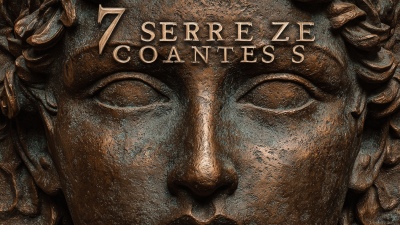
Bronze castings serve practical and artistic purposes. A Cast Bronze Statue can preserve facial detail, flowing fabric, and textured surfaces. Engineers also use bronze for bearings, valves, marine fittings, pump parts, and decorative hardware. These components resist wear and handle demanding environments well.
How Bronze Castings Are Made: Molding, Pouring, and Solidification at 850–1,050°C
The process begins with a pattern that defines the final shape. Technicians prepare a sand mold or ceramic shell around it. The mold must be strong, clean, and properly vented. Before pouring, workers often preheat the mold to reduce thermal shock. Small details matter.
The bronze alloy is heated to approximately 850–1,050°C, depending on its composition and casting design. Operators skim away surface oxides before guiding the molten metal into the sprue. A steady stream helps prevent air pockets and incomplete filling. Poor temperature control can cause cracks, shrinkage, or rough surfaces.
As the metal cools, solidification usually begins near the mold walls and moves inward. Feeders supply extra metal where contraction occurs. After shakeout, workers remove gates, grind surfaces, and inspect the casting for voids or distortion. Dimensional checks and visual inspection remain essential. I have seen small venting errors create surprisingly large flaws. That lesson is easy to overlook. No casting is flawless.
Why Bronze Is Used: Corrosion Resistance, Low Friction, and High Wear Tolerance
What Are Bronze Castings Used For?
Why Bronze Is Used: Corrosion Resistance, Low Friction, and High Wear Tolerance
Bronze castings serve in bearings, bushings, gears, valves, pumps, and marine fittings. Their copper-based structure resists moisture, saltwater, and many industrial environments. A stable surface film can slow further corrosion. This makes bronze practical where steel may rust quickly. Still, alloy selection matters. Not every bronze performs equally in seawater, acidic fluids, or high temperatures.
Low friction is another major advantage. A bronze bushing can support a rotating shaft without constant scoring or seizure. This helps equipment operate smoothly under moderate loads. Engineers often choose bronze for parts with repeated movement, limited lubrication, or difficult maintenance access. In workshops, I have seen worn shafts paired with bronze replacements to restore reliable motion. Small clearances matter greatly.
Bronze also tolerates repeated contact and abrasive wear. It can protect more expensive components by wearing gradually instead. Architectural details and a Cast Bronze Sculpture benefit from bronze’s strength, fine surface character, and naturally developing patina. The material is not indestructible. Poor alignment, contaminated lubricant, or excessive pressure can cause premature damage. I have also found that surface appearance can hide internal casting flaws, so professional inspection and controlled testing remain essential before demanding service.
Marine Applications: Propellers, Valves, and ASTM B148 Aluminum-Bronze Components
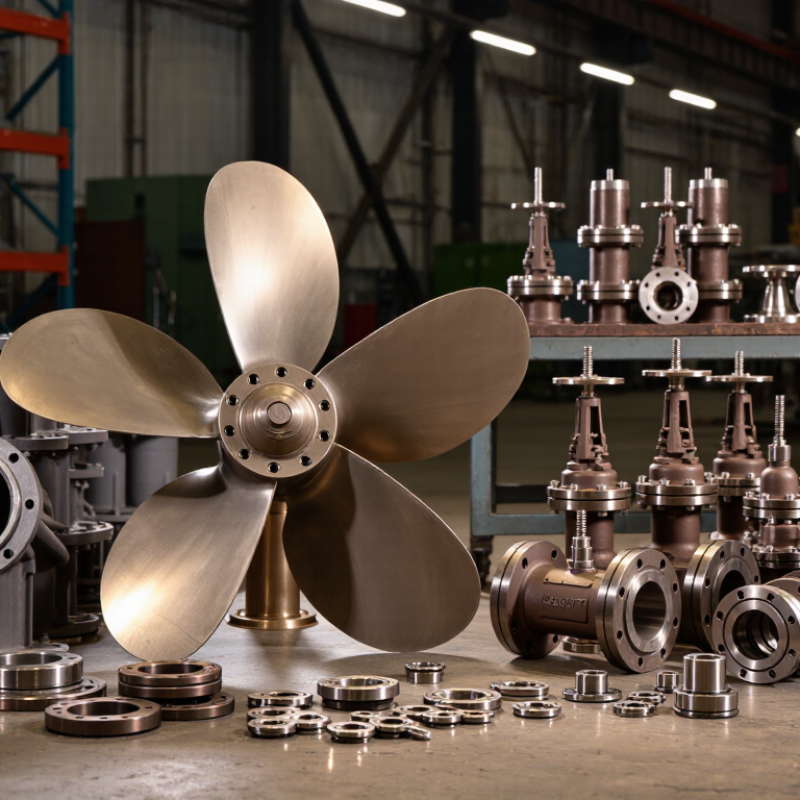
Bronze castings are widely used in marine systems where seawater, pressure, and repeated movement challenge ordinary metals. Propellers are a clear example. Aluminum-bronze castings provide useful strength, corrosion resistance, and dependable performance in moving water. Their balanced hardness can also reduce damage from floating debris, although no alloy remains unaffected by severe impact.
Marine valves depend on cast components that maintain shape under pressure. ASTM B148 covers aluminum-bronze sand castings used for several demanding engineering applications. These castings can form valve bodies, bonnets, seats, and related fittings. Their resistance to seawater helps limit dezincification and other corrosion problems found in less suitable copper alloys. Careful control of chemistry, pouring temperature, and heat treatment remains essential. Small casting defects can become serious leaks.
Inspection should include visual checks, dimensional measurement, and suitable nondestructive testing. Engineers may also review tensile strength, hardness, and pressure-test results against the specified grade. In shipboard service, surface finish matters around shafts, seats, and sealing areas. Poor alignment can create vibration, even when the casting meets the material standard. That detail is easy to overlook. Practical experience shows that correct design, machining, installation, and maintenance must work together. ASTM B148 supports material consistency, but it does not replace sound engineering judgment or regular inspection.
Industrial Machinery Uses: Bearings, Bushings, Gears, and ASTM B584 Castings
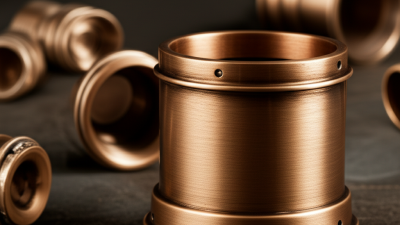
Bronze castings remain practical components in industrial machinery, especially where friction, moisture, and repeated loading occur. In foundry practice, engineers use bronze bearings and bushings to support rotating shafts. Their sliding surfaces can tolerate limited lubrication and resist seizure better than many steel combinations. A bronze bushing inside a pump housing is a simple example. It absorbs wear before the shaft becomes expensive scrap.
Gears present a different challenge. Bronze offers smooth, quiet meshing and can reduce damage when paired with hardened steel. This makes it useful in reducers, lifting equipment, and valve drives. ASTM B584 covers copper-alloy sand castings for general engineering applications. However, the standard does not replace design verification. Load, temperature, casting porosity, and shaft alignment still require inspection. Small errors matter.
The International Copper Study Group estimated global refined copper usage at roughly 26.5 million metric tons in 2024. That scale reflects copper’s continuing role in machinery, infrastructure, and electrical equipment. Yet not every bronze grade suits every bearing or gear. Material selection remains imperfect without real operating data. Engineers should review hardness, tensile strength, lubricant conditions, and corrosion exposure before approving ASTM B584 castings. Decorative work, including Bronze Antique Statues, may value appearance; machinery values controlled wear. During testing, a polished surface can look excellent while hiding internal porosity. That detail deserves more attention.
What Are Bronze Castings Used For?
Industrial machinery commonly uses bronze castings for bearings, bushings, gears, valve components, and wear-resistant parts. The chart compares the typical copper-content ranges of representative copper-alloy sand-casting grades covered by ASTM B584.
Copper-rich alloys are widely selected for sliding bearings and bushings because of their conformability and wear resistance. Tin- and lead-containing bronzes support low-friction applications, while aluminum bronze grades are often chosen for higher strength and demanding gear or valve service. Composition ranges are rounded values based on ASTM B584 alloy requirements and commonly published alloy data.
Architectural and Artistic Uses: Statues, Bells, Doors, and Decorative Hardware
What Are Bronze Castings Used For?
Bronze castings bring lasting character to buildings, gardens, and public spaces. In architecture, bronze doors often feature raised panels, carved borders, and textured handles. Their weight gives an entrance a reassuring sense of permanence. Bronze also withstands frequent contact, moisture, and temperature changes better than many decorative metals. However, correct alloy selection remains essential. A suitable composition should match the project’s strength, color, and exposure requirements.
Decorative hardware includes hinges, knockers, railings, light fittings, and cabinet pulls. Small details can change how a room feels. In artistic settings, bronze is widely used for statues because it captures sharp edges and flowing forms. A Bronze Horse Sculpture, for example, can show tense muscles, lifted movement, and subtle tool marks after casting. The surface is rarely perfectly uniform. That is part of its appeal, though uneven finishing can distract from fine features. Outdoor statues need secure foundations, drainage, and planned maintenance. Patina may protect the surface, but polluted air and standing water can create stains.
Bronze bells depend on careful wall thickness and controlled cooling. Their tone comes from shape, alloy, and finishing work. Testing matters. A bell that looks impressive may still sound dull if its proportions are inaccurate. Craftspeople also inspect doors and hardware for porosity, weak joints, and unsafe edges before installation. These checks are easy to overlook during a visually focused project.
Traditional Craft Solid Bronze Accent Table: A Timeless Statement for Refined Interiors
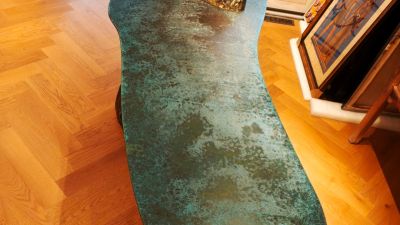
Crafted for refined interiors, this traditional solid bronze accent table brings timeless character to living rooms, courtyards, and relaxed leisure spaces. Its structure is formed from premium 1.2 mm copper plates, providing reliable strength while allowing skilled artisans to create an expressive, sculptural silhouette. The legs are cast in elegant mountain-inspired shapes, adding visual depth and highlighting the beauty of traditional metal craftsmanship.
At the center, a deliberately reserved hollow space offers a practical display area for a flower pot, allowing greenery to become part of the table’s artistic composition. This thoughtful design balances function and decoration, creating a distinctive focal point without overwhelming the surrounding furnishings. The stable construction is complemented by an 8 mm aluminum tabletop, designed for dependable everyday use.
Finished in a vintage grass-green distressed tone, the tabletop reveals a naturally aged texture that pairs beautifully with the warm metallic body. Subtle variations in color and surface detail enhance its handcrafted appeal, while the carefully finished materials support lasting durability. Positioned beside a sofa, beneath a covered patio, or within a quiet reading corner, the table introduces an understated artistic presence and a sense of enduring craftsmanship.
FAQS
They are used for statues, bearings, valves, marine fittings, pump parts, bells, doors, and decorative hardware. Their surfaces can endure wear, moisture, and frequent handling.
Technicians create a pattern showing the final shape. They build a sand mold or ceramic shell around it, then add proper vents.
Preheating reduces thermal shock when molten bronze enters the mold. A cold mold may encourage cracks or incomplete filling.
Bronze is heated to approximately 850–1,050°C. The exact temperature depends on the alloy and casting design.
Operators remove surface oxides and guide bronze steadily through the sprue. A calm, continuous stream improves mold filling.
Solidification begins near the mold walls and moves inward. Feeders provide extra metal as the bronze contracts.
Workers remove gates, grind rough areas, and check for voids or distortion. They also perform visual and dimensional inspections.Small flaws matter.
Outdoor statues need stable foundations, drainage, and planned maintenance. Patina may help, but standing water can leave stains.
Their tone depends on wall thickness, shape, alloy, cooling, and finishing. A large bell may still sound dull when proportions are inaccurate.
Not always. Small surface variations and tool marks can add character, but uneven finishing may hide important details. Mistakes remain possible.
Conclusion
Bronze Castings are valued for their balanced combination of strength, durability, corrosion resistance, and dependable performance. Typically made from copper alloyed with tin or other elements, bronze has a density of approximately 8.7–8.9 g/cm³. Production involves creating a mold, pouring molten alloy at roughly 850–1,050°C, and allowing it to solidify into the required shape. Its low friction and high wear tolerance make bronze especially suitable for components exposed to repeated movement, moisture, or heavy loads.
In marine environments, bronze castings are commonly used for propellers, valves, and aluminum-bronze components produced to relevant material standards. Industrial machinery also relies on them for bearings, bushings, gears, and cast parts because they can operate reliably under demanding conditions. Beyond engineering, bronze is widely used for statues, bells, doors, and decorative hardware, combining long service life with an attractive appearance and strong artistic appeal.

 Copper Entrance Door
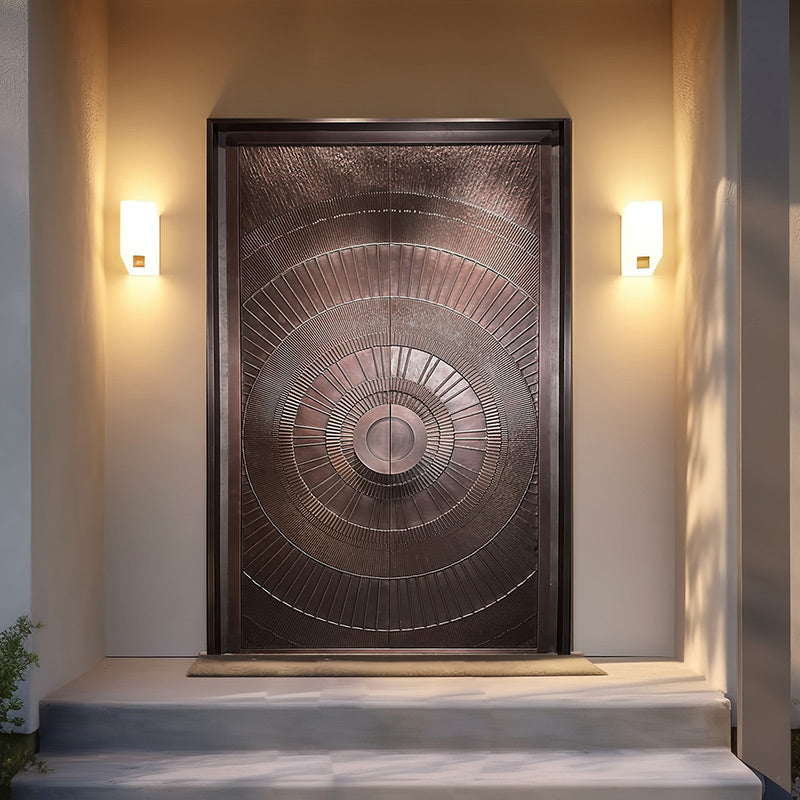 Copper Doors: Meticulously Crafted with Unparalleled Quality
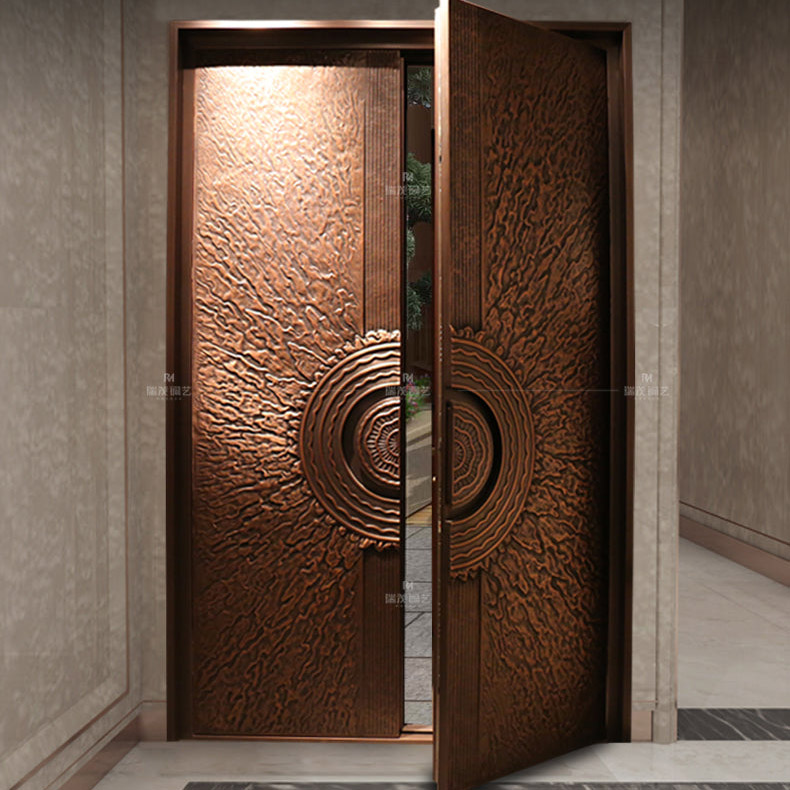 Lucky Star Artisan Copper Villa Blessing Door
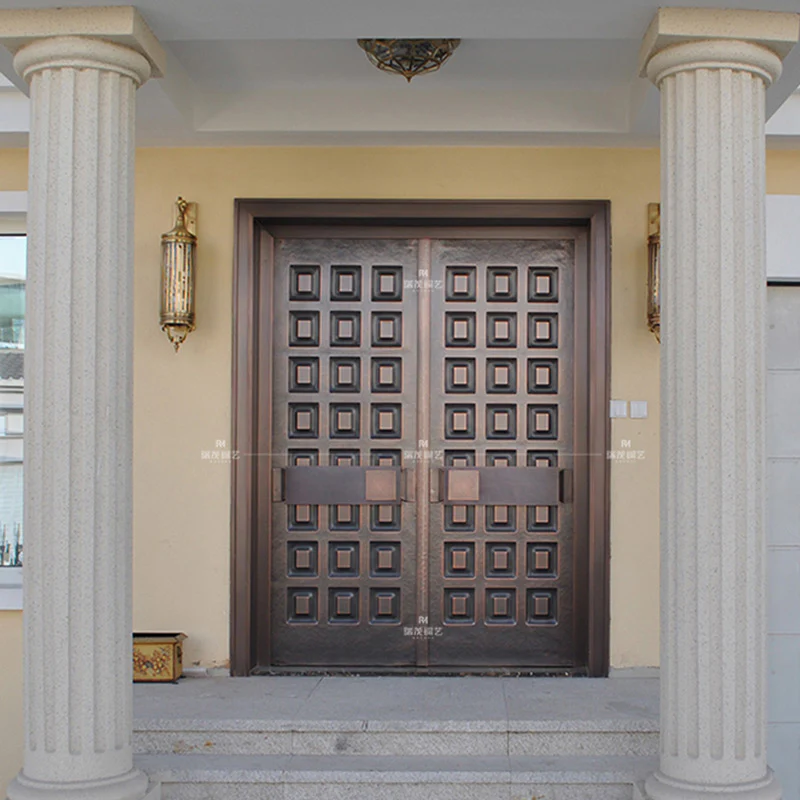 Dynasty Prosperity Artisan Copper Legacy Door
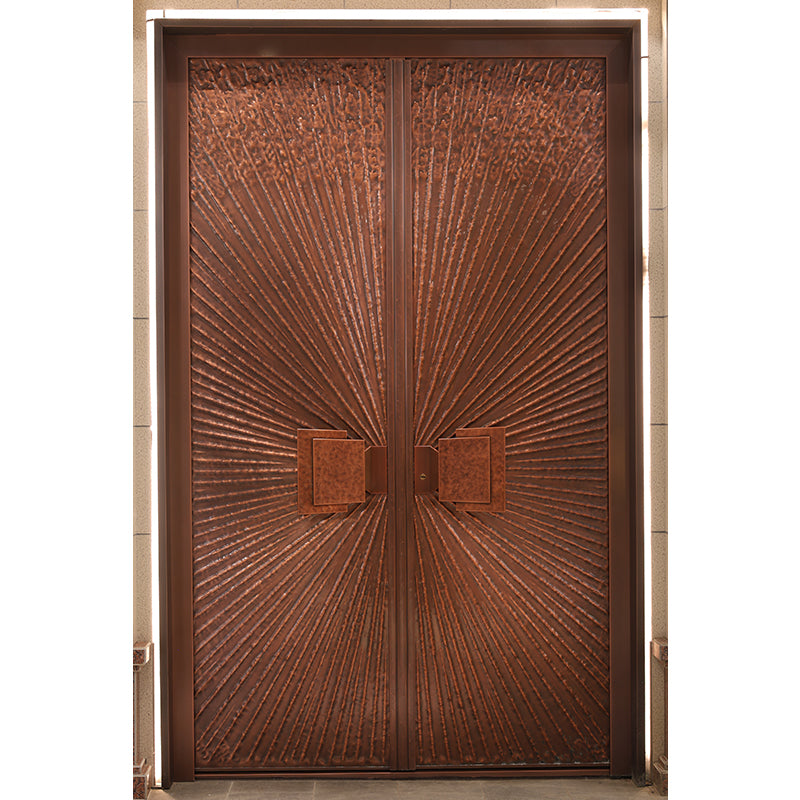 Auspicious Radiance Artisan Copper Legacy Door
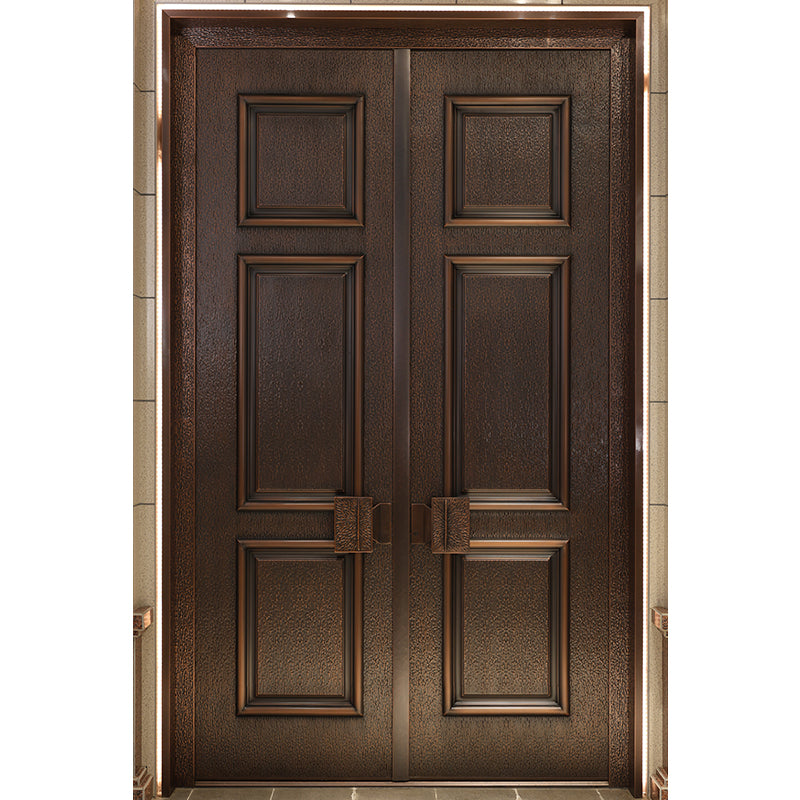 Woodgrain Artisan Copper Nature-Infused Door
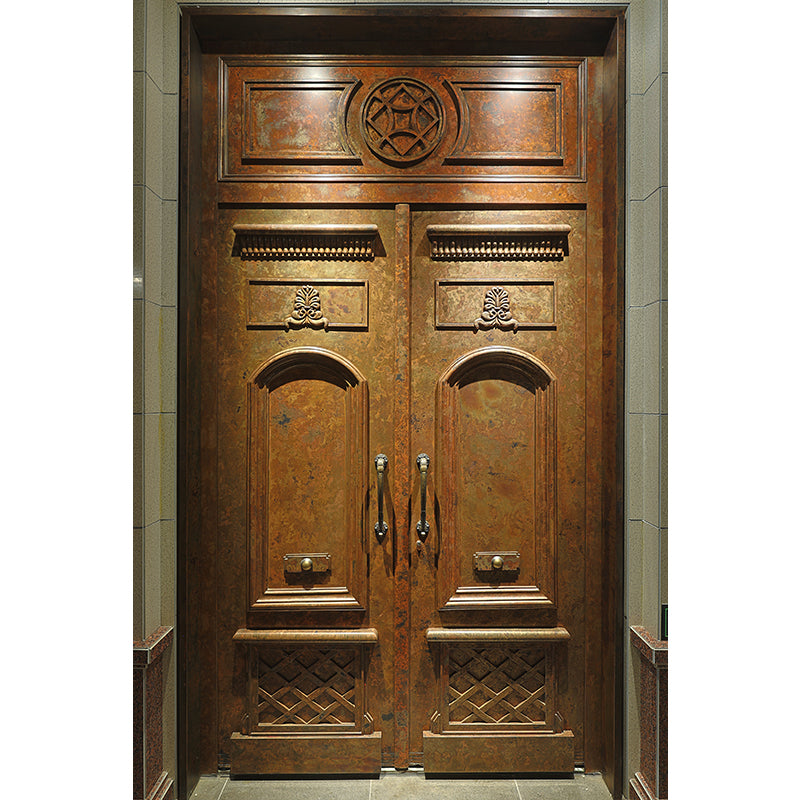 Artistic Copper Door for Harmonious Homes
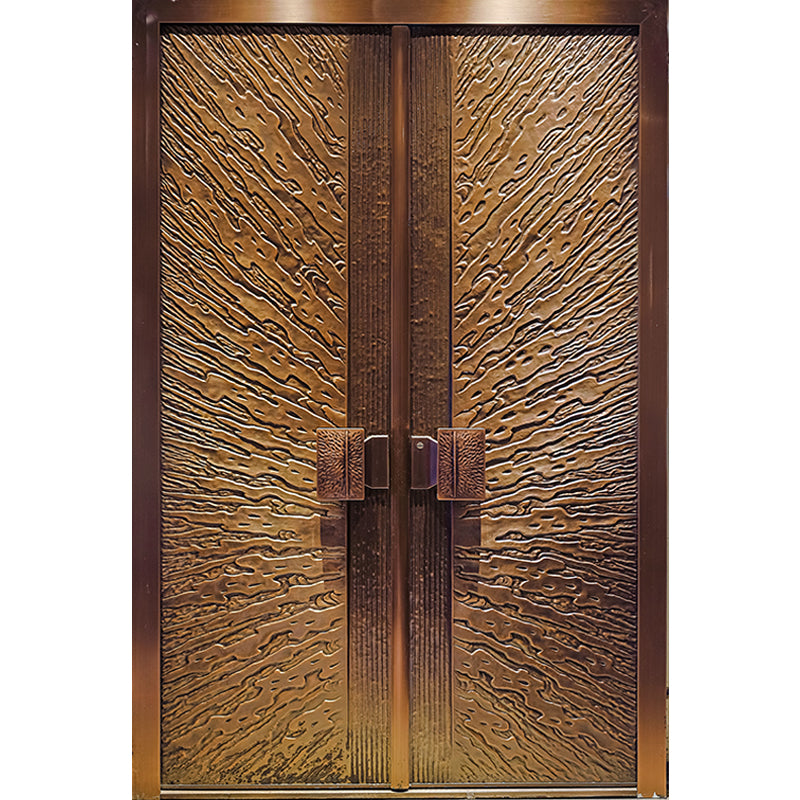 Global Artisan Copper World-Inspired Door
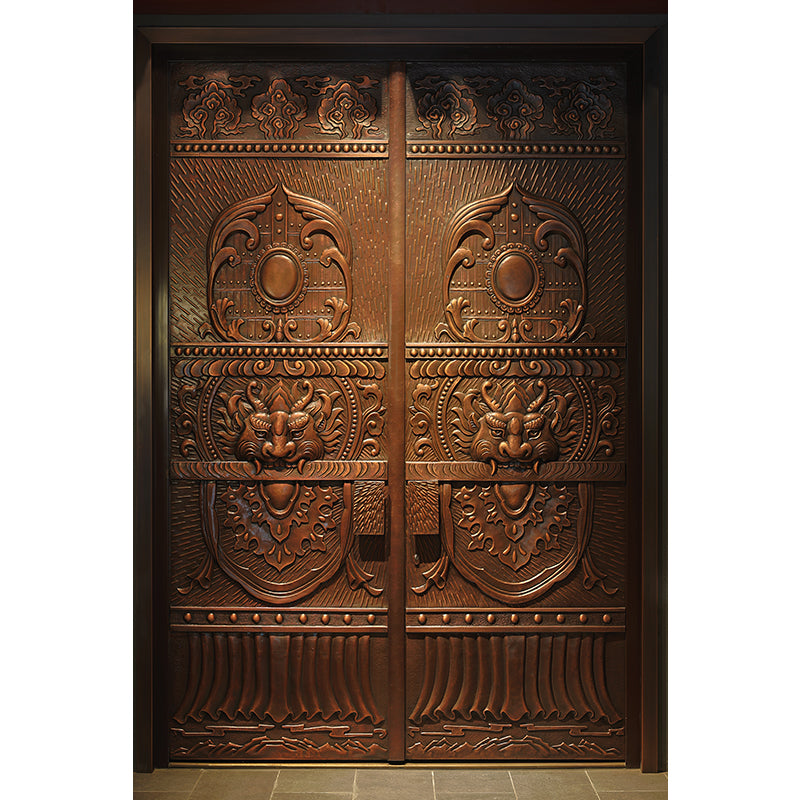 Artisan Copper Home Guardian Art Door
 Eternal Prime Artisan Copper Heritage Door
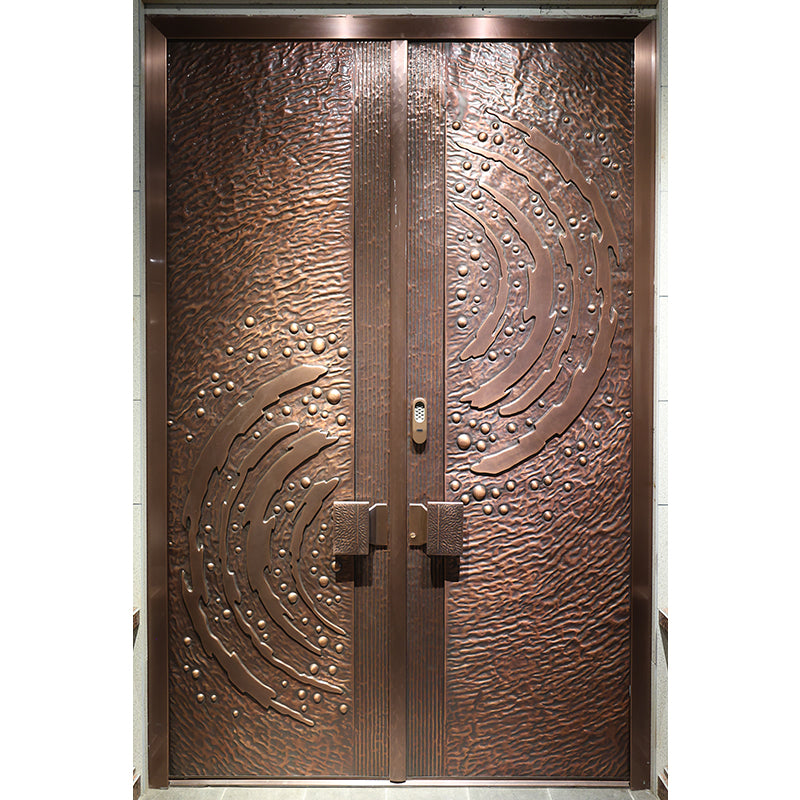 Celestial Artisan Copper Villa Stargazing Door
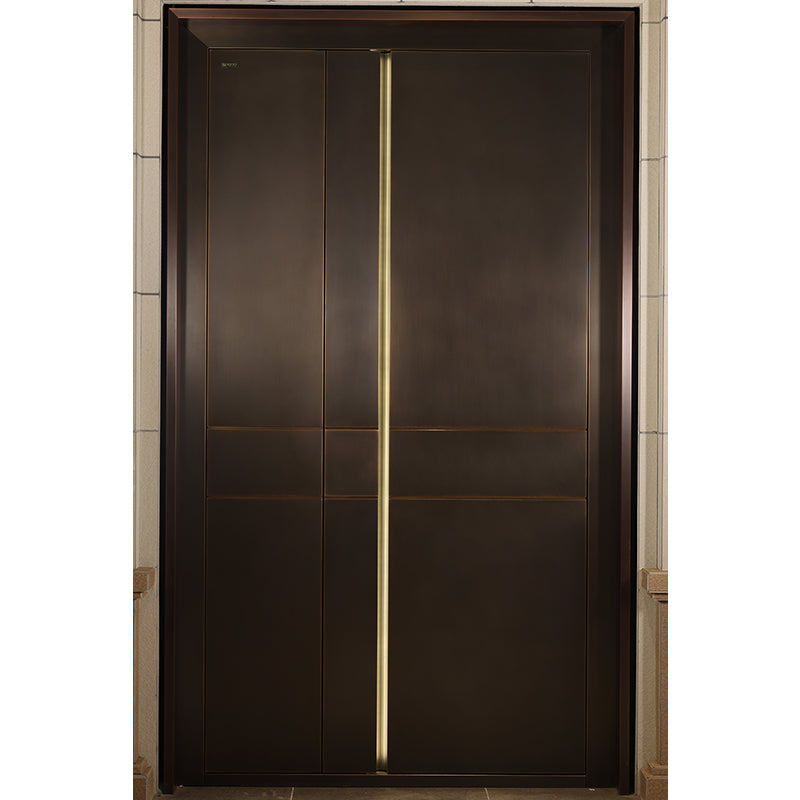 Eternal Summer Artisan Copper Timeflow Door
 Auspicious Artisan Copper Heritage Entry Door
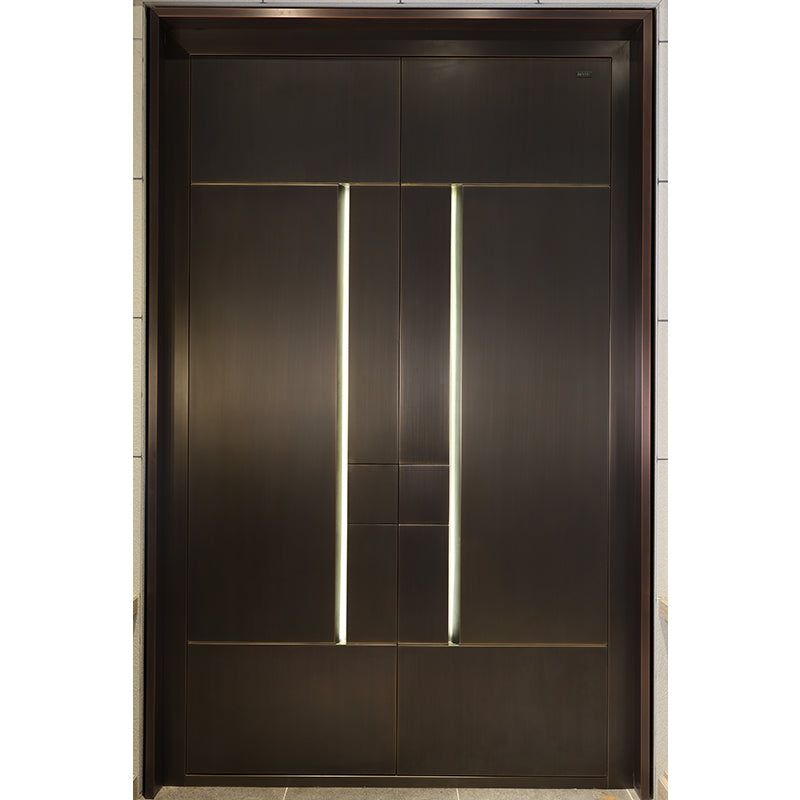 Minimalist Artistic Copper Door for Modern Homes
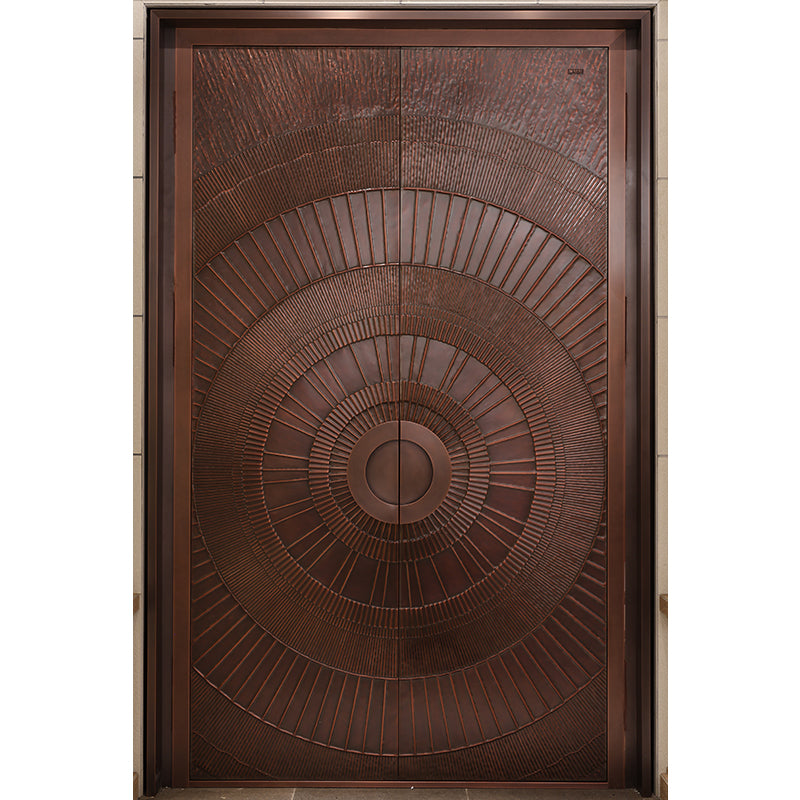 Harmony Circle Artisan Copper Door with Chinese Essence
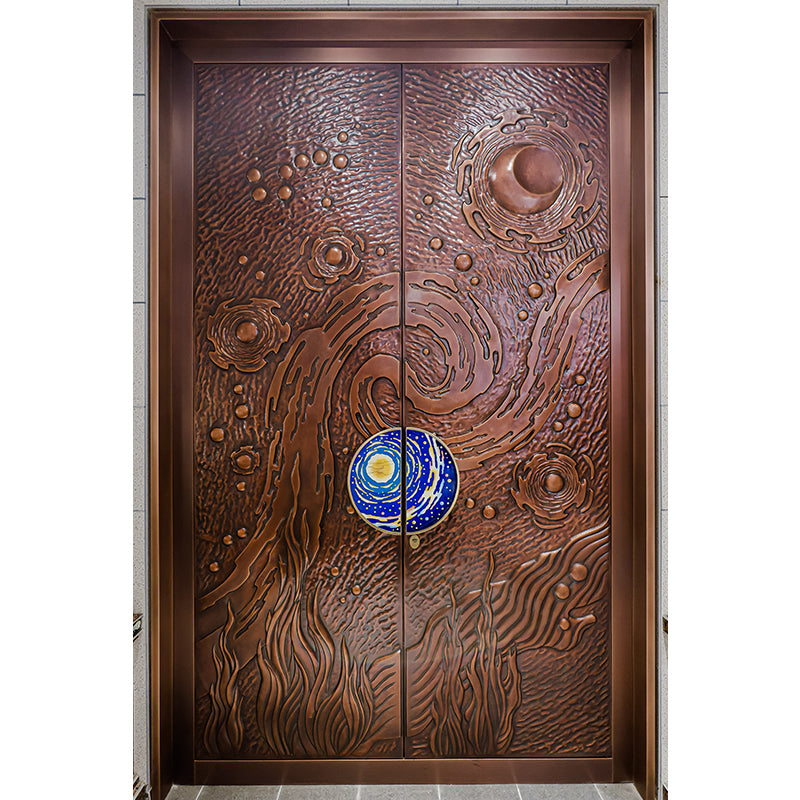 Nebula Grandeur Artisan Copper Villa Door
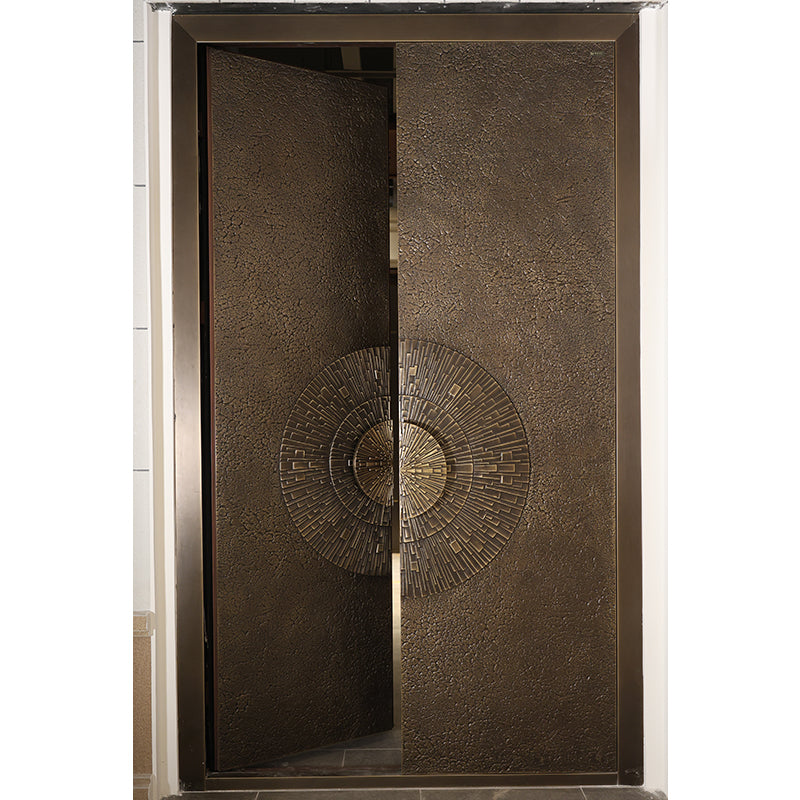 Auspicious Star Artisan Copper Blessing Door
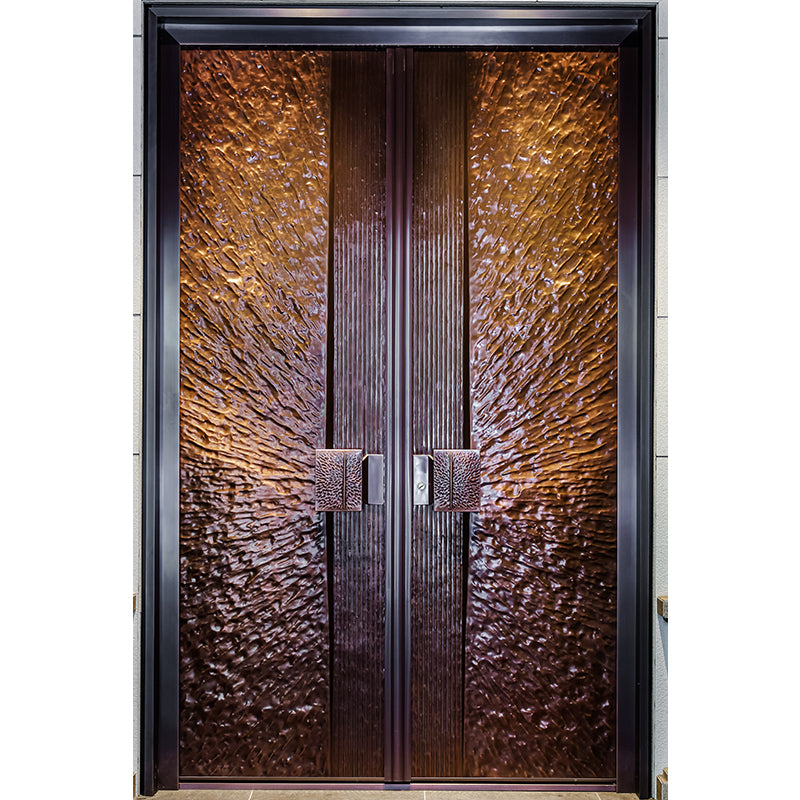 Dawn Glow Artisan Copper Flow Door
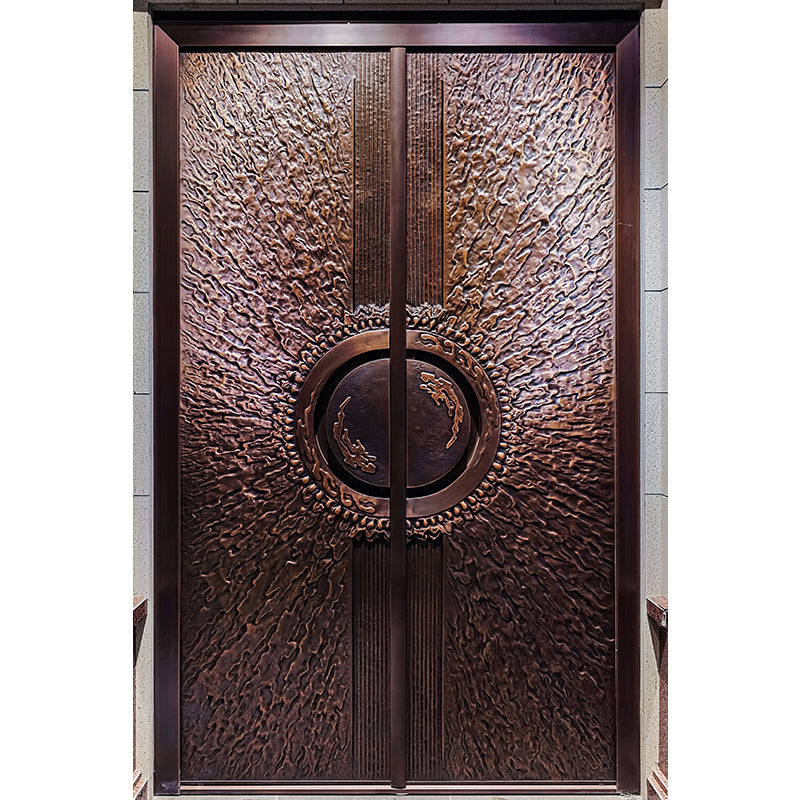 Sunlit Artisan Copper Villa Radiance Door
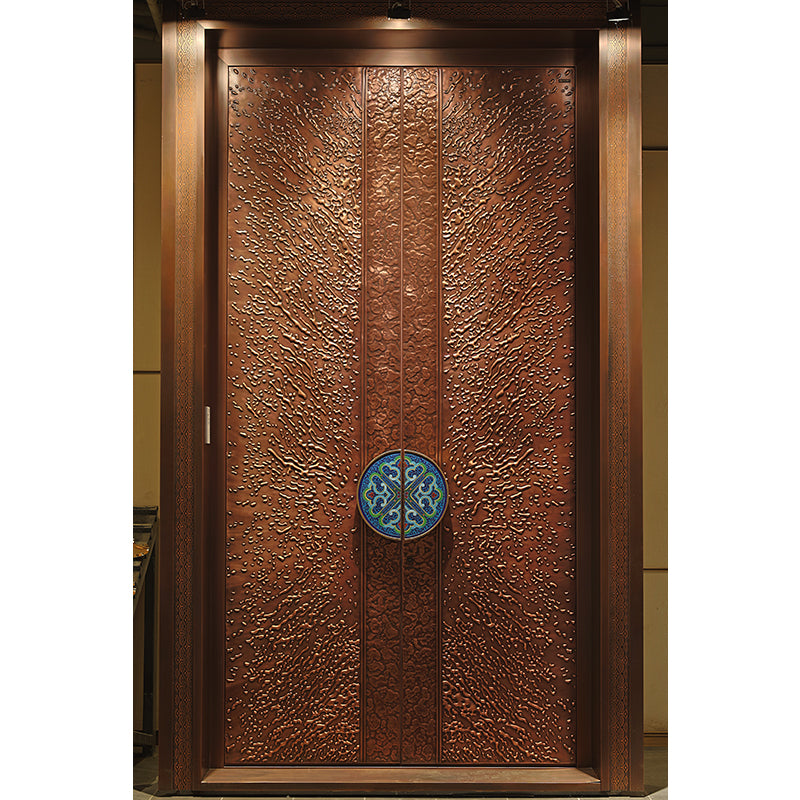 Cloisonné Waterdrop Artisan Copper Door
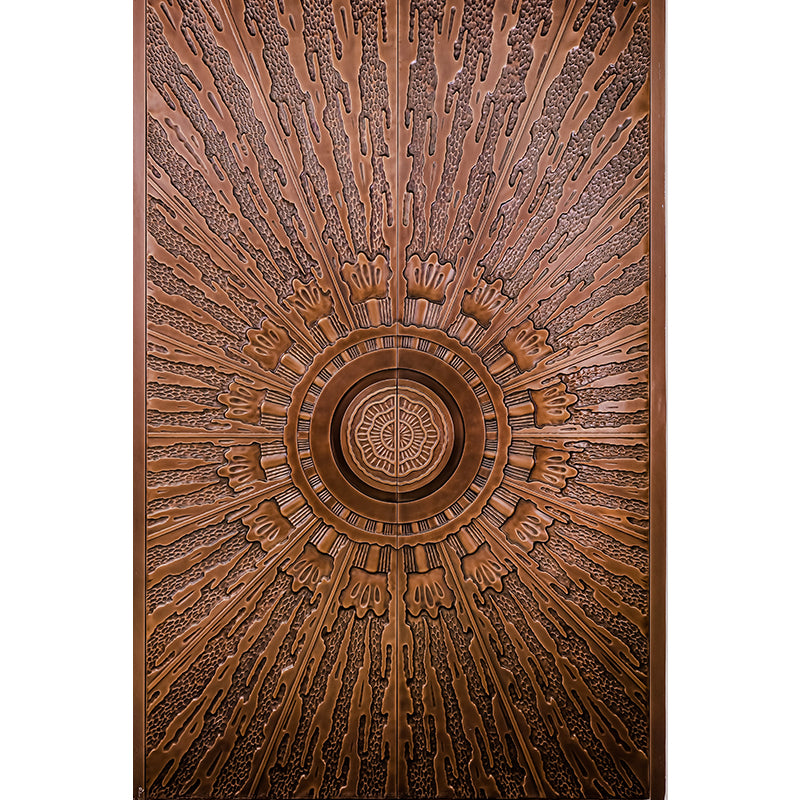 Radiant Artisan Copper Luxe Door
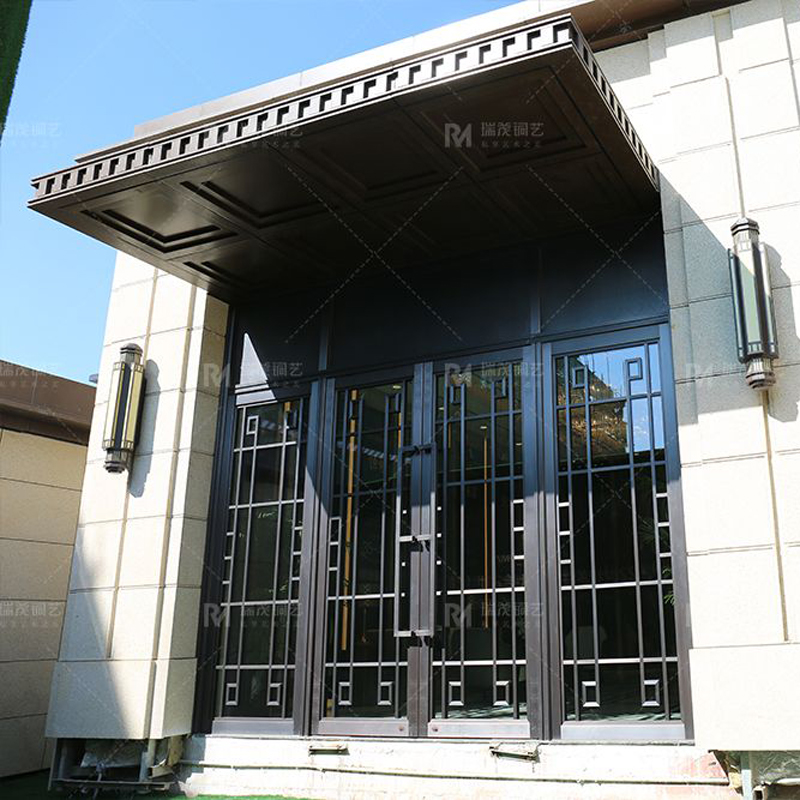 Contemporary Cosmopolitan Artisan Glass-Copper Door
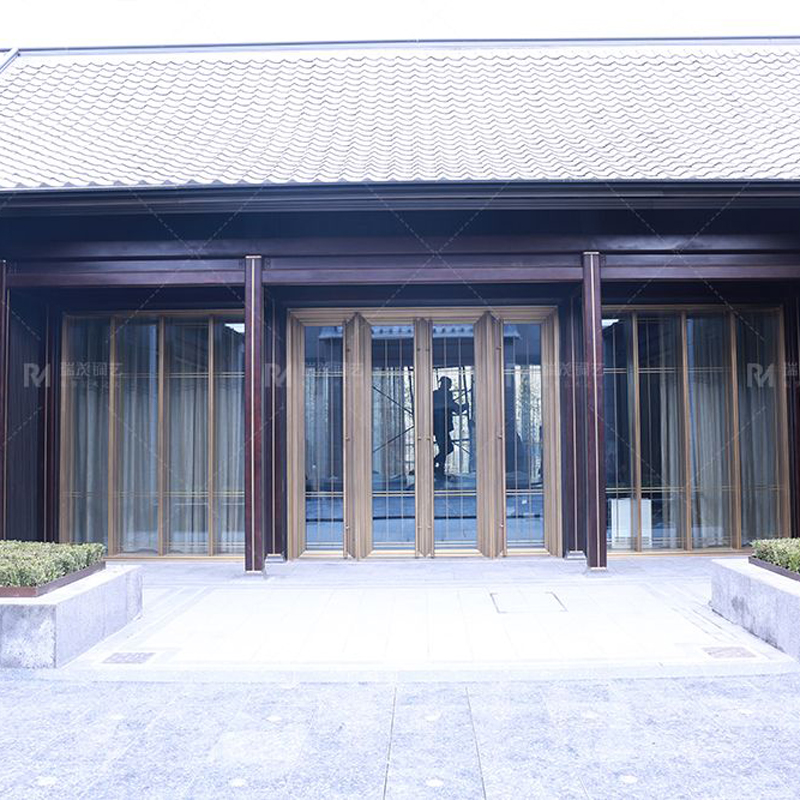 Exquisite Glass-Copper Doors for Shiguan 1 Hao Yuan
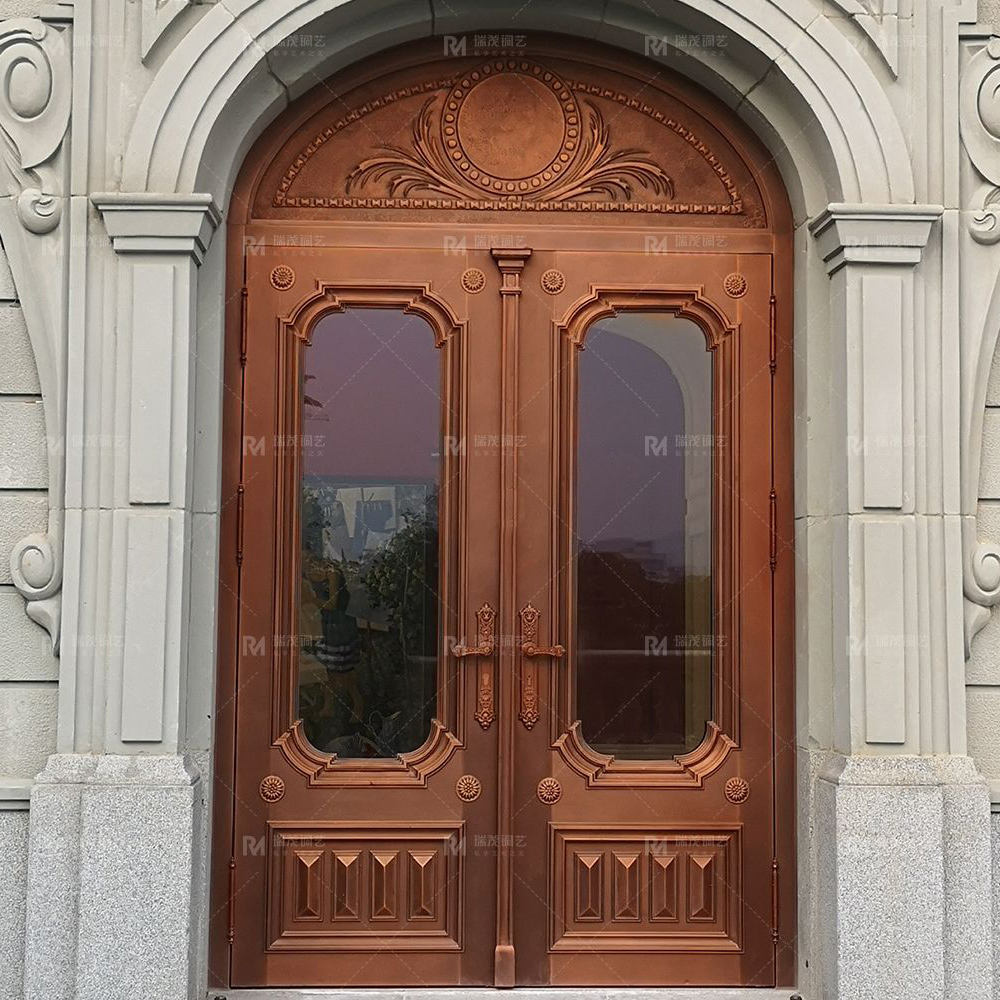 Huawei Glass-Infused Artisan Copper Door
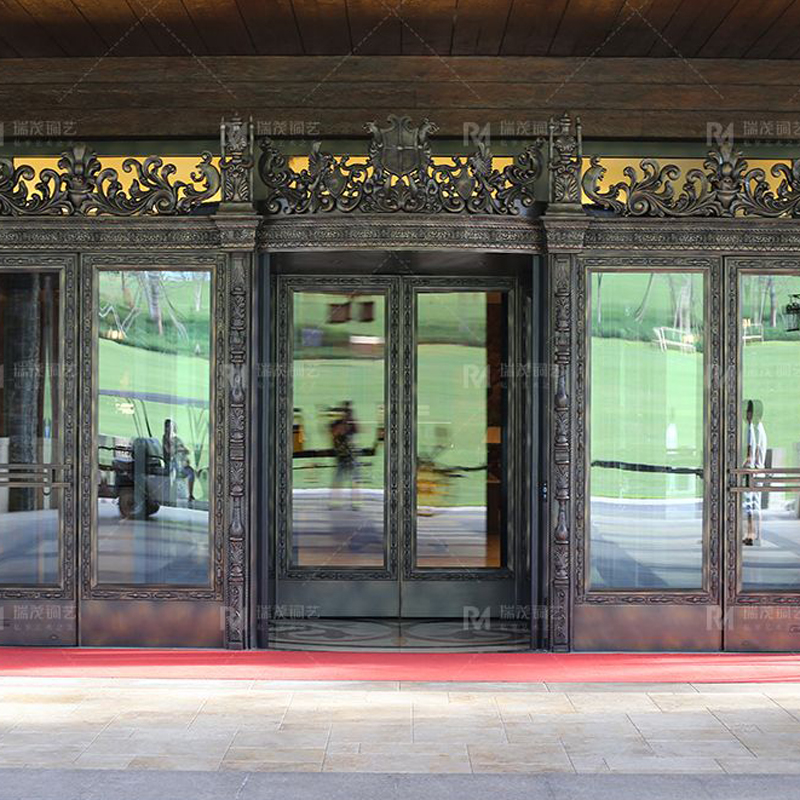 Gorgeous Glass Copper Doors for Jinhaihu
 Graceful Glass Copper Doors for Yuanyang Wanhe Mansion
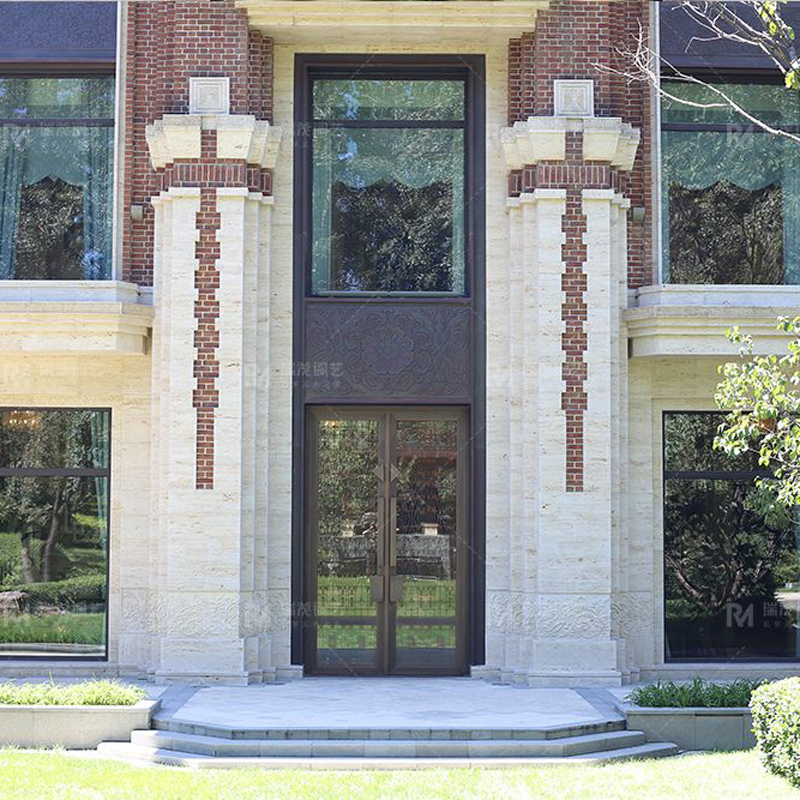 Nine Chapters Villa Artisan Glass-Copper Door
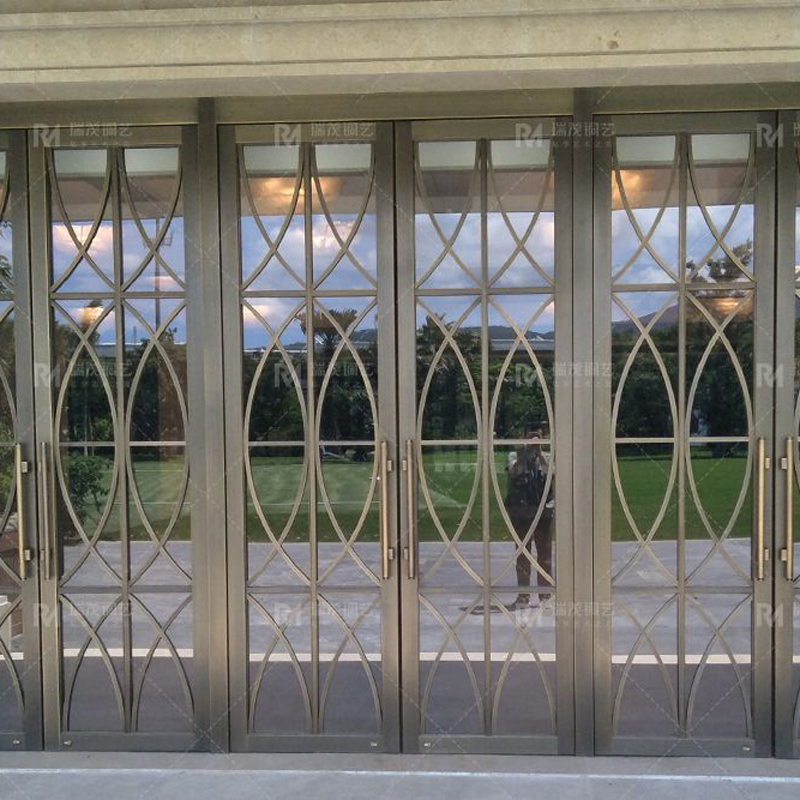 Graceful Tropical Glass - Copper Doors for Banshan Banda
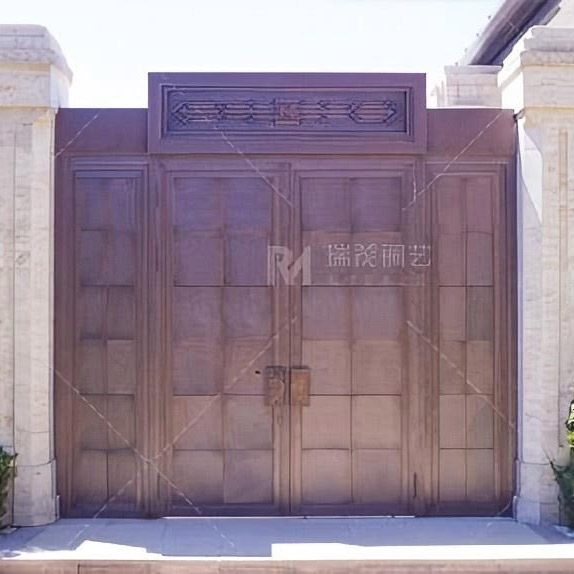 Nine Chapters Villa Artisan Copper Courtyard Gate
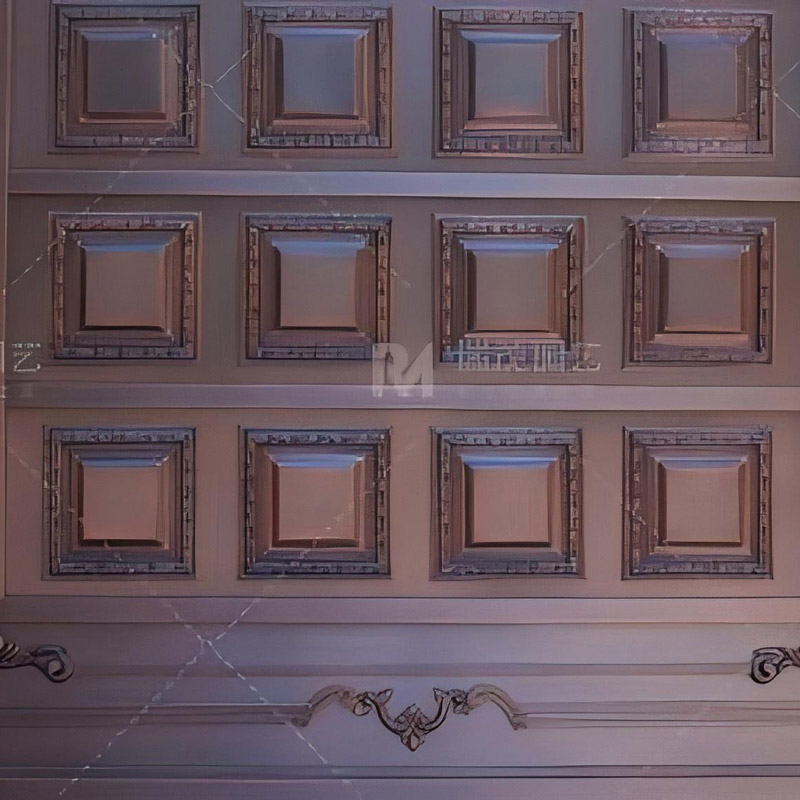 Sino-Ocean LAVIE Artisan Copper Courtyard Gate
 Shimao Xishan Artisan Copper Heritage Gate
 Diaoyuntai Cloud-Reaching Artisan Copper Gate
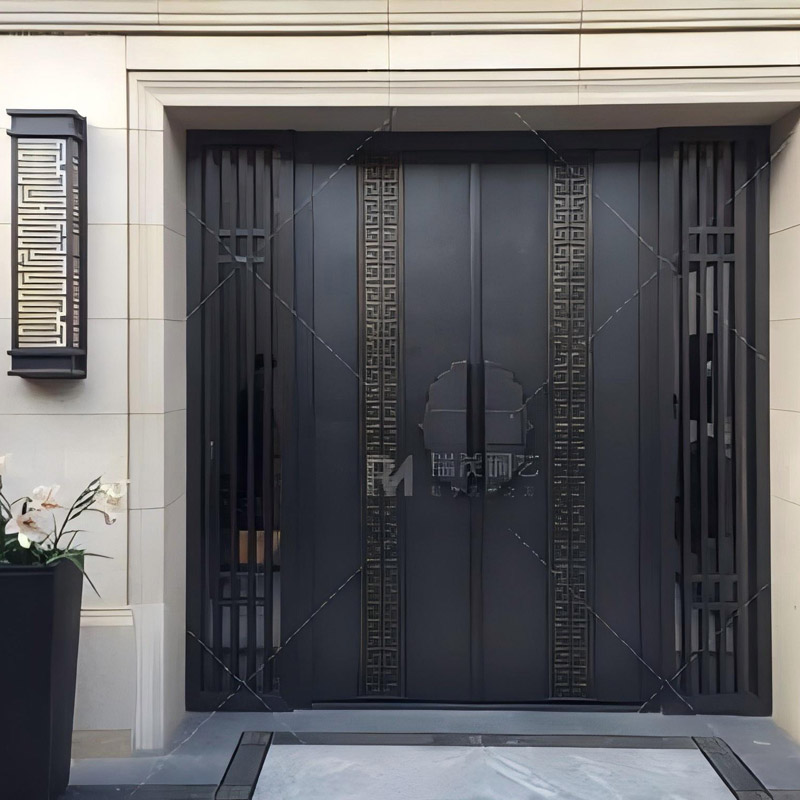 R&F MGM Artisan Copper Entertainment Gate
 Hongkun Shanyu Villa Artisan Copper Courtyard Gate
 Xiamen Longhu Jinglin Copper Art Villa Gate
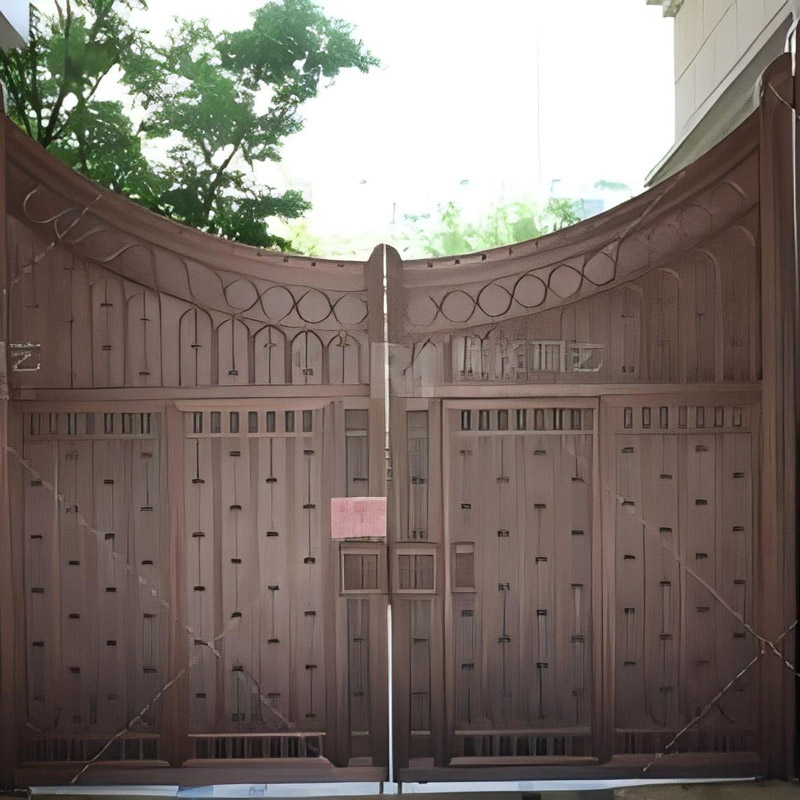 Tianjin COB Plaza Artisan Copper Gate
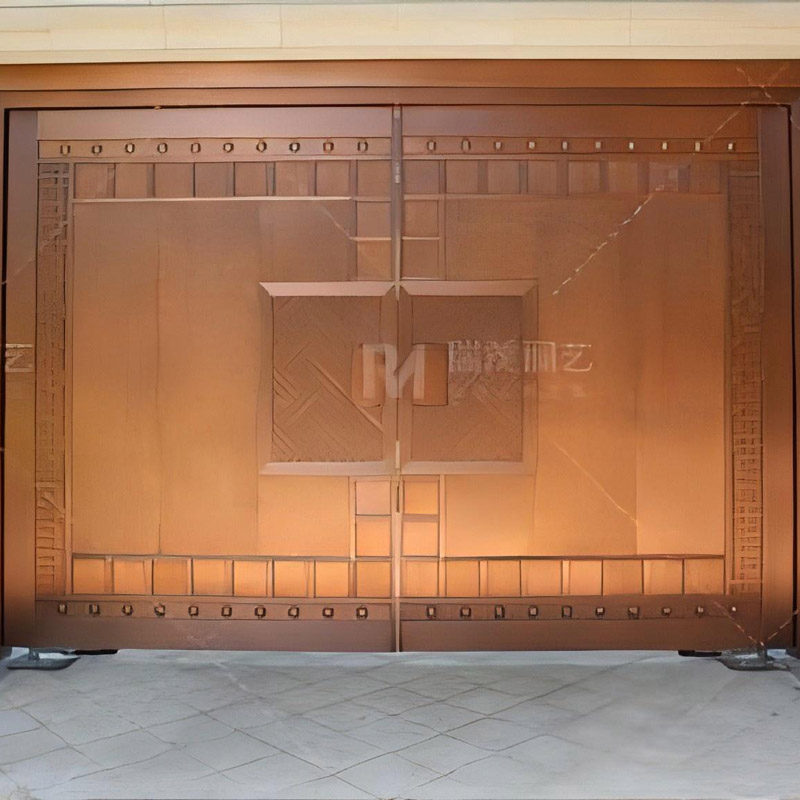 Xian Ziyingtai Artisan Copper Courtyard Gate
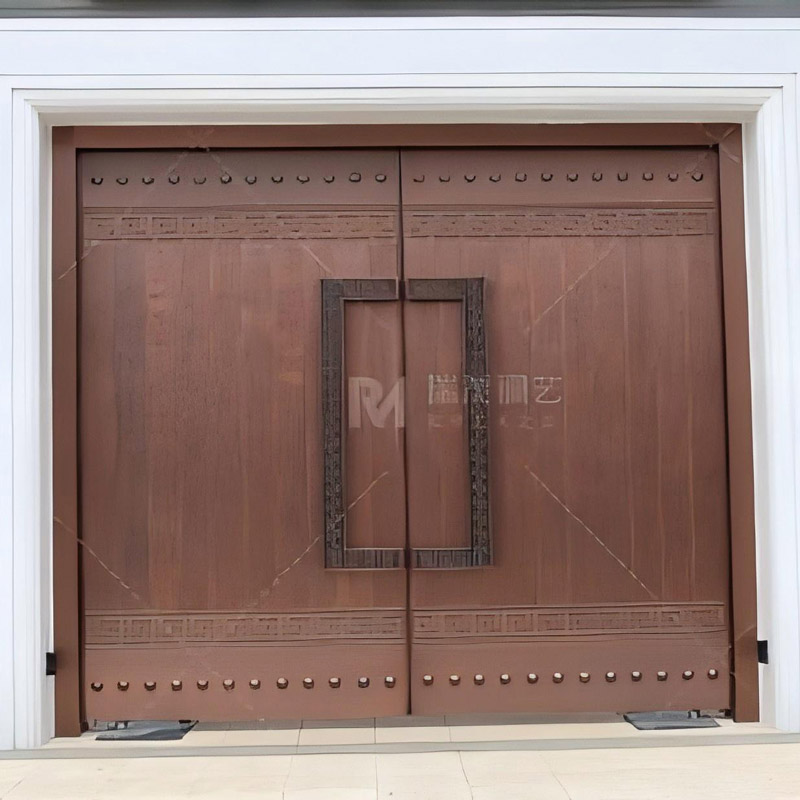 Exquisite Copper Gate of Qianshan Mansion
 Artisan Copper Revolving Elegance Door
 Copper Canopy, Quality Weather Shield
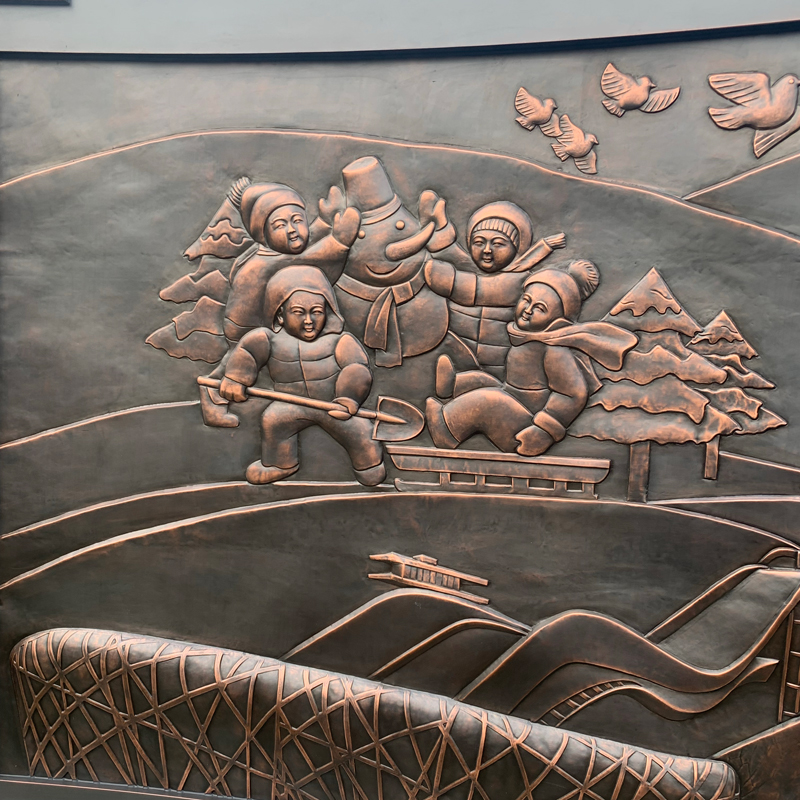 Ancient Charm Copper Carving, Inheritance Of The Millennium Craftsmanship
 Copper Art In The Garden, Lighting Up The Beauty Of Nature
 Copper Goodies, Indoor Art Show
 Exquisite Copper Partition, Screen Shows Style
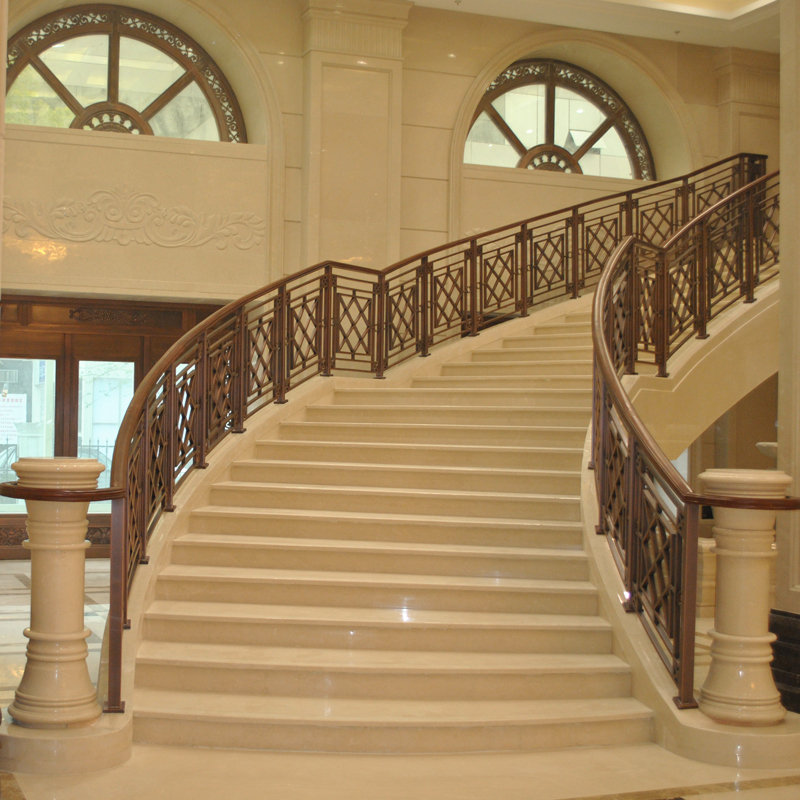 Indoor Copper Balustrade, a New Height Of Elegance