Metal Folding Doors are durable, save space, and bring a real architectural presence. You’ll see them in warehouses, retail entrances, restaurants, patios, and industrial partitions. But choosing the right one? It’s not just about how it looks.
This guide walks through the main types of Metal Folding Doors — bi-fold, multi-fold, accordion, and thermally broken systems. Each one moves differently, and that difference matters. It affects opening width, panel weight, insulation, security, and upkeep. A bi-fold door can give you a clean, wide opening with fewer panels. An accordion system can cover a bigger span and still stack compactly. The catch? All those hinges and rollers need a careful once-over.
Details matter. A lot.
Experienced installers usually look at the wall structure, floor level, drainage, wind exposure, and daily traffic. They’ll also compare aluminum, steel, and galvanized finishes. Aluminum often keeps the operating weight down. Steel can handle more impact. Galvanized coatings can be a good call in tough environments, but they still need proper care.
A dependable spec should include tested hardware, secure locking points, suitable glazing, and clear maintenance guidance. Energy performance deserves attention too — especially where conditioned indoor space meets the outdoors. Even a beautiful door can perform poorly if the seals are weak or the track isn’t aligned right.
The comparison isn’t perfectly simple. Product names vary from one manufacturer to another, and real-world performance often comes down to installation quality. This overview gives you practical criteria for choosing with more confidence. It also leaves room to rethink things carefully, because the cheapest option rarely stays cheap after repeated repairs.
What Are Metal Folding Doors and How Do They Work?
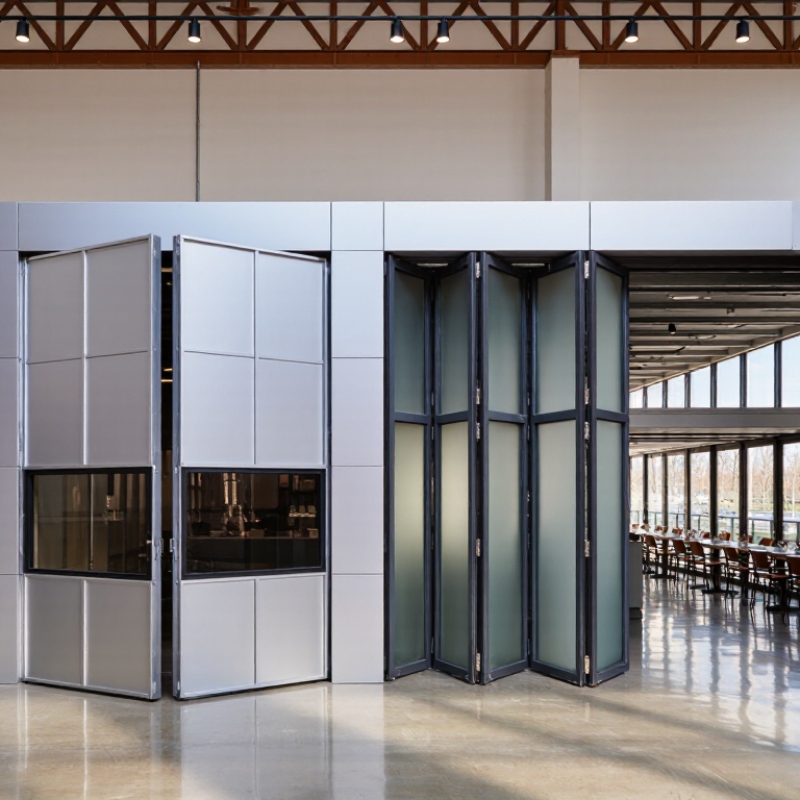
Metal folding doors consist of connected steel or aluminum leaves that fold along vertical hinges. Each leaf hangs from an overhead track or rolls on a floor guide. When opened, the panels stack tightly beside the doorway. When closed, they form a continuous barrier.
Their operation is simple, but alignment matters. A handle, latch, or motor moves the first panel. The remaining panels follow through linked hinges and carrier wheels. Common types include bi-fold doors, accordion doors, and center-folding doors. Bi-fold systems need less side clearance. Accordion systems suit wide openings. Center-folding designs can divide large rooms quickly. The weak point is often not the metal. It is poor track maintenance.
Metal Fire Doors require greater care. They must use a tested door, frame, hardware, and closing system as one certified assembly. NFPA’s Fire Loss in the United States During 2022 reported about 1,504,500 fires and $18.1 billion in property damage. That figure reinforces why fire-rated performance cannot rely on appearance alone. NFPA 80 also addresses inspection, closing, latching, and maintenance requirements. A folding door without the correct rating should not be treated as a fire barrier.
The U.S. Department of Energy’s 2018 Commercial Buildings Energy Consumption Survey counted about 5.9 million commercial buildings nationwide. Many contain busy loading areas, workshops, or flexible partitions. In these spaces, operators should check worn rollers, loose hinges, damaged seals, and closing speed. Small defects become expensive. This detail is easy to underestimate.
What Are the Main Types of Metal Folding Doors?
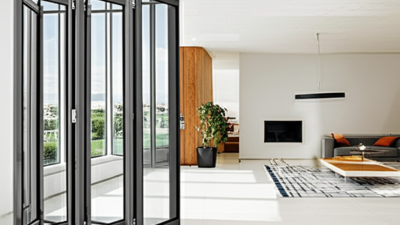
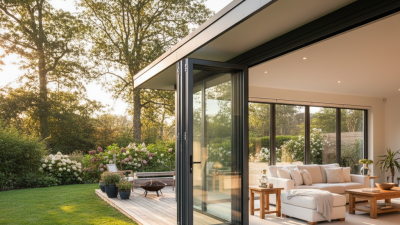
Metal folding doors are usually grouped by how their panels move and where they stack. The three main types are bi-fold, multi-fold, and accordion folding doors. Each design uses hinges, tracks, rollers, and a locking system. Bi-fold doors have two panels per section. They fold neatly toward one side or both sides. This creates a wide opening with limited floor clearance. They suit patios, service areas, and interior partitions.
Multi-fold doors use several connected panels. Their opening can span a larger wall than a simple bi-fold system. Some panels stack at one end, while others divide across the opening. Designers often choose aluminum or galvanized steel for lighter handling and corrosion resistance. Steel provides greater impact resistance, but it adds weight. Accurate track alignment matters. A small installation error can cause dragging, noise, or uneven gaps. This is where field experience becomes valuable.
Accordion metal folding doors use narrow panels linked in a continuous chain. They need less swing space and can separate warehouses, corridors, and commercial rooms. Solid panels improve privacy and security. Perforated or glazed panels allow light and visibility. In demanding entrances, engineers may compare these systems with Metal Entry Doors before selecting a solution. No type is perfect. Dust gathers inside tracks, and neglected rollers quickly affect movement. Check load ratings, drainage, fire requirements, and local building rules before installation. A door that folds beautifully may still perform poorly if the surrounding frame is weak.
What Are the Main Types of Metal Folding Doors?
Metal folding doors are commonly classified by the way their hinged leaves stack or concertina when opened. The chart shows the minimum number of connected leaves typically associated with each main design.
Bi-fold doors use two hinged leaves, while multi-fold systems use three or more. Accordion doors generally use four or more narrow leaves that concertina to one side. Folding security grilles are assembled from multiple hinged sections and commonly begin with two connected sections. Actual panel counts vary according to opening width, load requirements, and the selected door system.
How Do Bi-Fold Metal Doors Differ From Multi-Fold Designs?
Metal folding doors vary widely, but the key distinction is how their panels move. Bi-fold Metal Doors use pairs of hinged panels. Each pair folds together and stacks near the jamb, creating a compact opening. Multi-fold designs use three or more connected panels. They usually stack farther along the wall, yet can cover wider openings with fewer fixed supports.
That difference matters in real buildings. A bi-fold system feels quicker for a café counter, workshop, or small office entrance. Multi-fold doors suit conference rooms, loading areas, and glazed façades where the clear opening must feel expansive. The 2018 U.S. Energy Information Administration Commercial Buildings Energy Consumption Survey recorded 97 billion square feet of commercial floor space. It also reported that space heating used about 32% of commercial building energy, while cooling used roughly 13%. Poor panel alignment or weak seals can therefore create uncomfortable drafts and higher operating demands.
Hardware deserves close attention. Heavy steel panels need accurately sized hinges, rollers, and reinforced frames. Door weight, opening frequency, wind exposure, and floor flatness should guide the specification. Metal Office Doors can provide durability, but “stronger” does not automatically mean better. A multi-fold layout may improve access while demanding more stacking space. A bi-fold layout may save space but concentrate loads at fewer hinges. The 2023 Building Performance Association guidance on airtightness also reinforces a practical point: installation quality often controls performance more than the product label. Small gaps matter. This comparison is easy to oversimplify.JSImport
What Materials and Finishes Are Used in Metal Folding Doors?
Metal folding doors combine several panels, hinges, and a track system. Their material affects weight, movement, insulation, and service life. Aluminum is common because it is light, corrosion resistant, and easy to shape. It suits wide openings where frequent operation matters. Steel offers greater strength and a firmer feel, but it weighs more and needs careful corrosion protection. Stainless steel performs well in damp or coastal settings, although its higher cost can limit larger projects.
Finishes protect the surface and influence the door’s appearance. Powder coating creates a hard, even layer in many colors. It usually resists everyday scratches better than ordinary liquid paint. Anodized aluminum keeps a metallic texture and develops a durable oxide layer. It can show handling marks, however, especially on darker tones. Galvanized steel uses a zinc coating to slow rust, while stainless steel may receive brushing, polishing, or a matte treatment. Every finish has limits.
In practical inspections, edges and hinge areas deserve close attention. Coating damage often starts where panels contact tools, dust, or moisture. A textured finish can hide small marks, but it may collect dirt. Smooth surfaces clean faster, yet they reveal fingerprints and dents. Thermal breaks, weather seals, and drainage channels matter as much as the visible finish. A beautiful door can still perform poorly if water has nowhere to escape. Material samples should be tested under the project’s real climate, cleaning routine, and traffic level. That step is easy to skip. It should not be.
Where Are Different Metal Folding Door Types Commonly Used?
Where Are Different Metal Folding Door Types Commonly Used?
Location changes everything.
Accordion steel doors suit retail stockrooms, pharmacies, and narrow corridors because their panels fold beside the opening. Bi-fold metal doors work better in warehouses, workshops, and aircraft facilities. They open quickly and leave more usable floor space. Fire-rated folding doors are common in industrial plants, hospitals, schools, and commercial kitchens. Metal Security Doors also protect loading docks, utility rooms, and parking entrances where forced-entry resistance matters. The weak point is often the threshold, not the panel.
The 2023 UNEP Global Status Report for Buildings and Construction reported that buildings consumed about 30% of global final energy in 2022. It also linked buildings to roughly 26% of energy-related emissions. This makes sealing, insulation, and controlled opening cycles important. The U.S. Energy Information Administration’s 2018 CBECS counted approximately 5.9 million commercial buildings. Their uses vary widely, so one folding door specification cannot fit every site. A warehouse may prioritize cycle durability. A coastal facility may need stronger corrosion protection. A school may need quieter operation and safer closing speed.
Tips: Measure the clear opening, headroom, traffic frequency, and wind exposure. Do not choose by metal thickness alone. Check tested fire, security, and cycle ratings. A common field error is ignoring maintenance access. Even a well-designed door can perform poorly when tracks collect dust, salt, or packaging debris.
Copper Doors: A Complete Guide to Craftsmanship, Durability, Design, and Lasting Value
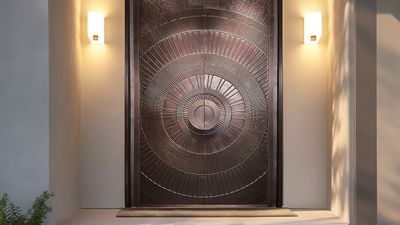
Copper Doors combine traditional artistry with reliable modern performance, making them a distinctive choice for entrances that deserve lasting character. Each door is individually handcrafted from top-grade electrolytic copper with a purity exceeding 99%, providing excellent stability and corrosion resistance. Skilled artisans carefully shape every surface, allowing the natural warmth, depth, and texture of copper to become part of the architectural design.
Advanced one-piece casting and pressing technology creates a strong, seamless structure. Precise molds and high-pressure forming distribute the copper evenly, reducing gaps and weaknesses often associated with conventional splicing. This process also produces refined surface details and clear, natural textures that give the door a sense of luxury without sacrificing practical durability. Available for doors under 2 meters wide and 3 meters high, the design can be tailored to suit different architectural styles.
Customization extends to exterior and interior finishes, colors, door handles, decorative styling, and lock selection, including lock brand, shape, and color. A multi-layer surface treatment begins with deep degreasing and pickling, followed by the application and high-temperature curing of an environmentally friendly copper-door coating. The resulting protective film helps resist oxidation, ultraviolet exposure, wind, and rain, preserving the door’s color and luster over time while reducing maintenance needs and supporting long-term value.
Conclusion
Metal Folding Doors are versatile architectural systems made from connected metal panels that fold along hinges or guide tracks, allowing large openings to be created without requiring extensive swing space. The main types include bi-fold doors, which use two panels folding together, and multi-fold designs, which contain several linked panels for wider openings and more flexible configurations. Their construction may involve steel, aluminum, or other durable metal alloys, with finishes such as powder coating, anodizing, or protective paint to improve appearance and resistance to wear, moisture, and corrosion.
Performance depends on factors including panel weight, hinge quality, track design, locking systems, insulation, glazing, and weather sealing. Different designs are suitable for homes, commercial buildings, warehouses, restaurants, showrooms, and industrial spaces. Choosing the right door requires considering opening size, usage frequency, security, thermal performance, available space, and local environmental conditions. Regular cleaning, track inspection, hardware lubrication, and prompt repair of damaged seals or components can help maintain smooth operation and extend service life.

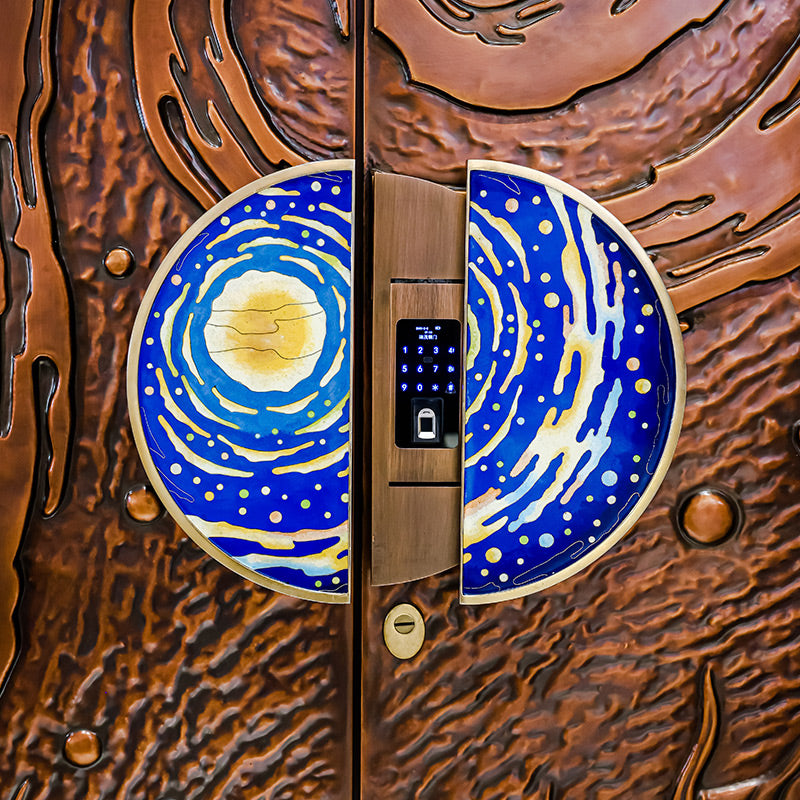 Copper Entrance Door
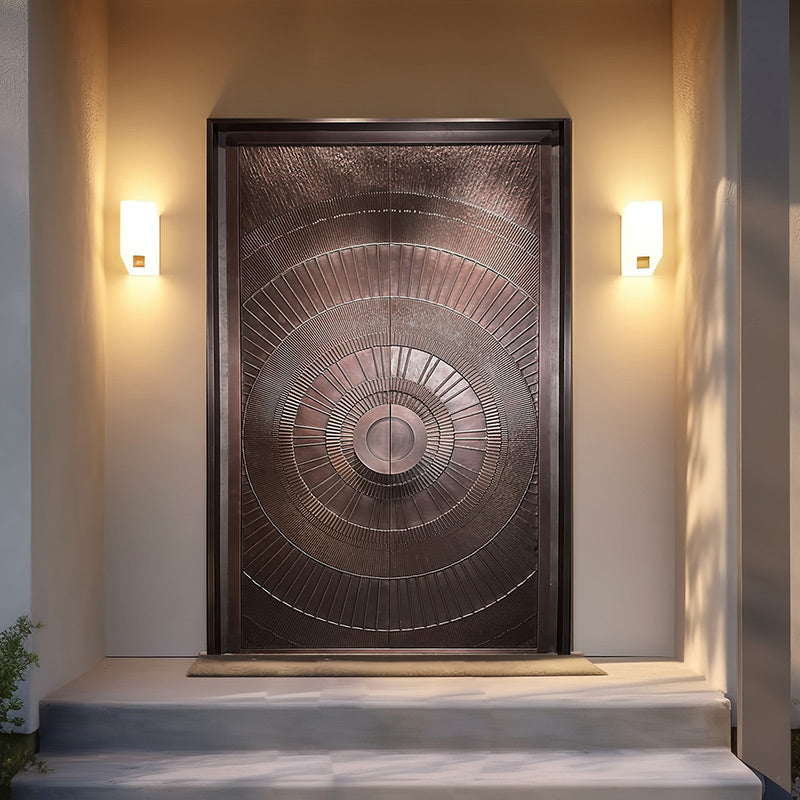 Copper Doors: Meticulously Crafted with Unparalleled Quality
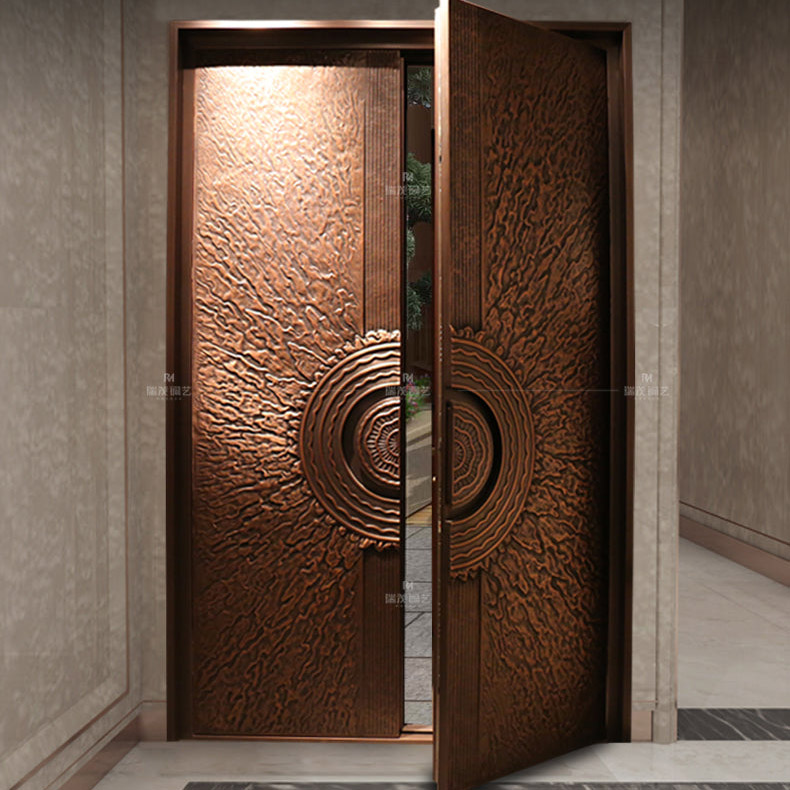 Lucky Star Artisan Copper Villa Blessing Door
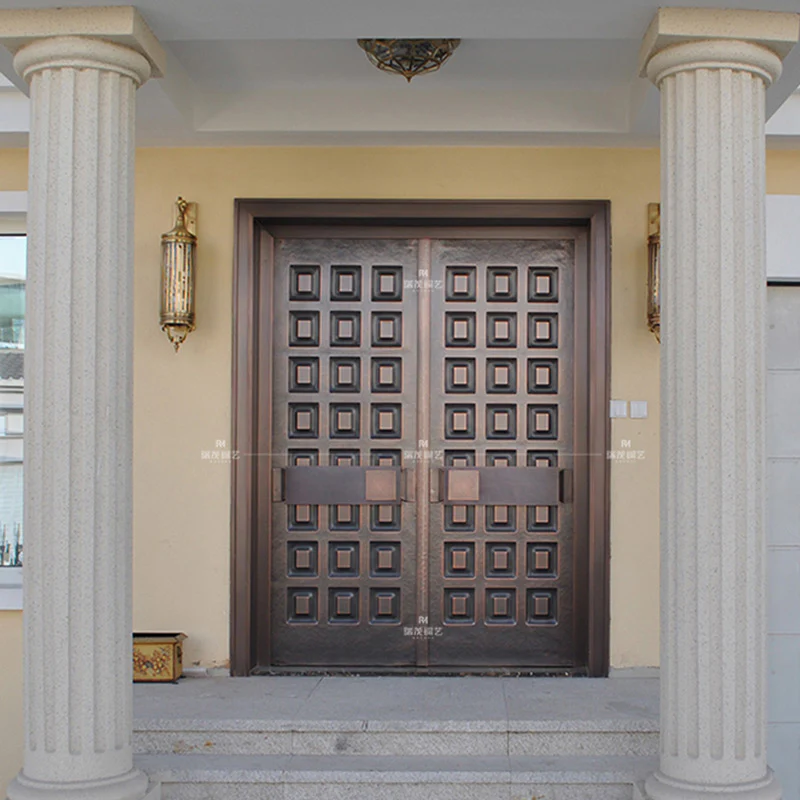 Dynasty Prosperity Artisan Copper Legacy Door
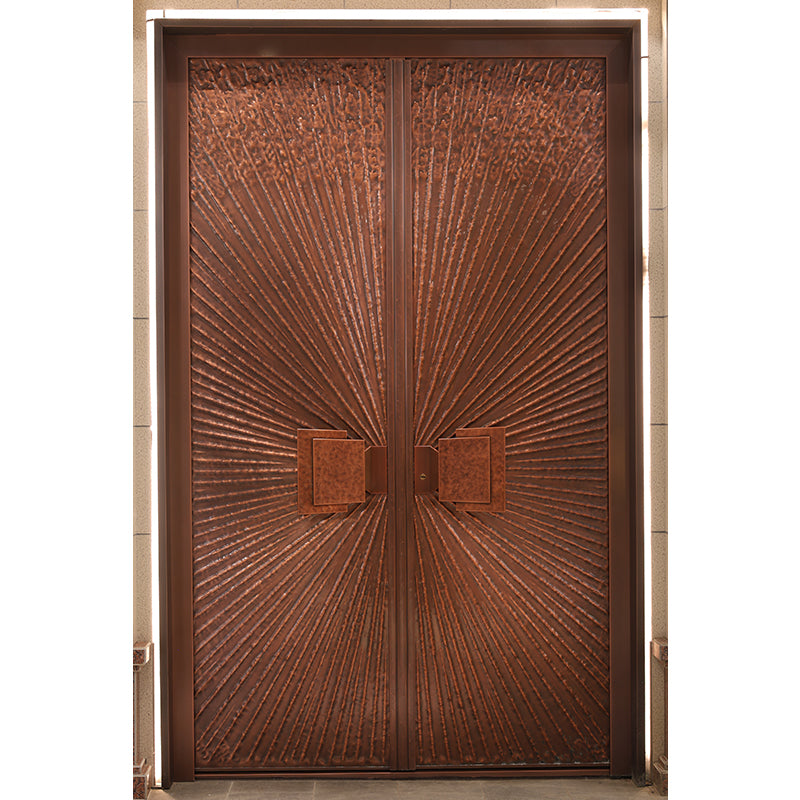 Auspicious Radiance Artisan Copper Legacy Door
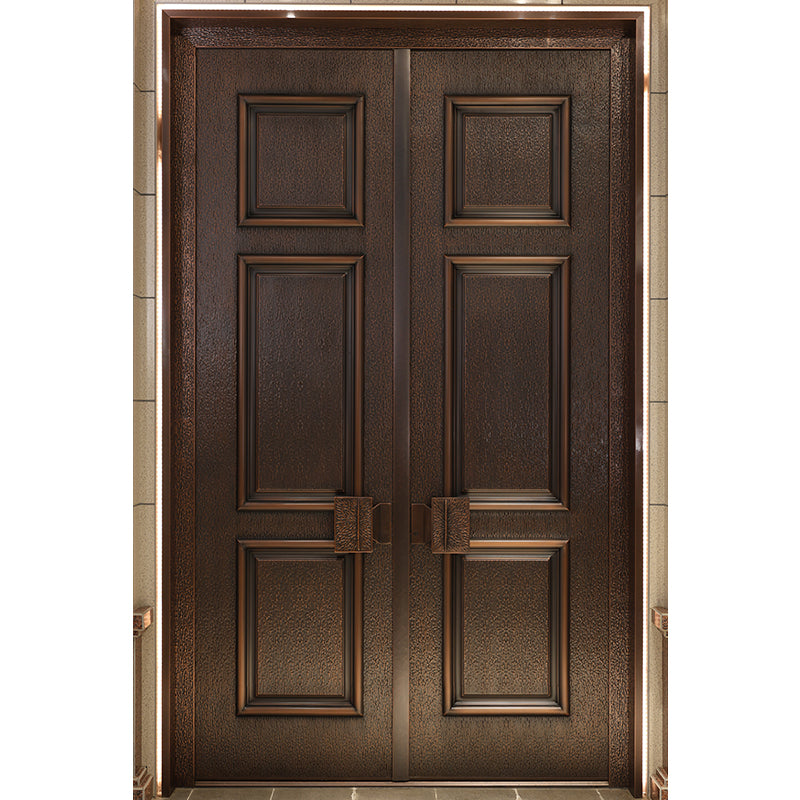 Woodgrain Artisan Copper Nature-Infused Door
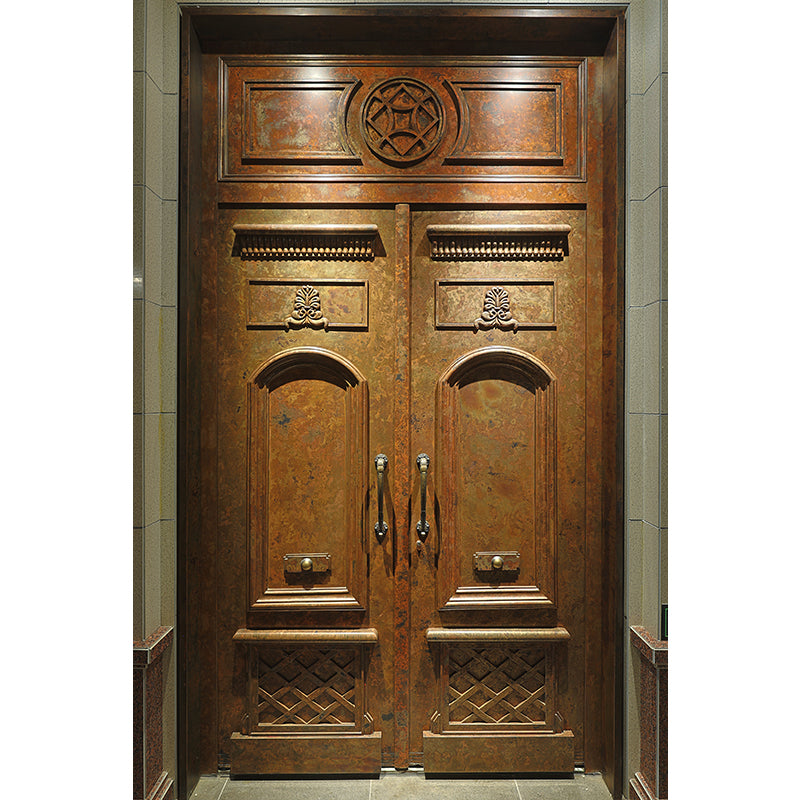 Artistic Copper Door for Harmonious Homes
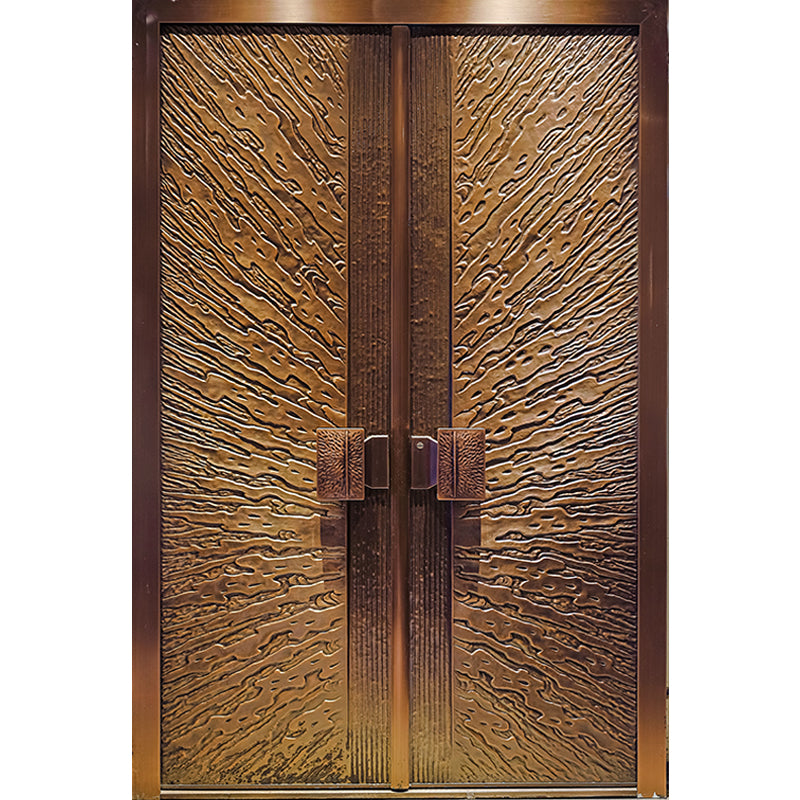 Global Artisan Copper World-Inspired Door
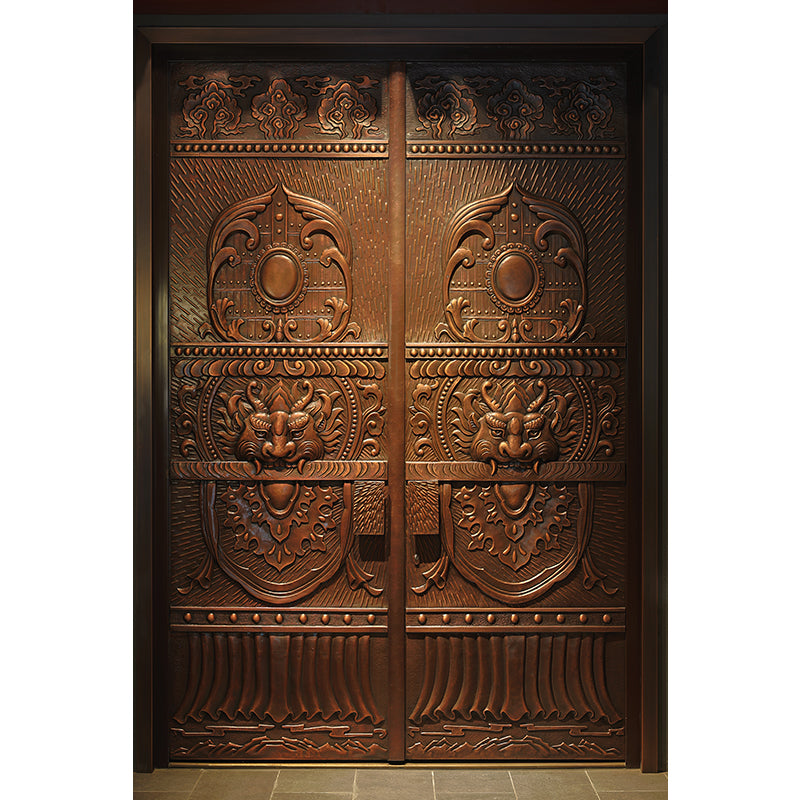 Artisan Copper Home Guardian Art Door
 Eternal Prime Artisan Copper Heritage Door
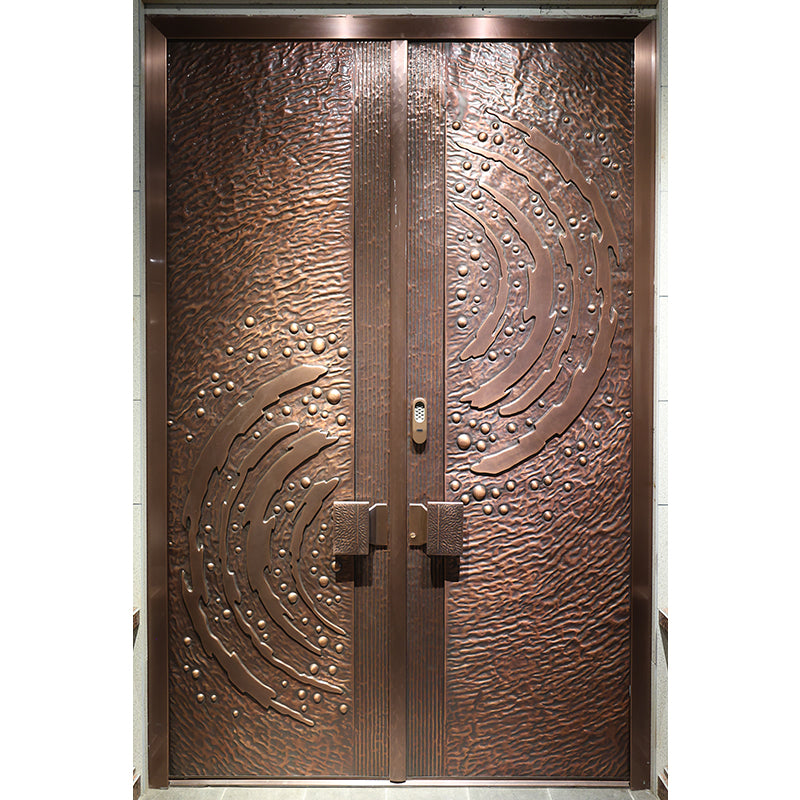 Celestial Artisan Copper Villa Stargazing Door
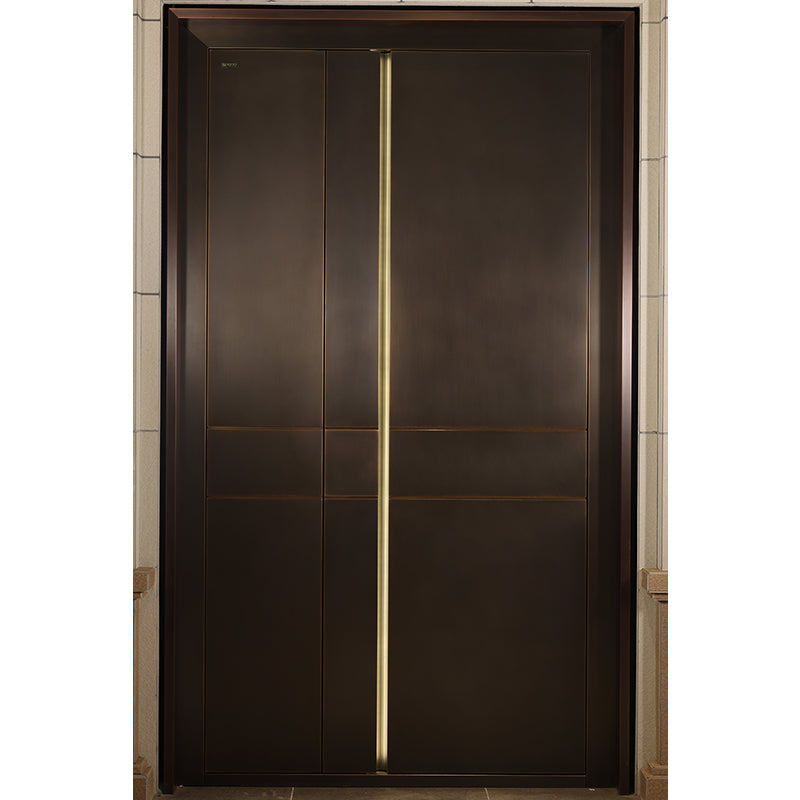 Eternal Summer Artisan Copper Timeflow Door
 Auspicious Artisan Copper Heritage Entry Door
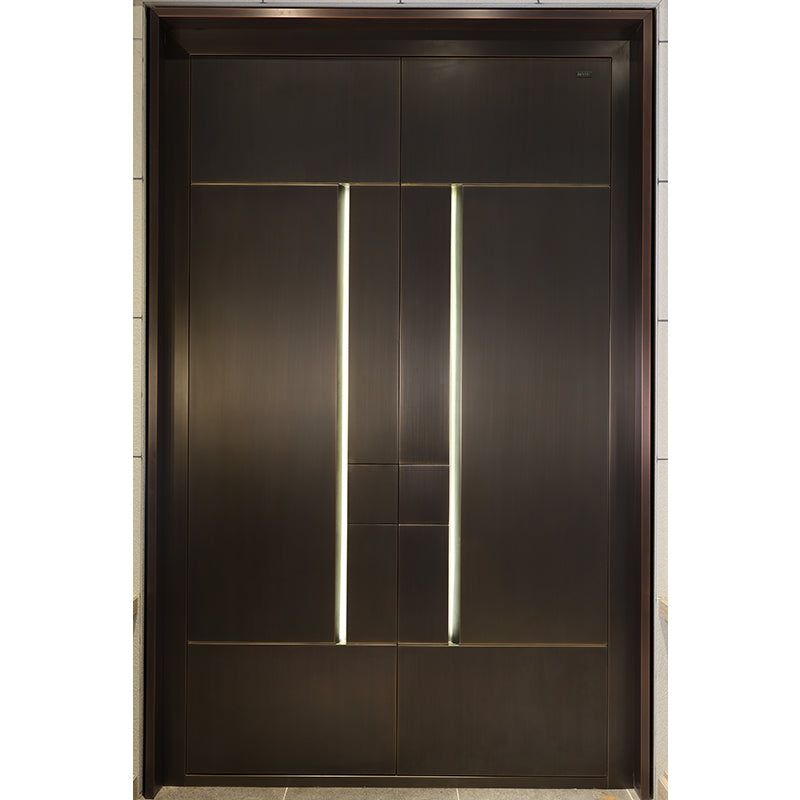 Minimalist Artistic Copper Door for Modern Homes
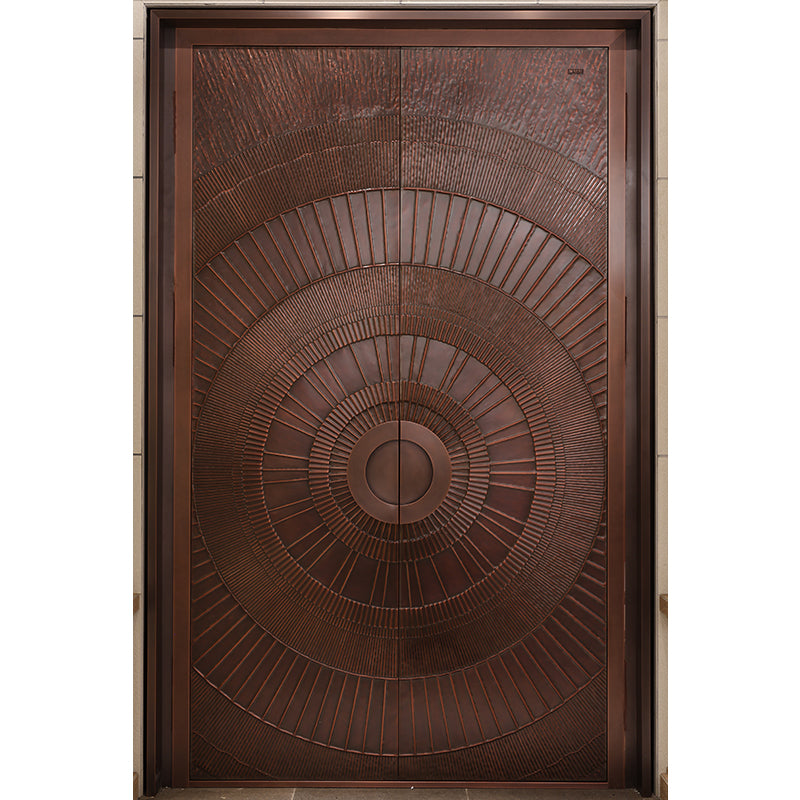 Harmony Circle Artisan Copper Door with Chinese Essence
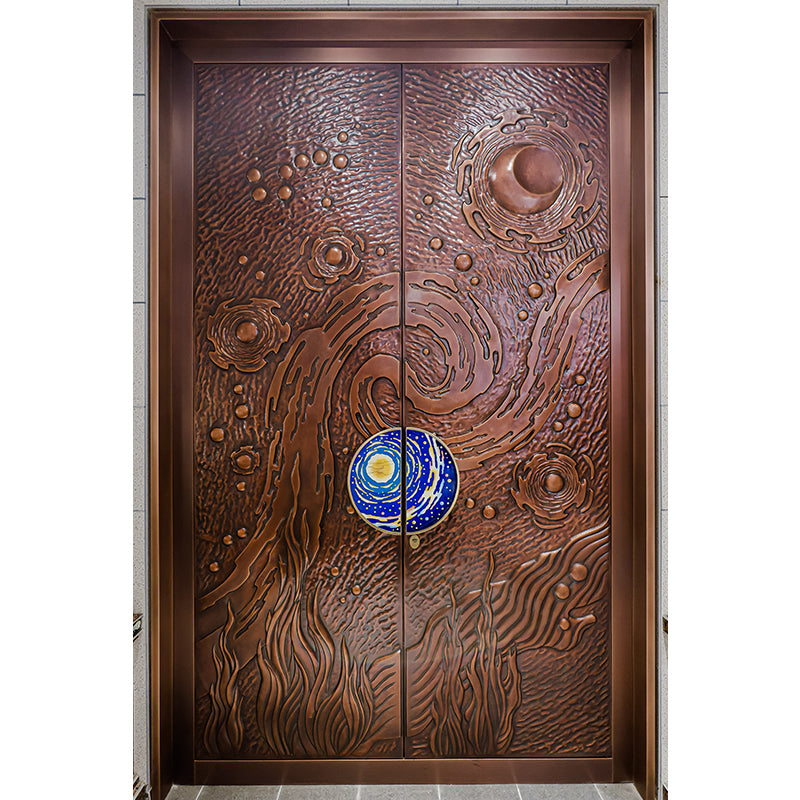 Nebula Grandeur Artisan Copper Villa Door
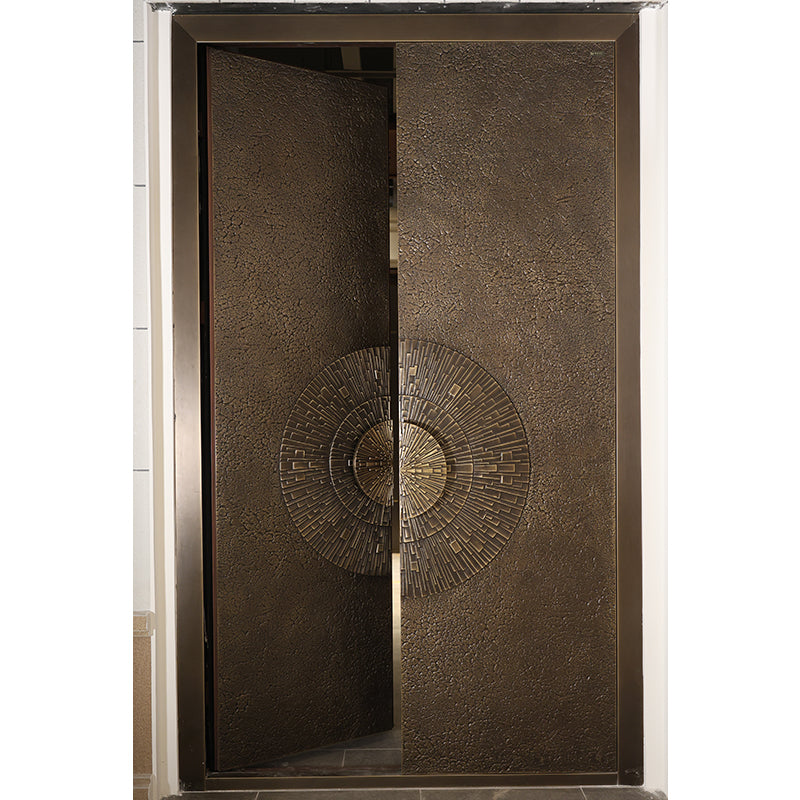 Auspicious Star Artisan Copper Blessing Door
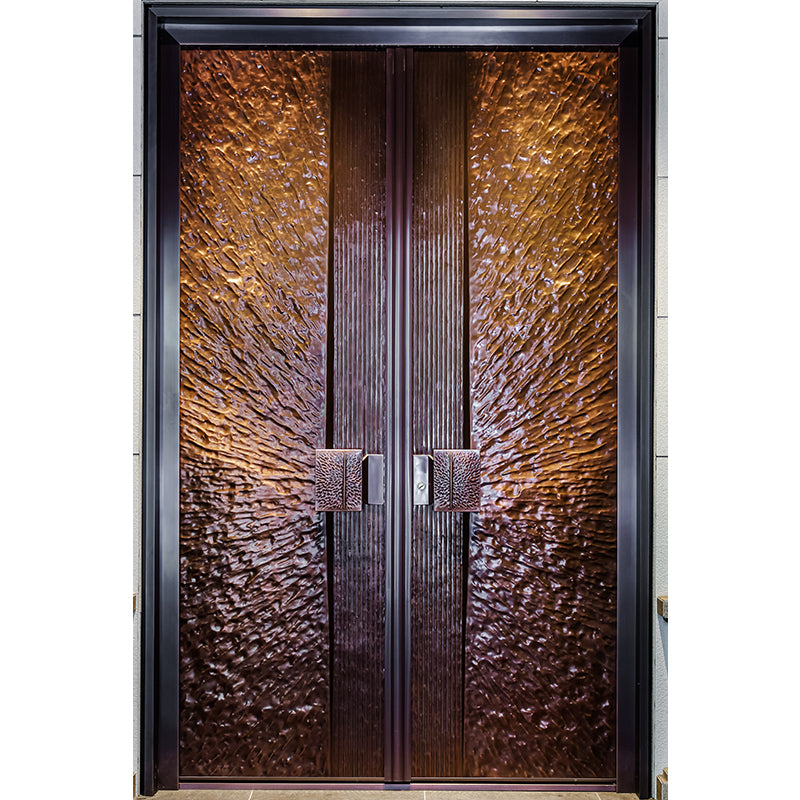 Dawn Glow Artisan Copper Flow Door
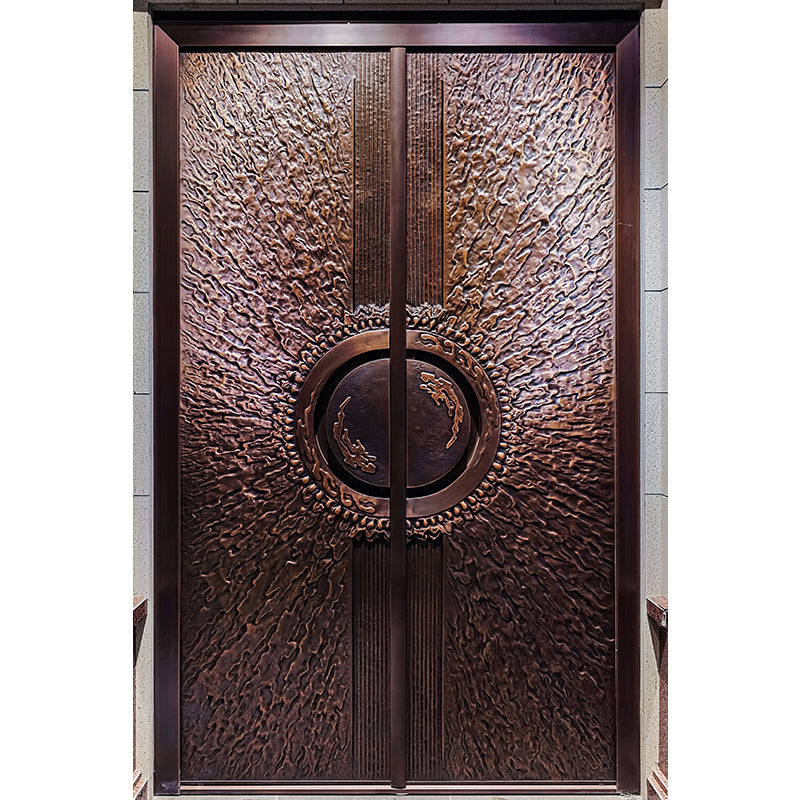 Sunlit Artisan Copper Villa Radiance Door
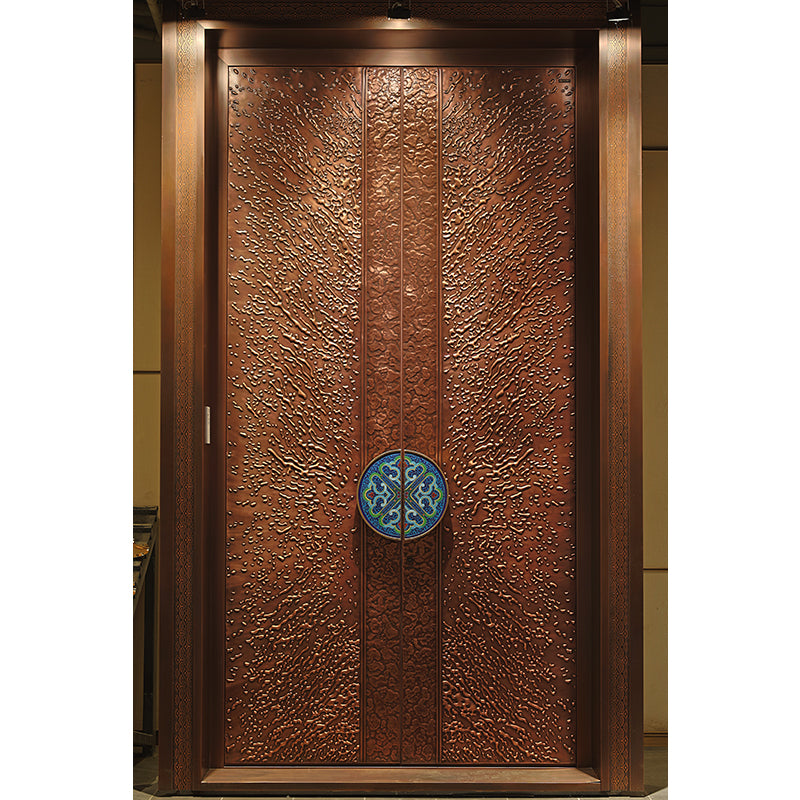 Cloisonné Waterdrop Artisan Copper Door
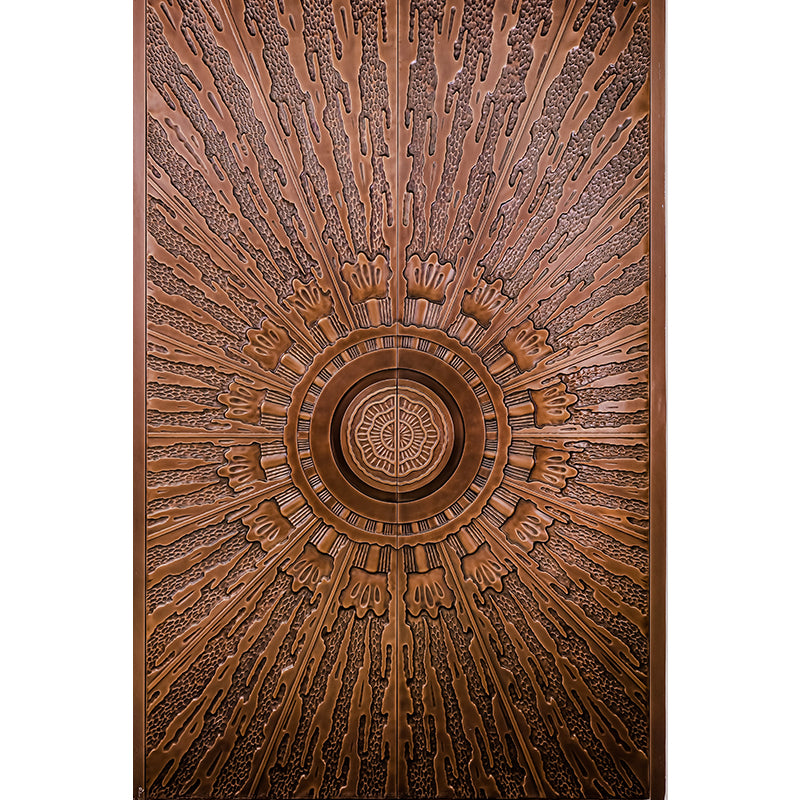 Radiant Artisan Copper Luxe Door
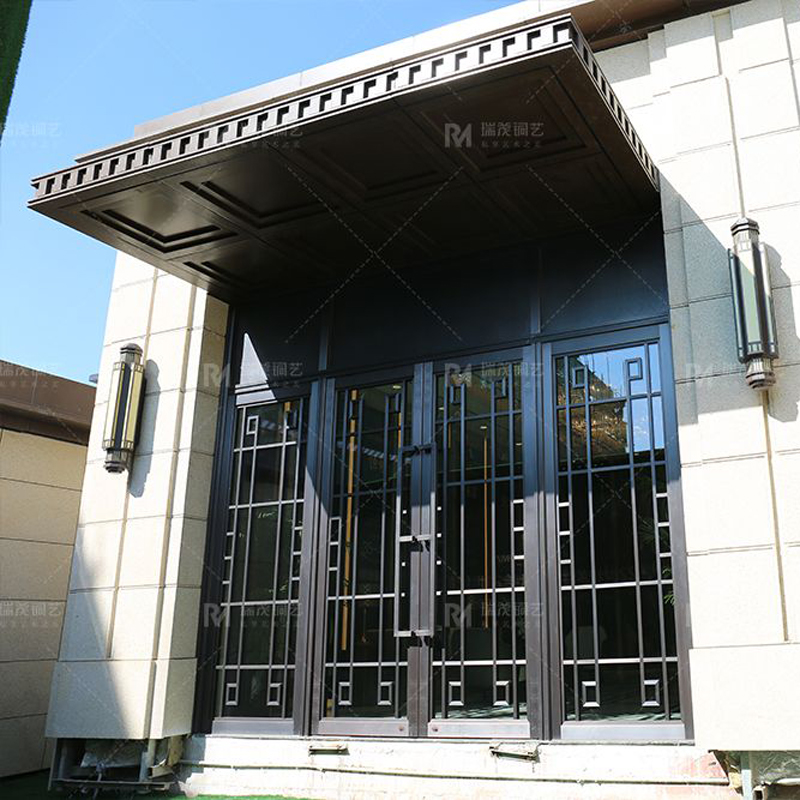 Contemporary Cosmopolitan Artisan Glass-Copper Door
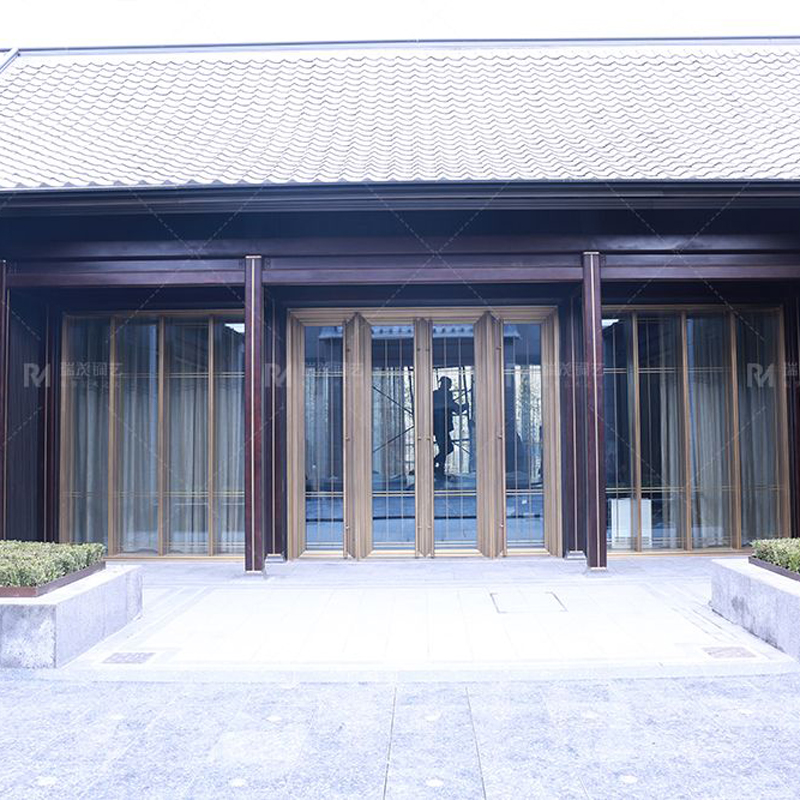 Exquisite Glass-Copper Doors for Shiguan 1 Hao Yuan
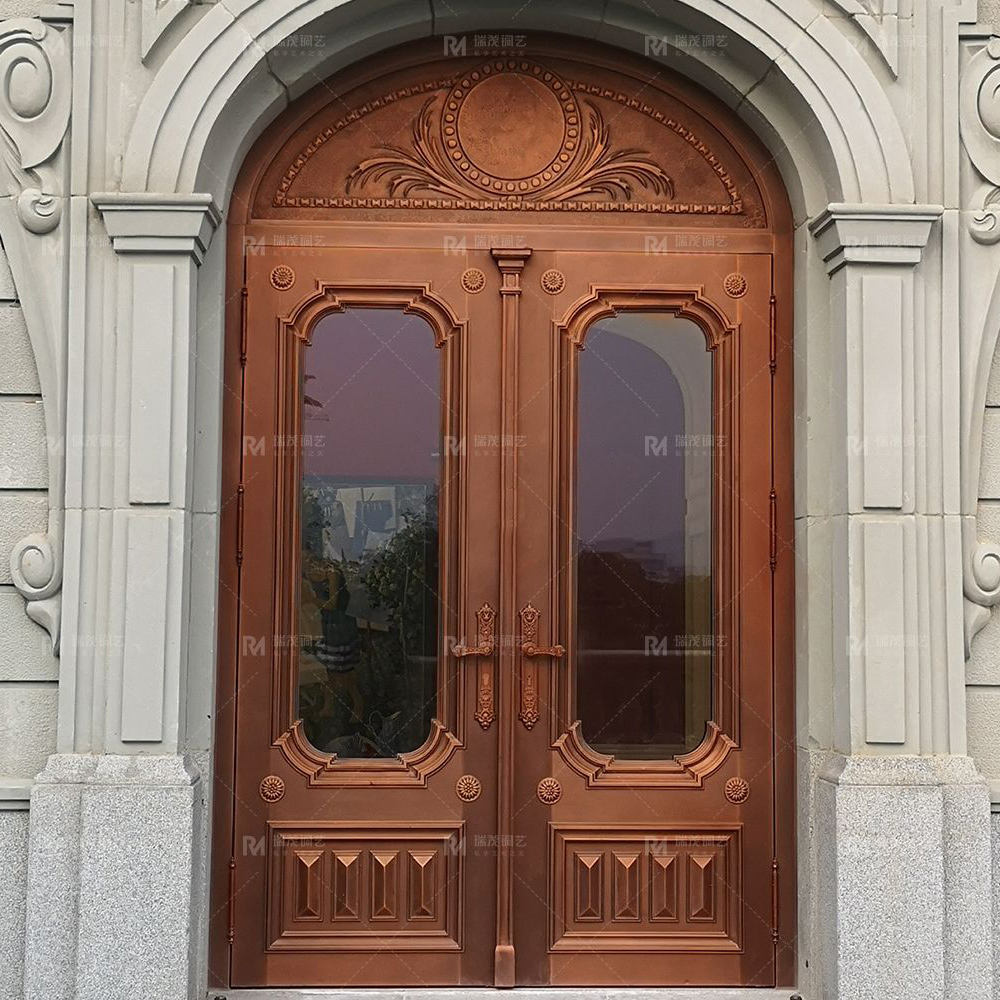 Huawei Glass-Infused Artisan Copper Door
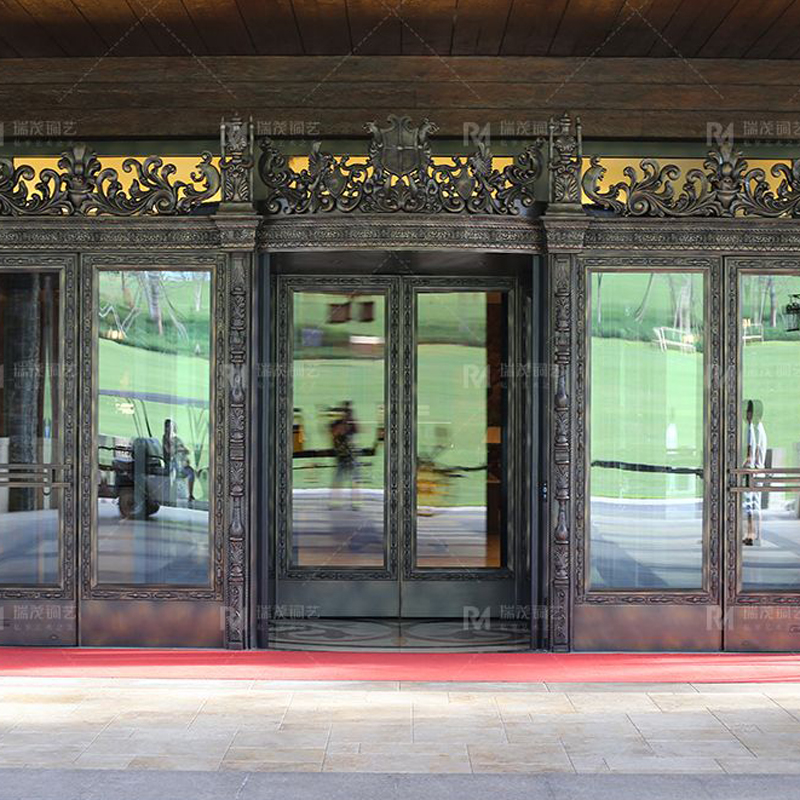 Gorgeous Glass Copper Doors for Jinhaihu
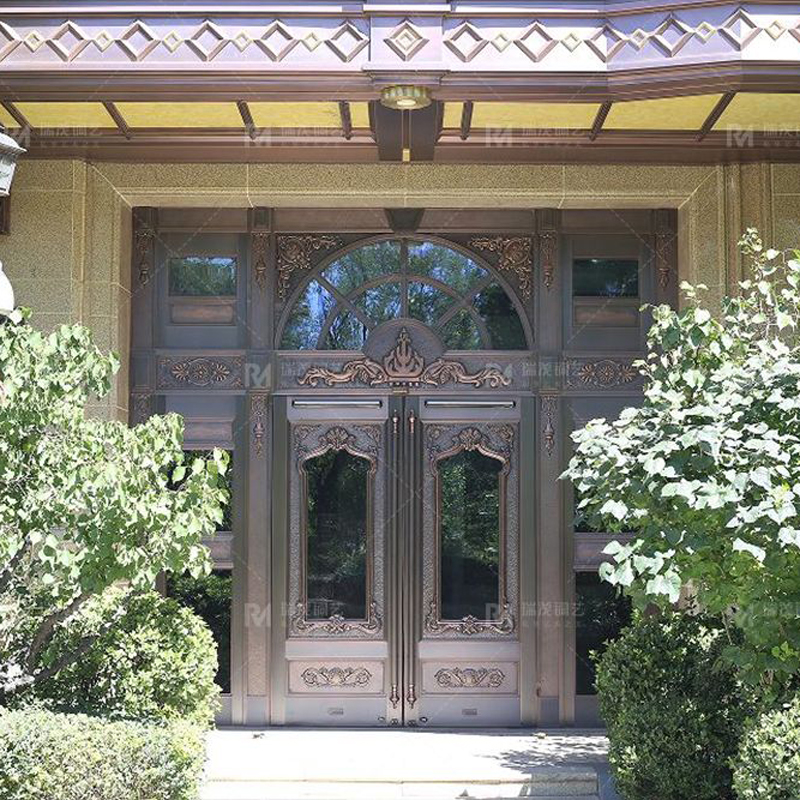 Graceful Glass Copper Doors for Yuanyang Wanhe Mansion
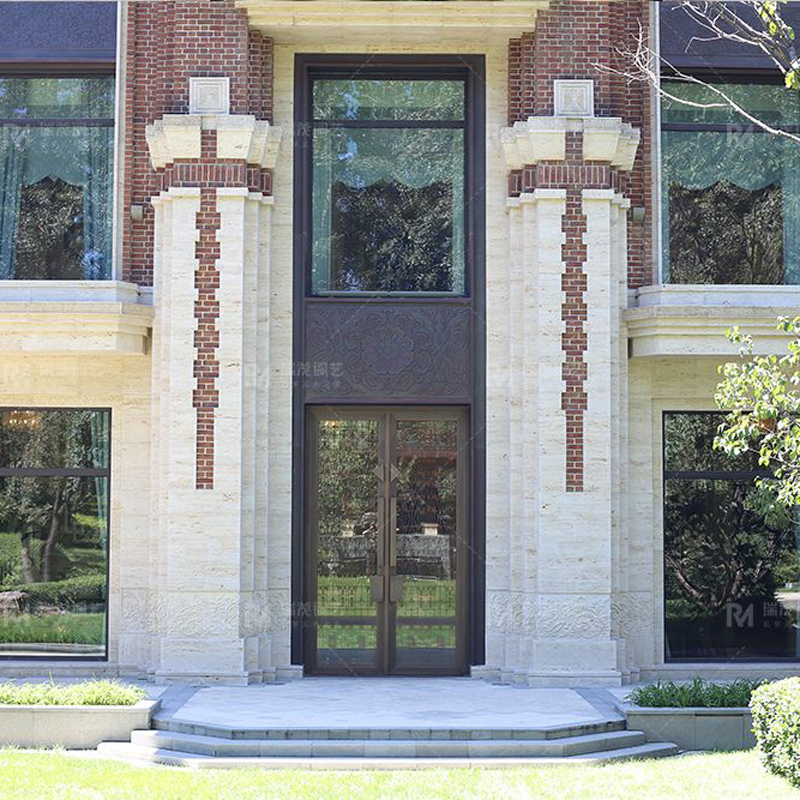 Nine Chapters Villa Artisan Glass-Copper Door
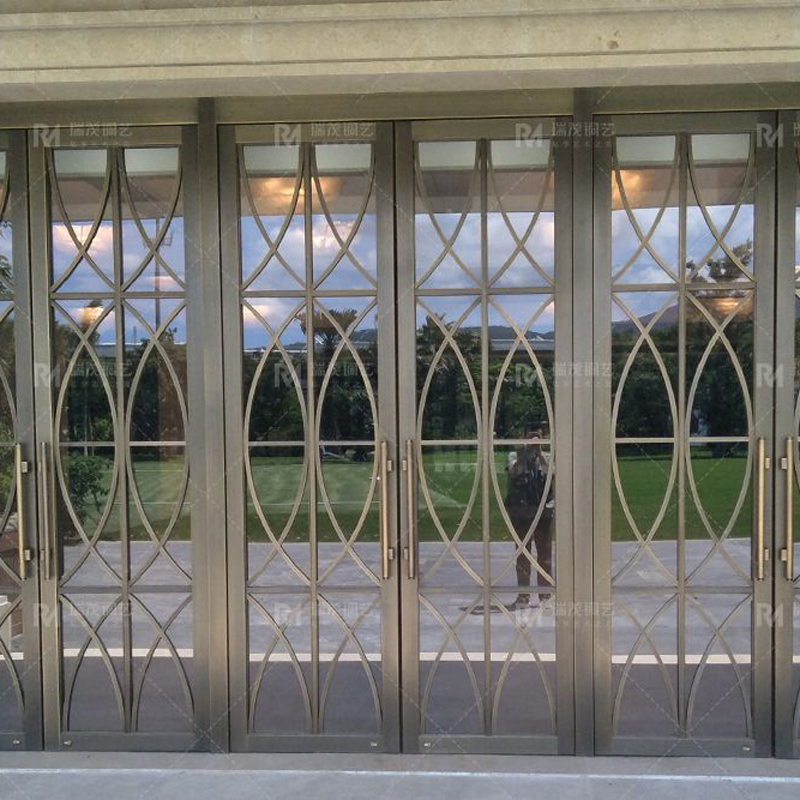 Graceful Tropical Glass - Copper Doors for Banshan Banda
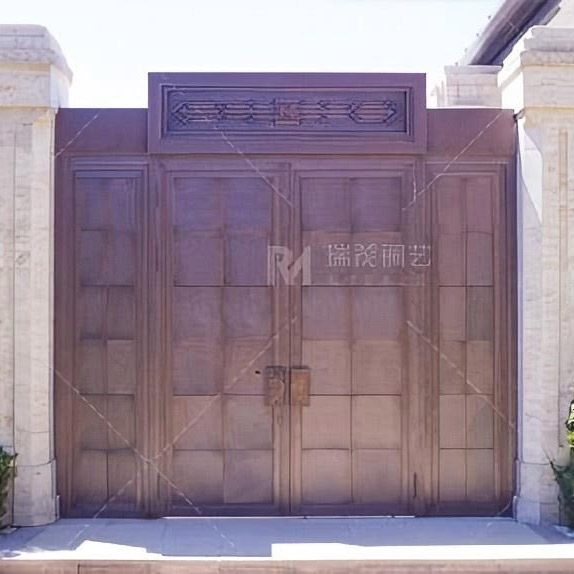 Nine Chapters Villa Artisan Copper Courtyard Gate
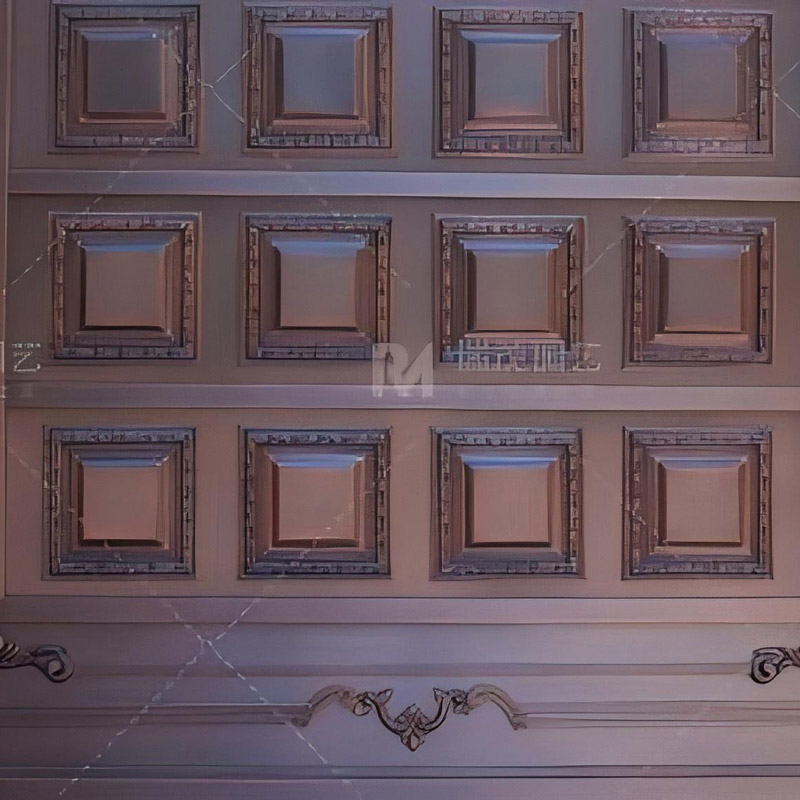 Sino-Ocean LAVIE Artisan Copper Courtyard Gate
 Shimao Xishan Artisan Copper Heritage Gate
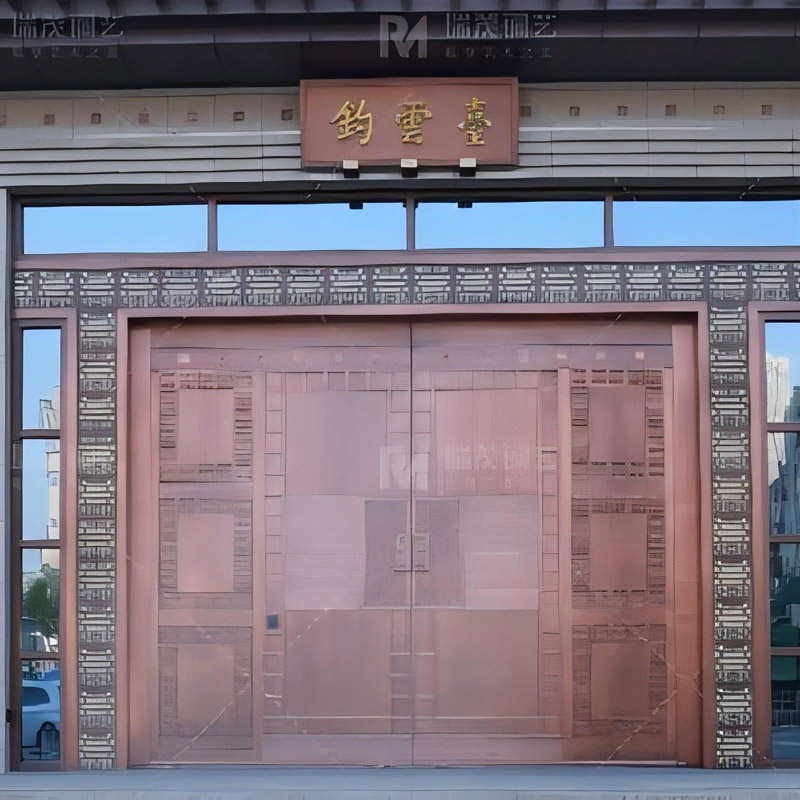 Diaoyuntai Cloud-Reaching Artisan Copper Gate
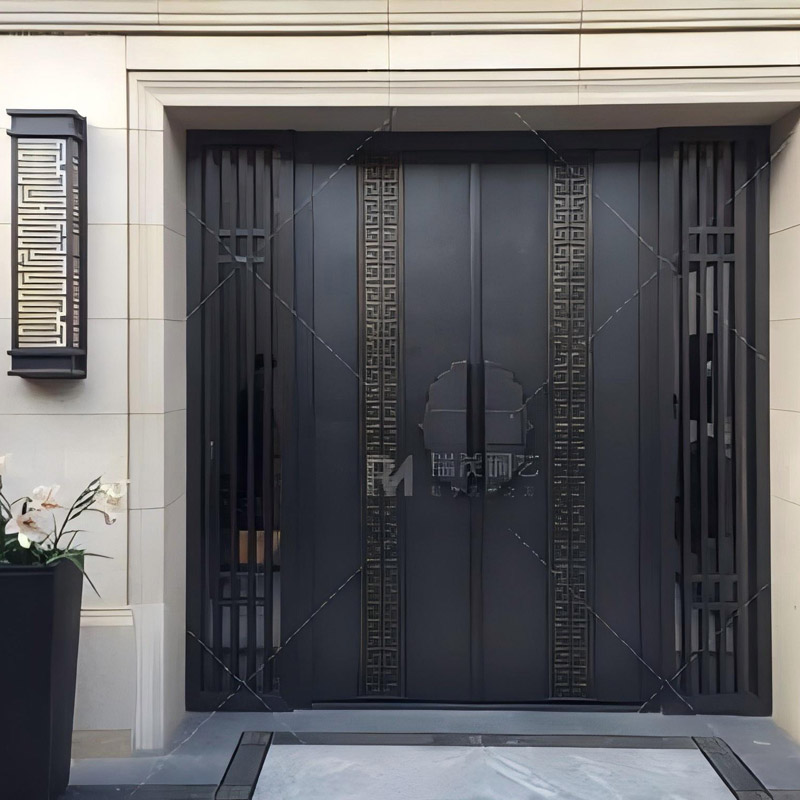 R&F MGM Artisan Copper Entertainment Gate
 Hongkun Shanyu Villa Artisan Copper Courtyard Gate
 Xiamen Longhu Jinglin Copper Art Villa Gate
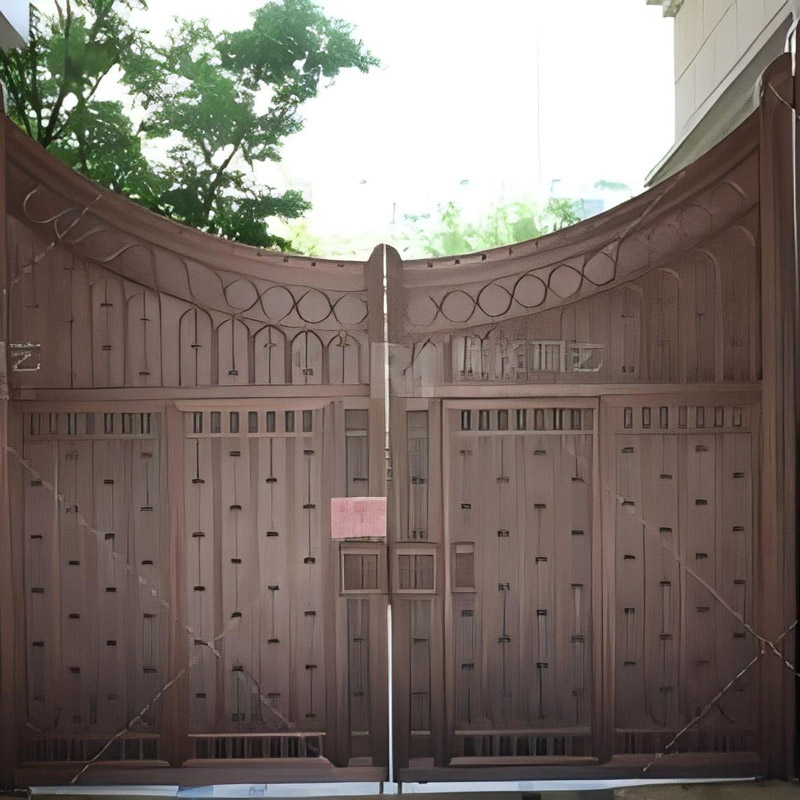 Tianjin COB Plaza Artisan Copper Gate
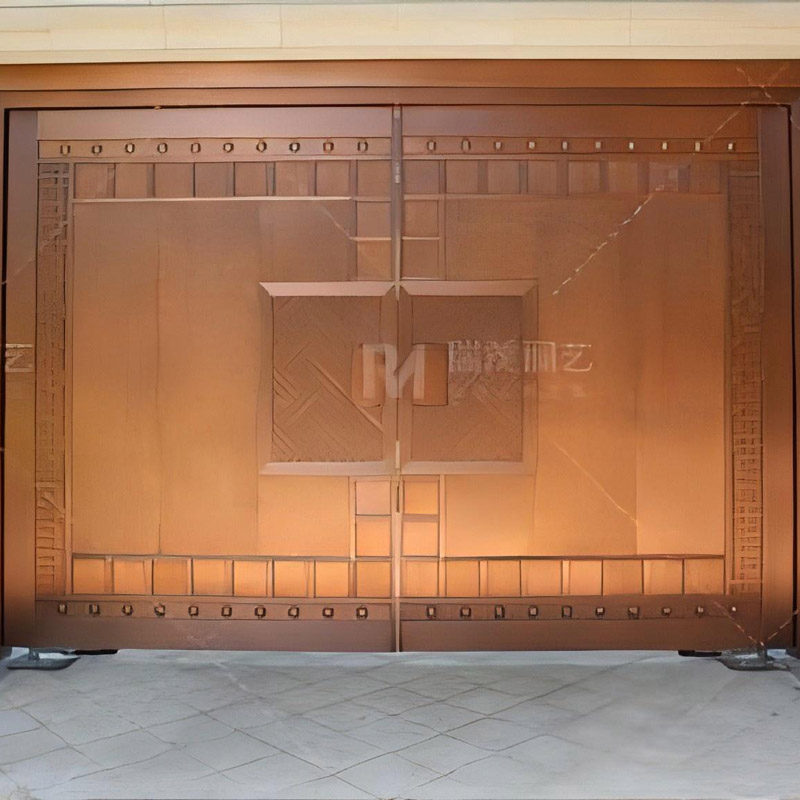 Xian Ziyingtai Artisan Copper Courtyard Gate
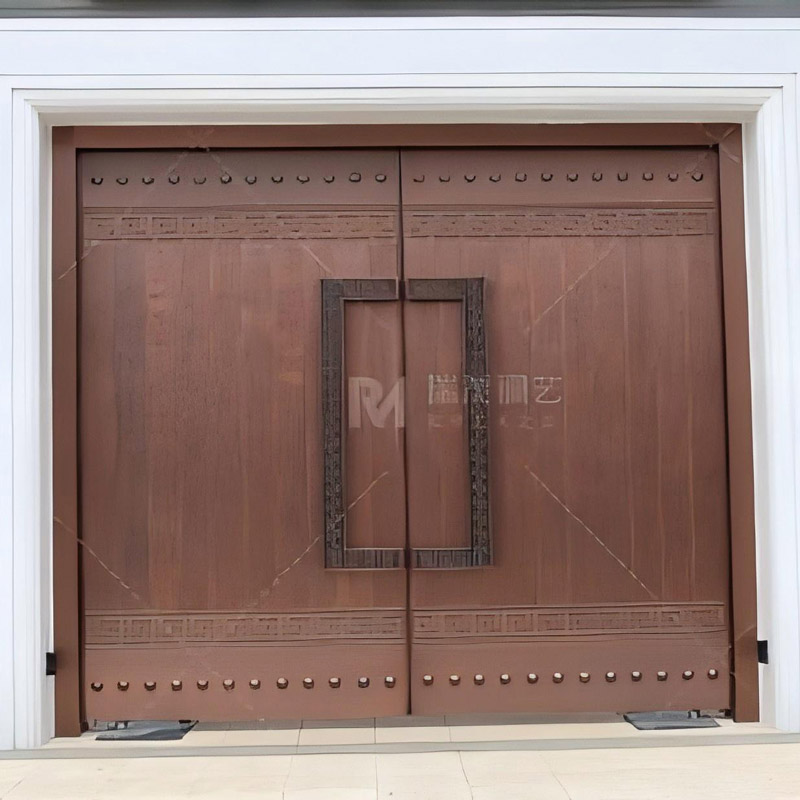 Exquisite Copper Gate of Qianshan Mansion
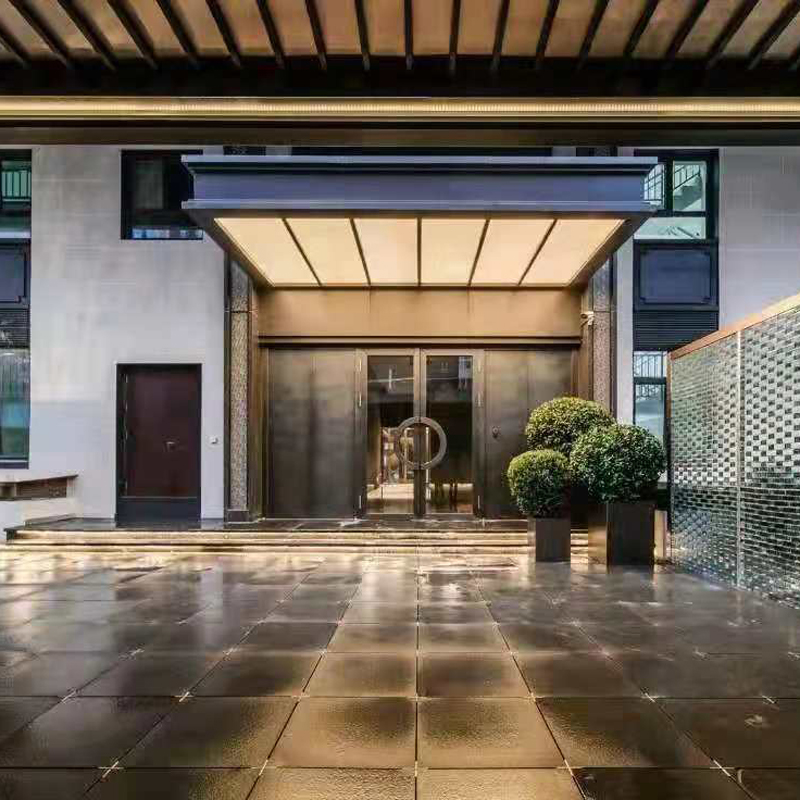 Copper Canopy, Quality Weather Shield
 Ancient Charm Copper Carving, Inheritance Of The Millennium Craftsmanship
 Copper Art In The Garden, Lighting Up The Beauty Of Nature
 Copper Goodies, Indoor Art Show
 Exquisite Copper Partition, Screen Shows Style
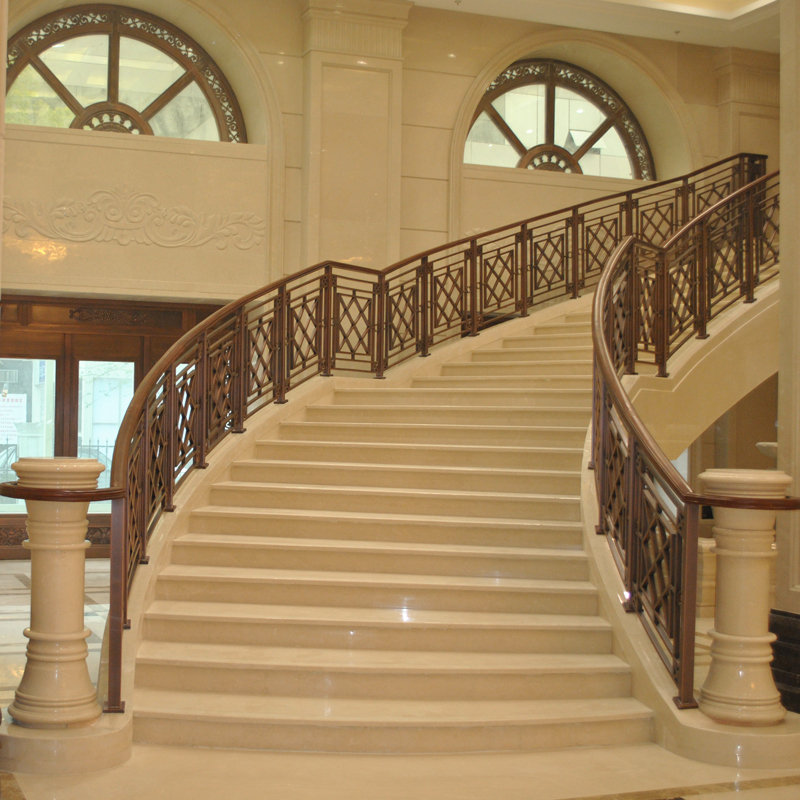 Indoor Copper Balustrade, a New Height Of Elegance
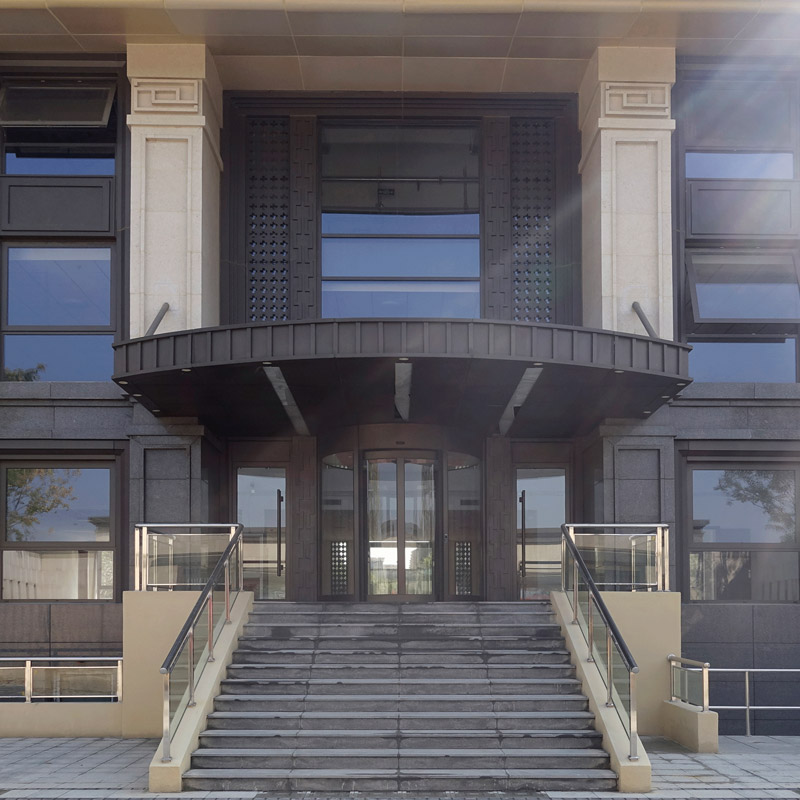 Artisan Copper Revolving Elegance Door