Leave Your Message
0%

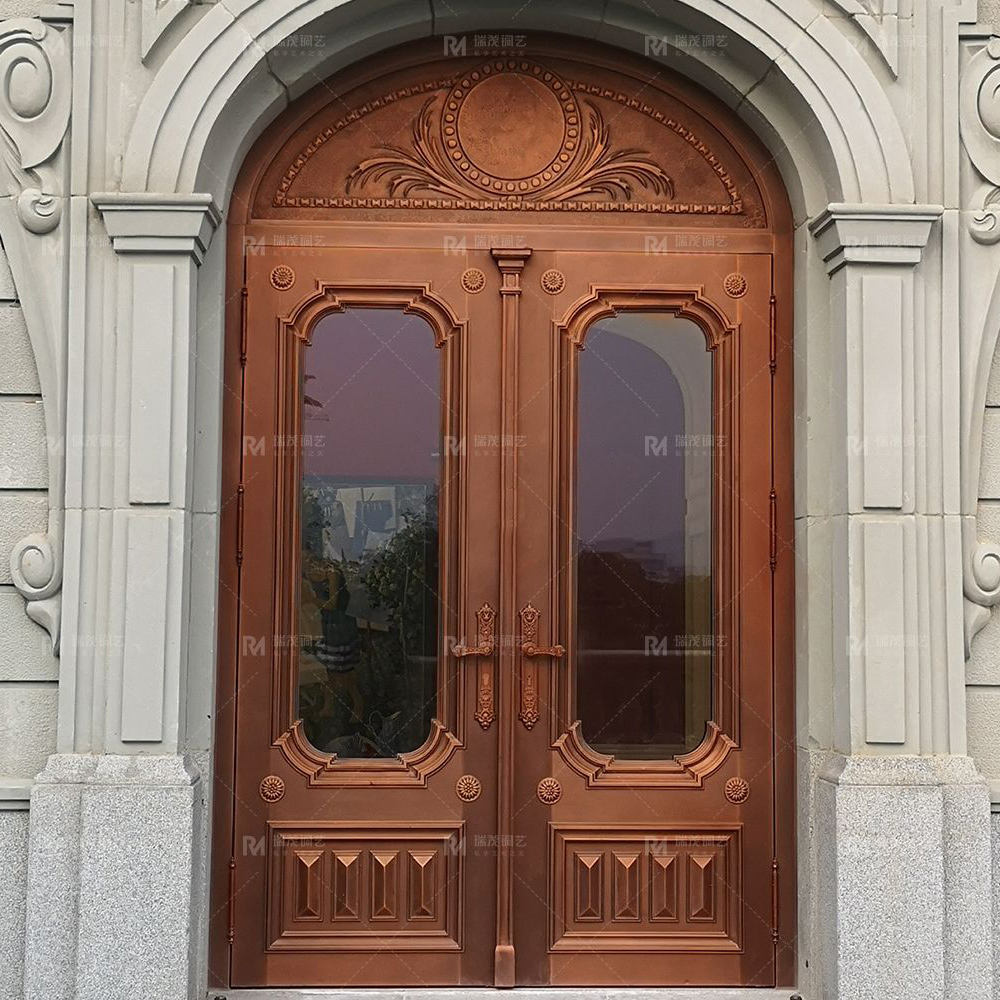
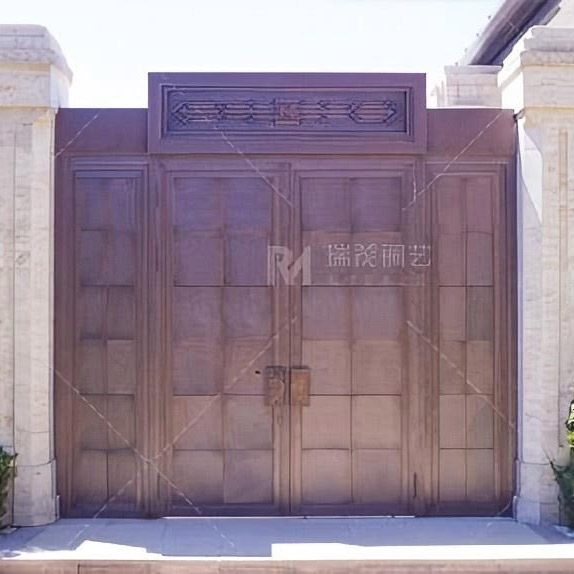
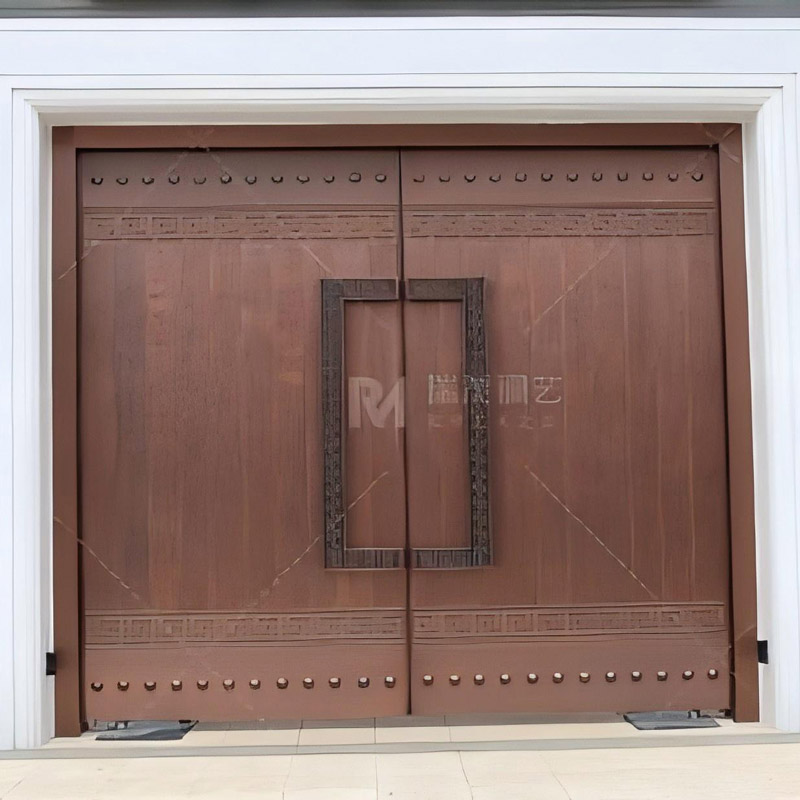
So, when you're choosing a China Top Glass Copper Door manufacturer or supplier, it’s not just about comparing catalog prices. You need a partner who actually understands how copper, glass, hardware, and installation all come together. And honestly? The tiny details matter. A visible weld, uneven patina, or a weak hinge can undermine an otherwise stunning entrance.

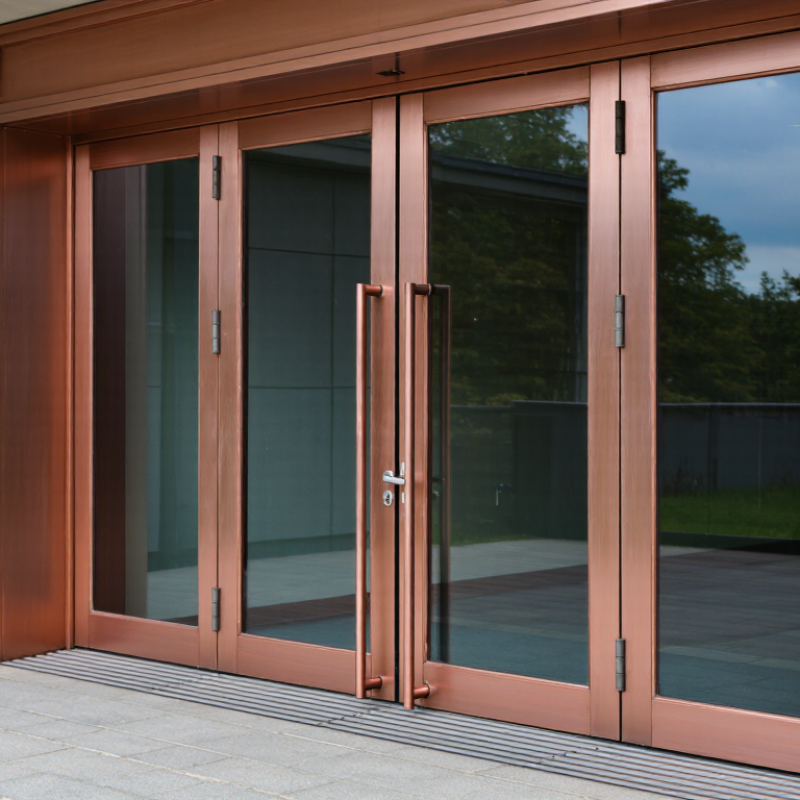
Elena Brooks, an architectural materials consultant, has a pretty practical reminder for us: “A beautiful door still has to close cleanly, drain safely, and age honestly.” And honestly? That view says a lot about what actually matters on real projects. If you’re dealing with a premium Glass Copper Door, the copper sheets need to be accurately formed, the surfaces properly treated, and the glass should be safety glass that’s right for the opening. The frame also has to stay stable through all that daily use—repeated opening and closing, day after day. And the hardware? It should feel smooth in the hand, not just look expensive.

So, this guide is basically a comparison of Chinese manufacturers and suppliers — looking at things like experience, technical know-how, authority, and reliability. We dig into factory capabilities, material traceability, sample control, finishing consistency, packaging, and how well they communicate after-sales. Some companies are really good at custom copper work. Others do better with standardized Glass Copper Door systems. And honestly, that difference matters.

Look, our comparison isn't perfect—and I'll be the first to admit it. Product quality can shift from batch to batch, and even great photos can't really prove how something will hold up long term. That's worth being honest about. Before buyers place an order, they should ask for drawings, physical samples, test documents, and a clear production schedule. A lower quote might look tempting, but hidden changes can end up driving up installation costs later. A good Chinese supplier? They should be upfront about any limitations, give you concrete, measurable answers when you ask questions, and stick with the door even after it’s shipped. Honestly, that’s what turns a decorative entrance into a dependable architectural product.

China Top Glass Copper Door Manufacturer or Supplier?

Glass Copper Doors in China: 6–12 mm Glass and Core Components

China Top Glass Copper Door Manufacturer or Supplier?

Glass copper doors combine visual warmth with demanding engineering. In practical projects, 6 mm glass suits lighter interior panels. Exterior Villa Glass Copper Door systems often use 8–12 mm tempered or laminated glass. Thickness alone does not guarantee safety. Glass type, edge finishing, panel size, and hardware loads matter more than appearance.

Copper usually works as a decorative outer skin, not the structural core. A reliable door may include an aluminum or galvanized-steel frame, a honeycomb or mineral core, stainless-steel hinges, and EPDM perimeter seals. These parts control stiffness, alignment, noise, and moisture resistance. Factory inspection should verify glass thickness, copper sheet consistency, weld quality, hinge capacity, and surface protection. Small gaps around the frame can become obvious after installation.

The 2023 UNEP Global Status Report for Buildings and Construction states that buildings consume about 34% of global energy demand. Poorly sealed entrances increase avoidable heat transfer. Low-emissivity laminated glass and continuous seals can improve comfort, but performance depends on accurate installation. One recurring mistake is choosing 12 mm glass without checking total door weight. It may overload hinges and create uneven closing. A better specification records opening dimensions, glass configuration, core material, copper finish, and tested hardware performance. The details are not glamorous. They decide durability.

Manufacturing Process: Copper Forming, CNC Work, Welding, and Finishing

China Top Glass Copper Door Manufacturer or Supplier?

A reliable glass copper door supplier should show the process, not only polished photographs. Copper forming starts with measured sheets, accurate bending, and controlled edge preparation. Skilled workers check each corner because small deviations can affect glass alignment. CNC work then creates clean hinge pockets, handle openings, and decorative grooves. The USGS Mineral Commodity Summaries 2024 estimated 22 million metric tons of mined copper production in 2023. This large supply does not guarantee consistent architectural quality. Material traceability still matters.

Welding requires careful heat control. Excessive heat can distort frames and leave visible discoloration near joints. Experienced fabricators use suitable copper alloys, controlled welding sequences, and repeated dimensional checks. Glass installation follows after the frame cools and receives inspection. Finishing may include brushing, polishing, chemical patination, or protective coating. The International Copper Study Group continues to report strong global copper demand, yet finish durability depends more on preparation than on copper volume. A practical weakness remains: handcrafted surfaces can vary slightly between production batches. That variation should be discussed before approval.

Tips: Request copper grade records, CNC tolerance data, weld photographs, and coating test results. Ask for sample corners, not just full-door images. Confirm glass thickness, hardware load ratings, and ASTM E330/E330M performance testing when exterior use is expected. One overlooked detail can become expensive.

Copper Door Manufacturing Process: Typical Production Time

This chart presents a practical planning reference for the main manufacturing stages of a custom copper door. Forming and finishing generally require the most time because they involve shaping, surface preparation, patination or coating, and detailed quality inspection. Actual production time varies according to door size, copper thickness, design complexity, hardware, and finish requirements.

Safety Standards: EN 12150 Tempered Glass and ANSI Z97.1 Impact Tests

China Top Glass Copper Door Manufacturer or Supplier?

For a copper door, glass safety begins with documented testing, not appearance. EN 12150-1 classifies thermally toughened soda-lime glass through fragmentation, mechanical strength, and thermal durability requirements. Its technical data commonly recognizes a bending strength near 120 MPa for fully toughened glass. That figure is useful, but it is not a promise of unlimited impact resistance.

ANSI Z97.1 adds practical impact testing. Its test tables use 100 foot-pounds for Class A glazing and 150 foot-pounds for Class B glazing. These tests examine breakage behavior after a controlled impact. A compliant supplier should provide the test class, glass thickness, heat-treatment records, and certificate traceability. Ask for the actual report.

Copper doors need extra attention at the glass edge. Tight rebates, uneven gaskets, or concealed metal pressure can create stress points. In site inspections, small chips near corners deserve rejection. They may grow after temperature changes. This is easy to underestimate.

A reliable China-based manufacturer or supplier should match the specification to the installation environment. The report should identify glass type, dimensions, batch number, and test method. EN 12150 and ANSI Z97.1 are not interchangeable certificates. We have seen specifications that cite both standards without completing either test. That shortcut needs correction. Safety paperwork must follow the exact door assembly, not only the glass sheet.

Manufacturer vs Supplier: MOQ, Lead Time, Capacity, and Factory Evidence

Choosing a China top glass copper door manufacturer or supplier requires more than comparing catalog photos. For a Metal Glass Door project, I check the business model first. A manufacturer usually controls fabrication, while a supplier may coordinate several factories. This affects MOQ, lead time, customization, and accountability.

MOQ needs careful discussion. Some factories accept one prototype but require higher quantities for production. Ask whether the MOQ applies to one design, one finish, or the full order. Lead time should include drawing approval, copper preparation, glass processing, assembly, and inspection. A quoted “20 days” may exclude holiday delays or design changes. Capacity also matters. Request monthly output for similar doors, not general claims. A small workshop may deliver excellent samples but struggle with a large hotel order.

Factory evidence is more useful than polished promises. Request a live video tour, production photos with current dates, and sample inspection records. Check whether welding, polishing, glass fitting, and packaging happen at the same site. I have found that details often reveal more than brochures. Still, factory visits can be staged, and documents may be incomplete. That is a weakness worth admitting. Use a paid sample, approved drawings, material specifications, and staged inspections to reduce uncertainty. Ask for clear responses about rejected pieces, replacement timing, and packing damage. The best partner is not always the largest one. It is the one whose capacity, process, and commitments remain consistent.

Cost Analysis: Copper Grade, Glass Area, Hardware, Finish, and Waste

A China top glass copper door manufacturer or supplier should explain cost by material, not vague package prices. Copper grade changes both strength and budget.Pure Copper costs more than copper alloy, while recycled content may affect color consistency. Ask for the stated composition and a physical sample.

Glass area also matters. A larger panel increases glass cost, crate size, and handling time. Tempered or laminated glass usually costs more than standard glass. Hardware adds another layer. Hinges, locks, pull handles, and floor springs must match the door weight. A heavy Metal Frame Glass Door needs properly rated hardware, not decorative fittings.

Finish costs depend on preparation and coating layers. Brushed, polished, antique, and patinated surfaces require different labor. Small color differences can appear between samples and finished panels. This deserves written approval. Waste should be visible in the quotation. Copper sheets need cutting margins, and glass requires edge trimming. In one early estimate, our waste allowance was too low. The final price rose after remaking a scratched panel. A reliable supplier should show material thickness, glass specifications, hardware grades, finish samples, packing details, and the waste percentage. Vague numbers create expensive surprises.

Quality Audit: Thickness Tolerances, Coating Tests, Packaging, and Warranty

China Top Glass Copper Door Manufacturer or Supplier?

Choosing a glass copper door manufacturer or supplier requires evidence, not polished photos. During factory audits, I measure copper sheets and glass panels at several points. A digital micrometer records actual thickness, while calipers check frame joints. Published dimensions are only starting data. Ask for tolerance charts, batch records, and signed inspection reports. For example, a 1.0 mm copper sheet should not quietly arrive at 0.8 mm. Small deviations can affect hinges, alignment, and surface life. I have seen attractive samples fail at this stage.

Coating quality needs practical testing. Inspect color consistency under daylight and cool white light. Run adhesion tests on concealed areas, then check hardness and abrasion resistance. Salt spray results can help, but they do not replace field judgment. Look for exposed edges, pinholes, and uneven corners. Glass should be checked for thickness, edge finishing, clarity, and safe handling marks. Ask who performed each test and when. Missing records are a warning. I would still request a repeat test; one report can be wrong.

Tips: Photograph every packed unit before closing the crate. Use corner guards, moisture barriers, shock indicators, and separated glass supports. Packaging should prevent copper scratches and glass movement during lifting. The warranty must state coverage, exclusions, response time, and replacement procedures. Vague promises create delays. Require a written remedy.

China Top Glass Copper Door Manufacturer or Supplier? - Quality Audit: Thickness Tolerances, Coating Tests, Packaging, and Warranty

Supplier-neutral quality audit matrix for glass-and-copper entrance door production

Audit Area Quality Dimension Reference Requirement or Test Method Target / Acceptance Criteria Illustrative Audit Result Status Recommended Evidence
Glass Glass type and safety classification Safety glazing documentation; applicable local building-code requirements Tempered or laminated safety glass specified on the approved drawing; traceable heat-soak or lamination records where required 10 mm tempered clear glass identified on the production drawing; heat-treatment batch record available Pass Approved drawing, glass certificate, batch identification
Glass Glass thickness Digital micrometer measurement at a minimum of four points away from the edge Nominal 10.0 mm; measured thickness normally within approximately ±0.3 mm, subject to the agreed glass standard and purchase specification Measured range: 9.8–10.2 mm; average: 10.0 mm Pass Calibration certificate and inspection report
Glass Glass panel dimensions Steel rule or calibrated tape measurement against approved shop drawing Length and width tolerance: ±1.5 mm for typical door panels, unless a tighter project tolerance is agreed Largest deviation recorded: +1.1 mm on width; +0.9 mm on height Pass Dimension inspection sheet and marked-up drawing
Glass Visual quality and edge condition Inspection under diffuse light from approximately 1 m viewing distance No visible cracks, chips, deep scratches, delamination, or edge damage; minor optical distortion must remain within the agreed sample standard No cracks or delamination observed; two minor edge handling marks rejected and replaced Pass Pre-shipment photographs and nonconformance log
Copper Finish Copper sheet or cladding thickness Micrometer measurement at corners, center, and representative flat areas Nominal 1.0 mm copper cladding; tolerance typically ±0.05 mm where specified in the purchase order Measured range: 0.97–1.03 mm; average: 1.00 mm Pass Incoming-material inspection report and mill certificate
Copper Finish Coating thickness Non-destructive dry-film thickness gauge after curing and before protective wrapping Clear protective coating: 25–40 μm, or the approved project specification; readings must be reasonably uniform Readings: 29–35 μm across eight test points; no exposed copper on test areas Pass Gauge calibration record and coating inspection map
Copper Finish Cross-hatch adhesion ISO 2409 or ASTM D3359, performed on a representative coated coupon or approved test area Coating adhesion grade equivalent to ISO 2409 Class 0–1, or ASTM D3359 4B–5B, depending on the specified system Result: ISO 2409 Class 1; detached area below the agreed acceptance limit Pass Test photographs, coating batch record, laboratory report
Copper Finish Hardness and scratch resistance Pencil hardness or project-specific surface-resistance test Minimum HB or the approved coating-system requirement; no visible substrate exposure under the agreed test load Result: H pencil resistance; no substrate exposure under the specified test condition Pass Coating technical data sheet and test record
Copper Finish Corrosion resistance Neutral salt spray test to ISO 9227 or ASTM B117 when required by project conditions Typical benchmark: 240 hours with no blistering or red-rust breakthrough on the specified exposed area; final requirement must be contract-defined 240-hour report available; no red-rust breakthrough recorded on the test coupon Pass Independent or calibrated laboratory report
Door Assembly Frame and leaf squareness Diagonal measurement and calibrated angle or fixture inspection Difference between diagonals no greater than 2.0 mm for a typical single door, unless the approved drawing states otherwise Diagonal difference: 1.4 mm on the inspected door leaf Pass Final assembly inspection sheet
Door Assembly Hinge, lock, and hardware operation Manual operating cycle and alignment check with the door installed in the inspection fixture Door opens and closes without binding; lock engages fully; hardware remains aligned after repeated operation 25 opening-and-closing cycles completed; no binding or incomplete latch engagement Pass Functional test checklist and hardware schedule
Door Assembly Gasket and seal continuity Visual inspection, compression check, and light-leak check where applicable Continuous gasket contact at corners and joints; no visible gaps, cuts, or excessive compression Continuous seal confirmed; corner joint compression consistent with the approved sample Pass Assembly photographs and installation instructions
Packaging Glass protection Pre-loading packaging inspection Glass separated from metal using non-abrasive pads; corners protected; no direct contact between glass and copper or hardware Foam edge guards and corner protectors installed; protective film applied to exposed finished surfaces Pass Packaging photographs and packing list
Packaging Moisture and corrosion protection Container-loading and export-packaging inspection Dry packaging materials; desiccant included where required; ventilation and moisture-control instructions supplied Desiccant bags included; moisture barrier used; no condensation or surface corrosion observed before loading Pass Container-loading record and photographs
Packaging Crate strength and identification Packaging specification and visual inspection before dispatch Rigid export crate or approved reinforced carton; lifting points and orientation clearly marked; product identification traceable to packing list Reinforced wooden crate used; gross weight and handling marks shown; package numbers matched the packing list Pass Packing list, crate photographs, shipping marks
Documentation Traceability and quality records Document review before shipment Purchase order, approved drawing, material records, inspection report, packing list, and installation instructions are cross-referenced All core documents cross-referenced by purchase-order and package number Pass Document register and final quality dossier
Warranty Structural and manufacturing warranty Review of written warranty terms, exclusions, claim procedure, and response time Written coverage should define the warranty period, covered defects, installation responsibilities, finish exclusions, spare-part process, and remedy Proposed commercial benchmark: 12 months from delivery or 12 months from installation, whichever occurs first; terms require contract confirmation Conditional Signed warranty document and after-sales contact procedure
Warranty Finish warranty and maintenance conditions Coating technical data sheet and maintenance instructions Warranty must state cleaning chemicals, coastal or high-humidity limitations, required maintenance frequency, and exclusions for scratches or unauthorized modifications Maintenance instructions available; coastal exposure limitations and cleaning requirements require written confirmation Conditional Finish-care guide, warranty exclusions, maintenance schedule

Audit note: Acceptance limits should be finalized in the purchase order, approved shop drawings, applicable building codes, and the selected coating system’s technical data sheet. Sample results shown here are supplier-neutral audit benchmarks and must be verified against actual production records before approval.

Export Checks: HS Codes, Incoterms, Inspection Reports, and Delivery Records

China Top Glass Copper Door Manufacturer or Supplier?

Choosing a Metal And Glass Front Door requires more than comparing photos and quoted prices. In export reviews, I check the product description, copper content, glass type, frame structure, and intended use. The HS code should match the actual door, not a convenient guess. Classification may depend on materials and construction, so the buyer should confirm it with a customs broker. Small wording errors can delay clearance.

Incoterms must appear beside the price. FOB, CIF, and DAP create different responsibilities for freight, insurance, unloading, and import procedures. Ask for a proforma invoice showing dimensions, gross weight, package count, and delivery location. A professional supplier should explain these details without avoiding difficult questions. Sometimes the first quotation is incomplete. That deserves correction.

Inspection reports should include door measurements, surface finish, hinge operation, glass condition, lock testing, and packaging photos. I prefer reports linked to the exact order number. Request carton labels and moisture protection details before shipment. Delivery records provide another layer of evidence, including booking dates, loading photographs, container numbers, and signed receiving documents. Keep them together with payment and inspection files. A late shipment is not automatically a failed supplier, but repeated unexplained delays are a serious warning. Clear records reveal patterns that polished sales language may hide.

FAQS

What does EN 12150-1 evaluate for tempered glass?

It evaluates fragmentation, mechanical strength, and thermal durability. Fully toughened glass may show bending strength near 120 MPa. This does not mean unlimited impact resistance.

How does ANSI Z97.1 test impact performance?

Its controlled impact tables use 100 foot-pounds for Class A glazing. Class B glazing uses 150 foot-pounds. Ask for the actual test report.

Why do glass edges need special attention?

Tight rebates, uneven gaskets, or metal pressure can stress the edges. Reject panels with chips near corners. Small damage may grow during temperature changes.

What documents should a supplier provide?

Request glass type, thickness, dimensions, batch number, test method, and heat-treatment records. Certificates should be traceable to the door assembly. Two cited standards do not prove two completed tests.

Which factors affect the door’s final cost?

Copper composition, glass area, glass type, hardware, finish, packaging, and waste all affect pricing. Larger panels need larger crates and more handling. Vague package prices hide expensive details.

How can copper and glass quality be checked?

Measure copper sheets at several points with a digital micrometer. Check frame joints with calipers. Inspect glass thickness, edge finishing, clarity, and handling marks.Measure more than once.

What coating tests are useful?

Check color under daylight and cool white light. Test adhesion on concealed areas. Review hardness, abrasion resistance, exposed edges, pinholes, and uneven corners. One report can be wrong.

What packaging details protect the finished door?

Use corner guards, moisture barriers, shock indicators, and separate glass supports. Photograph each packed unit before closing the crate. Packaging should stop scratches and glass movement during lifting.

What should a written warranty include?

It should state coverage, exclusions, response time, and replacement procedures. Require a clear remedy for defects. Vague promises create delays, and our assumptions may still miss site conditions.

Conclusion

Choosing a reliable China manufacturer or supplier for a Glass Copper Door requires more than comparing prices. A complete evaluation should cover 6–12 mm glass options, copper grade, forming methods, CNC precision, welding quality, surface finishing, hardware, and production capacity. Safety is also essential, with tempered glass evaluated against EN 12150 and impact performance checked according to ANSI Z97.1. Buyers should confirm whether the company is a true manufacturer or a trading supplier by reviewing factory evidence, minimum order quantities, lead times, equipment, and quality-control procedures.

A practical cost analysis should include glass area, copper consumption, hardware, coating or finish, labor, and material waste. Quality audits should verify thickness tolerances, coating adhesion, packaging strength, warranty terms, and inspection records. For export orders, buyers should also confirm HS codes, Incoterms, shipping documentation, delivery history, and independent inspection reports. These checks help reduce risk and ensure the finished door meets design, safety, durability, and international delivery requirements.

Lila

Lila

Lila is a dedicated marketing professional with a deep expertise in the traditional forging, chisel engraving, and copper casting processes. With a strong background in research and development, she plays a crucial role in the design, production, and sales of her company's exceptional products.......
Previous 2026 Best Copper Door Types for Global Buyers?