Leave Your Message
0%

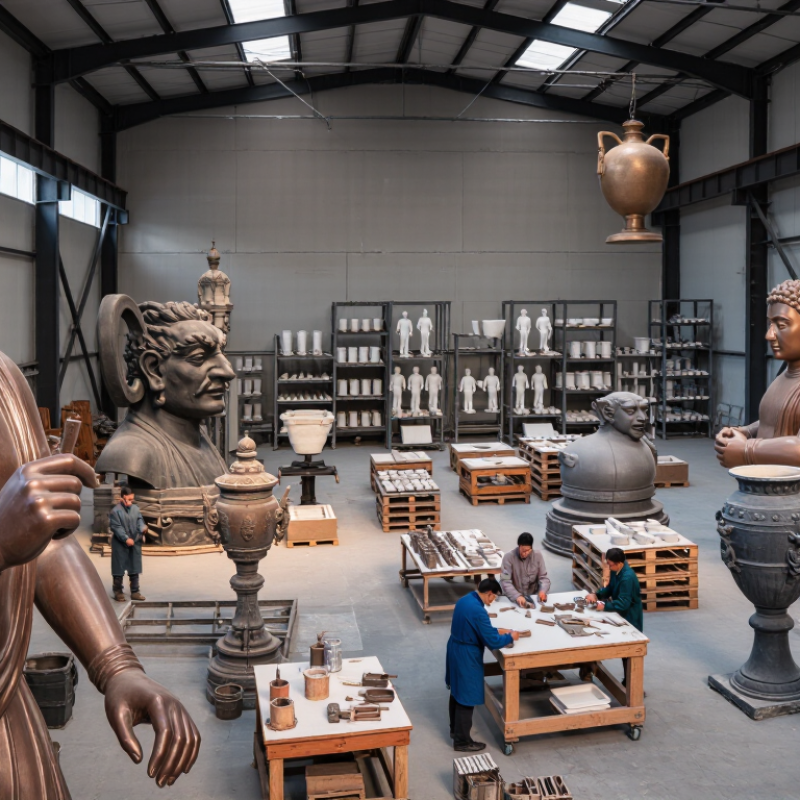
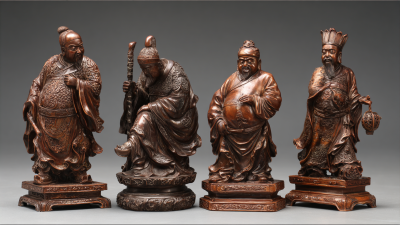
China’s bronze craft is this interesting mix of old-school modeling traditions and very modern foundry control. In this guide, I’m introducing ten Chinese manufacturers that make Bronze Antique Statues for collectors, museums, hotels, and heritage-inspired interiors.

The picks here lean on workshop experience, casting methods, surface finishing, customization, and export communication. Basically, we look at whether each manufacturer can actually explain its clay modeling, wax prep, ceramic shell, casting, chasing, and patination steps. Clear material descriptions matter. So do realistic production timelines, inspection photos, and written warranty terms.

Auguste Rodin once said, “Sculpture is the art of the hole and the lump.” That still feels true for bronze production today. A convincing statue comes down to proportion, negative space, tool marks, and controlled surface variation. Experienced workshops should be able to show these things through finished examples and process evidence.

This overview also looks at design reproduction, historical styling, outdoor durability, and packing standards. Buyers should ask for alloy specs, dimensions, weight, sample approval, and corrosion guidance. Bronze Antique Statues can look pretty similar online, but quality can differ a lot beneath the patina. A polished photo proves almost nothing.

No ranking is perfect. Some workshop info is still hard to verify remotely, and that limitation deserves attention. The strongest manufacturers usually welcome technical questions and provide consistent documentation. They also make a clear distinction between handcrafted work and mass-produced copies.

Before ordering, compare portfolios, factory records, communication quality, and after-sales support. For valuable commissions, independent inspection may be sensible. This guide is a practical starting point, not a substitute for careful verification.

China Top 10 Bronze Antique Statues Manufacturers?

What Defines a Leading Bronze Antique Statue Manufacturer in China

A leading bronze antique statue manufacturer in China is defined by more than a polished catalogue. The real test begins in the workshop, where artisans inspect clay models, wax channels, and furnace temperatures by hand and instrument. Experienced teams understand how small changes affect patina, weight, and surface texture. They can explain why a crisp fold needs different chasing than a weathered face. That practical knowledge cannot be copied from a product sheet. Good craftsmanship shows in details.

Reliable production also depends on documented materials and repeatable quality control. The manufacturer should identify alloy composition, molding methods, dimensions, and finishing stages before production starts. Samples should be approved against drawings, photographs, or agreed references. A responsible team checks for porosity, weak joints, uneven patina, and unstable bases. It also packs heavy sculptures with measured protection, not guesswork. Mistakes still happen. Not every first casting is perfect. What matters is transparent correction, clear records, and realistic delivery communication.

Professional authority grows through evidence rather than loud claims. Buyers should look for installation records, workshop photographs, material reports, and references from completed projects. Conservation knowledge is valuable when a statue will stand outdoors or in a humid gallery. Finishes should age predictably, with cleaning instructions provided. A strong manufacturer respects cultural context and verifies lawful sourcing for historical designs or recovered materials. Even skilled makers can misjudge color under changing light. That limitation deserves discussion, not concealment.

Key Materials and Traditional Techniques Used in Bronze Statue Production

In China’s bronze statue industry, material selection strongly affects strength, color, and surface detail. Many workshops use silicon bronze or tin bronze because these alloys cast well and resist outdoor corrosion. Copper may appear in decorative layers, while small amounts of zinc can improve fluidity. Reliable manufacturers should provide alloy information and explain how each material suits the statue’s location.

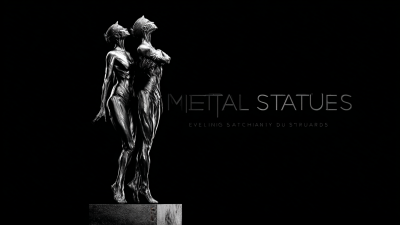
Traditional lost-wax casting remains important for detailed Metal Statues. Artisans shape a clay model, cover it with wax, and build a heat-resistant shell around it. Heating removes the wax and leaves a hollow mold. Molten bronze then fills the cavity.

The process sounds simple. It is not. Temperature control, wall thickness, and cooling speed can all create cracks or hidden weakness. Skilled workers inspect the casting before chasing, welding, and hand-polishing the surface.

Surface finishing gives bronze its character.

Craftspeople use chisels and abrasive tools to sharpen facial lines, clothing folds, and small ornaments. They may apply liver-of-sulfur, nitrate, or other controlled patinas for brown, green, or near-black tones. Wax sealing helps protect the finish.

In practical quality checks, I would examine weld marks, uneven patina, and water-trapping recesses. A flawless appearance can still hide poor drainage. Some natural color variation is acceptable, and perhaps even desirable, but inconsistent finishing deserves careful questioning.

How China’s Top Ten Bronze Antique Statue Manufacturers Are Selected

Selecting China’s top ten bronze antique statue manufacturers requires more than showroom photographs. The process begins with verifiable workshop evidence, product samples, and documented export experience. The 2023 World Casting Production Report recorded about 109.7 million metric tons of global castings in 2022. China contributed roughly 51.9 million tons. This scale shows industrial capacity, not antique craftsmanship. A shortlist must separate mass production from controlled artistic work. Evaluators inspect wax modeling, mold preparation, alloy records, chasing, patina tests, and packing procedures. Bronze Castings should show clean seams, stable weight, readable surface detail, and consistent color under neutral light. Small flaws matter. They reveal process discipline.

Each candidate receives scores for technical skill, material transparency, quality control, communication, and after-sales reliability. ISO 9001 certification offers useful evidence, but it cannot replace physical inspection or independent references. The selection team compares dated workshop videos, inspection photographs, sample measurements, and client feedback. It also checks whether claims match production capacity and delivery records. A manufacturer with fewer machines may rank higher when artisans document every finishing stage. That judgment is partly subjective. Patina preferences differ between collectors, museums, and interior projects. Even experienced reviewers can overvalue polished photography. Repeat sampling and third-party inspection should therefore influence the final ten more than advertising language.

Profiles of Ten Notable Chinese Bronze Antique Statue Manufacturers

China’s bronze statue sector includes many specialized manufacturers rather than one uniform market. Ten notable profiles can be grouped by workshop strengths. One focuses on traditional lost-wax casting. Another produces small altar figures with crisp facial details. A third handles museum-style replicas with documented dimensions. A fourth is known for hand-chased surfaces and controlled patina. A fifth makes large outdoor sculptures with reinforced cores. A sixth serves interior designers with compact decorative pieces. A seventh specializes in custom historical figures for cultural venues. An eighth combines digital modeling with manual finishing. A ninth offers protective crates and moisture control for overseas shipping. The tenth develops contemporary forms inspired by ancient Chinese motifs.

Quality varies noticeably. Experienced buyers should inspect alloy information, casting seams, surface consistency, and repair marks. A credible manufacturer explains its process clearly. It should also label reproductions honestly and provide invoices, material records, and export documentation when required. Photographs can mislead. A bronze surface may look warmer online than it appears under natural light. Some workshops also overstate age or historical connection. That issue deserves careful questioning.

Tips: Request close-up videos before ordering. Compare the statue’s weight with its listed dimensions. Ask whether the patina is chemical, heat-treated, or naturally aged. Confirm packaging details and liability terms in writing. If possible, use an independent conservator for valuable purchases. Even skilled inspection has limits. A beautiful finish does not prove historical authenticity.

Quality Standards, Craftsmanship, and Authenticity Verification

China’s top 10 bronze antique statue manufacturers should be judged by evidence, not attractive catalogs. A reliable workshop explains its alloy composition, casting method, patination process, and inspection records. Ask for close photographs of tool marks, seams, and surface transitions. These details often reveal whether a Cast Bronze Statue was carefully finished or merely aged to look old.

Experienced buyers should request material certificates, production samples, and written size tolerances. Reputable manufacturers can describe lost-wax casting, hand chasing, welding repairs, and controlled chemical patination in clear language. They should also provide provenance documents when an object is presented as historically authentic. A new reproduction must be identified honestly. “Antique style” does not mean antique. Even skilled suppliers may have inconsistent documentation, so verification should remain independent and cautious.

Tips:
Compare the statue’s weight with its dimensions. Inspect the underside for hollow sections, repair lines, and uneven oxidation. Use a qualified appraiser for valuable pieces. Ask whether the patina changes naturally under gentle light. Do not rely on a certificate alone. Some certificates look convincing but contain vague dates, missing signatures, or no traceable issuer. A small flaw is not automatically a problem; handmade surfaces can vary. Still, unexplained repairs deserve attention before payment. My own preference is a workshop that admits limitations, keeps production records, and welcomes third-party inspection.

How to Compare and Choose a Reliable Bronze Statue Manufacturer

How to Compare and Choose a Reliable Bronze Statue Manufacturer

A reliable bronze statue manufacturer should prove its process, not merely show polished photographs. Request foundry images, alloy certificates, wax patterns, and inspection records. ASTM B584 covers copper-alloy sand castings, so ask whether the proposed bronze matches the required grade. This small detail matters.

Grand View Research reported continued growth in the global metal casting market, driven partly by construction and public art demand. Growth can attract inexperienced workshops. Compare at least three quotations, but examine what each includes. Check sculpture modeling, mold making, casting, chasing, patination, crating, and installation. Ask for measured tolerances and photographs of finished details, especially fingers, facial features, and thin edges. A good sample should feel solid, with an even patina and no visible repair scars.

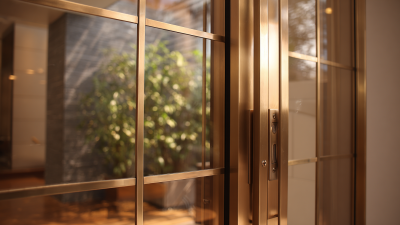
Delivery evidence also deserves attention. The World Bank’s 2023 Logistics Performance Index evaluated 139 economies, highlighting customs, tracking, and delivery reliability. Ask the manufacturer for a realistic production schedule and export packaging specification. Confirm moisture protection, shock control, and insurance responsibility. If your project combines sculpture with Antique Front Doors, compare surface finishes carefully; bronze tones can look mismatched under warm lighting. I would also request two recent client references. One reference is weak evidence. My own experience suggests that the cheapest offer often excludes final polishing or site support. Still, references can be selective. Verify them independently, and record every promise in the contract.

China Top 10 Bronze Antique Statues Manufacturers? - How to Compare and Choose a Reliable Bronze Statue Manufacturer

Rank Anonymous Manufacturer Profile Typical Production Region Core Craftsmanship Common Statue Size Customization Capability Typical Production Lead Time Quality Documentation to Request Export Readiness Indicative Reliability Score Best-Fit Buyer
1 Profile A
Large-Scale Foundry
Hebei and Northern China Lost-wax casting, sand casting, hand chasing, chemical patination 0.5–8 m outdoor statues High; supports original drawings, 3D files, maquettes and mold development 45–90 days after sample approval Material declaration, dimensional inspection, welding inspection and packing photos Strong; experienced with export crating and container loading ★★★★★ Public art projects, hotels, parks and municipal installations
2 Profile B
Traditional Sculpture Workshop
Shanxi and Northern China Hand-modeling, lost-wax casting, manual chasing and aged patina finishing 0.3–3 m indoor and garden statues High; especially suitable for historical and religious forms 35–75 days after design confirmation Wax pattern approval, casting photographs, surface-finish sample and final inspection report Moderate to strong; export experience should be verified by references ★★★★★ Museums, collectors, heritage-style interiors and private estates
3 Profile C
Architectural Art Manufacturer
Guangdong and Southern China Resin pattern making, lost-wax casting, section assembly and outdoor finishing 1–10 m architectural and landscape pieces High; capable of modular construction for oversized work 60–120 days for large or multi-section projects Section drawings, weld maps, installation instructions and corrosion-protection records Strong; commonly handles overseas project coordination ★★★★☆ Developers, architects, resorts and commercial landscaping contractors
4 Profile D
Mid-Sized Art Foundry
Sichuan and Southwest China Lost-wax casting, ceramic shell molding, hand chasing and color patina 0.4–4 m figurative statues High for figurative, animal and decorative sculpture 40–85 days depending on mold complexity Alloy specification, sample approval, casting inspection and finishing checklist Moderate; confirm export packaging and customs documentation before ordering ★★★★☆ Art dealers, interior designers and custom residential projects
5 Profile E
Garden and Landscape Specialist
Fujian and Southeast China Sand casting for large forms, lost-wax details and weather-resistant patination 0.8–6 m outdoor statues Medium to high; efficient for repeat designs and garden collections 30–70 days for standard designs Outdoor coating specification, wall-thickness check, drainage details and packing test Strong for containerized garden orders ★★★★☆ Landscape contractors, garden centers and hospitality projects
6 Profile F
Decorative Interior Sculpture Maker
Zhejiang and Eastern China Fine lost-wax casting, hand chasing, polishing and controlled indoor patina 0.2–2.5 m interior statues High for small and medium decorative pieces 25–60 days after approved prototype Surface sample, alloy declaration, dimensional report and scratch-protection packaging record Strong for smaller LCL and pallet shipments ★★★★☆ Interior designers, galleries, luxury residences and hospitality interiors
7 Profile G
Religious and Historical Sculpture Specialist
Henan and Central China Traditional modeling, lost-wax casting, hand chasing and antique-style finishing 0.5–5 m figures and ceremonial objects High; suitable for iconographic and historically styled commissions 45–100 days depending on research and approval stages Reference approval, proportion drawings, material declaration and patina sample Moderate; verify installation and export support for large works ★★★★☆ Temples, cultural institutions, museums and themed developments
8 Profile H
OEM and Repeat-Order Foundry
Jiangsu and Eastern China Pattern duplication, lost-wax casting, batch finishing and quality sampling 0.15–2 m repeatable product lines Medium to high; strongest for approved molds and repeat production 20–55 days for repeat orders Pre-production sample, batch inspection record, packing list and carton photographs Strong for wholesale and repeated export orders ★★★★☆ Wholesalers, retailers, online sellers and contract decorators
9 Profile I
Specialty Oversized Sculpture Fabricator
Shandong and Northern Coastal China Segmented casting, structural welding, internal reinforcement and site assembly 3–15 m monumental sculptures High; designed for transportable sections and on-site installation 90–180 days for engineering-intensive projects Structural drawings, lifting points, weld inspection, installation plan and maintenance guide Moderate to strong; project logistics must be agreed in writing ★★★★☆ Monument projects, public art, civic spaces and large resorts
10 Profile J
Small-Batch Artisan Foundry
Beijing and Northern China Hand-sculpting, lost-wax casting, detailed chasing and bespoke patina work 0.15–1.5 m collector and interior pieces Very high for one-off commissions and detail-sensitive work 40–90 days for custom pieces Approved wax or clay model, alloy confirmation, finish sample and final condition photographs Moderate; use an independent freight forwarder when necessary ★★★☆☆ Collectors, galleries, designers and one-of-a-kind commissions

Note: The profiles are anonymized comparison categories rather than disclosed company rankings. Before placing an order, verify the supplier’s legal registration, workshop capacity, alloy composition, reference projects, sample quality, inspection process, export documents, packaging method and written production schedule.

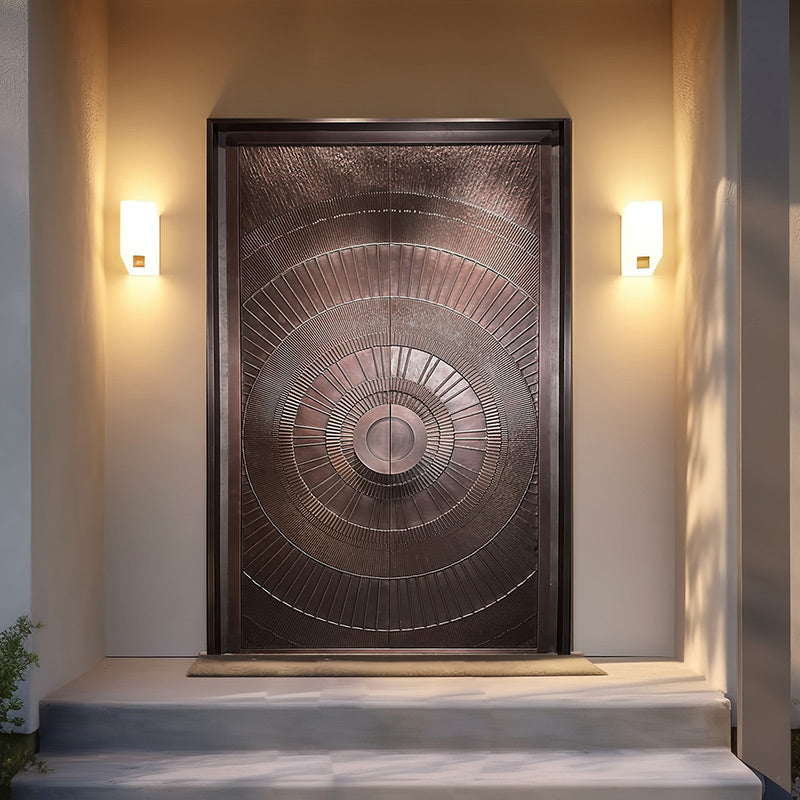
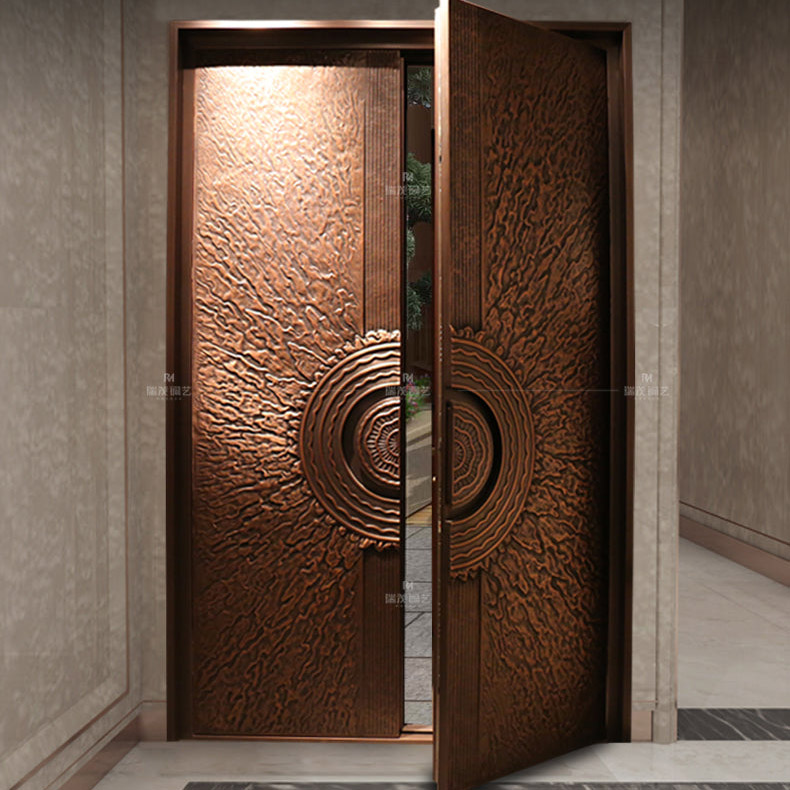
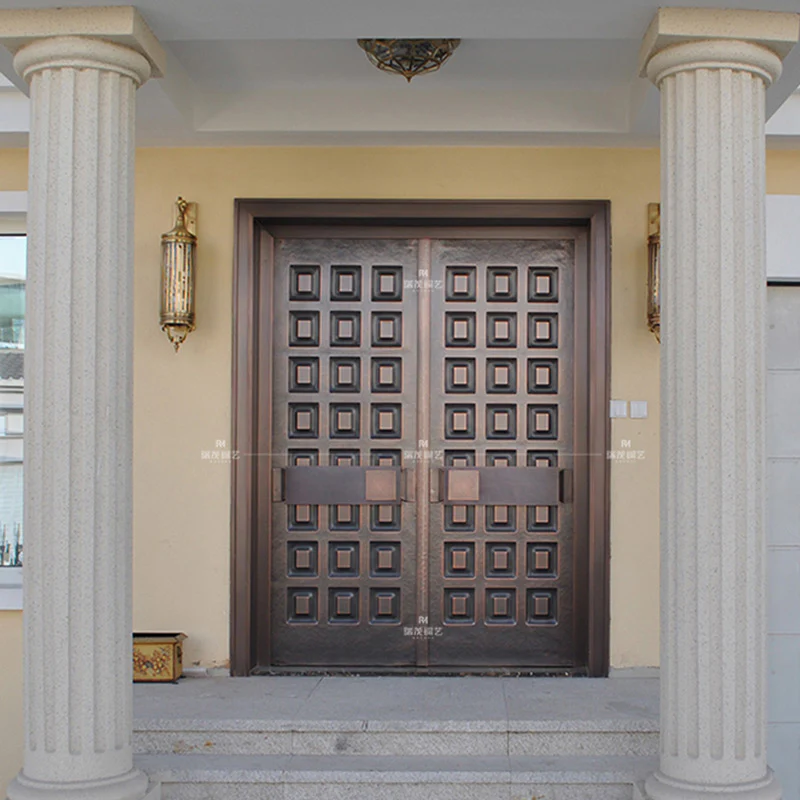
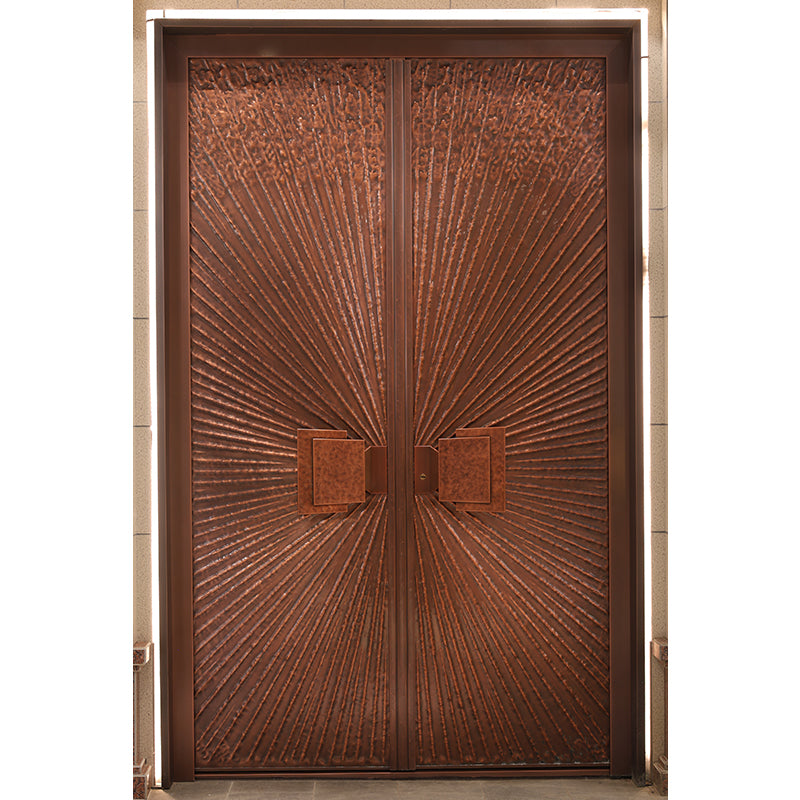
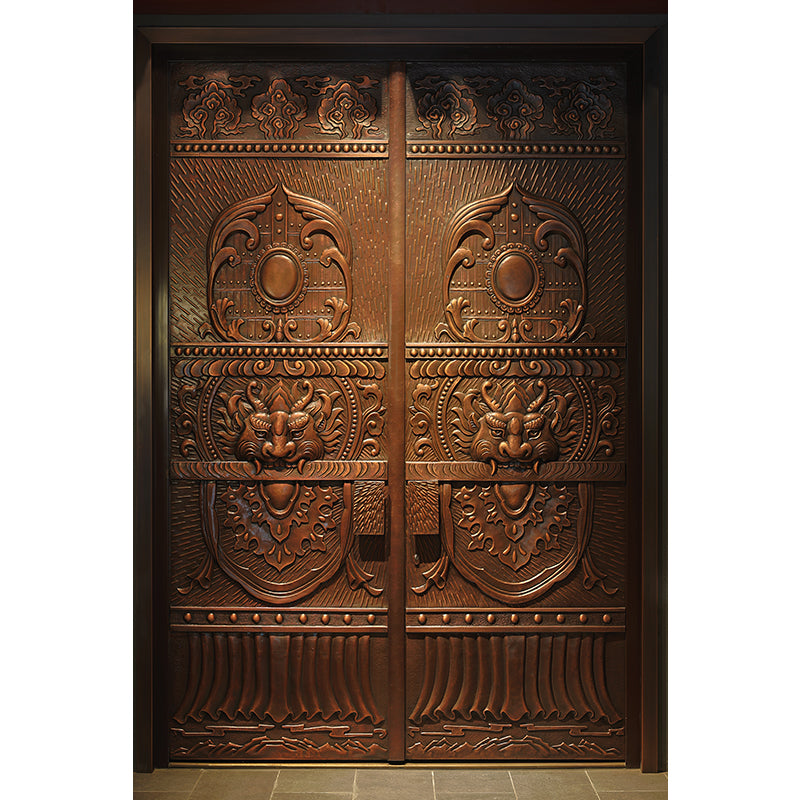
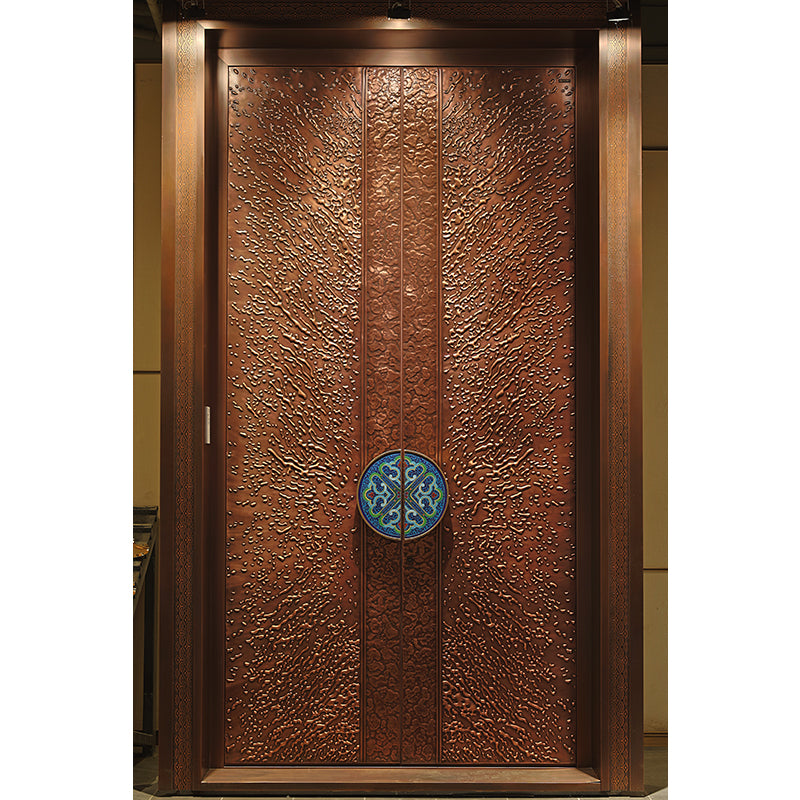
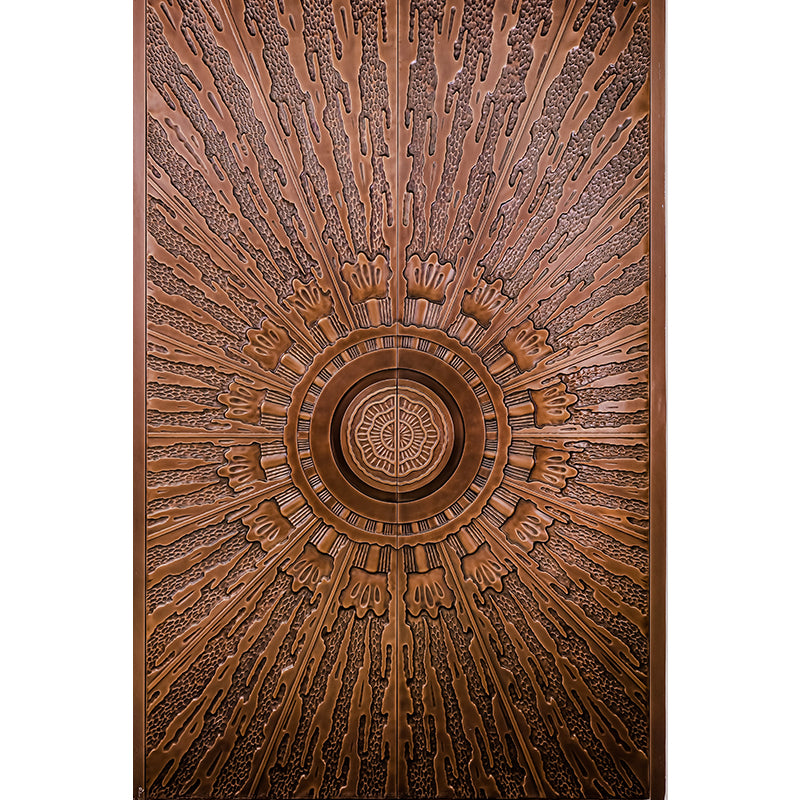
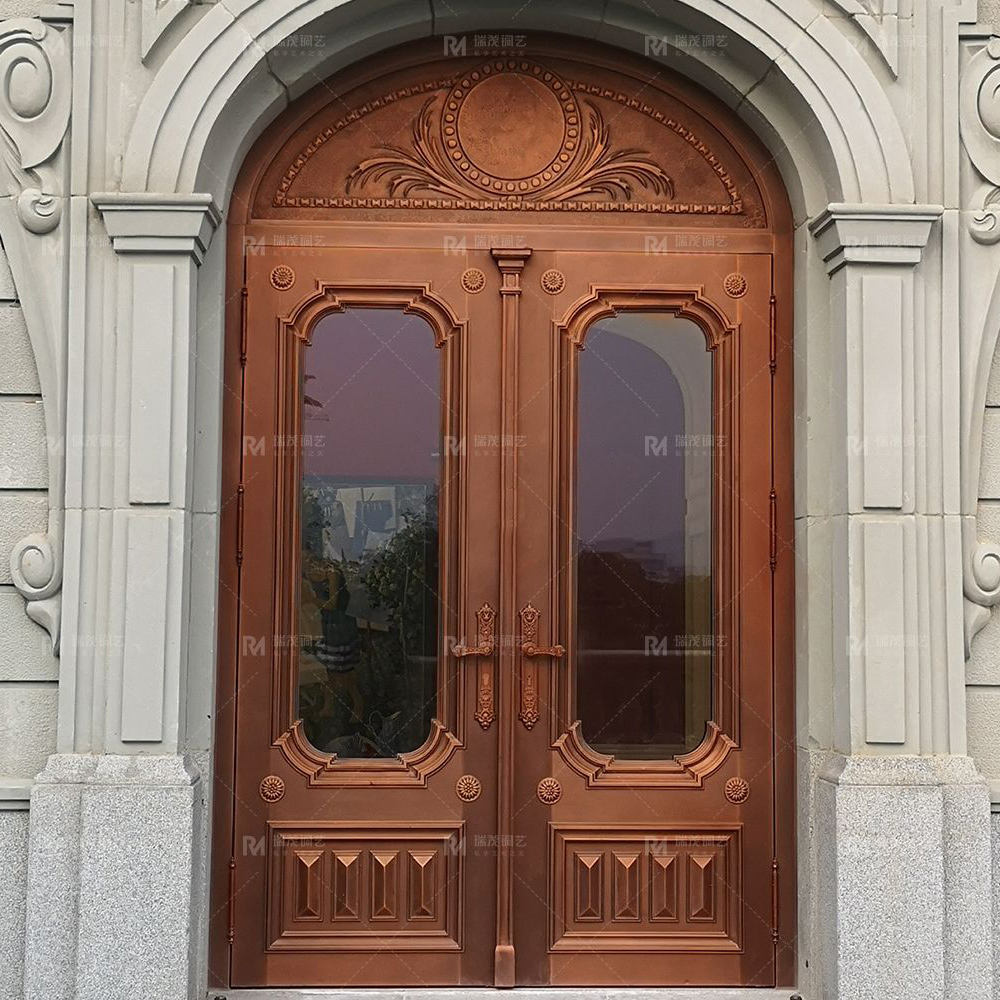
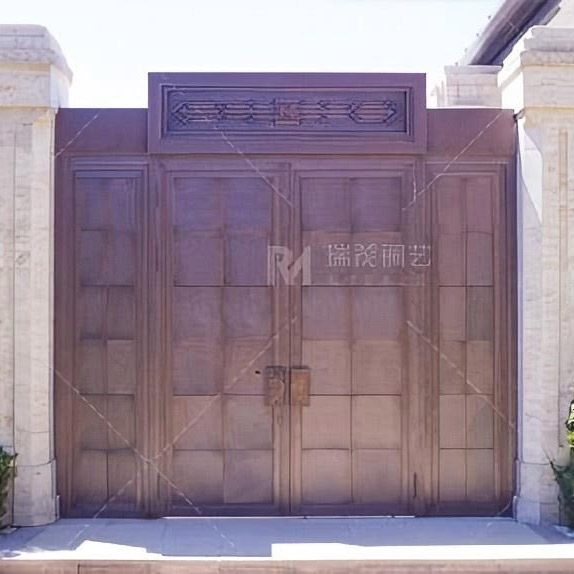
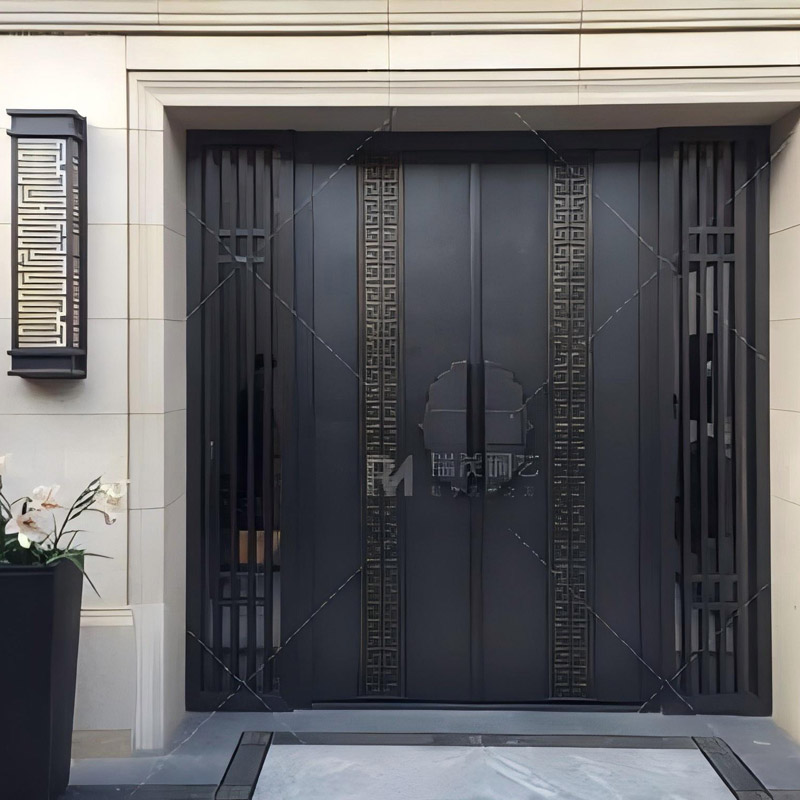
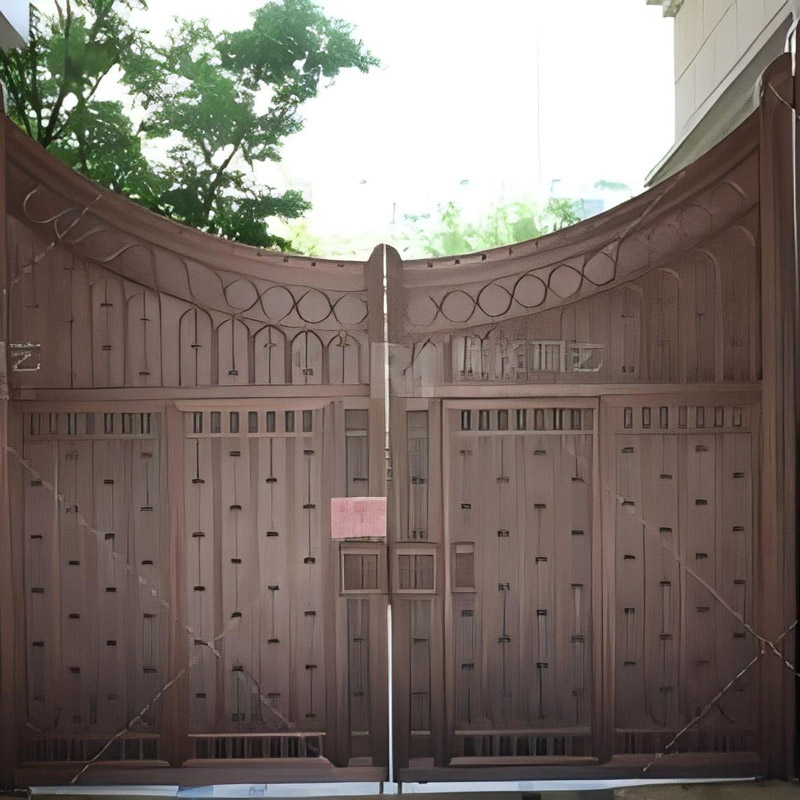
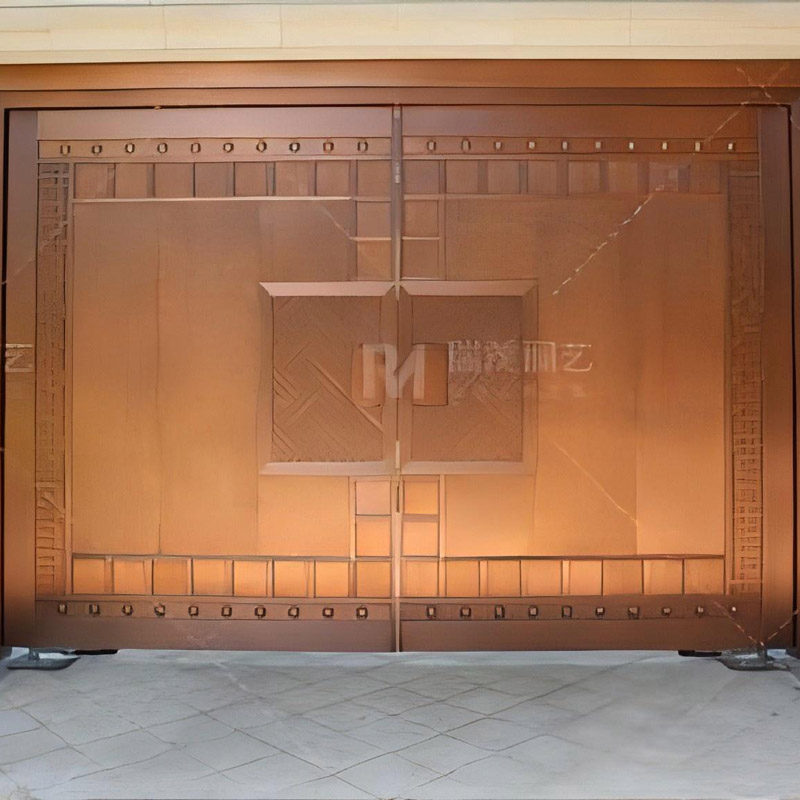
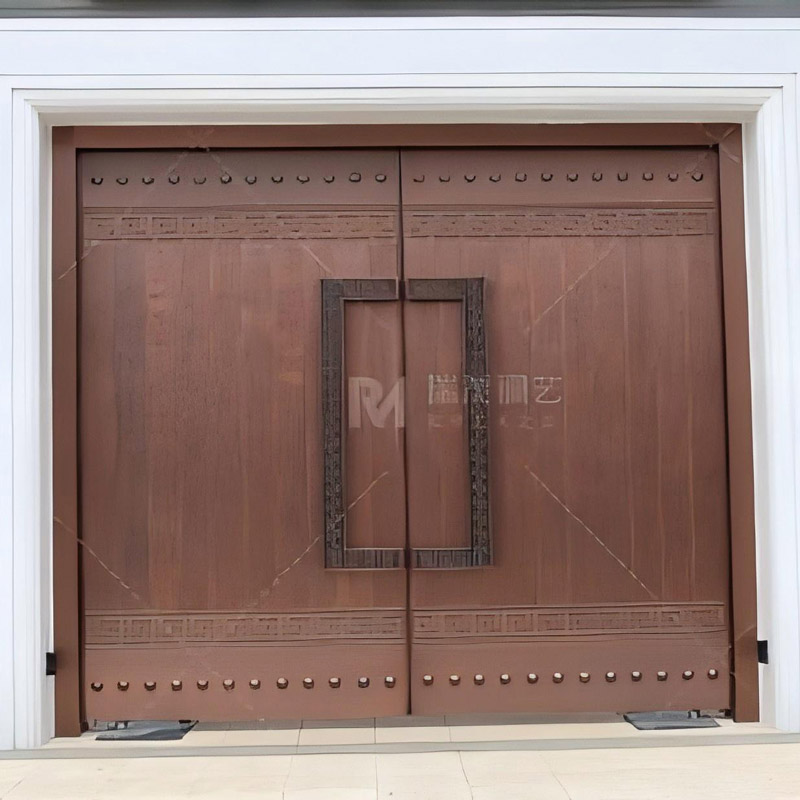
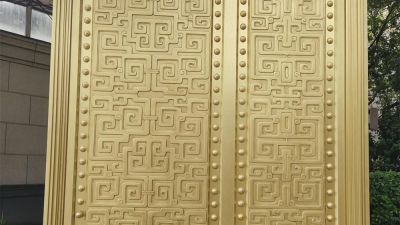
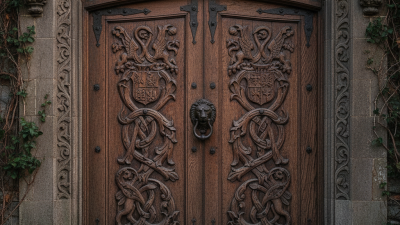
Custom-Made Courtyard Gates with Bronze Taotie Patterns: A Timeless Expression of Chinese Craftsmanship

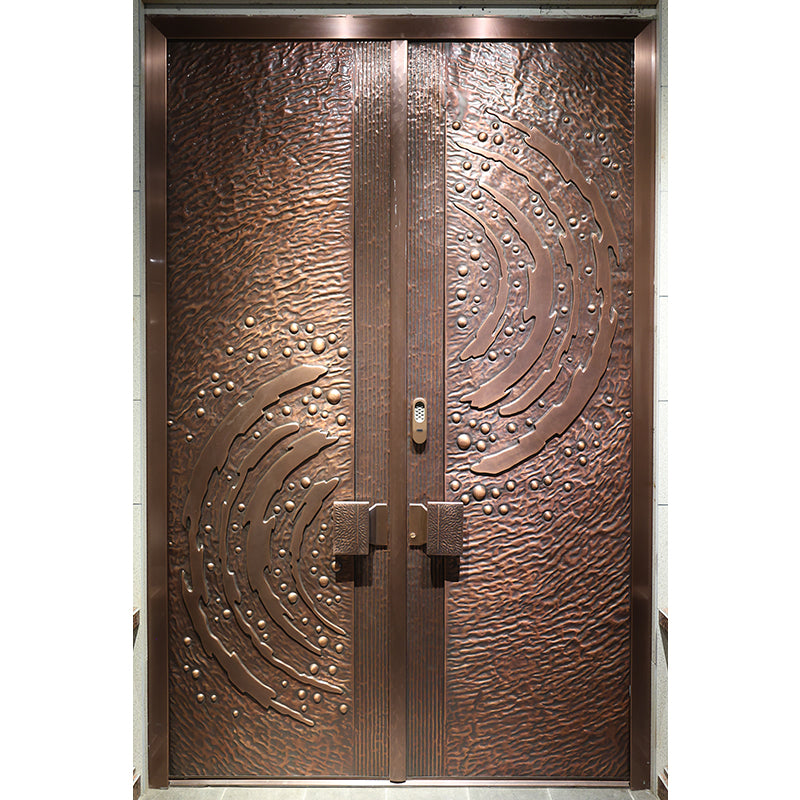
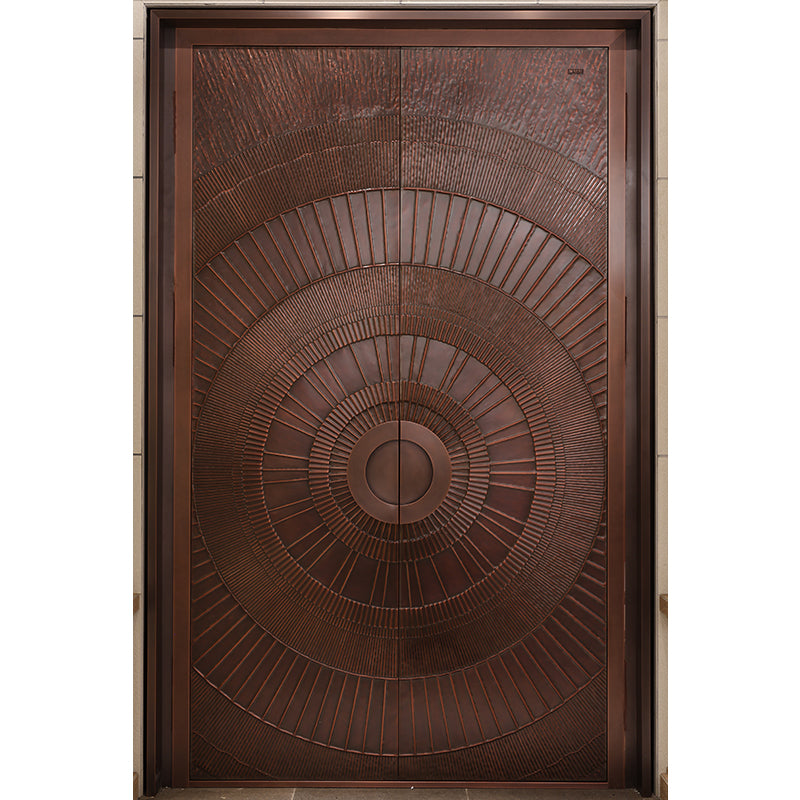
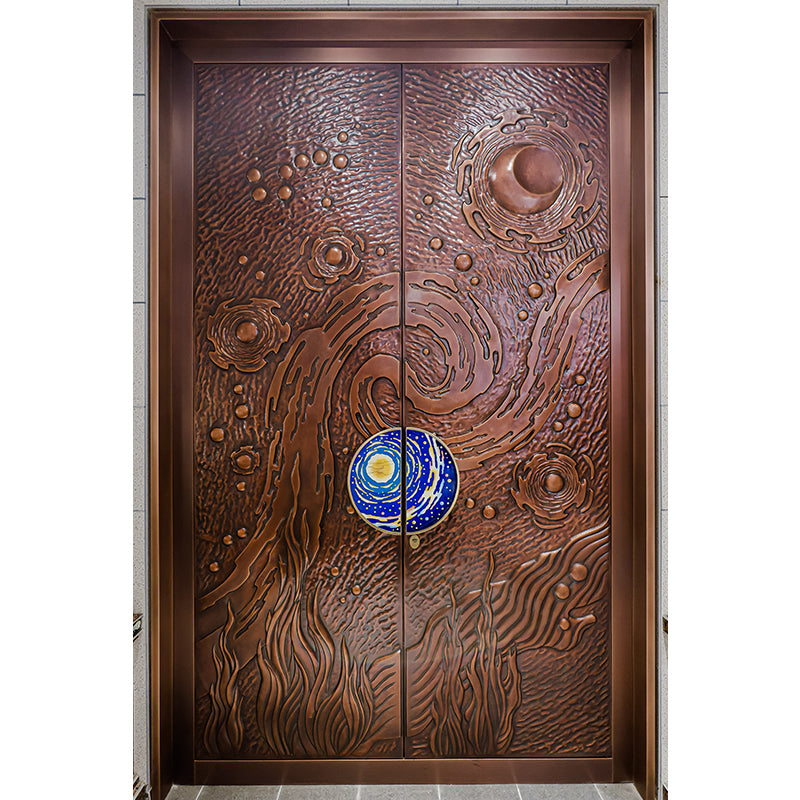
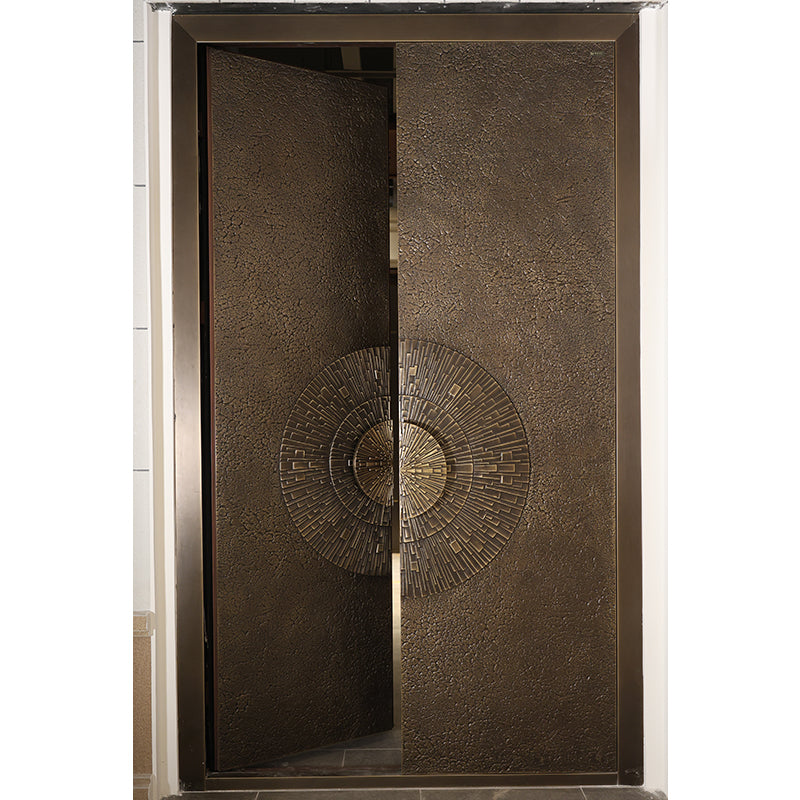
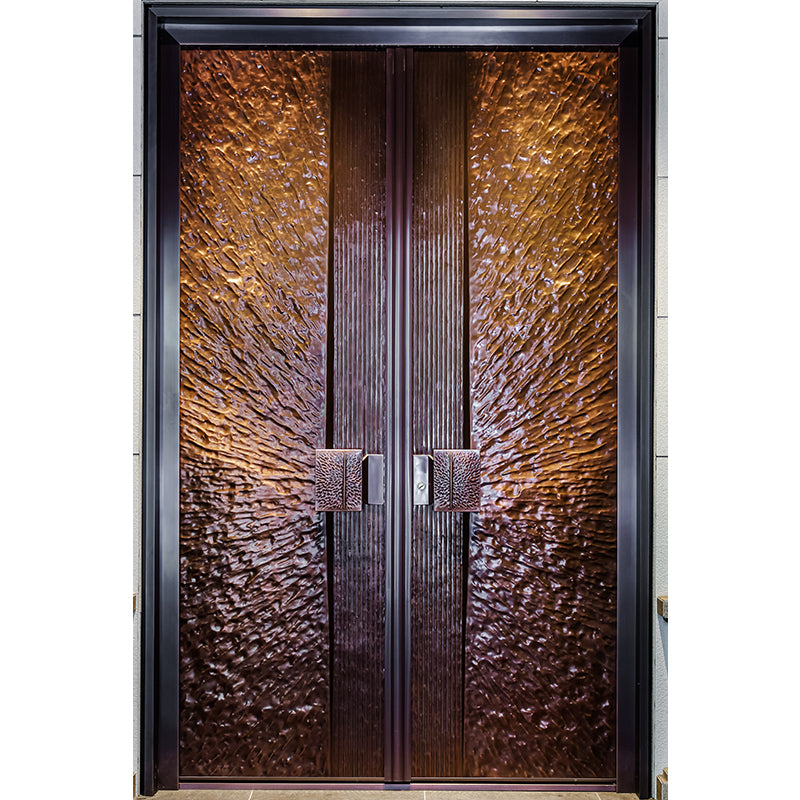
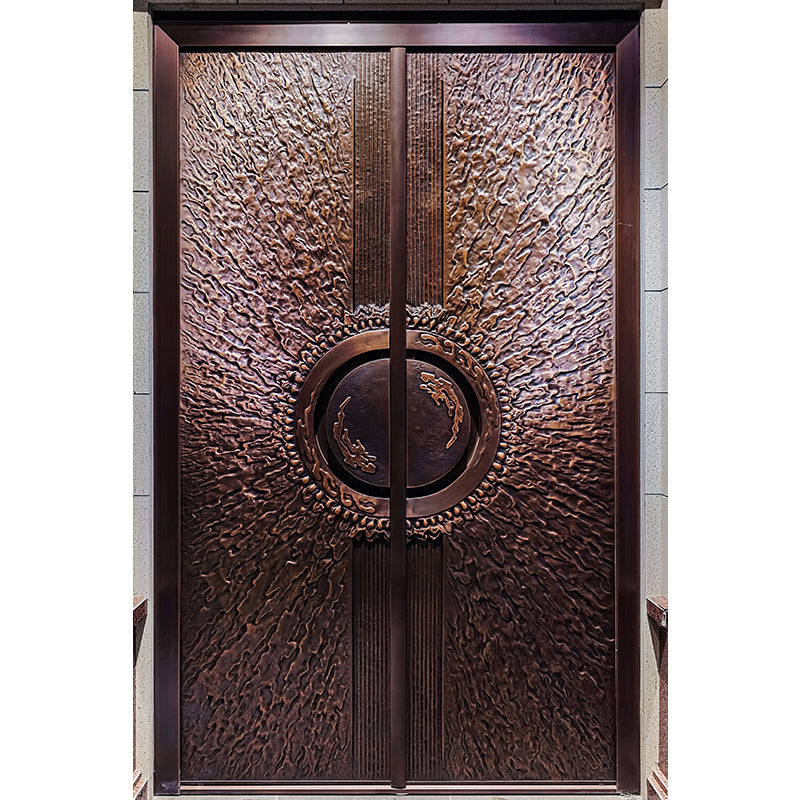
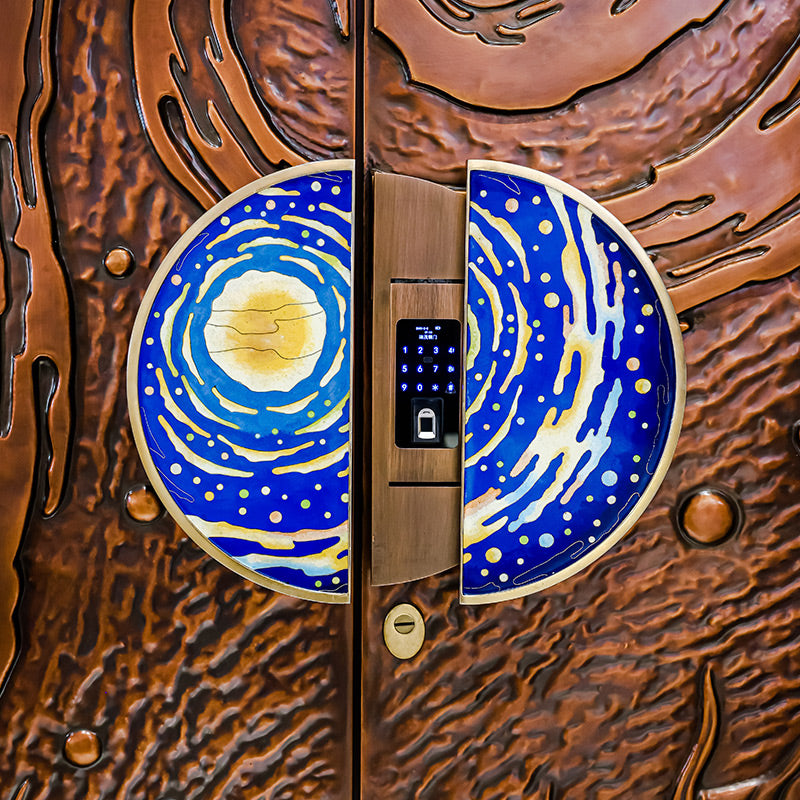
Custom-made courtyard gates with bronze Taotie patterns bring the depth of Chinese craftsmanship to the entrance of a villa, private residence, or high-end club. Inspired by the distinctive mask-like motif found in ancient Chinese bronze culture, each Taotie design is carefully carved to express dignity, strength, and a refined sense of order. The bronze surface adds warmth and character, while the balanced composition creates an entrance that feels both imposing and welcoming.

Every gate can be tailored to the architectural style, courtyard layout, and personal aesthetic of the property. Skilled detailing highlights the intricate lines of the Taotie pattern, allowing traditional symbolism to harmonize with contemporary proportions and functional design. Built to export-grade standards, the gate is designed for lasting performance and an elegant appearance in different environments. Whether placed before a secluded villa garden or a distinguished club courtyard, it becomes a ceremonial landmark that reflects Eastern aesthetics, cultural identity, and timeless artistic value.

FAQS

What types of bronze statue workshops are commonly available?

Workshops vary by specialization. Some use lost-wax casting, while others make small altar figures or museum-style replicas. Some build large outdoor sculptures. Others create compact decorative pieces or modern forms inspired by ancient motifs.

How can buyers judge a workshop’s quality?

Ask about alloy composition, casting methods, patina treatment, and inspection records. A dependable workshop explains its process clearly. It should also provide material records, invoices, and accurate product dimensions. Catalogs alone are not enough.

What details should I inspect on a bronze statue?

Examine casting seams, tool marks, surface transitions, and repair lines. Check the underside for hollow sections and uneven oxidation. Handmade surfaces may vary. Unexplained repairs still deserve careful attention.

How can I check whether a statue is genuinely old?

Request provenance records and independent assessment. Compare the statue’s weight with its stated dimensions. Inspect the patina under natural light. A beautiful surface does not prove historical age. Not always.

What does “antique style” mean?

It usually describes a new reproduction inspired by older designs. It does not prove the object is historically antique. The seller should label reproductions honestly. Ask direct questions about age, origin, and production dates.

What should I ask about the statue’s patina?

Ask whether the patina is chemical, heat-treated, or naturally aged. Request close photographs and videos of the surface. Warm online lighting can hide uneven color. Natural light gives a more reliable impression. Look closely.

How can I reduce shipping and packaging risks?

Confirm crate construction, moisture control, handling procedures, and liability terms in writing. Large statues may need reinforced internal cores. Smaller pieces still require protection against impact and humidity.

Should I use an independent expert before buying?

An independent conservator or qualified appraiser is useful for valuable pieces. Certificates alone may contain vague dates or missing signatures. Third-party inspection adds cost, but it can reveal weak documentation. I would not rely on photographs alone.

Conclusion

This article explores what defines a leading Chinese manufacturer of Bronze Antique Statues, focusing on artistic heritage, technical capability, material quality, and dependable production standards. It explains how traditional casting, carving, patination, polishing, and finishing techniques are combined with modern quality control to create statues with historical character, structural strength, and refined detail. The discussion also introduces practical criteria for selecting ten notable manufacturers, including craftsmanship, workshop experience, customization ability, production capacity, and customer service.

Readers will learn how to evaluate bronze materials, surface treatments, dimensional accuracy, and authenticity documentation while distinguishing genuine craftsmanship from superficial imitation. The article further compares manufacturers through factors such as quality assurance, communication, delivery reliability, packaging, and after-sales support. By considering these elements together, buyers can make a careful and informed decision when choosing a reliable supplier for decorative, cultural, architectural, or private collection projects.

Sophie

Sophie

Sophie is a dedicated marketing professional with a deep expertise in the traditional forging, chisel engraving, and copper casting processes. With a strong background in research and development, she plays a pivotal role in promoting the company's core business, which focuses on high-quality,......
Previous What Are the Top Types of Metal Folding Doors?