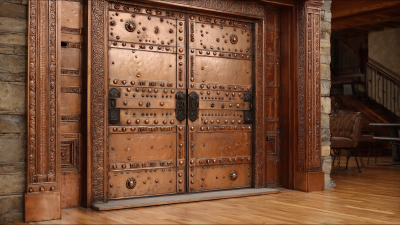
Choosing the right Metal Security Doors isn’t just about going for the thickest steel you can find. Honestly, a secure entrance has to strike a balance—materials, frame design, locks, weather resistance, and how easy it is to use every day all matter. Sometimes, a heavy door can still be a bit of a letdown if its hinges, anchors, or installation aren’t up to par—that’s the kind of thing that’s easy to overlook.
Mark H. McGowan, who’s been working as a security-door engineer for over twenty years, always says, “A security door is only as good as the wall and frame around it.” And that’s really where it counts. You have to think about the entire setup—the wall, the frame, the threshold, hinges, and locking system—they all need to work together. Otherwise, even the fanciest specs won’t do much good in real life.
In this guide, I’ll walk you through 10 practical tips to help you pick the best Metal Security Doors for your home, office, apartment, or commercial space. We’ll cover everything—steel thickness, corrosion protection, viewing panels, ventilation, emergency exit needs, and maintenance. Plus, I’ll show you how to compare reinforced frames, multi-point locks, certified hardware, and the importance of professional installation.
Don’t forget to pay attention to the little details. For example, a textured powder-coat finish can actually resist rain better than regular paint. Stainless steel hinges are a solid choice for busy entrances. And sealing the threshold properly can prevent wind-blown water and dust from sneaking in. That said, not every option is perfect for every building. Coastal properties, for example, need better corrosion resistance, while industrial sites might require impact-resistant doors.
Some of these tips might seem pretty obvious—like measuring carefully or questioning overly good performance claims—but honestly, they’re often overlooked. Make sure you double-check the measurements, ask questions about durability claims, and review how much experience your installer has before you order. Remember, good security starts with solid evidence, not just how a door looks.
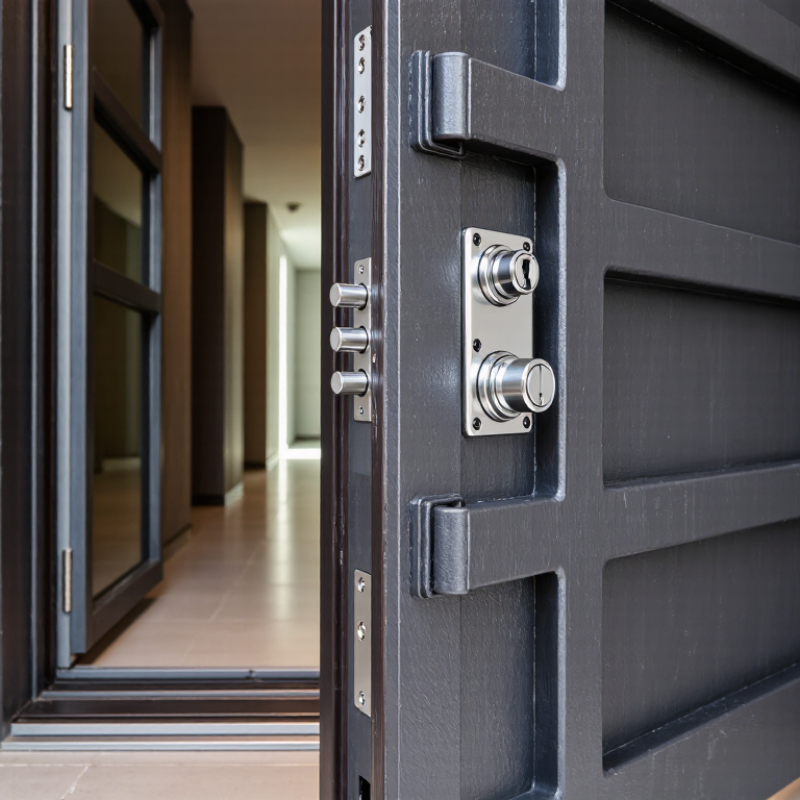
What Metal Security Doors Are and How They Work
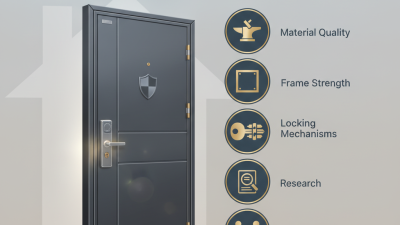
Metal security doors are engineered barriers, not simply heavy slabs. A steel door leaf resists impact, while reinforced frames transfer force into the wall. Hinges, strike plates, and multi-point locks complete the system. Small gaps matter. A weak frame can defeat a strong door.
For fire-rated locations, Metal Fire Doors serve a different purpose. They slow flame, smoke, and heat, but only as tested assemblies. NFPA’s U.S. Fire Loss 2023 report estimates 1,388,500 fires occurred nationwide. That figure shows why passive protection deserves careful attention.
NFPA 80 requires regular inspection of fire door assemblies, including closing action, latching, labels, and visible damage.
Tip 1: Check the rating label, not just the metal thickness.
Tip 2: Confirm that the frame, hardware, and wall match the approved assembly.
Tip 3: Measure the opening before ordering.
A door that drags, leaves uneven gaps, or fails to latch cannot perform reliably. Test the lock with the door closed. Then inspect hinge screws and anchor points. Security performance also depends on installation quality, which is often overlooked.
The UL 10C and NFPA 252 standards describe fire-door test methods, but certification does not replace field maintenance. That distinction is easy to miss.
A practical selection should balance forced-entry resistance, fire performance, corrosion protection, emergency exit needs, and daily usability. Sometimes, the most expensive door is still the wrong door.
Assessing Your Property’s Security and Entryway Requirements
10 Tips for Choosing Metal Security Doors
Assess your property before comparing door styles. Walk from the street to the entryway and note hidden corners, poor lighting, and nearby windows. A strong door cannot correct a weak frame or an exposed side entrance.
Tip 1: Inspect every access point.
Tip 2: Measure the opening, frame depth, and threshold carefully. Small errors can cause drafts, binding, or an unreliable latch. This is easy to overlook.
Your daily routine matters as much as the threat assessment. A busy family entrance may need a wide opening, clear sightlines, and smooth operation. A rear service door may require stronger hinges, tamper-resistant hardware, and weather protection.
Tip 3: Check whether the door swings inward or outward.
Tip 4: Test the surrounding wall, not only the door panel. Security depends on the complete assembly. Look for rust, cracked masonry, loose trim, and water stains.
Tip 5: Consider emergency access and household mobility. A door that feels secure but slows safe exit is poorly planned.
Choose materials and hardware that match the location. Coastal air, heavy rain, and direct sunlight can shorten the life of unsuitable finishes.
Tip 6: Ask for corrosion-resistant construction and verified installation guidance.
Tip 7: Confirm the lock suits your use without creating a complicated routine.
Tip 8: Request clear maintenance instructions. In my experience, neglected hinges often become the first failure point.
I once underestimated threshold drainage on a renovation project; water damage appeared months later.
Tip 9: Review drainage and seal quality.
Tip 10: Have an experienced installer assess the frame, wall, and daily entry habits together.
Comparing Door Materials, Construction, and Protective Features
Choosing Metal Entry Doors requires comparing more than surface finish. The FBI’s 2023 Crime Data Explorer recorded an estimated 847,522 burglary offenses in the United States. A strong entry system matters. Tip 1: Compare steel, aluminum, and reinforced composite skins. Steel usually resists impact better, while aluminum reduces weight and corrosion concerns. Tip 2: Check the core. Hollow sections can flex around the lock. Tip 3: Inspect welded corners, internal ribs, and hinge reinforcement. A heavy slab is not automatically safer.
Tip 4: Measure the frame, not only the door. A reinforced slab can fail when the frame twists. Tip 5: Choose a multipoint locking layout when the jamb supports it. Tip 6: Specify a protected cylinder, anti-pry edge, and three-dimensional adjustable hinges. Tip 7: Examine the strike plate and fastener length. Short screws often leave the frame vulnerable. A small detail. Tip 8: Request independently tested results, such as forced-entry testing under recognized ASTM procedures. Marketing language is not test evidence.
Tip 9: Compare weather seals, thermal breaks, and threshold drainage. The U.S. Department of Energy recommends reviewing door U-factor and air-leakage ratings when evaluating energy performance. Tip 10: Confirm fire-rated assemblies through applicable certification and installation requirements. NFPA 80 calls for periodic inspection of fire door assemblies, typically at least annually. Security hardware can still create maintenance problems. Dust, loose screws, and poor alignment reduce protection. I would leave room for doubt and inspect the complete opening before purchasing.
Selecting the Right Locking System and Access Controls
A Metal Door is only as secure as its locking system. Choose a lock that matches the building’s risk, traffic, and power reliability. ForMetal Office Doors, electronic access control can record who entered, when, and through which opening. That audit trail matters when several departments share one corridor.
Verizon’s 2024 Data Breach Investigations Report found that the human element appeared in 68% of breaches. A controlled entry point can reduce casual errors, but it cannot replace staff training.
Use credentials with clear permission levels. Employees may need daily access, while contractors may require a short access window. A keypad, card reader, or mobile credential should remain usable during network interruptions. Test the backup power beside the door, not only inside a cabinet. Small details matter. A reader mounted too close to a metal frame may perform poorly without proper installation.
Review the exit function carefully. Life-safety requirements may demand free egress, even when entry remains restricted. Select fail-safe or fail-secure behavior according to the door’s location and risk assessment. NIST’s Digital Identity Guidelines emphasize strong authentication and lifecycle management, including prompt credential removal. That principle applies after termination, lost cards, and role changes. Do not overlook mechanical overrides. They create resilience, yet unmanaged keys can weaken the entire system. The honest answer is imperfect: no access control design eliminates every mistake. Regular log reviews, hinge inspections, and quarterly credential checks keep weaknesses visible.
Checking Size, Installation Conditions, and Building Compatibility
10 Tips for Choosing Metal Security Doors
Checking size and installation conditions prevents expensive mistakes. Tip: Measure the opening at the top, middle, and bottom. Record width, height, and diagonal differences. Walls are rarely perfectly square. Tip: Check the threshold height and floor level. A door may fit the frame but scrape the floor. Tip: Inspect the surrounding masonry for cracks, moisture, or loose material. I have seen strong doors fail because the wall could not hold their anchors.
Tip: Confirm the swing direction before ordering. Leave enough clearance for stairs, furniture, and nearby doors. Tip: Examine the frame depth and wall thickness together. A mismatch can create weak fixing points. Tip: Check whether the building uses brick, concrete, steel framing, or another structure. Each material needs suitable fasteners and installation methods. Tip: Review ventilation, electrical wiring, and plumbing near the opening. Hidden services can complicate drilling. Measure twice.
Tip: Confirm local fire, accessibility, and emergency-exit requirements with a qualified professional. Security should not block safe movement. Tip: Check the door’s weight against the hinges and existing structure. Heavier is not always better. Tip: Ask for installation drawings, adjustment details, and maintenance guidance. Clear documents improve reliability. Tip: Inspect seals, locks, hinges, and drainage points before final approval. Small omissions matter. A careful site check often reveals problems that a catalog cannot show.
Evaluating Weather Resistance, Maintenance, and Long-Term Value
Tip 1: Test weather resistance before judging appearance. A reliable metal security door should handle driving rain, strong sunlight, and seasonal temperature changes. Check the coating for full coverage, especially around welds, lower edges, and hinge areas. A small unsealed gap can invite moisture and rust.
Tip 2: Inspect drainage and sealing details. The threshold should direct water away from the entrance, not trap it indoors. Look for firm weatherstripping that compresses evenly when closed. Metal Folding Doors need extra attention at folding joints, tracks, and locking points. These moving areas collect dust and may wear faster than a single-panel door.
Tip 3: Ask about routine maintenance, not only warranty length. Wipe salt, mud, and pollution from the surface with mild soap and clean water. Lubricate hinges and tracks only as recommended, because excess oil can attract grit. Check screws, seals, and alignment every few months. It takes minutes.
Long-term value depends on repairability. Replaceable seals, accessible hinges, and standard hardware can extend service life. A cheaper door may become expensive after repeated adjustments or early corrosion. Still, high price does not guarantee durability. That assumption deserves review. Compare coating quality, frame strength, installation accuracy, and local climate needs before deciding. A well-fitted door usually saves more than a heavily advertised one.
10 Tips for Choosing Metal Security Doors
Compare common metal door materials by weather resistance, maintenance simplicity, and long-term value. Scores are indicative material-level benchmarks on a 1–10 scale; climate, coating quality, installation, and upkeep can affect actual performance.
Key takeaway: Stainless steel and galvanized steel generally provide the strongest balance of weather resistance and long-term value, while aluminum is typically easier to maintain. Wrought iron can offer excellent security but usually requires more frequent surface protection against corrosion.
FAQS
Steel usually handles impact better. Aluminum is lighter and resists corrosion. Reinforced composite skins may balance both qualities. The best choice depends on the building and climate.
Not automatically. A heavy slab can still fail if its frame twists. Check internal ribs, welded corners, hinge reinforcement, and the surrounding wall. Weight alone is an incomplete measure.
Consider multipoint locking, a protected cylinder, an anti-pry edge, and adjustable hinges. Inspect the strike plate and fastener length. Short screws can leave the frame weak.
They can record who entered, when, and through which opening. Use separate permission levels for employees and contractors. Keep backup power available near the door. Small failures still happen.
Test the keypad, reader, backup power, and mechanical override. Choose restricted or released behavior based on the location and safety assessment. Unmanaged keys can create another weakness.
Measure the opening at the top, middle, and bottom. Record height, width, and diagonal differences. Check the threshold, floor level, frame depth, and wall thickness. Measure twice.
Not reliably. Inspect masonry for cracks, moisture, and loose material. Confirm suitable anchors for brick, concrete, or steel framing. I have seen excellent doors fail because the wall could not hold them.
Check swing clearance, nearby stairs, furniture, wiring, plumbing, seals, hinges, drainage, and fire-safety requirements. Review adjustment drawings and maintenance instructions. Dust and loose screws matter. Inspect the complete opening, not just the door.
Conclusion
Choosing Metal Security Doors starts with understanding how their reinforced frames, durable panels, hinges, and locking mechanisms work together to create a stronger entry barrier. Begin by assessing your property’s location, traffic, existing entryway, and desired level of protection. Compare materials and construction quality, paying attention to frame strength, door thickness, hinge protection, ventilation, visibility, and resistance to forced impact. The locking system should match your daily needs, whether you prefer traditional keys, keypad access, or other controlled entry options.
Before purchasing, confirm accurate measurements, wall and threshold conditions, swing direction, and compatibility with the building’s structure. A properly fitted door performs more reliably and avoids unnecessary installation problems. Weather resistance is also important, especially in areas exposed to rain, humidity, heat, or cold. Choose finishes and components that are easy to maintain, inspect locks and hinges regularly, and consider repairability and service life. Evaluating these factors together helps you select a secure, practical, comfortable, and cost-effective entry solution for the long term.

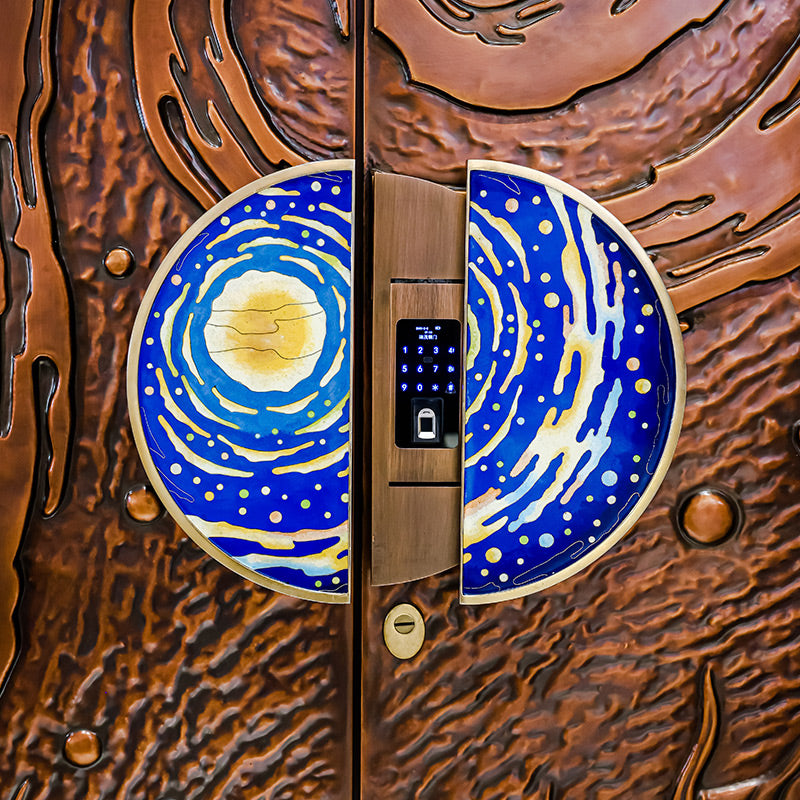 Copper Entrance Door
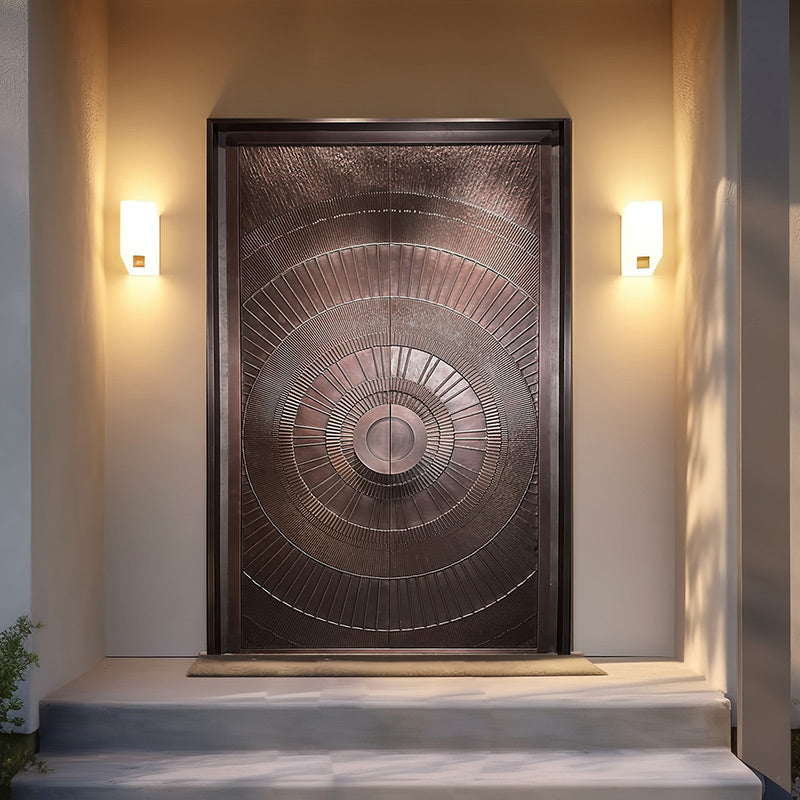 Copper Doors: Meticulously Crafted with Unparalleled Quality
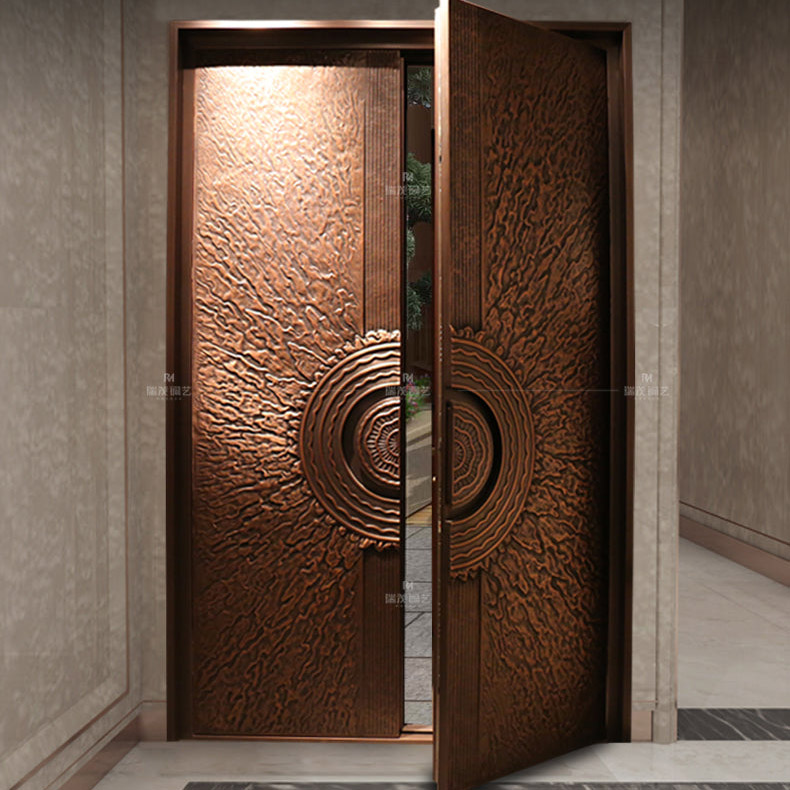 Lucky Star Artisan Copper Villa Blessing Door
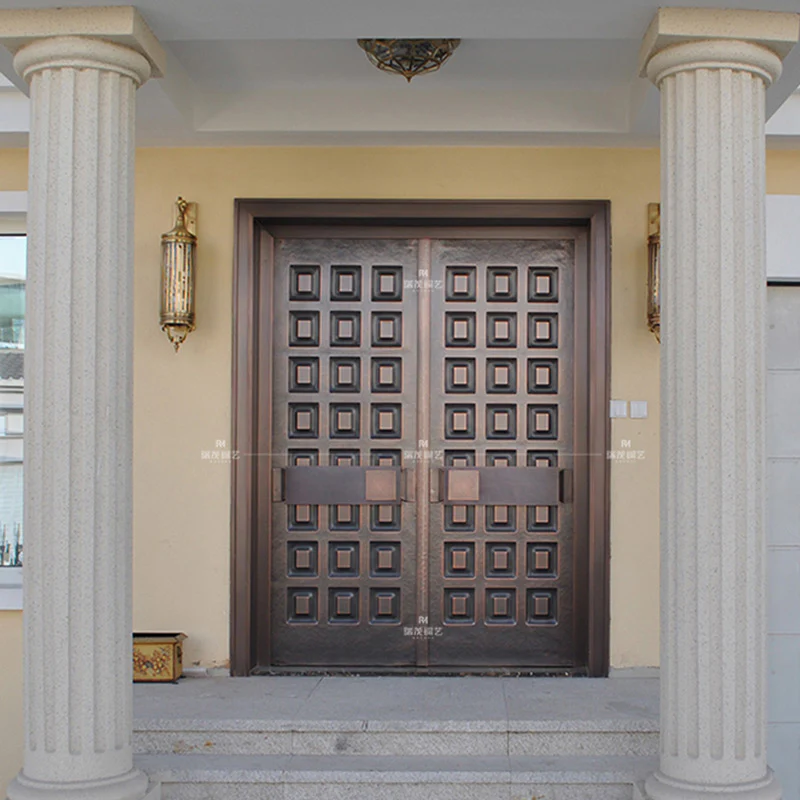 Dynasty Prosperity Artisan Copper Legacy Door
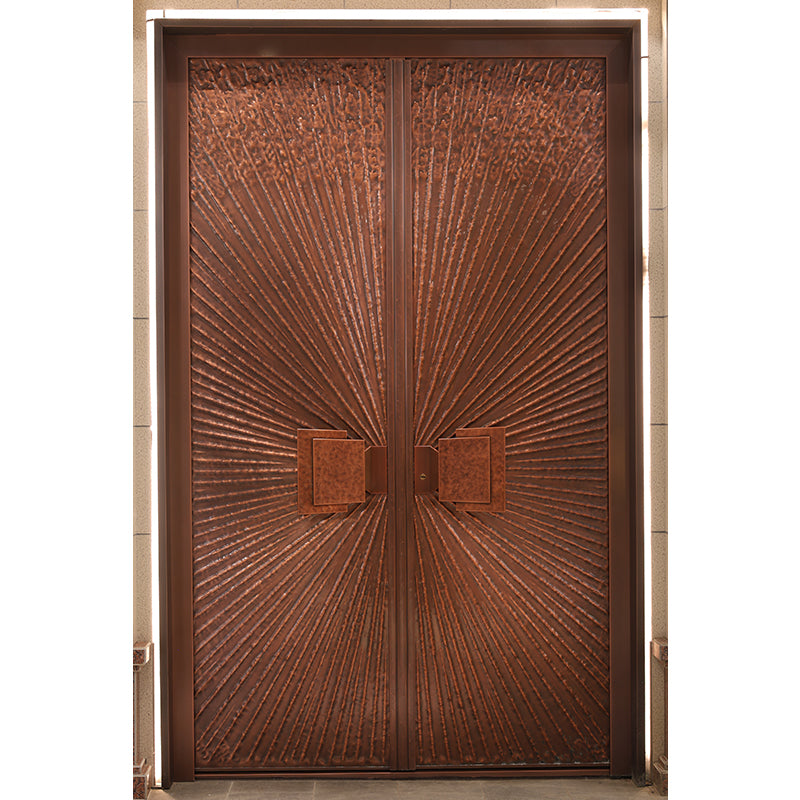 Auspicious Radiance Artisan Copper Legacy Door
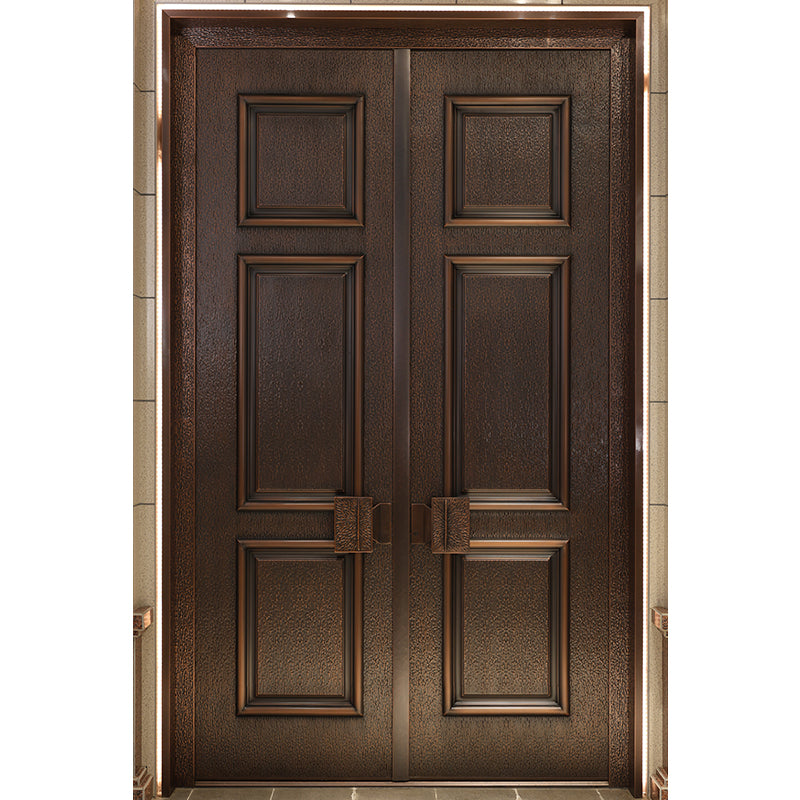 Woodgrain Artisan Copper Nature-Infused Door
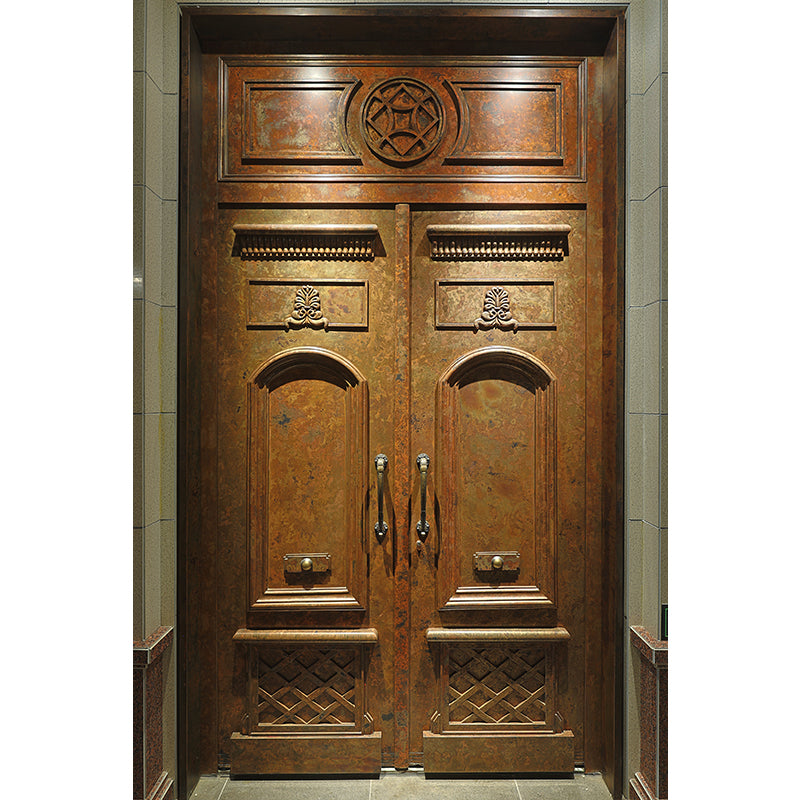 Artistic Copper Door for Harmonious Homes
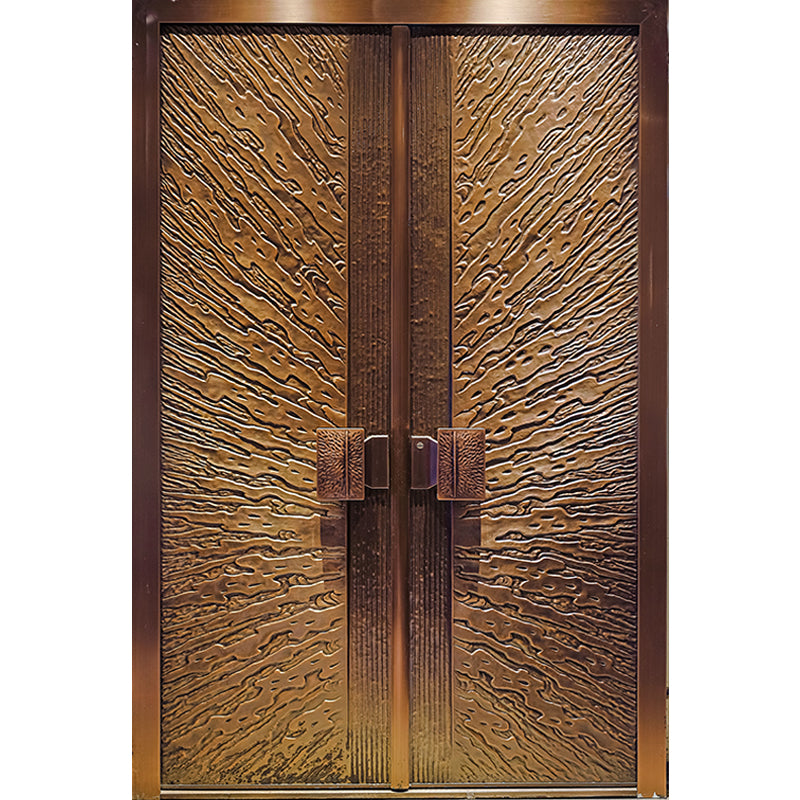 Global Artisan Copper World-Inspired Door
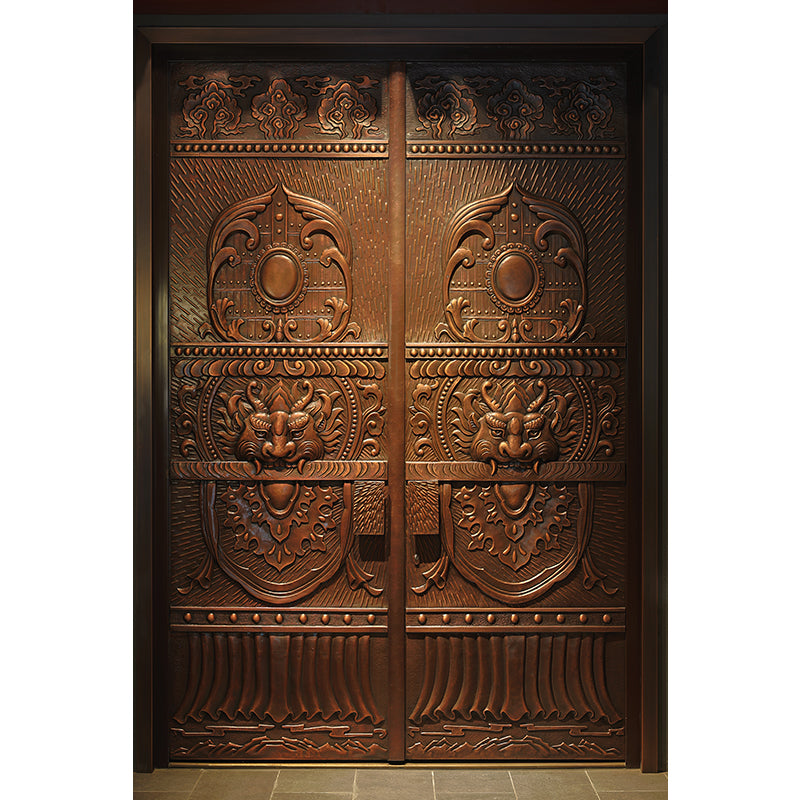 Artisan Copper Home Guardian Art Door
 Eternal Prime Artisan Copper Heritage Door
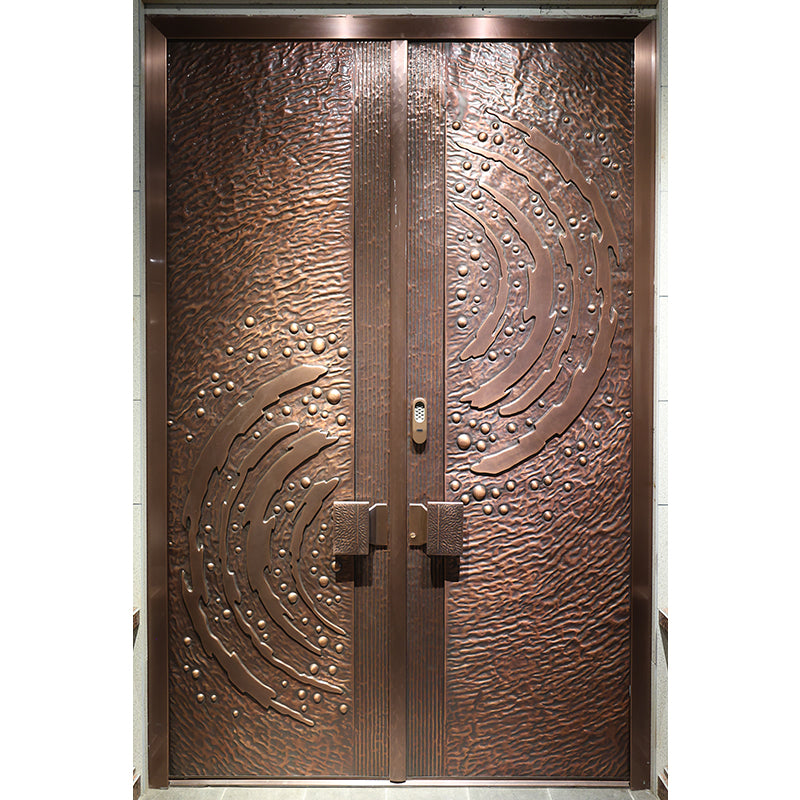 Celestial Artisan Copper Villa Stargazing Door
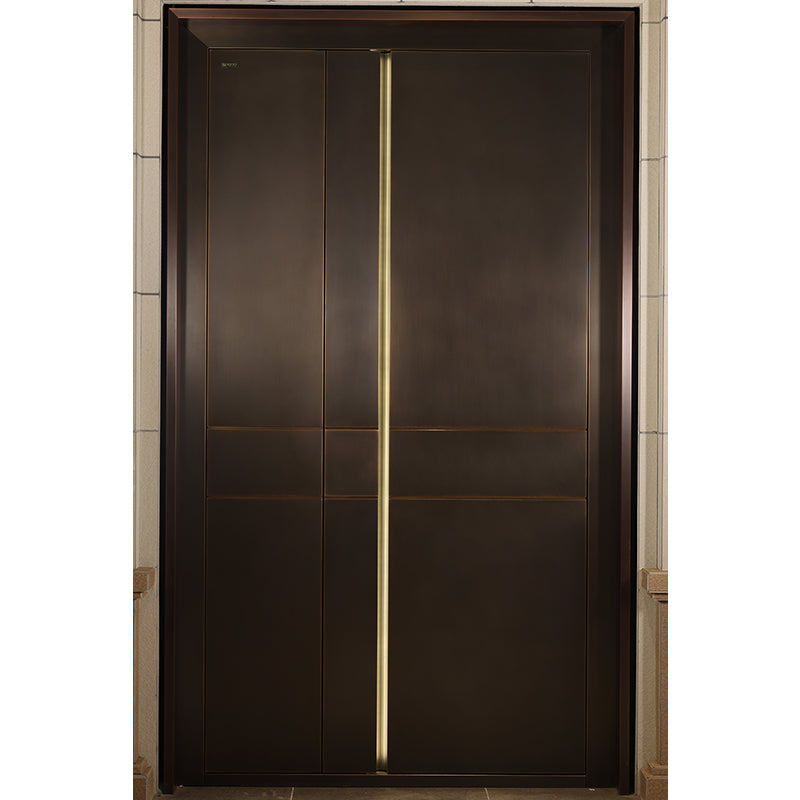 Eternal Summer Artisan Copper Timeflow Door
 Auspicious Artisan Copper Heritage Entry Door
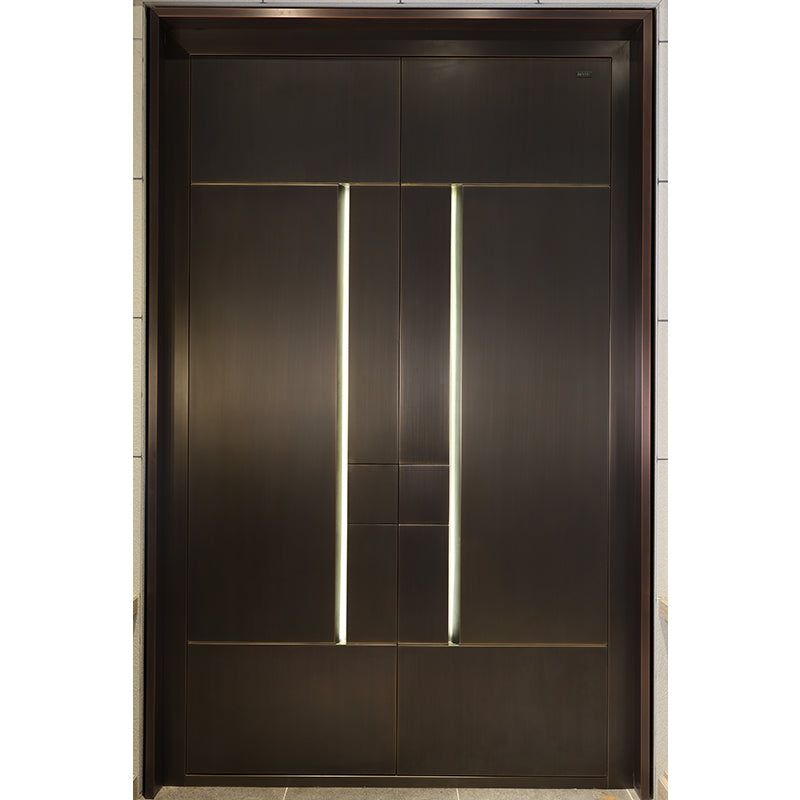 Minimalist Artistic Copper Door for Modern Homes
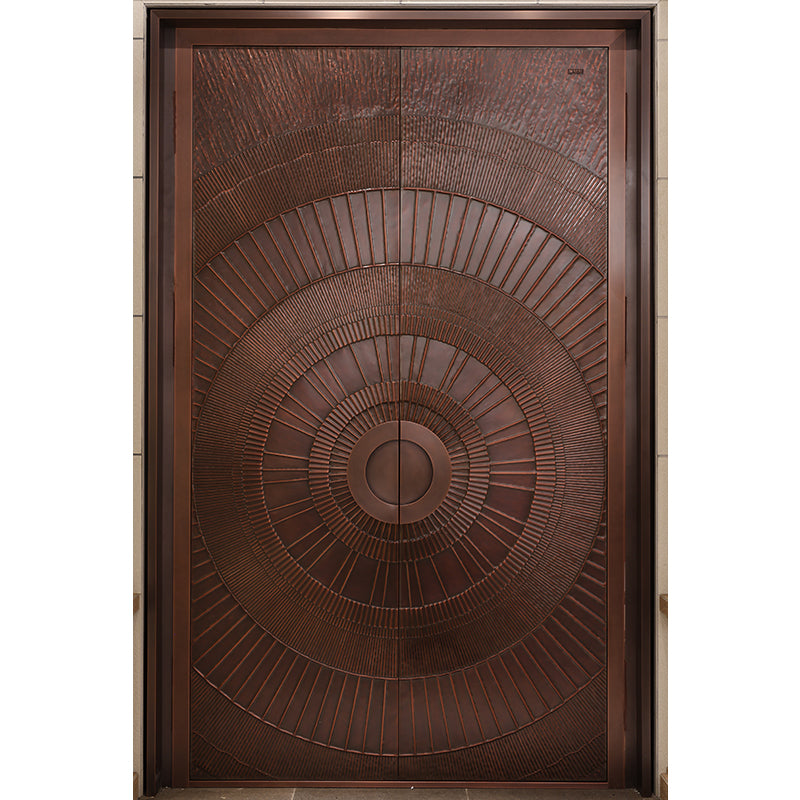 Harmony Circle Artisan Copper Door with Chinese Essence
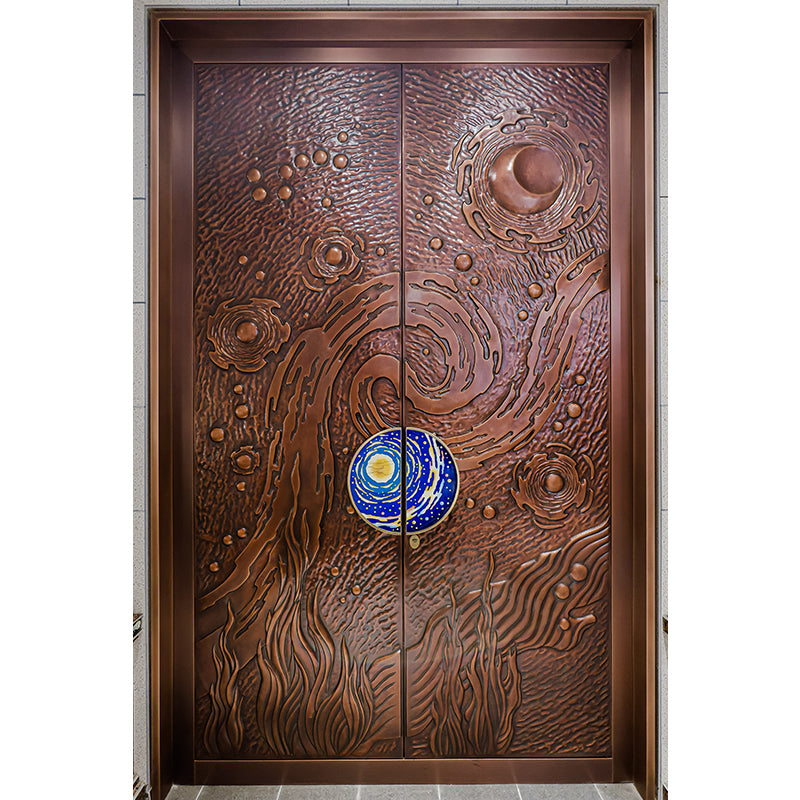 Nebula Grandeur Artisan Copper Villa Door
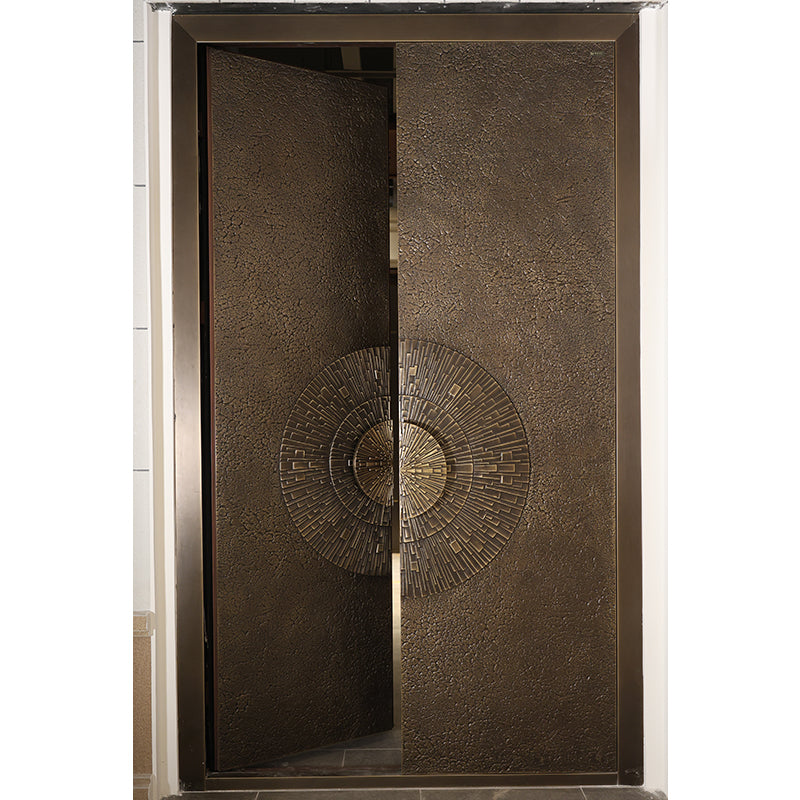 Auspicious Star Artisan Copper Blessing Door
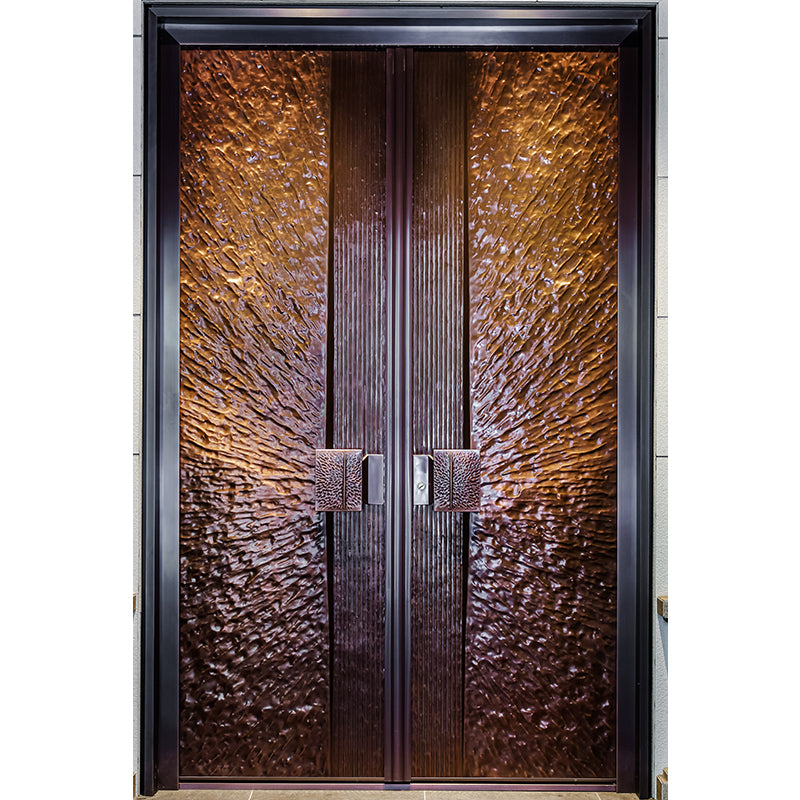 Dawn Glow Artisan Copper Flow Door
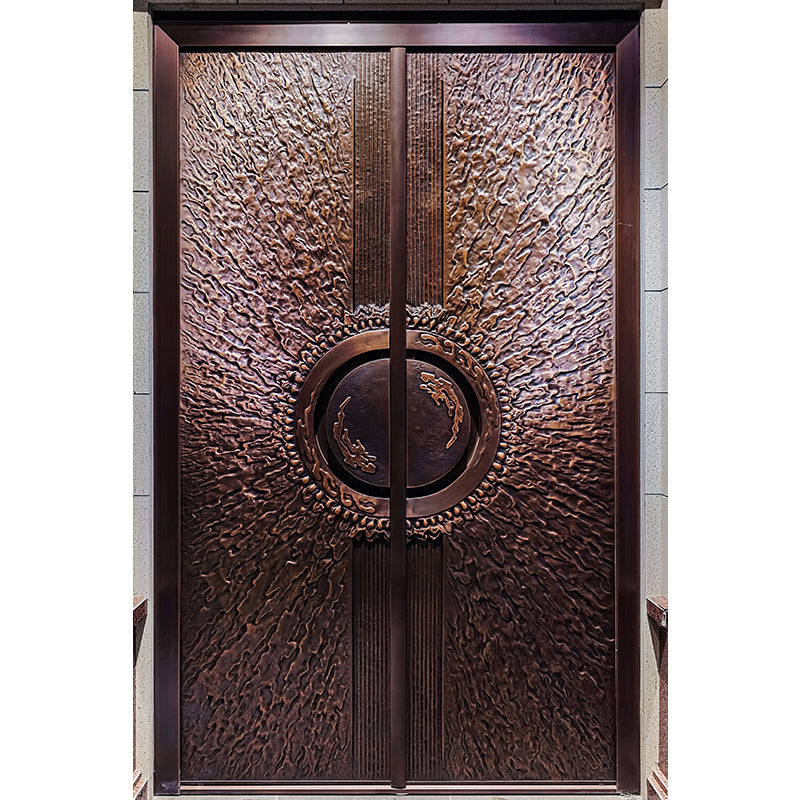 Sunlit Artisan Copper Villa Radiance Door
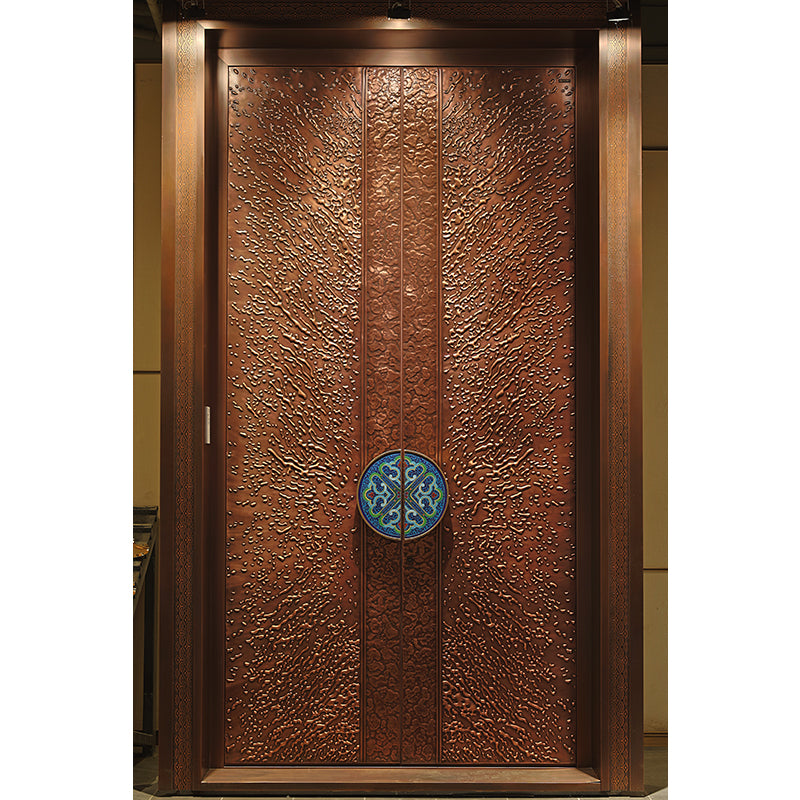 Cloisonné Waterdrop Artisan Copper Door
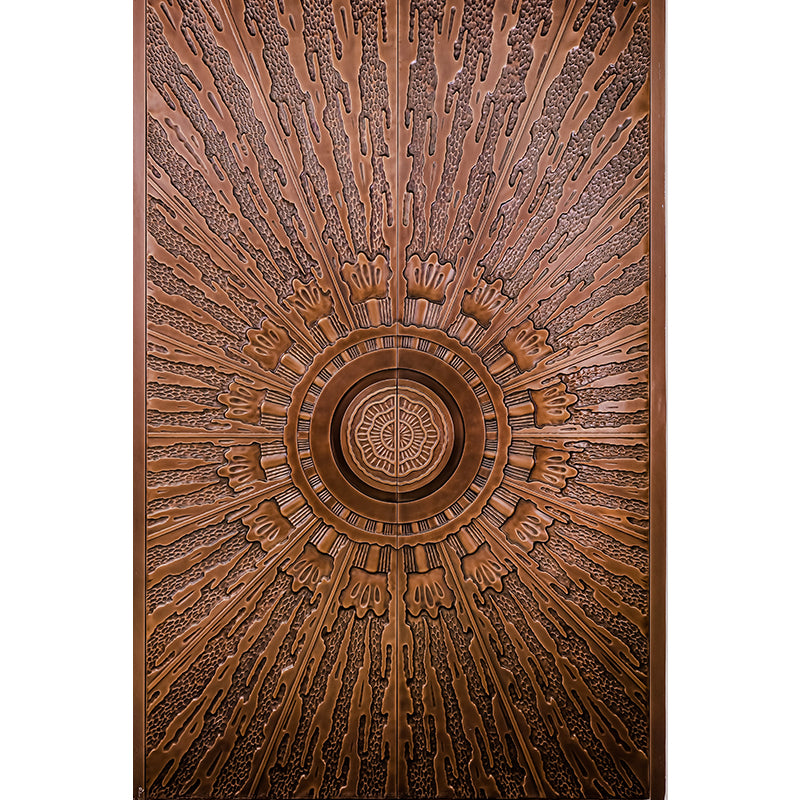 Radiant Artisan Copper Luxe Door
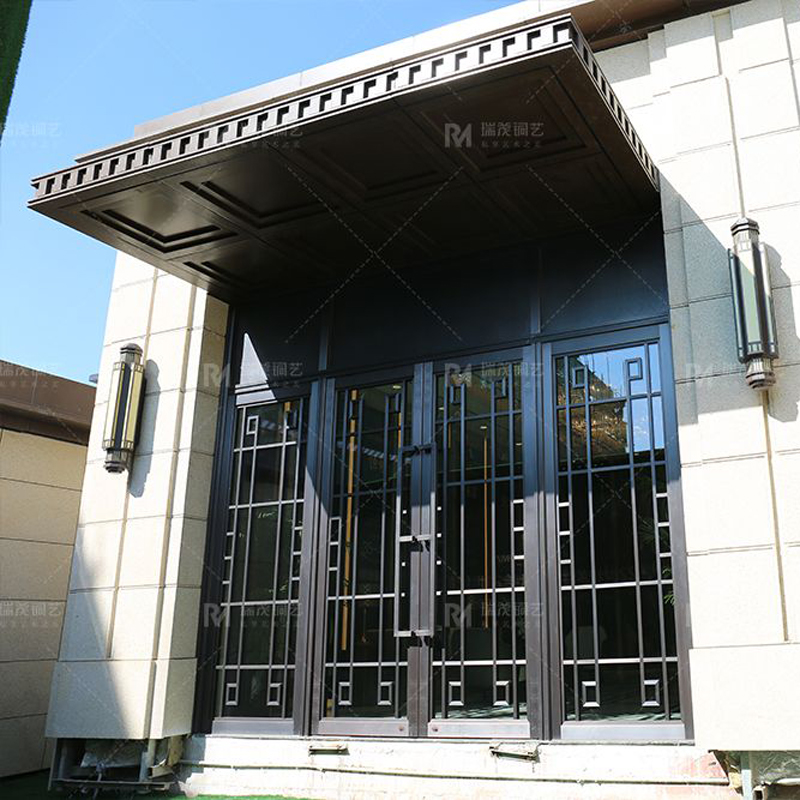 Contemporary Cosmopolitan Artisan Glass-Copper Door
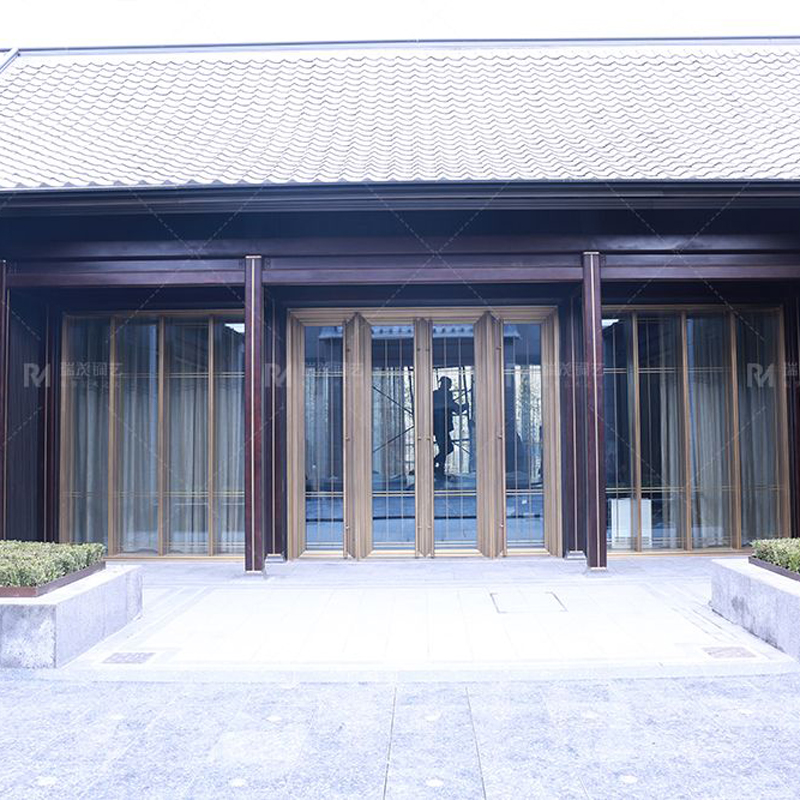 Exquisite Glass-Copper Doors for Shiguan 1 Hao Yuan
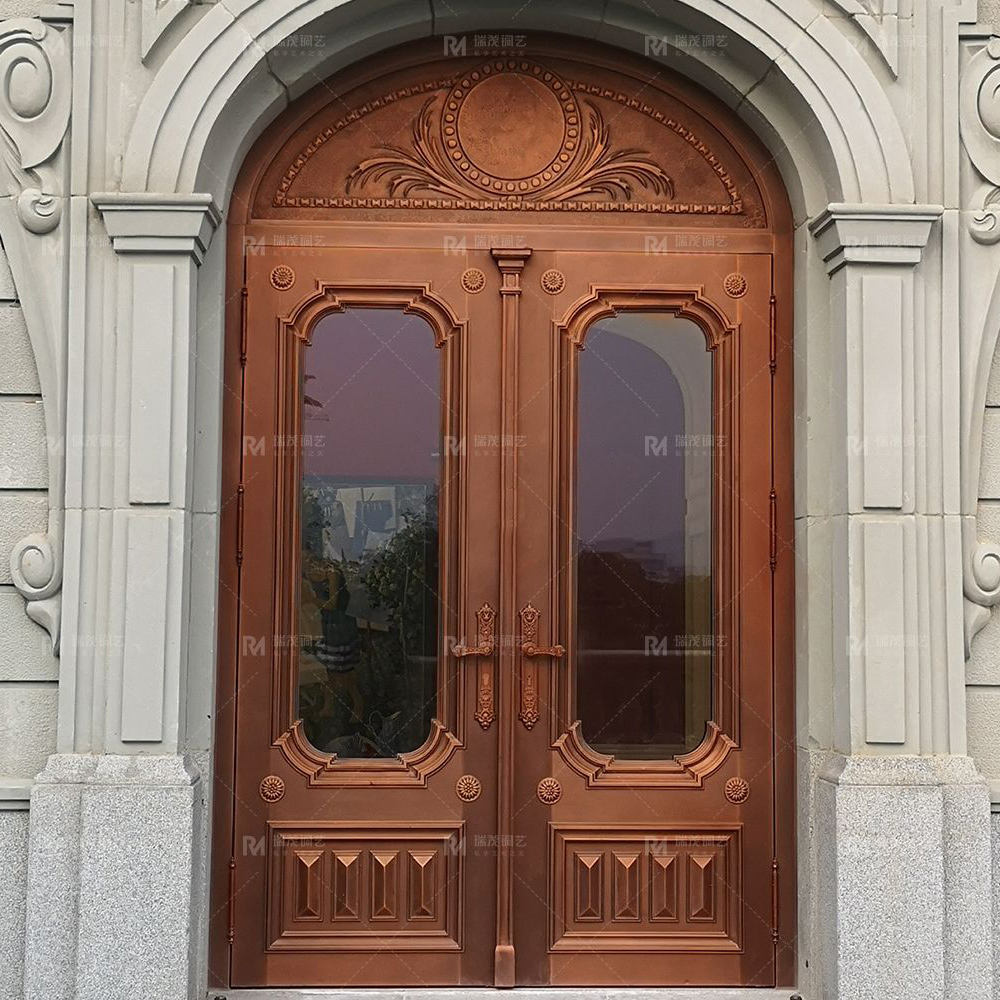 Huawei Glass-Infused Artisan Copper Door
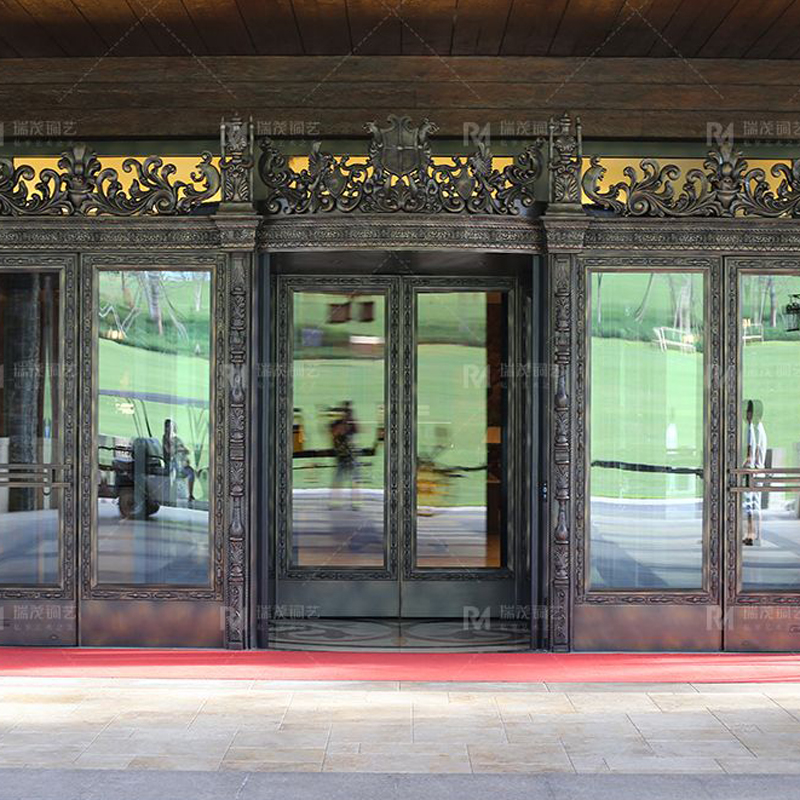 Gorgeous Glass Copper Doors for Jinhaihu
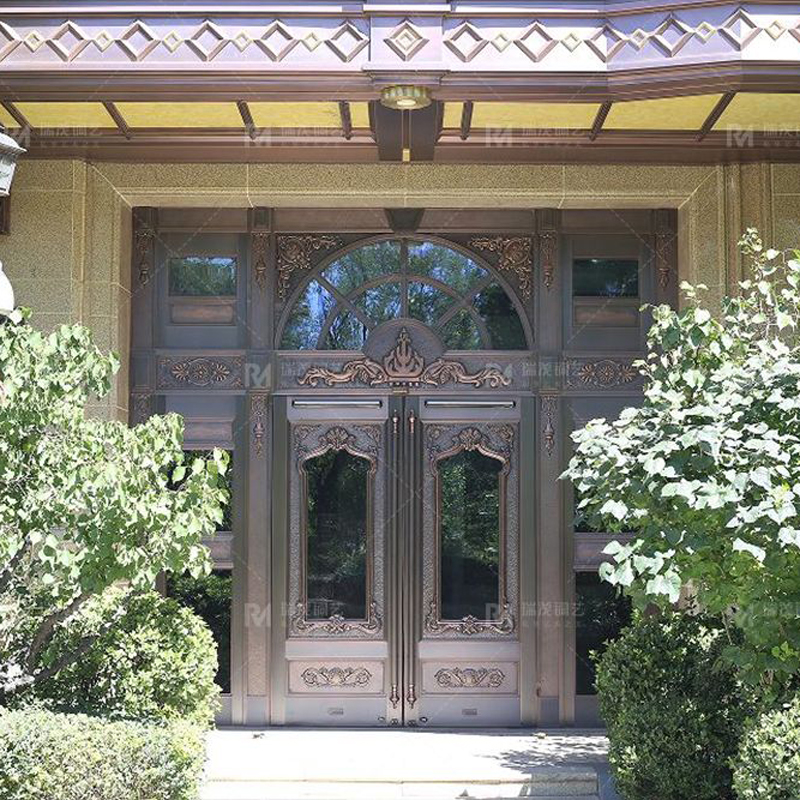 Graceful Glass Copper Doors for Yuanyang Wanhe Mansion
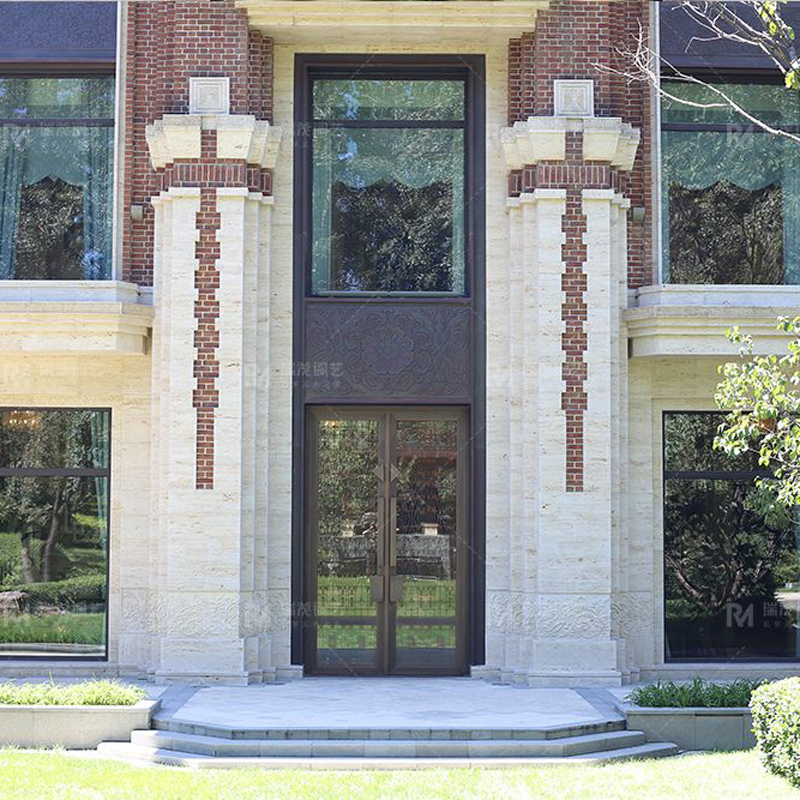 Nine Chapters Villa Artisan Glass-Copper Door
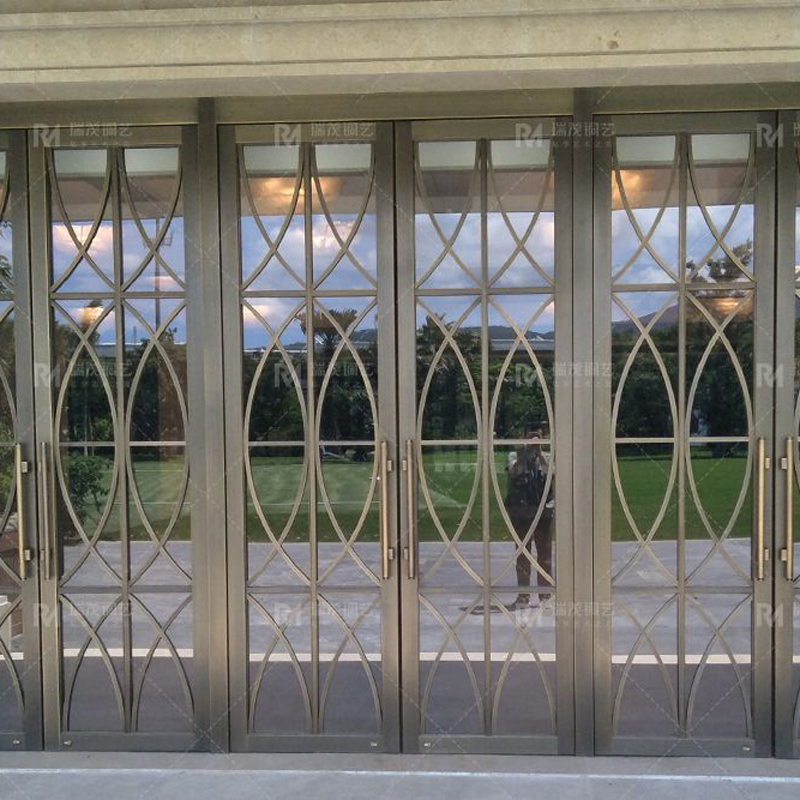 Graceful Tropical Glass - Copper Doors for Banshan Banda
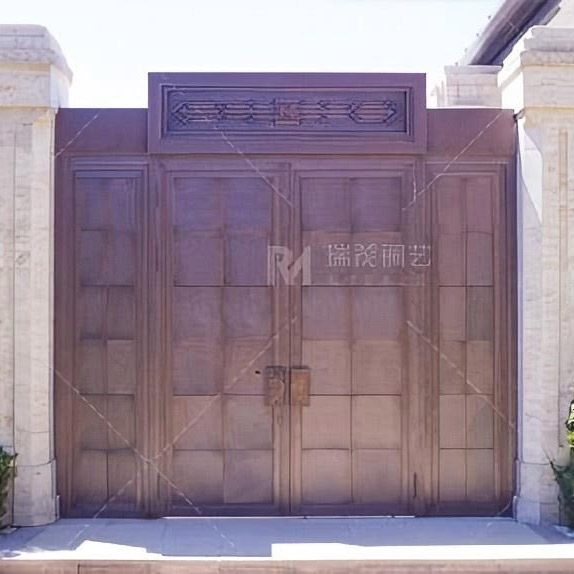 Nine Chapters Villa Artisan Copper Courtyard Gate
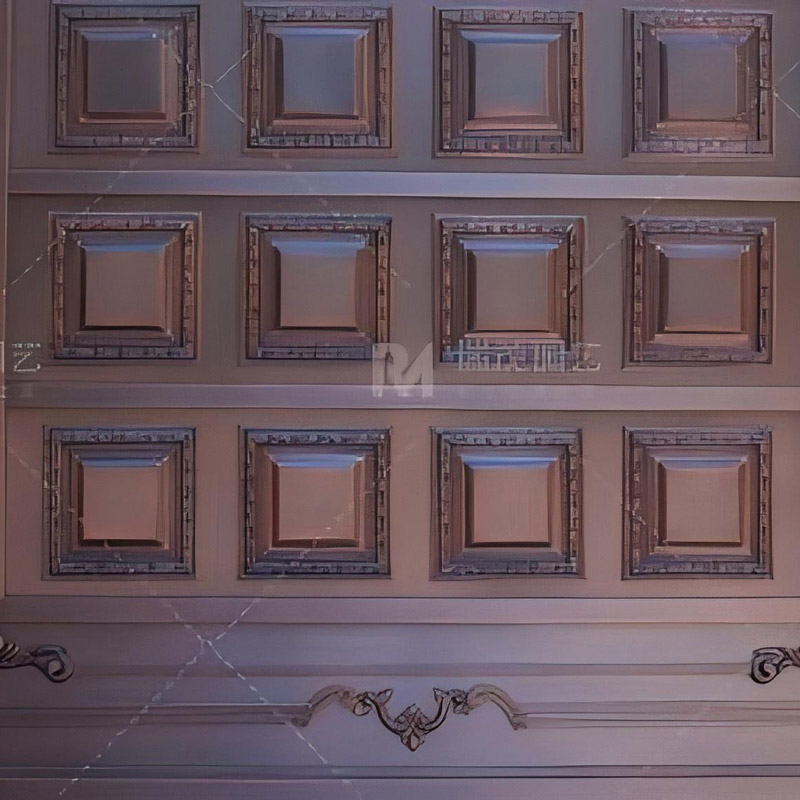 Sino-Ocean LAVIE Artisan Copper Courtyard Gate
 Shimao Xishan Artisan Copper Heritage Gate
 Diaoyuntai Cloud-Reaching Artisan Copper Gate
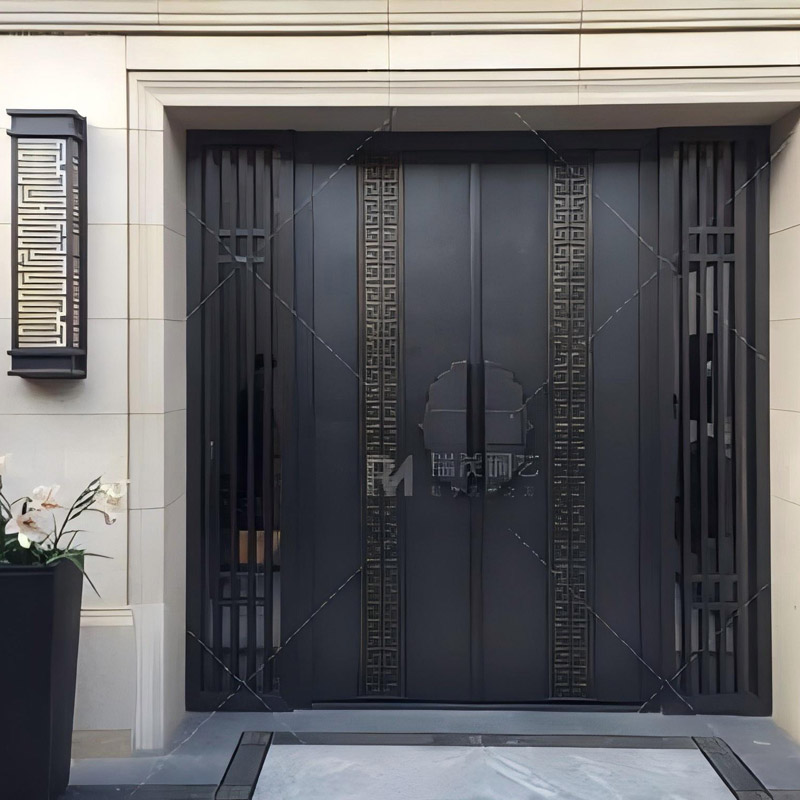 R&F MGM Artisan Copper Entertainment Gate
 Hongkun Shanyu Villa Artisan Copper Courtyard Gate
 Xiamen Longhu Jinglin Copper Art Villa Gate
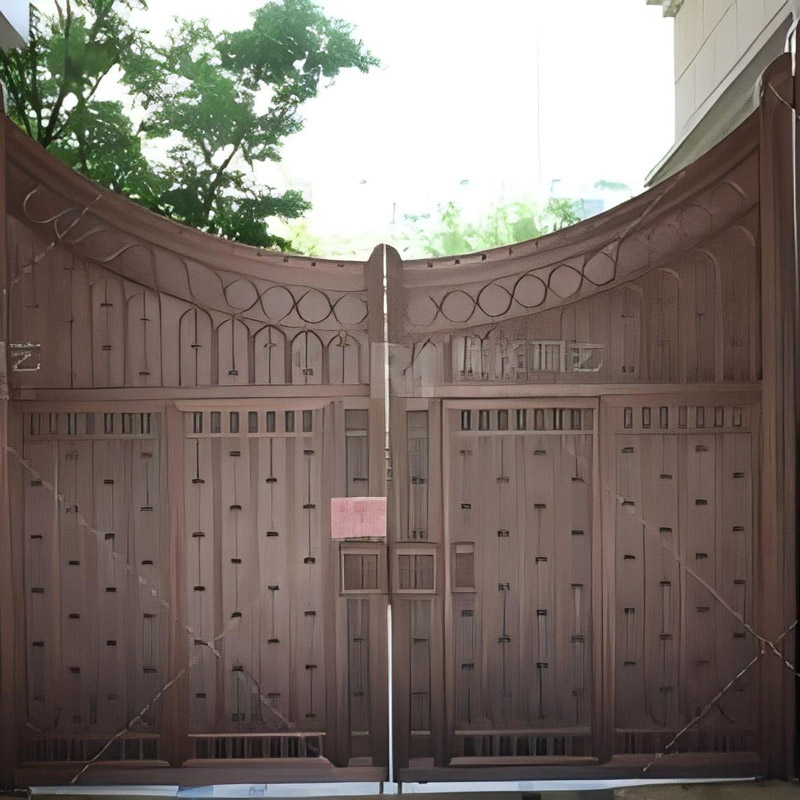 Tianjin COB Plaza Artisan Copper Gate
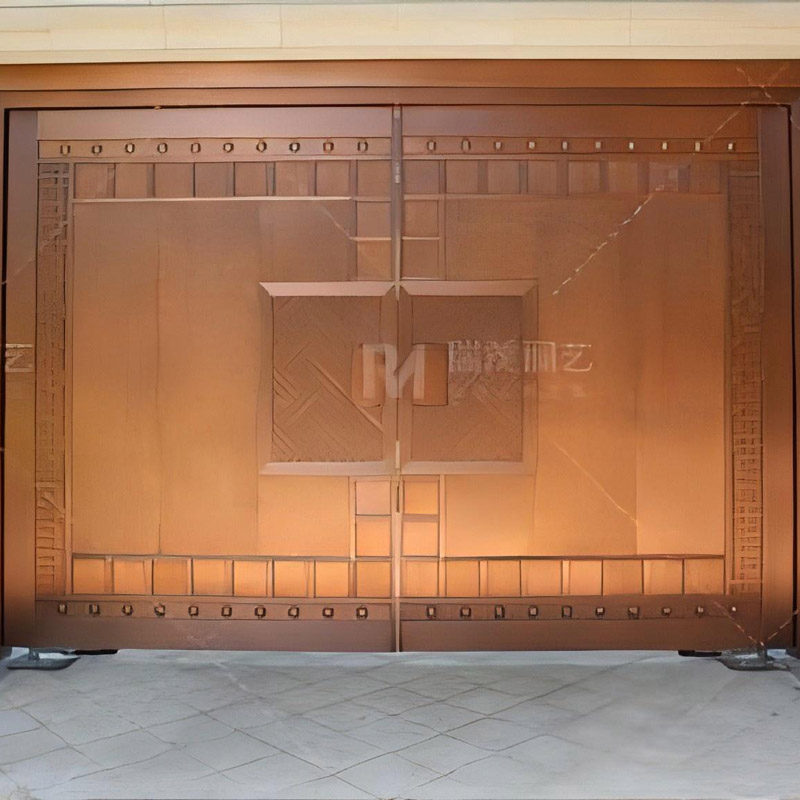 Xian Ziyingtai Artisan Copper Courtyard Gate
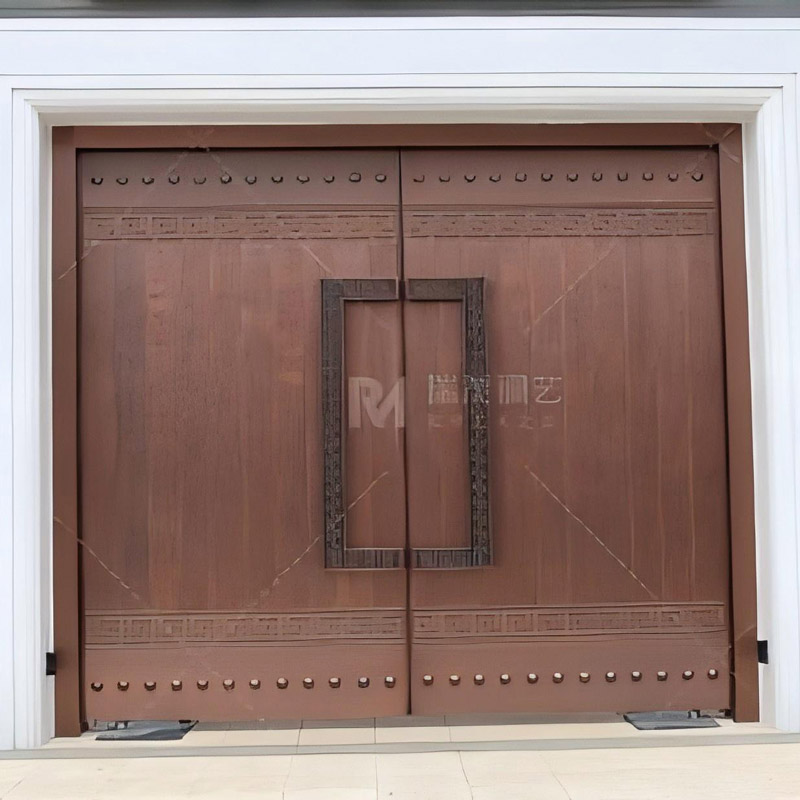 Exquisite Copper Gate of Qianshan Mansion
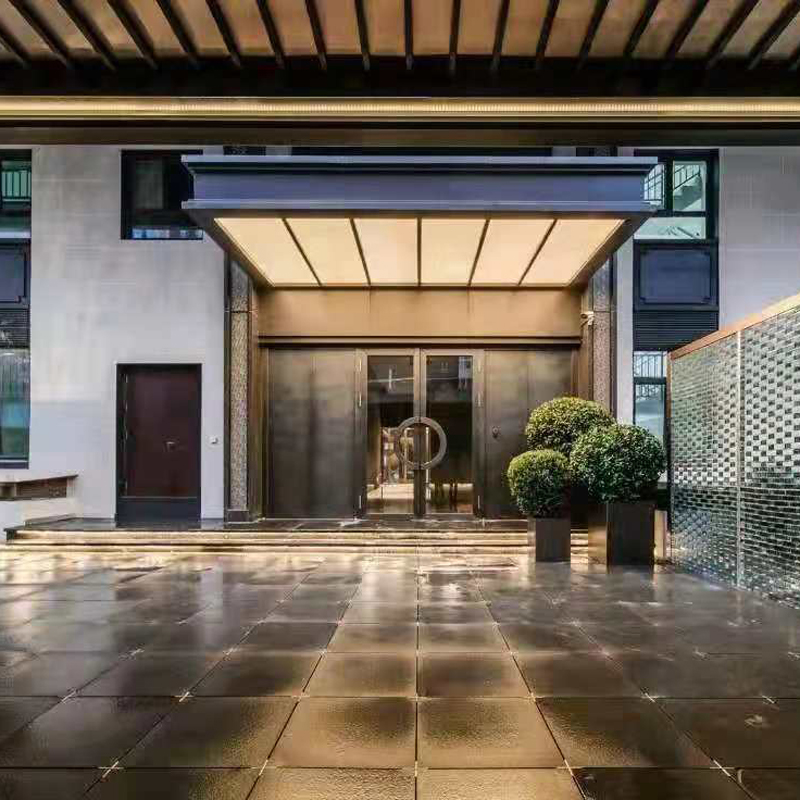 Copper Canopy, Quality Weather Shield
 Ancient Charm Copper Carving, Inheritance Of The Millennium Craftsmanship
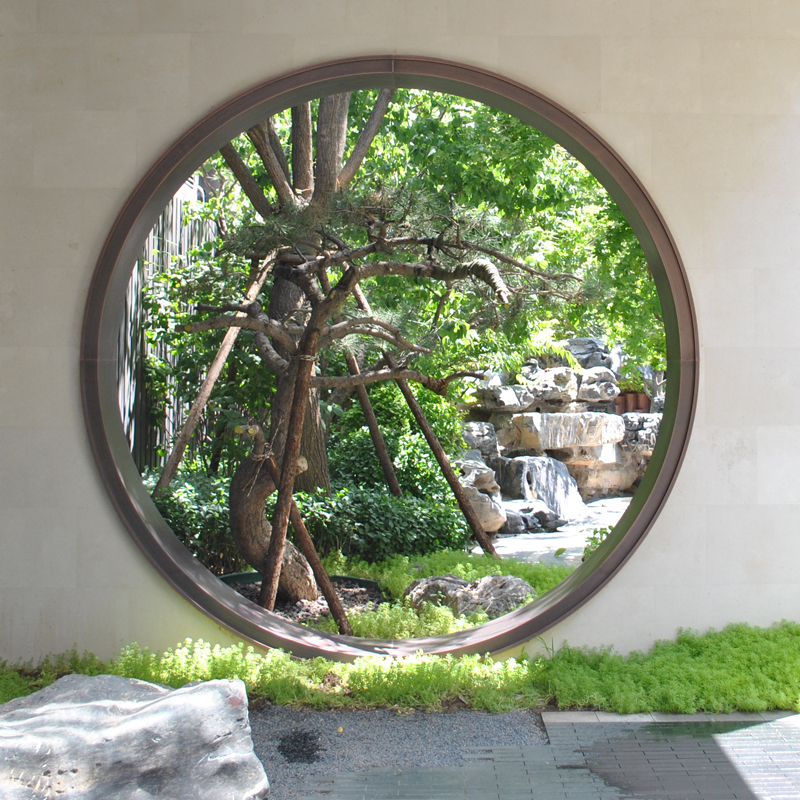 Copper Art In The Garden, Lighting Up The Beauty Of Nature
 Copper Goodies, Indoor Art Show
 Exquisite Copper Partition, Screen Shows Style
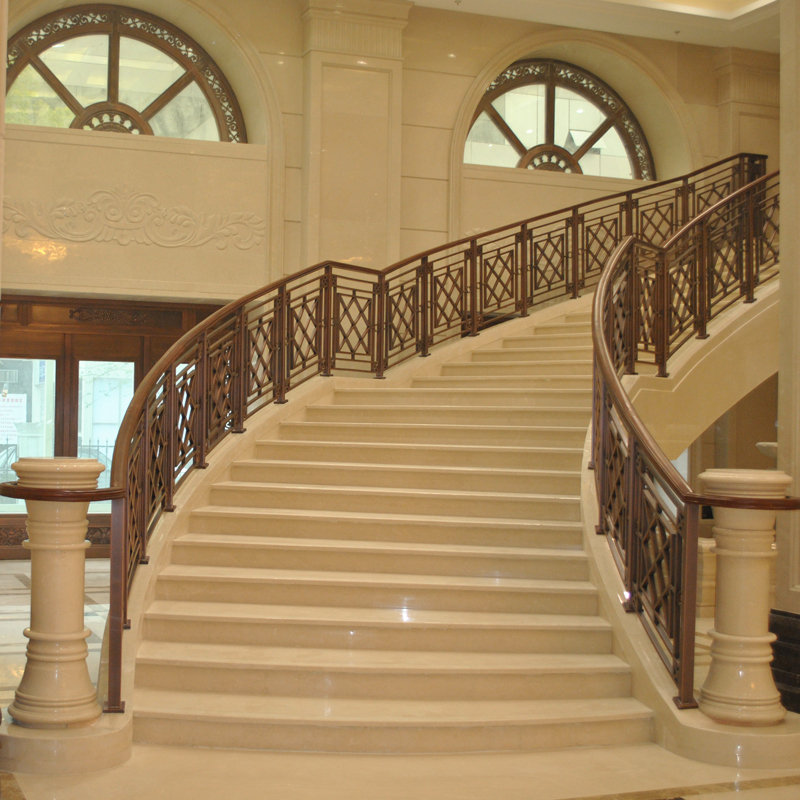 Indoor Copper Balustrade, a New Height Of Elegance
 Artisan Copper Revolving Elegance Door