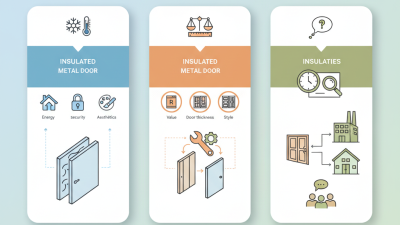
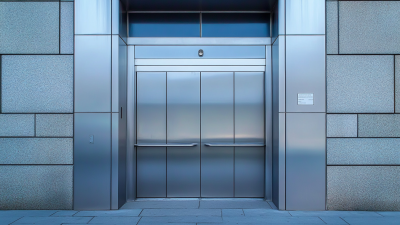
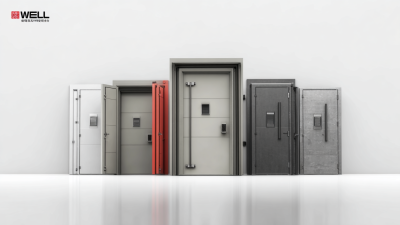
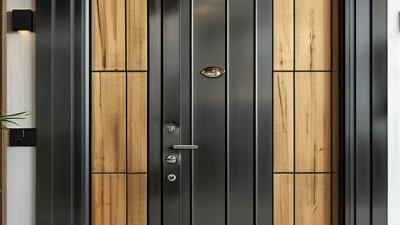
When you hear about metal internal doors, think of sturdy doors made from steel or other strong metals, with solid cores, frames, or skins. They're really built to last—perfect for spaces that demand durability, secure access, and reliable everyday use. Unlike your typical decorative wooden doors, these often resist dents, impacts, moisture, and heavy foot traffic without breaking a sweat. The construction can include insulated cores, glass panels, weather seals, hinges, and certified hardware – because, honestly, details matter big time.
You’ll find these doors everywhere—apartment hallways, office buildings, hospitals, schools, factories, plant rooms, and service areas. Imagine a busy hospital corridor—those doors face wheeled beds, cleaning chemicals, and constant opening and closing. Or in a plant room, they help keep noisy machinery separated from the occupied spaces. Some versions are fire-rated or have soundproofing, which adds to a building’s safety and comfort. But here’s the thing—performance depends a lot on how everything’s tested and installed. A door leaf alone isn’t a magic fix; the whole assembly needs to be up to standard.
Picking the right metal internal door isn’t just about the price tag. You’ve got to think about traffic levels, humidity, security needs, the size of the openings, hardware compatibility, and maintenance. We’ve seen firsthand that bad measurements can cause all sorts of delays—so proper sizing is a must. Even the best door can fail if the frame isn’t aligned right or if its seals are damaged—things that are easy to overlook.
Reliable suppliers should provide you with clear technical data, installation advice, and proof from trusted testing agencies. And don’t forget—local building codes are a must to check in with a professional. Now, these doors aren’t a fit for every single interior project. Sometimes, you need something warmer, lighter, or with a softer look. But if resilience and controlled performance are what you're after, Metal Internal Doors seriously deliver a solid, long-term solution.
What Are Metal Internal Doors?
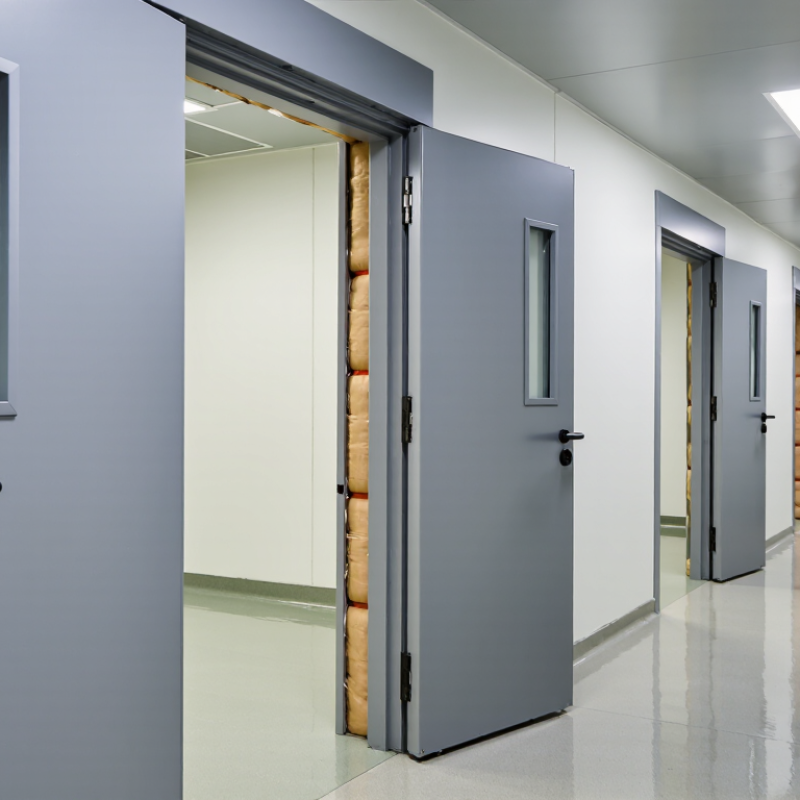
Metal internal doors are doors designed for indoor spaces, with a leaf and frame made mainly from steel or aluminum. They are not ordinary wooden doors covered with a thin metal sheet. Many steel doors contain a reinforced core, folded edges, hinges, and a durable powder-coated or painted surface. The core may improve fire resistance, sound control, or impact strength, depending on the tested construction.
These doors appear in offices, schools, hospitals, apartment buildings, workshops, and service corridors. In a busy hospital, a smooth steel leaf can withstand repeated cleaning and trolley impacts. In a workshop, it can separate noisy equipment areas from quieter rooms. Fire-rated models may protect openings between internal zones, but their performance depends on the complete door assembly, including the frame, seals, hinges, and closer. A door alone proves little.
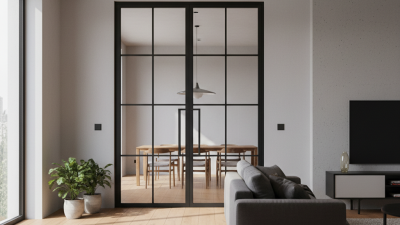
Installation experience shows that accurate measurements matter. Small gaps can affect sound reduction, security, and everyday operation. Maintenance teams should check hinges, latches, seals, and surface damage regularly. Metal Doors can feel cold and severe. That is a real design weakness. However, glass panels, warmer finishes, or timber details can make them less institutional. Selecting the right door means balancing durability, appearance, cleaning needs, weight, and the building’s tested performance requirements.
What Are Metal Internal Doors and Where Are They Used?
Metal internal doors are durable, non-load-bearing doors commonly made from galvanized or painted steel. Their fire-resistance rating is selected according to building regulations, occupancy type, and the surrounding wall construction.
The chart shows commonly specified fire-resistance periods for internal steel doors. Actual requirements depend on the building design, fire strategy, and local regulations. These doors are frequently used in offices, hospitals, schools, apartment buildings, plant rooms, warehouses, and industrial facilities.
How Metal Internal Doors Are Constructed
Metal internal doors are built for controlled performance, not decoration alone. Manufacturers usually form galvanized or stainless steel sheets around a mineral, honeycomb, or steel-stiffened core. The core reduces flexing and limits heat movement. Welded or mechanically joined edges create a rigid door leaf.
Frames are fabricated from folded steel sections. Hinges, closers, locks, and smoke seals must align precisely. A gap that looks harmless can weaken the assembly. Fire-rated versions, including Metal Fire Doors, use tested cores, intumescent seals, and protected hardware. Their ratings depend on the complete door-and-frame set, not the leaf alone. NFPA 80 requires installation and maintenance practices for opening protectives, while EN 1634-1 evaluates fire-resistance performance through controlled furnace testing. Fire ratings are tested, not guessed.
Construction details matter in hospitals, schools, factories, offices, and apartment corridors. NFPA’s Fire Loss in the United States During 2023 reported about 1.39 million fires and approximately 3,670 civilian fire deaths. That data does not prove every metal door prevents loss. It does show why passive protection deserves careful attention. A door may survive heat, yet fail because of poor fitting or damaged seals. This is the uncomfortable part. Product specifications can look impressive, but site workmanship remains difficult to measure. Regular inspections should check closing speed, hinge movement, frame distortion, and seal continuity. Small defects matter.
What Are the Main Types of Metal Internal Doors?
Metal internal doors are built for demanding spaces where ordinary timber doors may wear quickly. They commonly appear in hospitals, schools, workshops, offices, plant rooms, and apartment corridors. Their steel or aluminum construction resists impacts, moisture, and frequent cleaning. A properly fitted frame also reduces rattling and unwanted drafts.
The most common type is the Hollow Metal Door. It has steel skins around a reinforced core, making it practical and relatively light. Solid steel doors provide greater strength, but they add weight and need stronger hinges. Fire-rated metal doors contain tested cores and intumescent seals. These seals expand during a fire, helping limit heat and smoke movement. Glazed metal doors use wired, laminated, or fire-rated glass for visibility. They work well near reception areas and busy corridors. Aluminum-framed glass doors offer a brighter appearance, although they usually provide less impact resistance.
Acoustic metal doors include dense cores and perimeter seals. They suit meeting rooms, recording areas, and machinery zones. Security doors may include reinforced panels, multi-point locks, and concealed hinges. They should not be confused with Metal Entry Doors, which are normally designed for exterior access. In my experience, door type should follow the building’s real use, not only its appearance. A heavy door can become inconvenient when staff open it hundreds of times daily. I have also seen poorly sealed frames weaken an otherwise strong installation. Check fire ratings, hardware compatibility, corrosion protection, and maintenance access before choosing. Some details are easy to overlook.
Where Are Metal Internal Doors Commonly Used?
Metal internal doors are most commonly used where daily traffic, impact, privacy, or fire performance matters. Offices, hospitals, schools, hotels, warehouses, and apartment buildings often choose them for busy corridors and service areas. Metal Office Doors can withstand repeated opening, trolley movement, and accidental knocks better than many lightweight alternatives.
Hospitals use them near operating rooms, laboratories, plant rooms, and waste-handling routes. Their smooth, durable surfaces also support regular cleaning. Schools often install them in stairwells, classrooms, and maintenance zones, where doors face constant use. In warehouses, metal doors separate storage areas from offices or loading spaces. The U.S. Energy Information Administration’s Commercial Buildings Energy Consumption Survey reports that offices, schools, healthcare facilities, and warehouses form major parts of commercial building stock. That broad building mix helps explain their widespread application.
Fire-rated metal doors are also common in protected corridors and stair enclosures. NFPA’s Fire Loss in the United States 2022 report recorded about 1.5 million fires and $18.1 billion in property damage. A compliant door assembly can slow smoke and fire movement, but only when the frame, hardware, seals, and wall are correctly specified. NFPA 80 provides installation and maintenance requirements for these assemblies. A strong door alone is not enough. This is where projects sometimes fail. Designers should check traffic levels, moisture, acoustic needs, and certification details before selecting a standard leaf. Metal doors can be excessive in a quiet office, yet too weakly specified for a busy hospital corridor.
What Benefits and Limitations Do Metal Internal Doors Have?
Metal internal doors are doors made from formed steel or aluminium, often with mineral cores, hinges, and tested hardware. They appear in hospitals, schools, offices, apartment corridors, plant rooms, and service areas. Metal Folding Doors can also divide internal spaces where flexible access matters. Their clean surfaces tolerate frequent cleaning, while steel skins resist impacts from carts, equipment, and busy traffic.
The benefits are practical. Properly tested assemblies can provide fire resistance, smoke control, acoustic separation, and improved security. However, a metal door is not automatically fire-rated. Its leaf, frame, seals, glazing, and hardware must work as one certified system. The National Fire Protection Association recorded 1,504,500 fires in the United States during 2022, showing why passive protection deserves careful specification (NFPA, Fire Loss in the United States During 2022). Durability is another advantage, but dents remain visible and repairs may require specialist tools.
Limitations need equal attention. Metal conducts heat, creating cold surfaces and thermal bridges around poorly insulated frames. UNEP’s 2024 Global Status Report for Buildings and Construction estimates that buildings consume 32% of global energy and produce 34% of global carbon dioxide emissions. Door performance therefore depends on seals, frame detailing, and the building envelope, not the material alone. Steel can corrode in damp environments without suitable coatings. Aluminium reduces weight, but it may offer lower impact resistance in some applications. Heavy doors can also stress hinges and users. Sometimes, the strongest specification is simply the wrong one.
Exquisite Glass-Copper Doors for Shiguan 1 Hao Yuan: Design, Craftsmanship, and Architectural Appeal
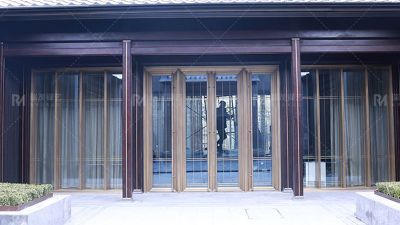
Designed for the distinguished No. 1 Courtyard, this exquisite glass-copper door combines refined architectural character with dependable craftsmanship. Selected high-grade copper gives the structure a substantial, enduring presence, while its resistance to wear and deformation supports reliable performance in daily use. Multiple polishing stages create a smooth, reflective surface, and advanced protective treatment helps preserve its warm metallic luster over time. Paired with carefully selected glass, the door introduces a balanced interplay of transparency, privacy, light, and solidity.
Its decorative language is defined by a distinctive textured sculpture inspired by geometric forms and flowing, rhythmic lines. These elements interweave across the door with controlled simplicity, creating an artistic expression that feels elegant rather than excessive. Every contour reflects careful attention to proportion, texture, and detail, allowing the door to complement both contemporary minimalist interiors and refined New Chinese-inspired spaces. Beyond serving as an entrance, it provides a graceful transition between exterior and interior, enhances privacy, and adds a strong sense of presence to the residence. Each opening reveals the lasting appeal of copper, glass, and thoughtful design working in harmony.
Conclusion
Metal Internal Doors are interior door systems made with a metal frame, reinforced core, and durable surface finish. They are designed to provide greater strength and stability than many conventional interior doors. Construction may include steel or aluminum components, insulated or solid cores, hinges, locks, vision panels, and protective coatings. Common finishes include painted, powder-coated, galvanized, or stainless-steel surfaces, allowing the doors to suit different design requirements and environmental conditions.
The main types include single or double swing doors, sliding doors, glazed doors, fire-resistant doors, acoustic doors, and security-focused options. Metal Internal Doors are commonly used in offices, factories, warehouses, schools, hospitals, apartment buildings, service areas, and other busy indoor spaces. Their key benefits include durability, low maintenance, improved security, resistance to impact, and the ability to meet fire or sound-control needs when properly specified. However, they can be heavier and more expensive than lightweight alternatives, and some finishes may require protection against moisture or corrosion.

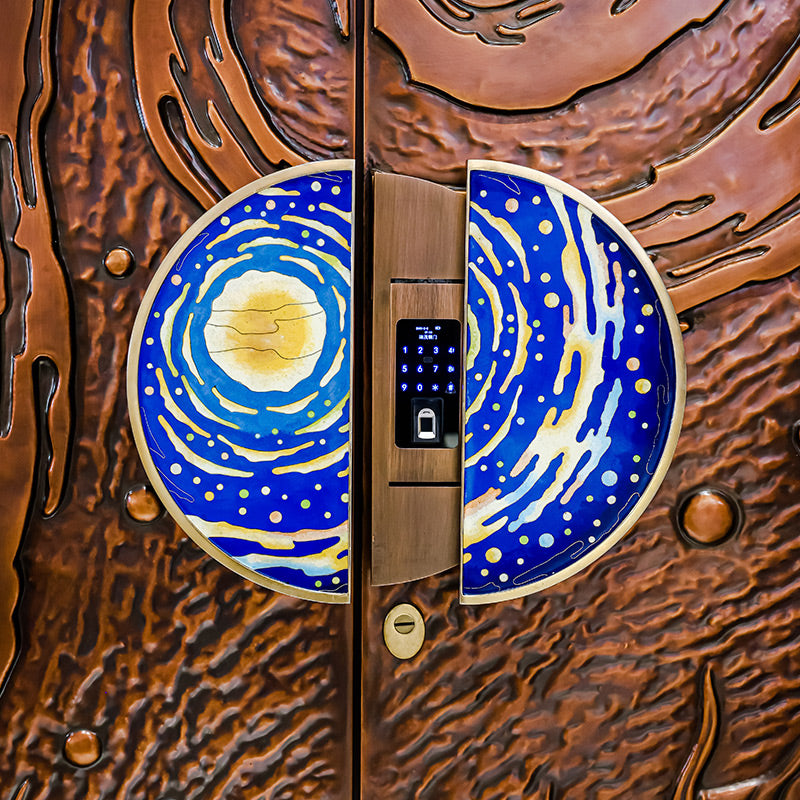 Copper Entrance Door
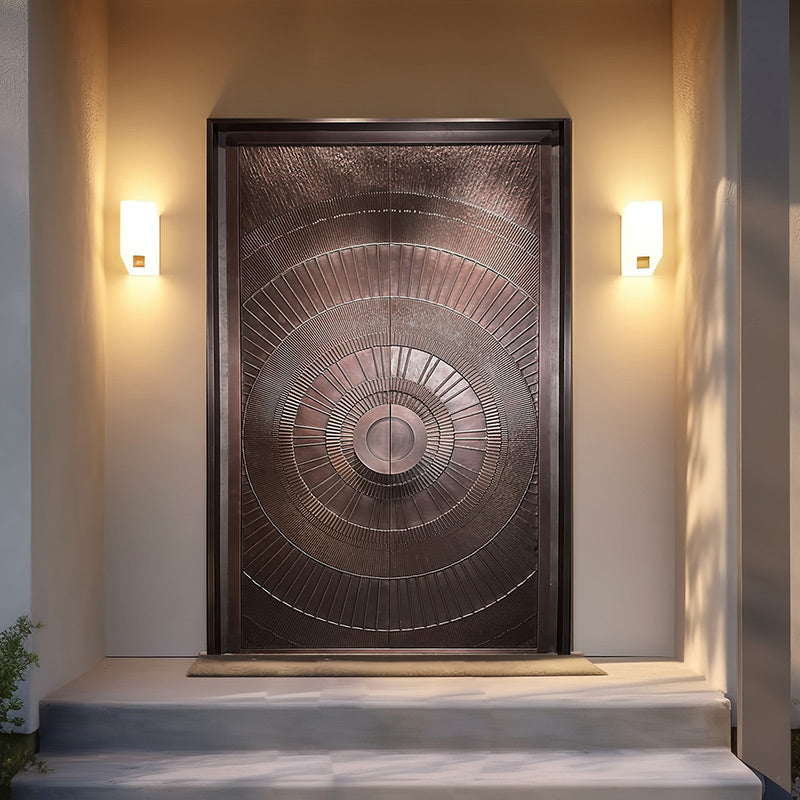 Copper Doors: Meticulously Crafted with Unparalleled Quality
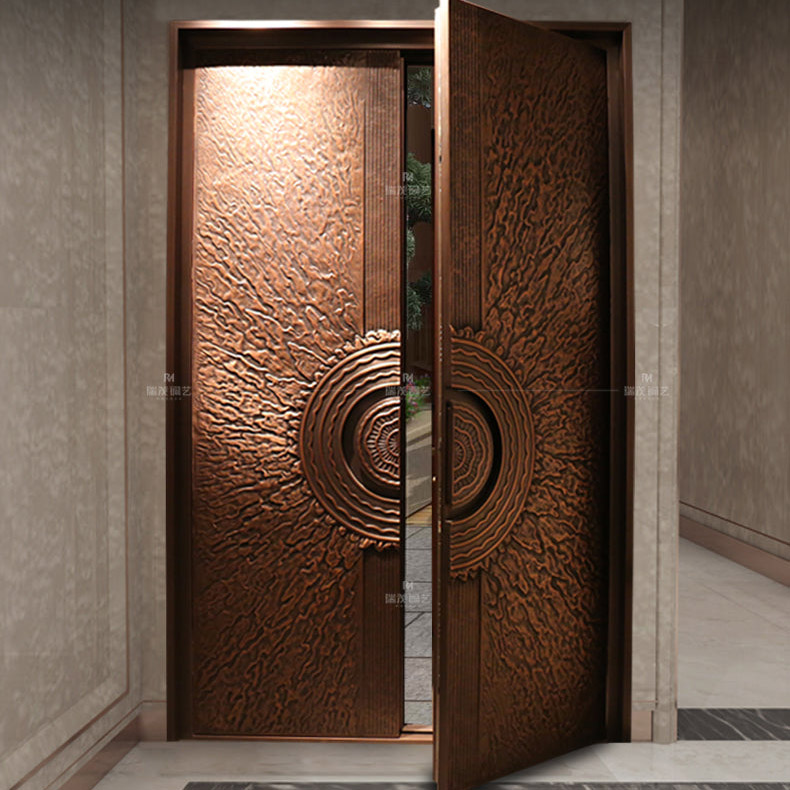 Lucky Star Artisan Copper Villa Blessing Door
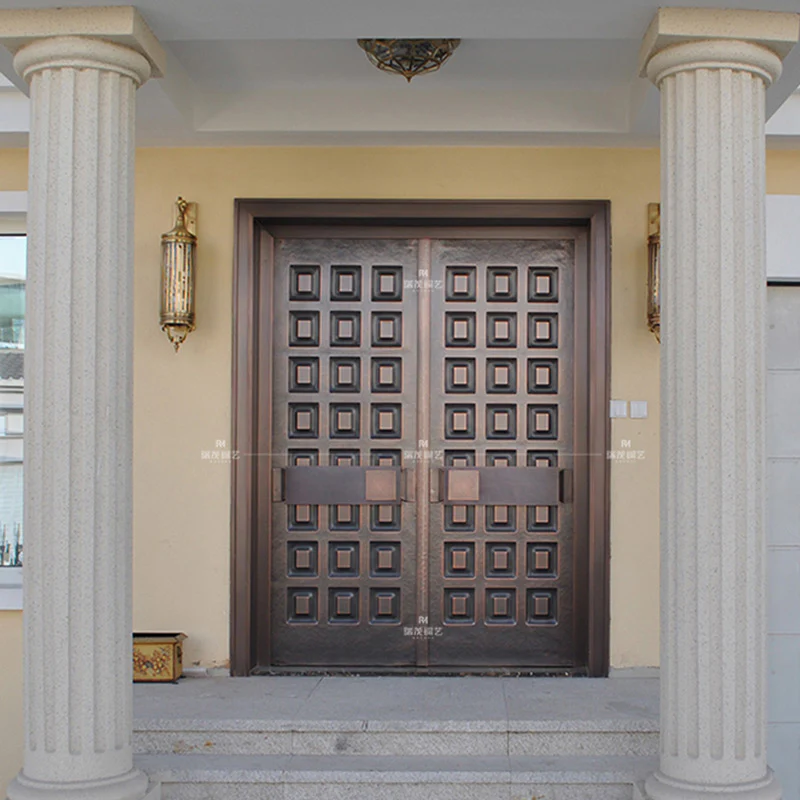 Dynasty Prosperity Artisan Copper Legacy Door
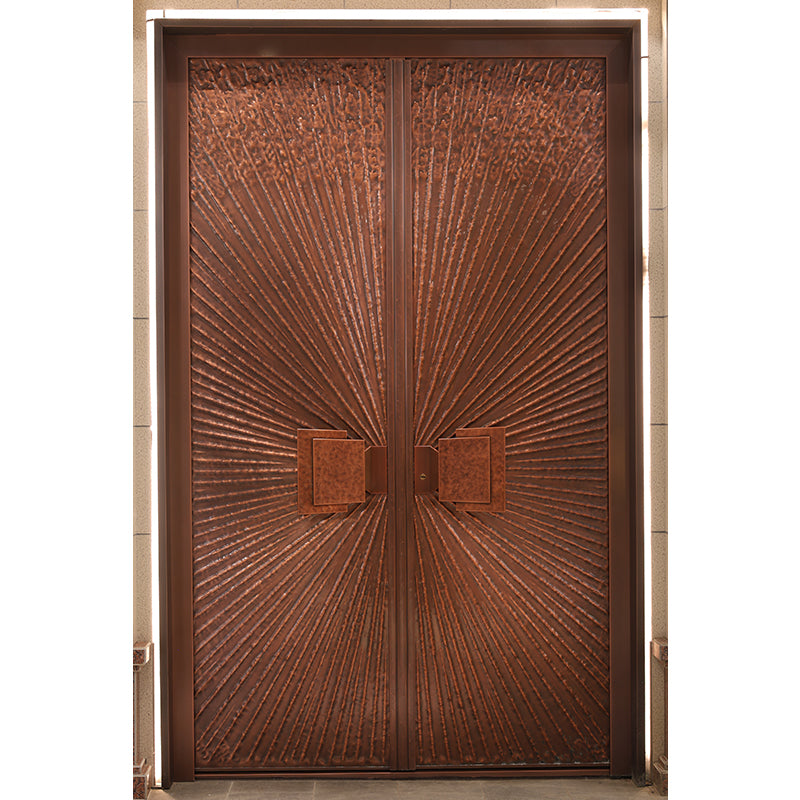 Auspicious Radiance Artisan Copper Legacy Door
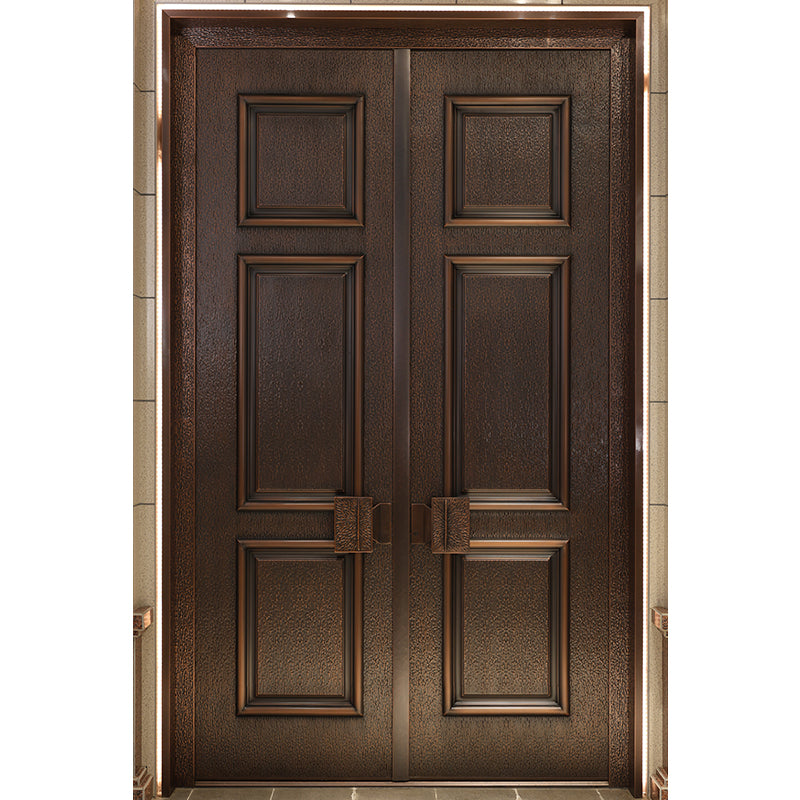 Woodgrain Artisan Copper Nature-Infused Door
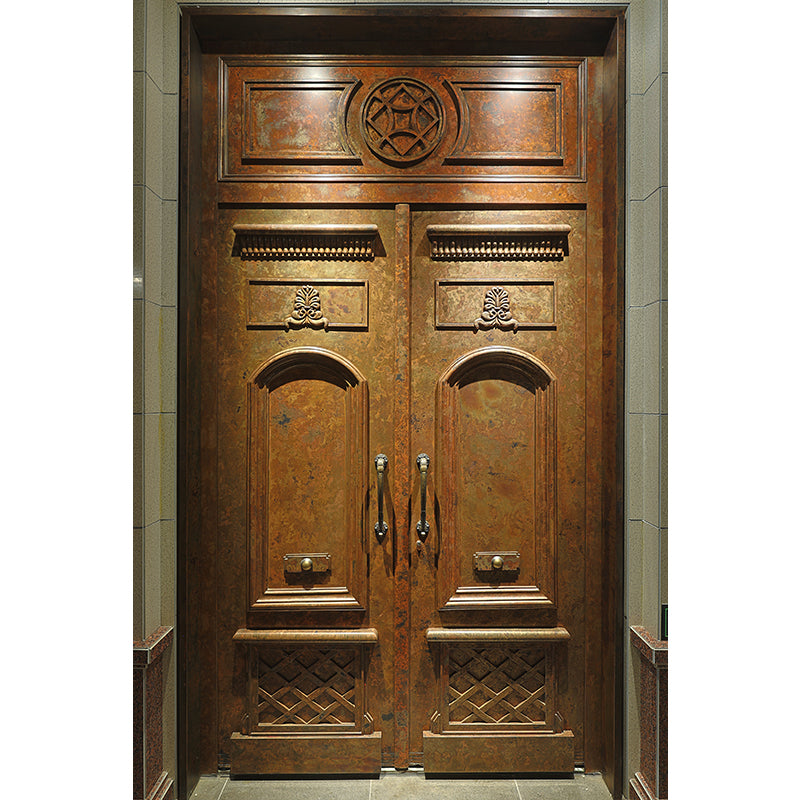 Artistic Copper Door for Harmonious Homes
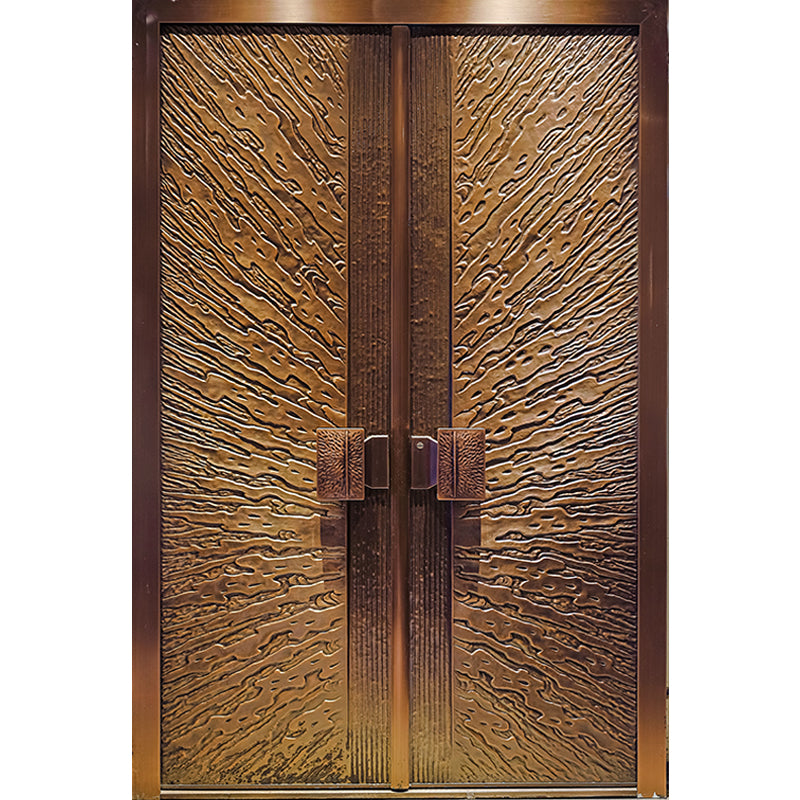 Global Artisan Copper World-Inspired Door
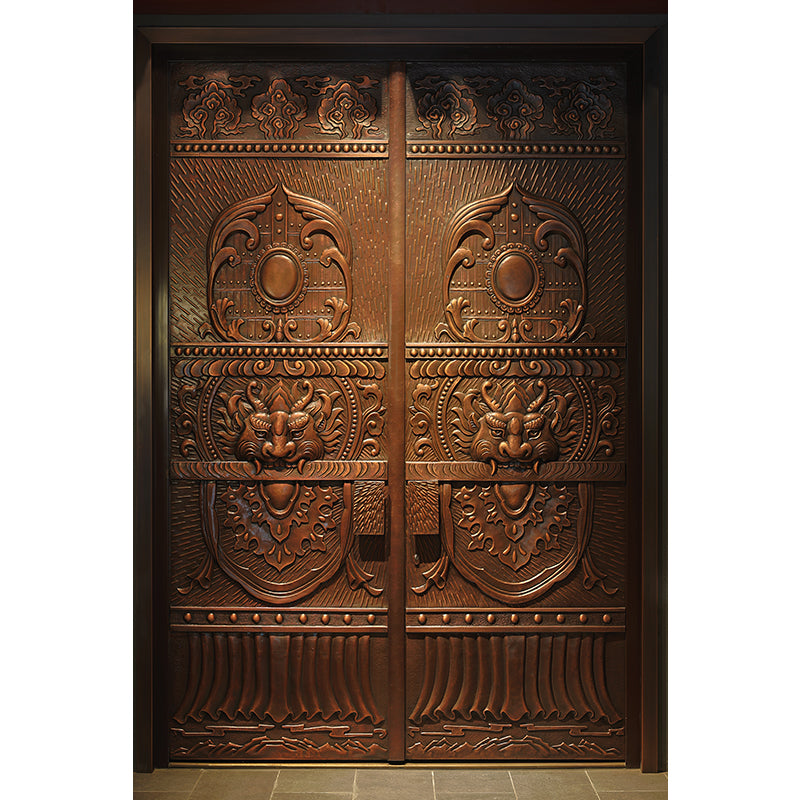 Artisan Copper Home Guardian Art Door
 Eternal Prime Artisan Copper Heritage Door
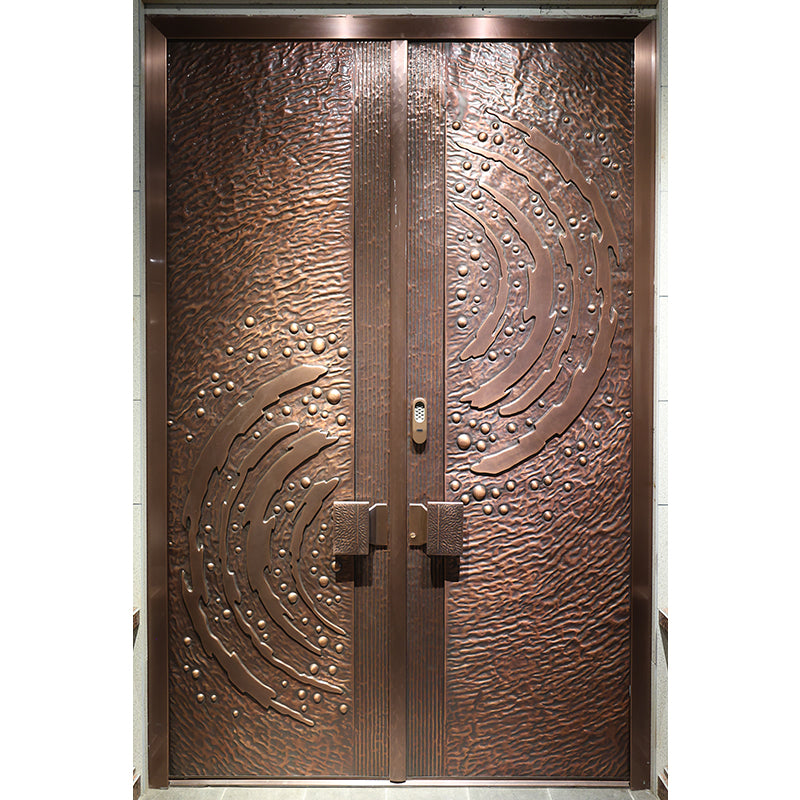 Celestial Artisan Copper Villa Stargazing Door
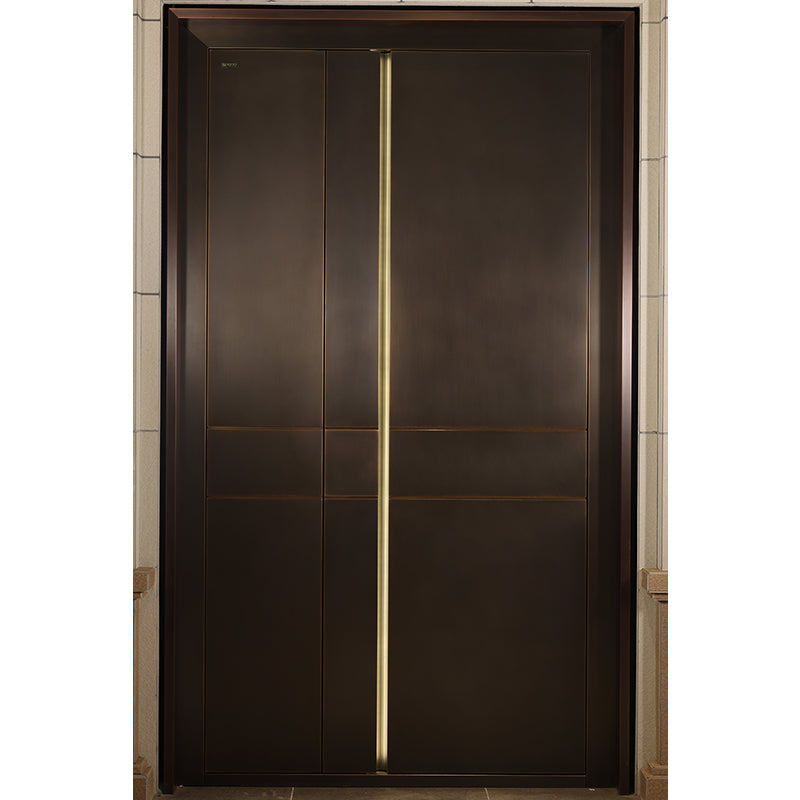 Eternal Summer Artisan Copper Timeflow Door
 Auspicious Artisan Copper Heritage Entry Door
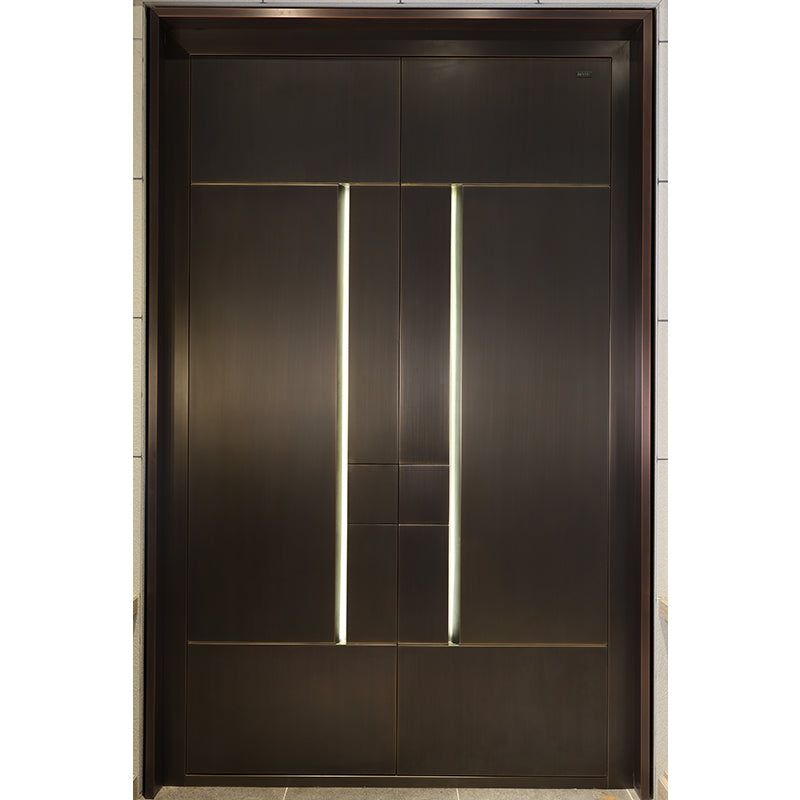 Minimalist Artistic Copper Door for Modern Homes
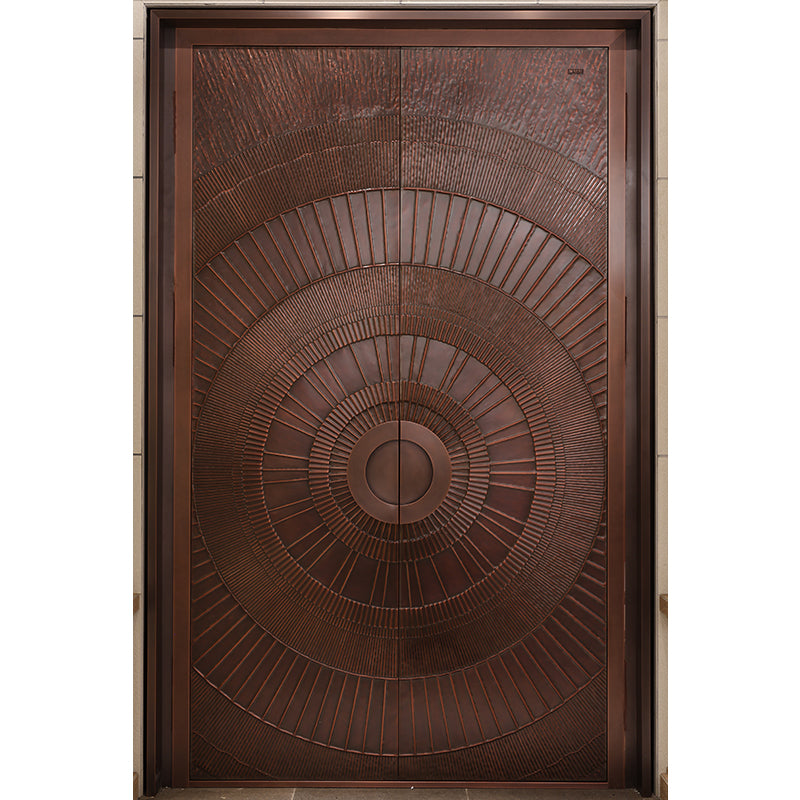 Harmony Circle Artisan Copper Door with Chinese Essence
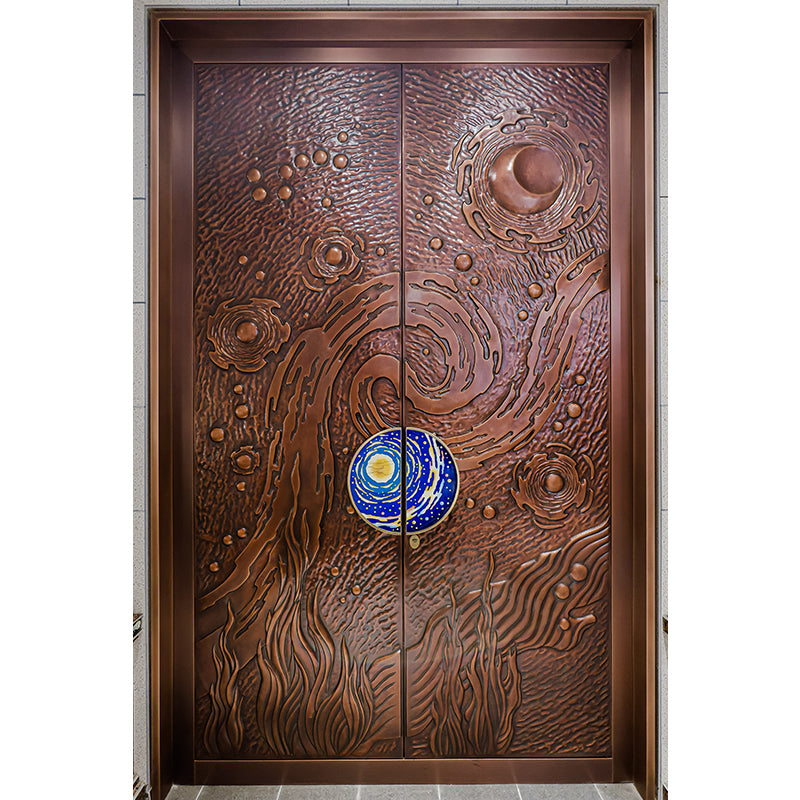 Nebula Grandeur Artisan Copper Villa Door
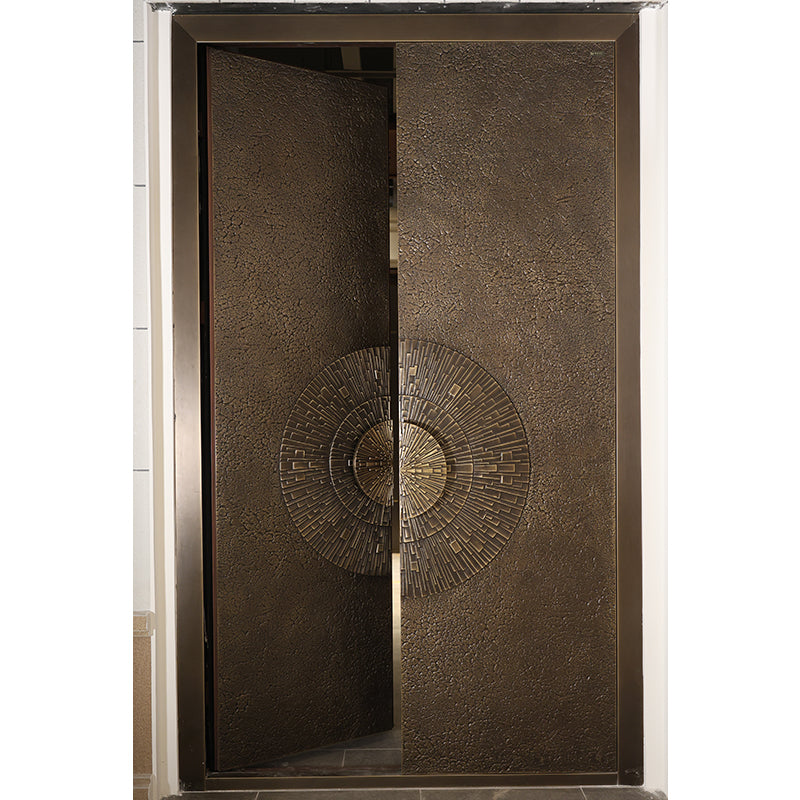 Auspicious Star Artisan Copper Blessing Door
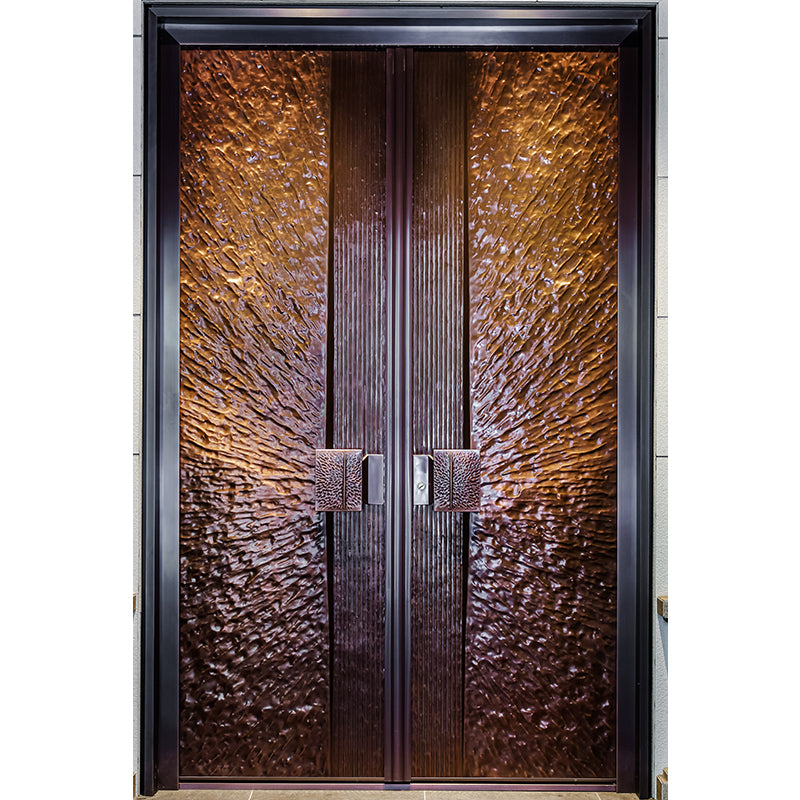 Dawn Glow Artisan Copper Flow Door
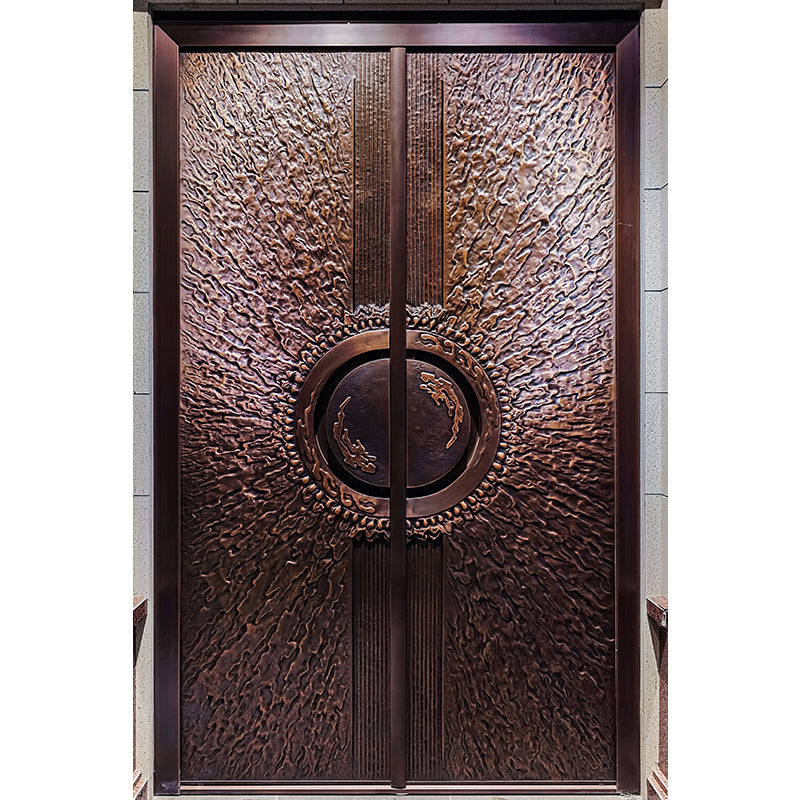 Sunlit Artisan Copper Villa Radiance Door
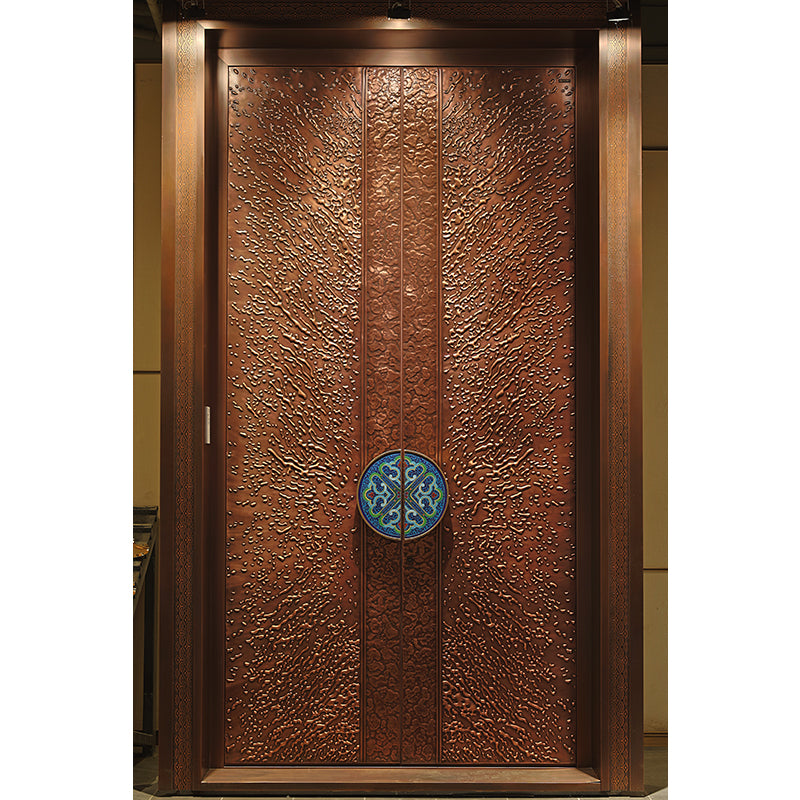 Cloisonné Waterdrop Artisan Copper Door
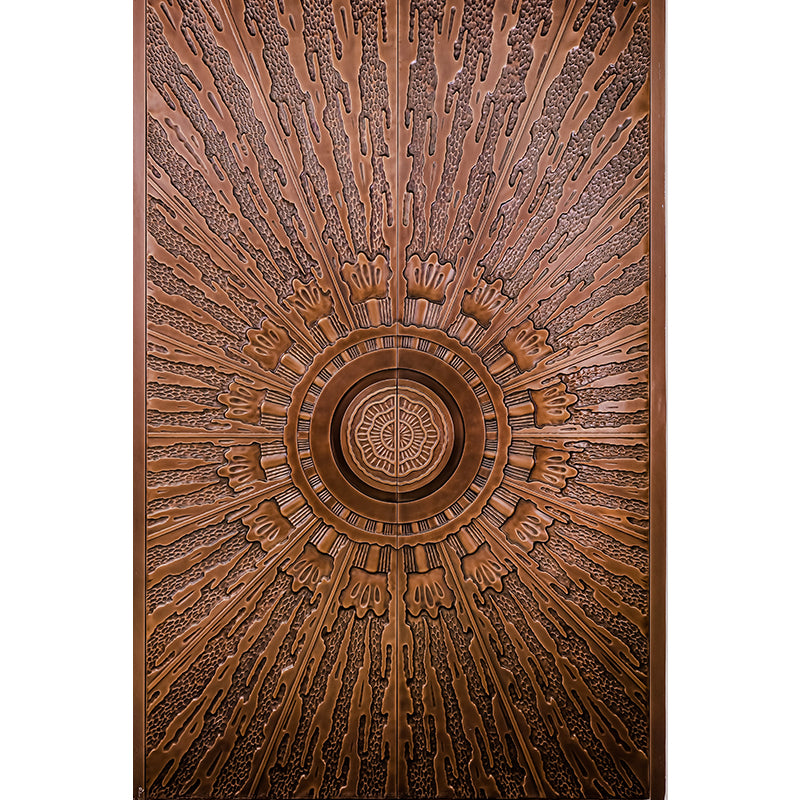 Radiant Artisan Copper Luxe Door
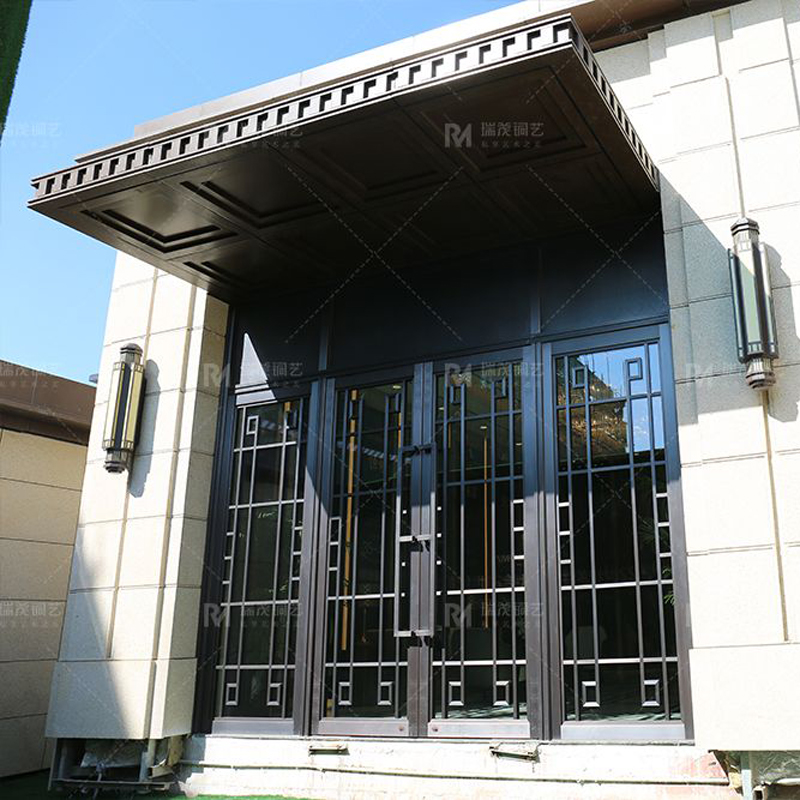 Contemporary Cosmopolitan Artisan Glass-Copper Door
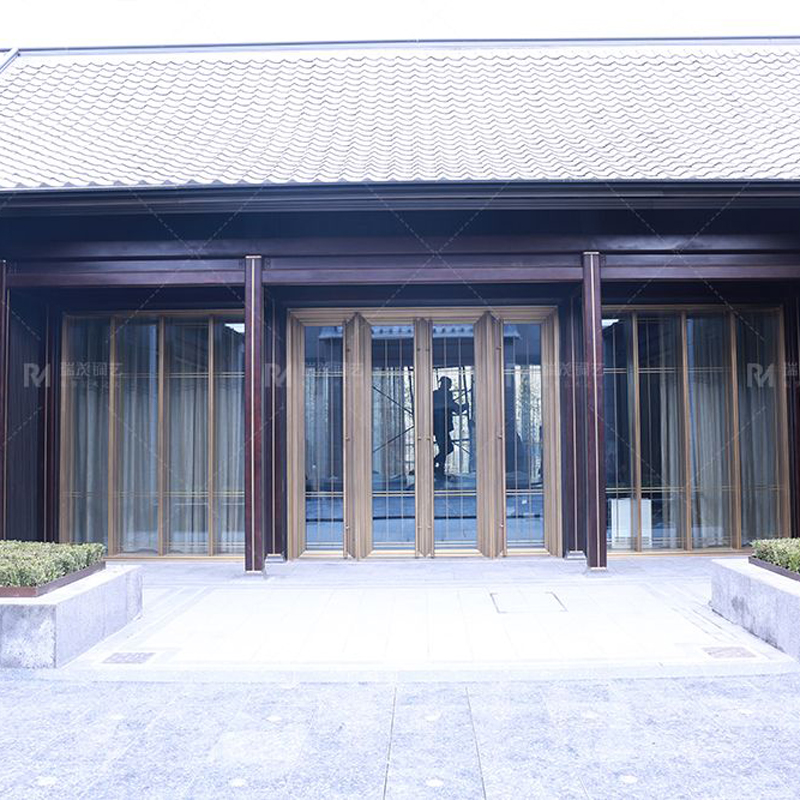 Exquisite Glass-Copper Doors for Shiguan 1 Hao Yuan
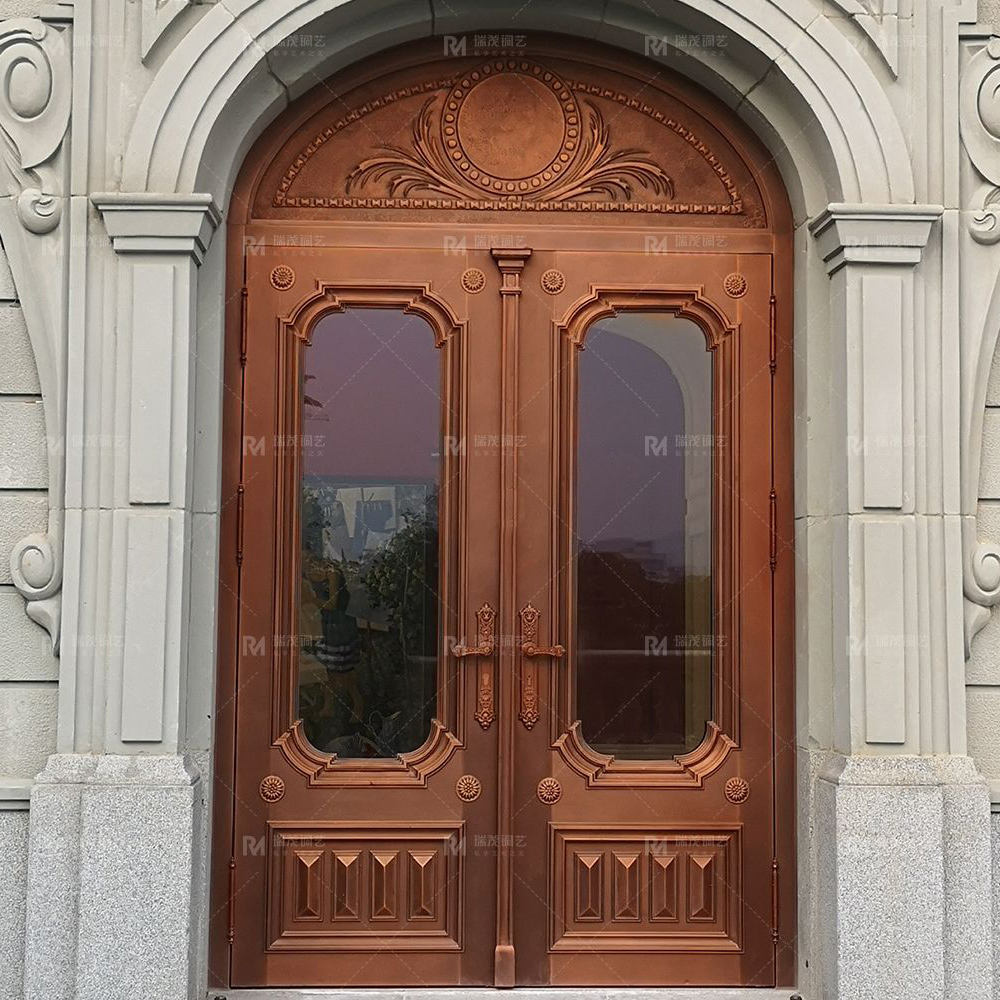 Huawei Glass-Infused Artisan Copper Door
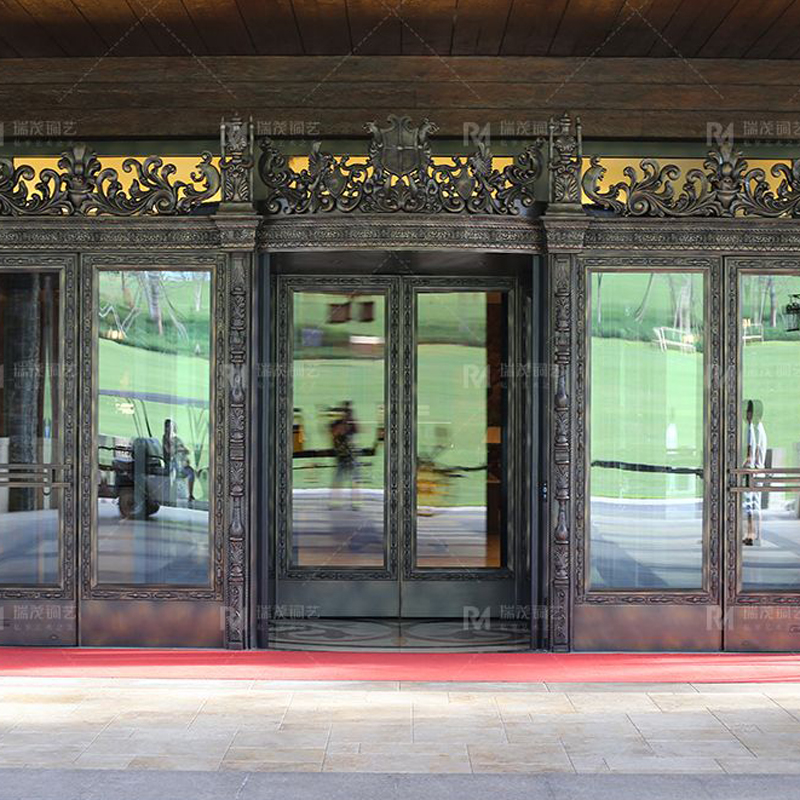 Gorgeous Glass Copper Doors for Jinhaihu
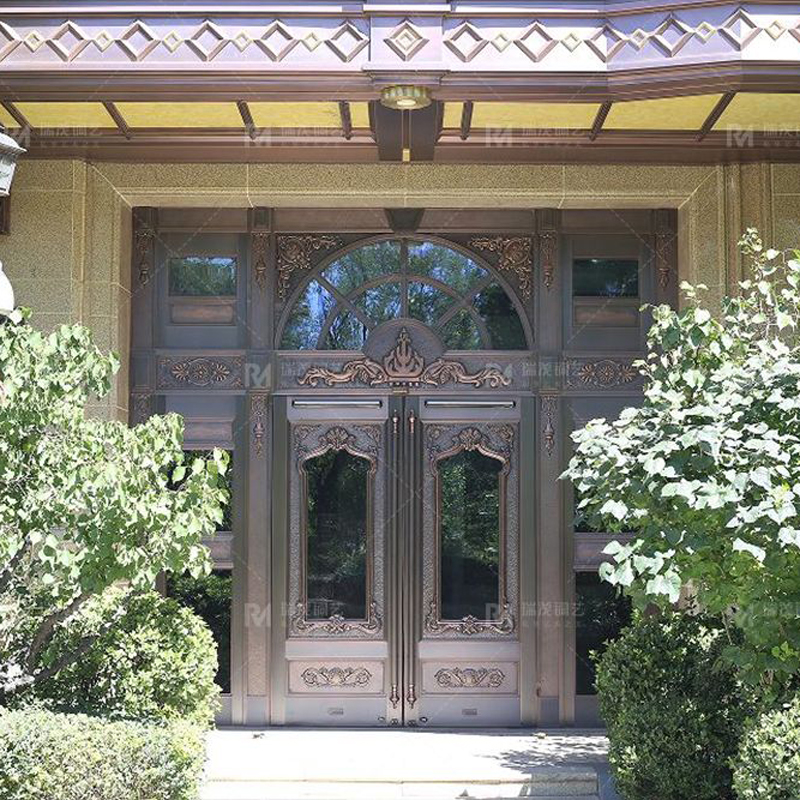 Graceful Glass Copper Doors for Yuanyang Wanhe Mansion
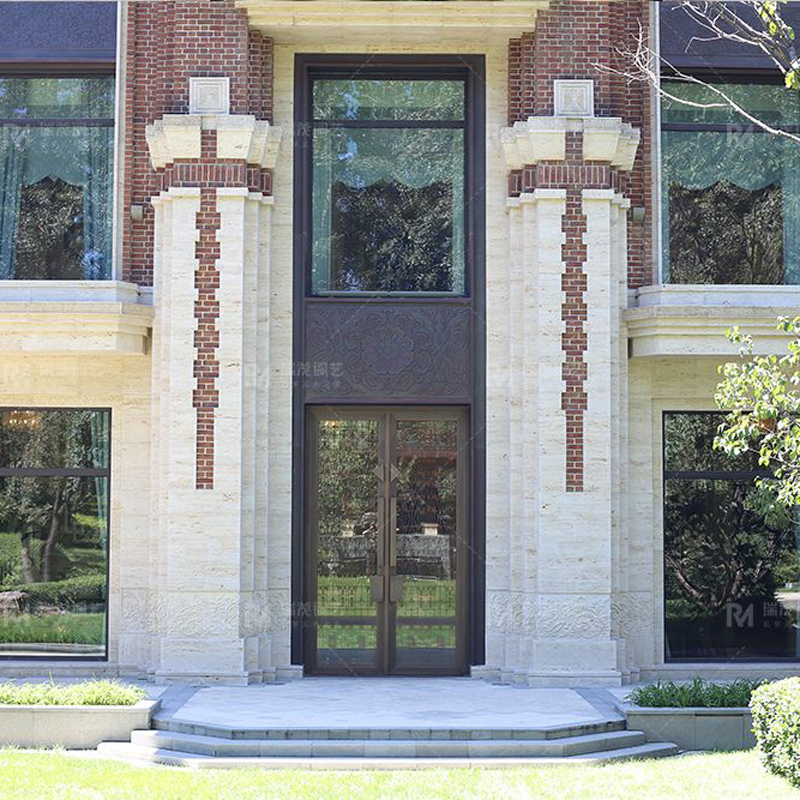 Nine Chapters Villa Artisan Glass-Copper Door
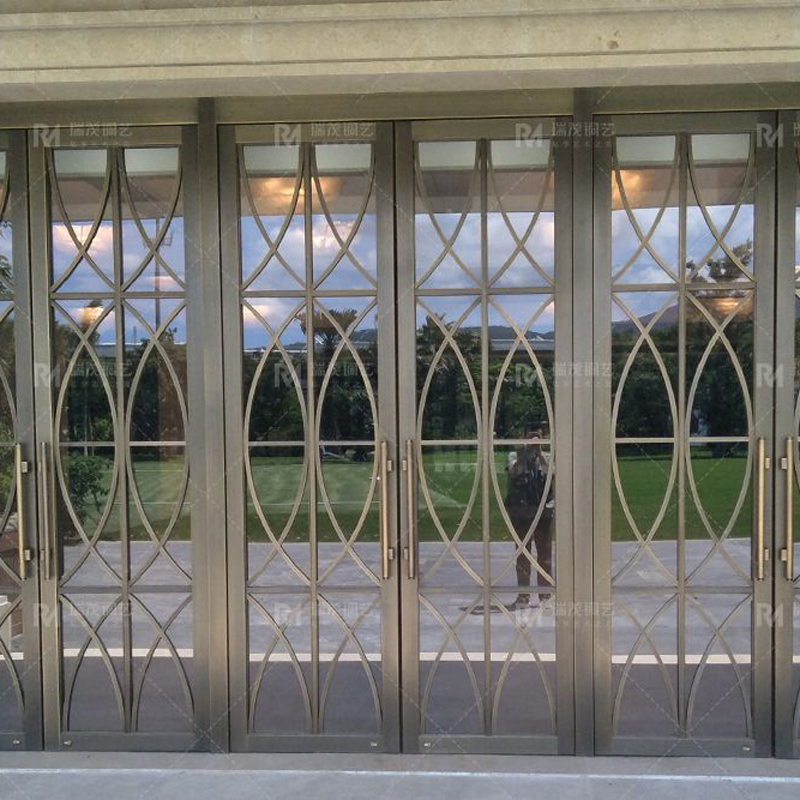 Graceful Tropical Glass - Copper Doors for Banshan Banda
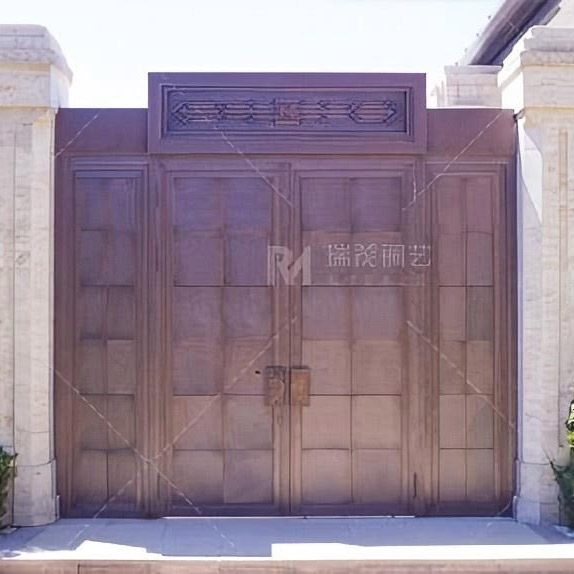 Nine Chapters Villa Artisan Copper Courtyard Gate
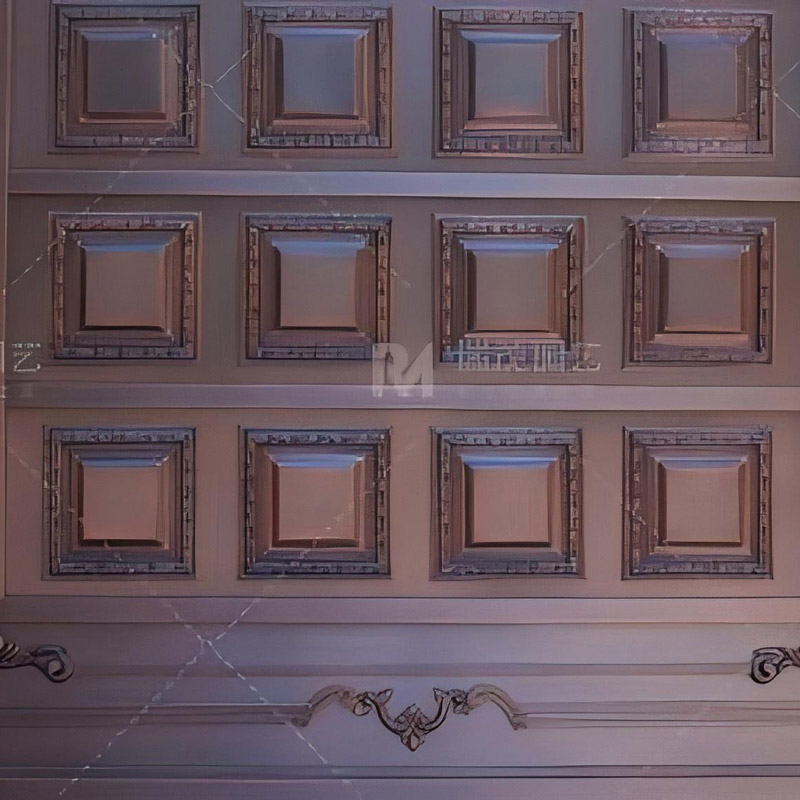 Sino-Ocean LAVIE Artisan Copper Courtyard Gate
 Shimao Xishan Artisan Copper Heritage Gate
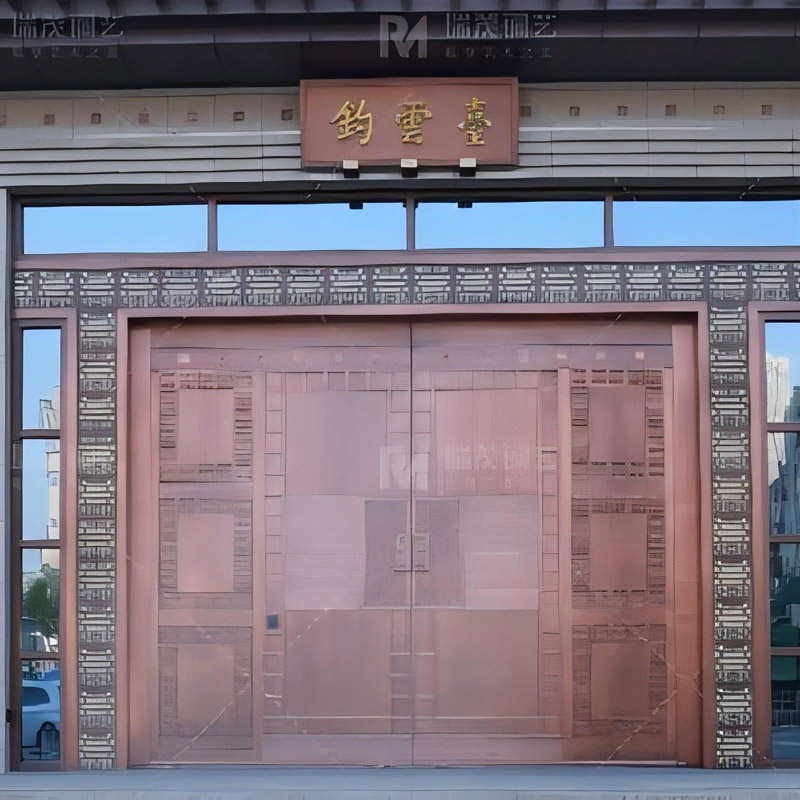 Diaoyuntai Cloud-Reaching Artisan Copper Gate
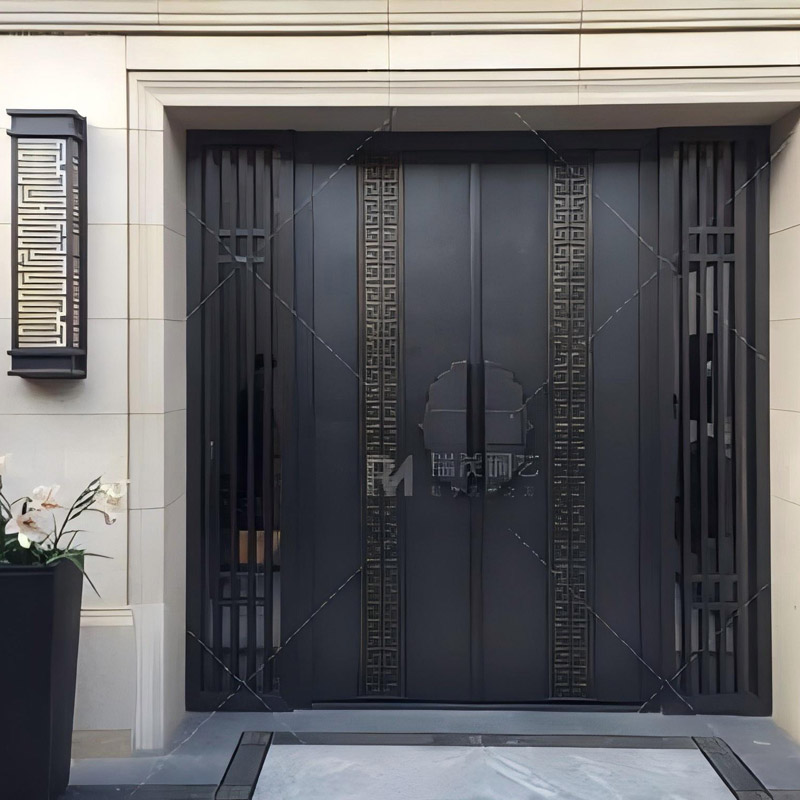 R&F MGM Artisan Copper Entertainment Gate
 Hongkun Shanyu Villa Artisan Copper Courtyard Gate
 Xiamen Longhu Jinglin Copper Art Villa Gate
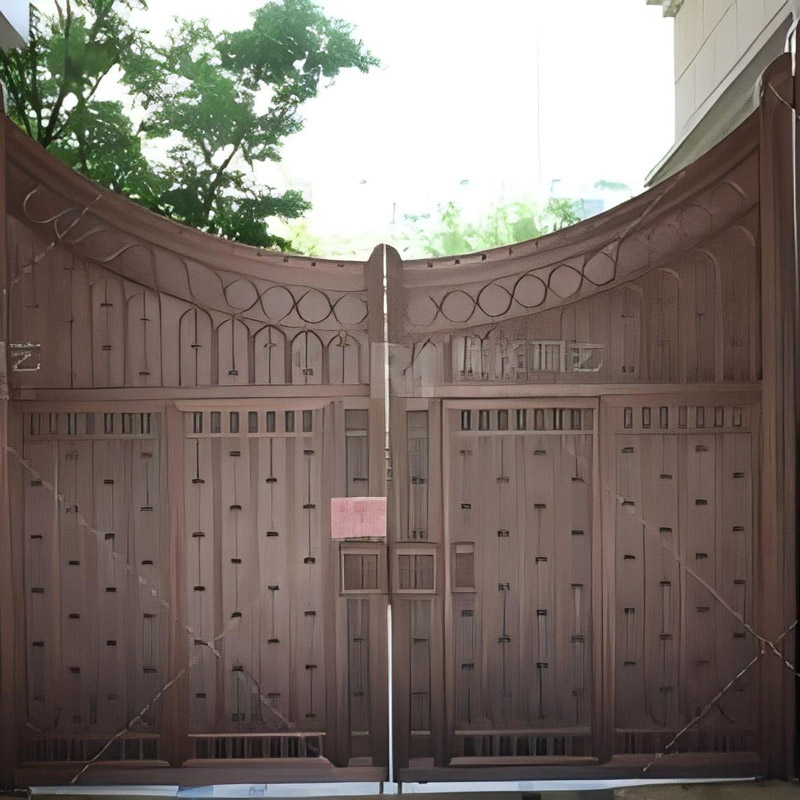 Tianjin COB Plaza Artisan Copper Gate
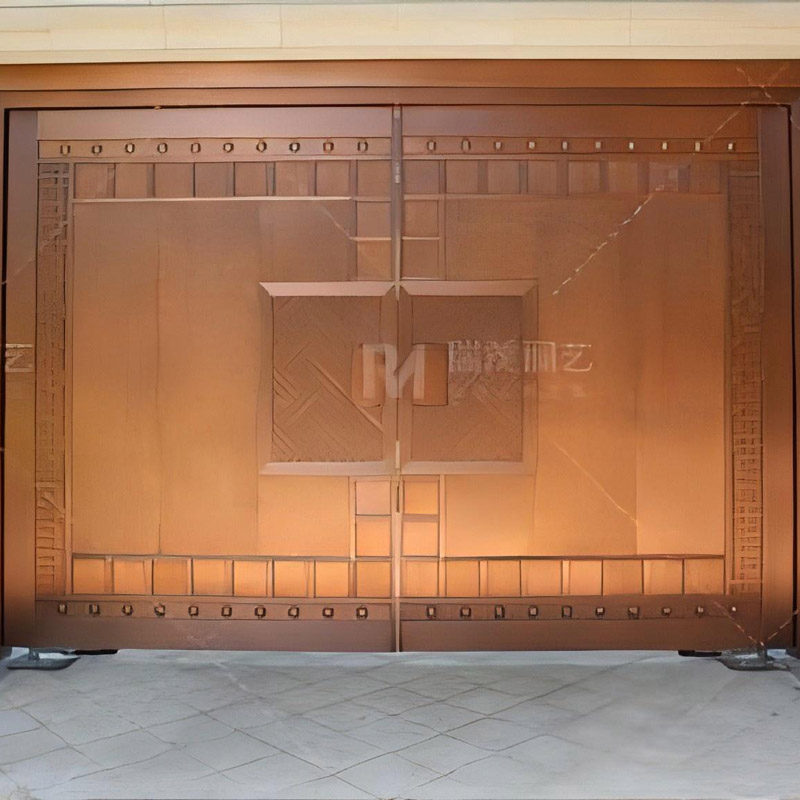 Xian Ziyingtai Artisan Copper Courtyard Gate
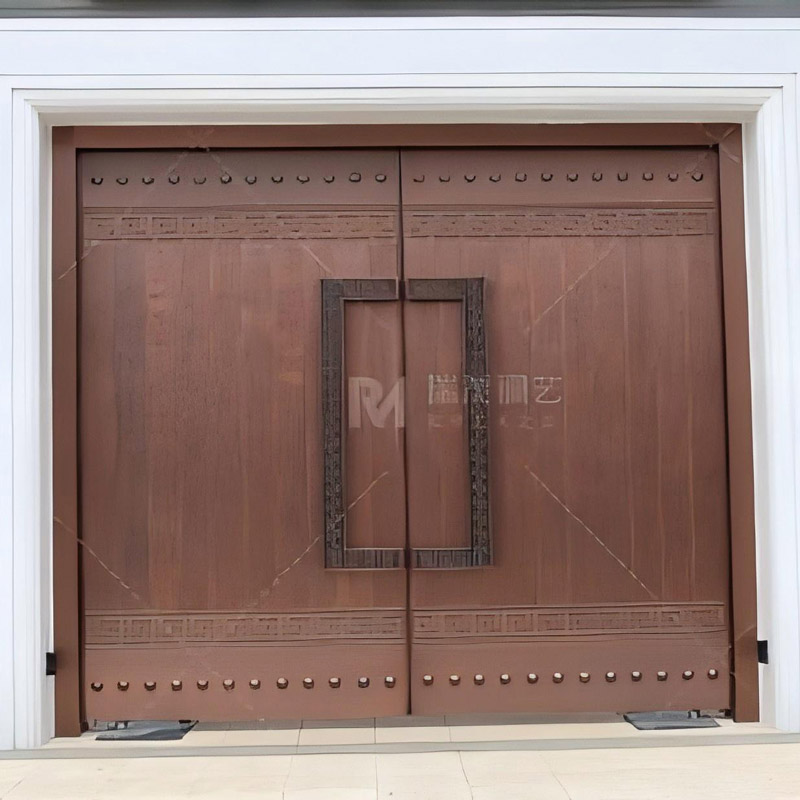 Exquisite Copper Gate of Qianshan Mansion
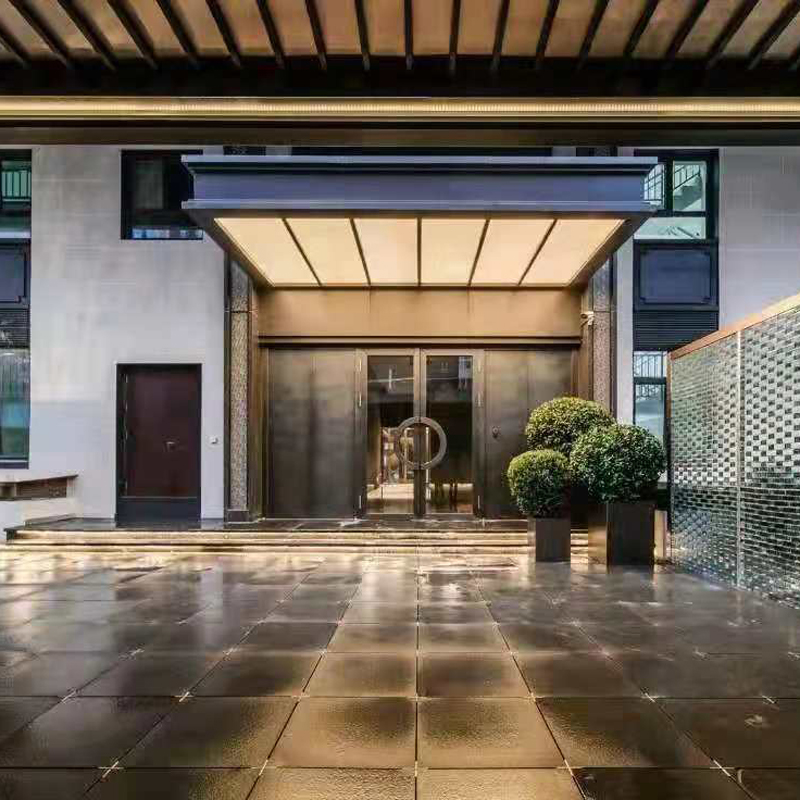 Copper Canopy, Quality Weather Shield
 Ancient Charm Copper Carving, Inheritance Of The Millennium Craftsmanship
 Copper Art In The Garden, Lighting Up The Beauty Of Nature
 Copper Goodies, Indoor Art Show
 Exquisite Copper Partition, Screen Shows Style
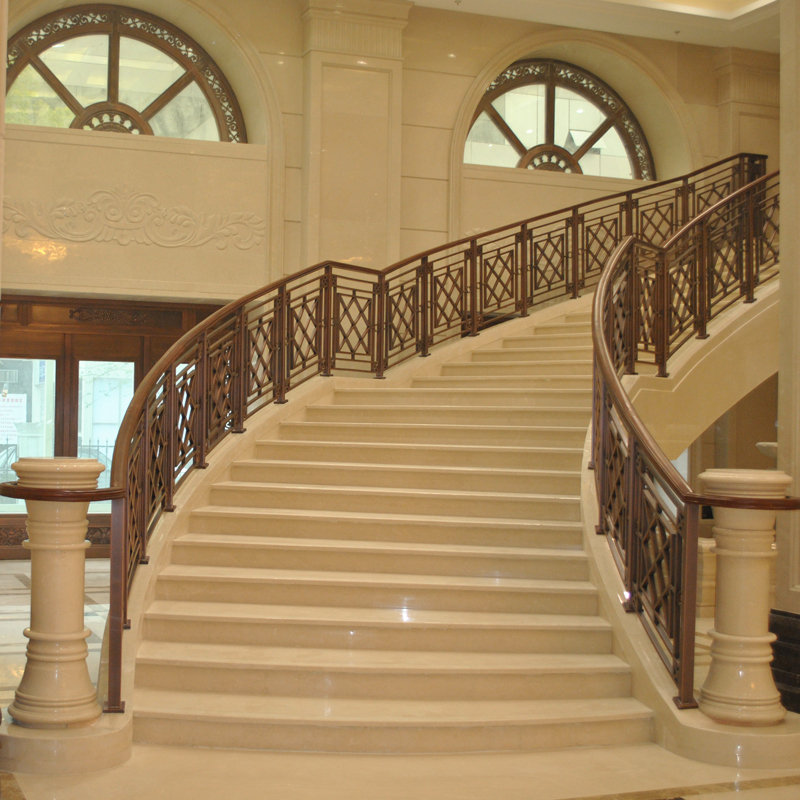 Indoor Copper Balustrade, a New Height Of Elegance
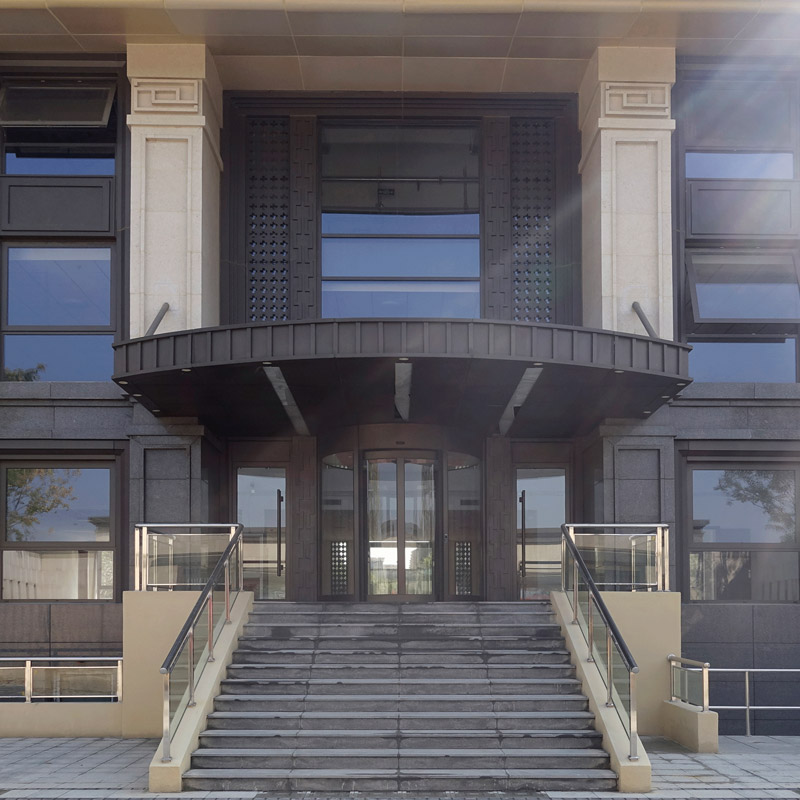 Artisan Copper Revolving Elegance Door