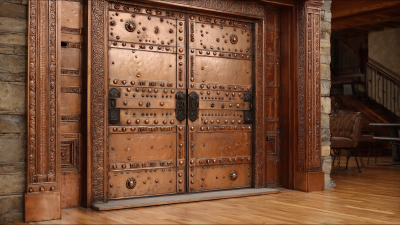
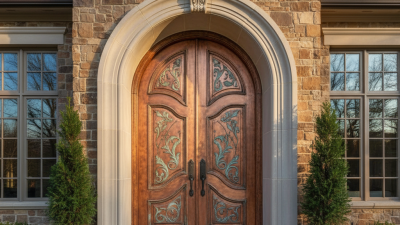
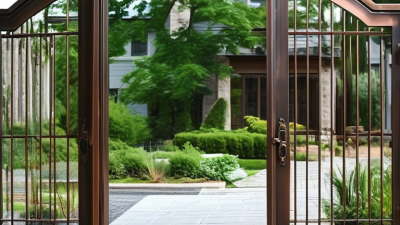
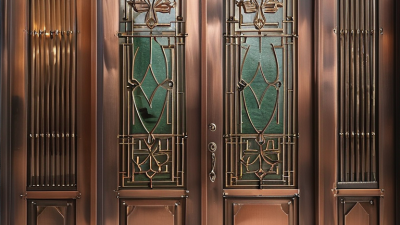
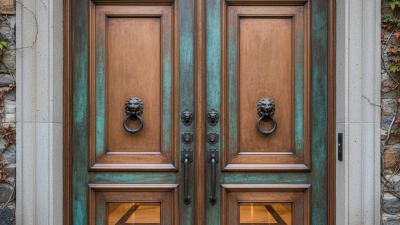
Picking out the perfect Copper Door isn’t just about flipping through photos in a showroom — it really starts with understanding where it’s going to be installed. For example, a coastal entrance faces salty air, wind, and constant moisture, which can be tough on finishes. On the other hand, an urban doorway has to handle traffic, fingerprints, and pollution floating in the air. These conditions actually influence pretty much everything — from the alloy and surface treatments to hardware, glazing, and maintenance routines.
In 2023, the U.S. Geological Survey reported that around 22 million metric tons of copper were mined worldwide, and the International Copper Association points out that construction is a major copper-consuming sector. While these stats highlight how vital copper is in industry, they don’t mean every copper door is automatically the right choice. Its success really hinges on the small details — and honestly, those are sometimes the easiest to overlook.
Thomas E. Graedel, a well-known expert in metal cycles, reminds us that copper can be recycled over and over without losing performance, which makes it a durable choice if you plan ahead for repairs and recycling. But let’s be clear — just because copper is durable doesn’t mean it’ll last forever on its own. Poor drainage, mismatched fasteners, or careless cleaning habits can cause stains or surface damage that shorten its lifespan.
When you're choosing a copper door, whether it’s an entrance for a fancy hotel or a busy healthcare center, it’s smart to think about stuff like traffic volume, weather conditions, fire ratings, security hardware, and your budget. For instance, a hand-finished patina might be perfect for a heritage hotel with a vintage vibe. Meanwhile, a sealed finish could be better for a front door that gets a lot of wear and tear. And don’t just go by what you see inside the showroom — always test sample panels outdoors to see how they hold up in real conditions.
Honestly, there’s no one ‘perfect’ specification. The key is balancing looks, performance, maintenance needs, and what your project really calls for. A beautiful door can be a total wow factor — but if you ignore its environment, it could turn into a costly mistake.
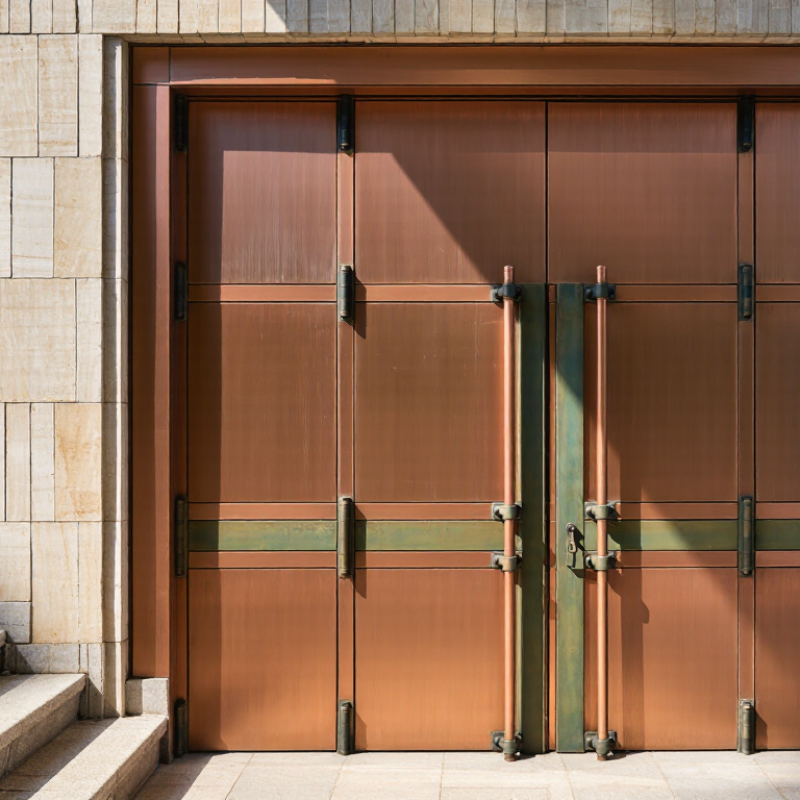
Define Copper Door Types, Alloys, and ASTM B370 Sheet Standards
How to Choose the Right Copper Door for Your Project?
Copper door selection starts with the door type. A solid copper door offers visual depth and long service life. A copper-clad door uses a copper skin over a stable core, reducing weight and material cost. Framed doors suit glazed entrances, while flush doors create a quieter, cleaner surface. Each design handles dents, hinges, moisture, and maintenance differently.
Alloy choice matters. C11000 copper provides strong conductivity and easy forming. C12200, a phosphorus-deoxidized copper, often performs better during bending and fabrication. ASTM B370 covers copper sheet and strip for building construction, including chemical composition, mechanical properties, dimensions, and temper. It does not certify a complete door assembly. Ask for the mill test certificate, thickness, temper, finish, and alloy designation. Small gaps here can cause expensive rework.
Market data supports copper’s continuing industrial importance. The USGS Mineral Commodity Summaries 2024 reported roughly 22 million metric tons of global mined copper production in 2023. The International Copper Study Group also estimated refined copper usage near 26 million tonnes that year. These figures show scale, not automatic suitability. A busy coastal entrance still needs correct backing materials, drainage, compatible fasteners, and a controlled finish. Patina is natural. It is also unpredictable. I would test a sample panel outdoors before approving the final appearance.
Match Copper Thickness to Use: 16–20 oz for Cladding and 0.8–1.5 mm for Panels
Choosing a copper door starts with thickness, not appearance. For exterior cladding, 16–20 oz copper is a practical range. One ounce means one-twelfth of a pound per square foot. Therefore, 16 oz weighs about 1.33 pounds per square foot, while 20 oz weighs about 1.67 pounds. The Copper Development Association describes these gauges as common architectural copper sheet options. They provide enough stiffness for folded edges, seams, and sheltered wall cladding.
Panels need different thinking. For larger, flatter door panels, 0.8–1.5 mm copper offers better resistance to dents and oil-canning. ASTM B370 covers copper sheet and strip used in building applications, including requirements for material quality and dimensions. Thinner material can work on a framed substrate, but it may show every uneven weld or fixing point. Nobody wants that.
A Copper Door Villa Main Door often faces rain, fingerprints, heat, and repeated handling. In my site experience, 1.0–1.2 mm is a balanced starting point for a framed panel, while 1.5 mm suits wide panels or exposed entrances. Check the frame first. Copper weighs approximately 8.96 kg per cubic metre per litre, based on material data from the Copper Development Association, so hinges and anchors need proper allowance. Mock up one corner before fabrication. It may reveal a problem the drawing missed. Surface texture, airflow, and local weather can change the final choice.
Evaluate Thermal Movement Using Copper’s 16.5 µm/m·K Expansion Rate
A copper door should be selected for more than color and surface character. Thermal movement deserves equal attention. Copper expands at approximately 16.5 µm/m·K when temperature rises. A two-meter door facing a 40°C temperature swing may move about 1.32 mm. That movement can affect clearances, hinges, seals, and fixing points.
A practical assessment should include the door size, exposure, frame material, and expected temperature range. Dark finishes may absorb stronger solar heat. South-facing entrances can experience rapid surface changes. Leave controlled movement gaps where the design permits. Avoid rigidly trapping copper between materials with different expansion rates. A steel or masonry frame may not move at the same speed.
Tips: Measure twice, then check the assumptions. Allow clearance around the leaf and frame. Use flexible weather seals. Keep fasteners secure, but do not over-tighten them. Review the hinge load and threshold detail with a qualified fabricator or building professional.
Small errors matter. A one-millimeter gap can disappear after installation tolerances accumulate. I would not rely on the expansion rate alone. Site shade, ventilation, moisture, and daily door use also influence performance. A clean drawing may still miss a hot afternoon condition. Check the warmest realistic surface temperature, not only the local air forecast. Specify copper thickness, support spacing, and adjustment access before fabrication. This makes future alignment less disruptive.
How to Choose the Right Copper Door for Your Project?
Evaluate Thermal Movement Using Copper’s 16.5 µm/m·K Expansion Rate
Estimated free expansion is calculated as α × length × temperature change, using copper’s linear expansion coefficient of 16.5 µm/m·K and a uniform 40°C temperature change. A 2 m length, for example, expands by about 1.32 mm. Actual door movement depends on installation, restraints, and temperature distribution; allow for movement in the frame and hardware design.
Select Finishes by Patina Chemistry, Coating Needs, and Color Stability
Choosing the right copper door starts with patina chemistry, not a color card. Bare copper reacts with oxygen, moisture, sulfur compounds, and chlorides. In coastal air, chloride salts can accelerate blue-green patina formation. Urban sulfur may create darker brown or black surface tones.
The Copper Development Association explains that patination speed depends strongly on climate, exposure, and runoff. I still treat color charts as educated guesses. A sheltered entrance may remain warm brown for years, while a rain-washed edge changes sooner. For a Main Door Double Door, request a sample exposed outdoors, not only a polished showroom panel. Check the surface after wet and dry cycles.
Coatings can slow oxidation and improve color stability, but they need maintenance. A clear finish may show fingerprints, scratches, or cloudy patches more clearly than natural copper. Confirm adhesion, ultraviolet resistance, and repair procedures with the fabricator. ASTM B370 covers copper sheet used in building construction, while the U.S. Geological Survey reported about 22 million metric tons of global mined copper production in 2023 (Mineral Commodity Summaries 2024). Material quality still does not guarantee finish consistency. Edge sealing, fastener compatibility, and water drainage matter. Small oversights become visible on a large door.
How to Choose the Right Copper Door for Your Project? - Select Finishes by Patina Chemistry, Coating Needs, and Color Stability
| Finish option | How the color develops | Color stability | Coating and maintenance needs | Best suited to |
| Natural, uncoated copper | Fresh copper is salmon-pink. Exposure to air and moisture gradually forms brown and darker copper oxides; continued weathering can produce green or blue-green corrosion products. The rate and final appearance depend on humidity, pollutants, salts, and runoff. | Low initial color stability; develops a changing, site-dependent patina. Color may vary across surfaces exposed to different conditions. | Usually left uncoated when natural aging is desired. Clean gently with non-abrasive methods; avoid cleaners that can etch or discolor copper. | Projects that welcome natural weathering and do not require a uniform, fixed color. |
| Chemically patinated copper | Applied oxidizers or copper-salt solutions can create brown, dark, or green-toned surfaces. Results depend on the treatment chemistry, application, rinsing, and substrate preparation; these finishes are not necessarily identical to naturally weathered patina. | Moderate when sealed; untreated or inconsistently treated areas may continue to change. Sample panels are important because the final color can vary by batch and application. | Often protected with a compatible clear sealer or lacquer to reduce handling marks and slow further change. Follow the coating supplier’s preparation and recoat guidance. | Projects seeking a patinated look at installation rather than waiting for outdoor weathering. |
| Clear-coated copper | A transparent lacquer or clear coating preserves much of the copper’s original bright appearance by limiting contact with air and moisture. | High while the coating remains intact. Scratches, worn edges, or coating failure can expose copper and lead to visible localized color changes. | Requires gentle cleaning and periodic inspection. Outdoor exposure, sunlight, abrasion, and frequent handling can shorten coating life; damaged areas may need professional refinishing. | Protected entrances or interior doors where retaining a bright copper look is a priority. |
| Waxed copper | A thin wax layer adds a soft sheen and temporarily reduces direct contact with moisture and handling oils without creating the same type of film as lacquer. | Low to moderate. Wax wears away with touching, cleaning, and weather exposure, so the copper can darken or develop patina unevenly. | Needs periodic renewal. Not generally a durable standalone protection for exposed Exterior Doors or high-contact surfaces. | Interior applications or sheltered doors where a low-gloss finish and straightforward upkeep are acceptable. |
| Factory-applied durable coating | A transparent or colored coating forms a protective film over copper. The appearance depends on the selected coating system and whether it is clear or pigmented. | Generally more predictable than bare copper, but long-term performance depends on coating quality, film thickness, installation details, UV exposure, and abrasion. | Use a coating specified for the intended indoor or outdoor exposure. Inspect edges, hardware cutouts, and high-contact areas; repair damage according to the coating manufacturer’s instructions. | Projects that need a more consistent appearance and a defined maintenance plan. |
Selection note: Request a finish sample made with the intended copper, treatment, and coating. For exterior doors, consider local humidity, coastal salt exposure, sunlight, rainwater runoff, and how often the door will be touched.
Check Door Weight, Frame Capacity, and Copper’s 8.96 g/cm³ Density
Copper’s density is 8.96 g/cm³, so even a modest-looking door can become surprisingly heavy. The finished weight also depends on its thickness, core, hardware, and internal supports. Ask for the documented panel weight, not just the copper sheet specification. A Double Door Front Door may place substantial load on hinges and the center meeting area. Measure carefully.
Before ordering, compare the door’s total weight with the frame, hinges, and fixing points. A sturdy-looking frame is not proof of adequate capacity. Check the manufacturer’s load ratings, and have a qualified installer inspect the jamb material and anchoring. On site, note any frame movement, cracked masonry, or uneven gaps; these details can change the assessment. I would not rely on a rough weight estimate alone. It can miss hidden reinforcement or added glass. Confirm the final assembly weight and hardware requirements in writing, then allow a suitable safety margin. Door dimensions matter, too: wider panels can increase leverage on hinges, even when their weight seems manageable. I have seen small measurement assumptions cause costly adjustments later. Verify them.
Verify Fire, Air, Water, and Hardware Compliance Under Local Building Codes
Choosing a Copper Door involves more than comparing color and panel style. Check the opening’s required fire rating against local building codes, and confirm that the complete door assembly—not just the leaf—has been tested for that use. The frame, glazing, seals, and hardware may all affect compliance. Ask for current test documentation and confirm it matches the proposed configuration. Small differences matter.
Air and water performance deserve equal attention. Look for tested ratings suited to the building’s exposure and climate, then verify that installation details preserve those results. A coastal entrance facing wind-driven rain may need different protection from a sheltered interior doorway. Check thresholds, perimeter seals, and drainage paths on the drawings. These details are easy to overlook.
Hardware must be compatible with the door, frame, and required operation. Confirm hinge capacity, closer performance, latching, accessibility clearances, and any code-required egress functions with the project team and local authority. A specification can look complete on paper and still miss a field condition. I have learned to question assumptions early; it is less comfortable than discovering a mismatch after the frame is installed. Keep approvals, product data, and inspection notes together for review.
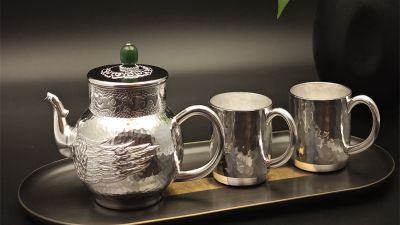
A Phoenix in Every Pour: Exploring the Copper-Plated Silver Tea Set with Pure Copper Tray
The four-piece tea set brings a phoenix to every pour, pairing a brewing pot and two cups with a hand-forged pure Copper Tray. The pot and cups are made from 99.9% pure copper plated with silver, creating a warm, luminous finish against the rich texture of copper. Hand-carved phoenix motifs and a hammered surface give each piece a distinctive, artisan character, while the jade-like knob on the pot’s lid adds a graceful finishing touch.
Designed for boutique tea ceremonies and refined home tea nooks, the set balances silver’s gentle luster with copper’s enduring feel. Its handmade details evoke an Eastern aesthetic, making it a striking choice for tea lovers who appreciate traditional craftsmanship and thoughtful design. Whether arranged for a quiet personal ritual or presented as a high-end gift, the set turns serving tea into a considered visual and sensory experience.
FAQS
Copper expands about 16.5 µm/m·K as temperature rises. A two-meter door may move 1.32 millimeters during a 40°C temperature swing. Small errors matter.
Dark finishes can absorb stronger solar heat. South-facing entrances may heat quickly during sunny afternoons. Shade, ventilation, moisture, and daily use also affect performance.
Allow controlled gaps around the door leaf and frame. Check hinge clearances, seals, fixing points, and threshold details. A one-millimeter gap can disappear after installation tolerances accumulate.
Avoid rigidly trapping copper between materials with different expansion rates. Steel and masonry frames may move at different speeds. Flexible seals can help accommodate small changes.
Specify copper thickness, support spacing, movement gaps, and adjustment access. Confirm the frame material and expected temperature range. Measure twice. Check the assumptions.
Check the required fire rating under applicable local building codes. Confirm the complete assembly has suitable test documentation. The leaf, frame, glazing, seals, and hardware may all affect compliance.
Use tested air and water ratings suited to the exposure and climate. Review thresholds, perimeter seals, and drainage paths on the drawings. Wind-driven rain needs careful detailing.
Confirm hinge capacity, closer performance, latching, and accessibility clearances. Verify required emergency exit functions with the project team and local authority. Details get missed.
A clean drawing may still miss a hot afternoon condition. Check the warmest realistic surface temperature, not only the air forecast. I would not rely on the expansion rate alone.
Conclusion
Choosing the right Copper Door starts with understanding its construction, intended use, and material standards. Compare copper types and alloys, and confirm that sheet material meets the relevant ASTM B370 requirements. Match thickness to the application: 16–20 oz copper is commonly considered for cladding, while panels may use sheet roughly 0.8–1.5 mm thick. Account for copper’s thermal expansion rate of about 16.5 µm/m·K when planning joints and clearances, and select a finish based on patina behavior, coating requirements, and desired color stability.
Also assess the finished door’s weight in relation to its frame and hardware, keeping copper’s density of 8.96 g/cm³ in mind. Before finalizing the design, verify that the complete door assembly—including its frame, seals, and hardware—meets applicable local requirements for fire performance, air and water resistance, and operation. These checks help ensure the door is durable, functional, and suited to the project’s conditions.

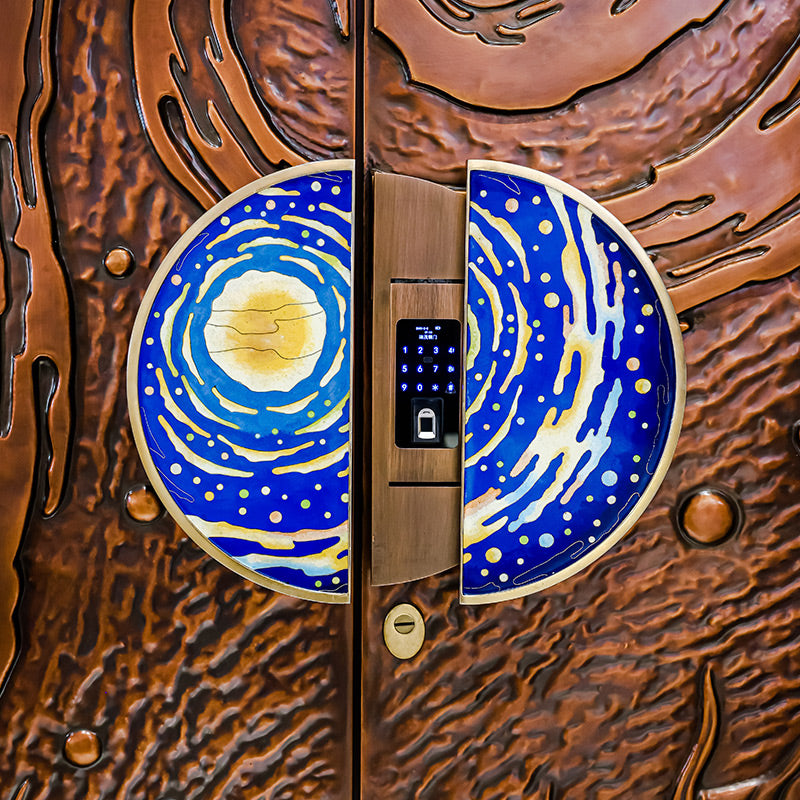 Copper Entrance Door
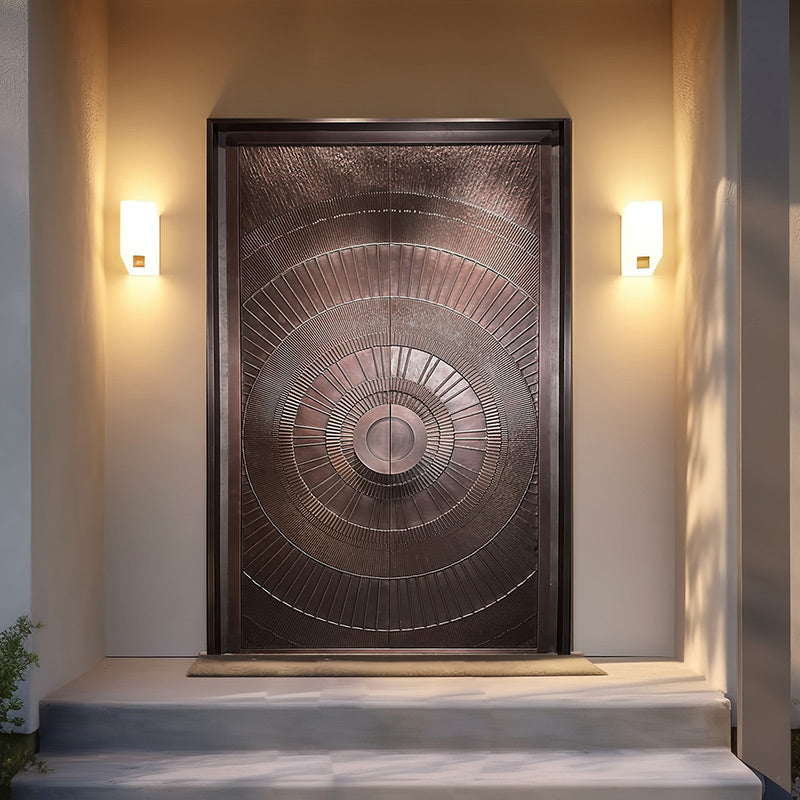 Copper Doors: Meticulously Crafted with Unparalleled Quality
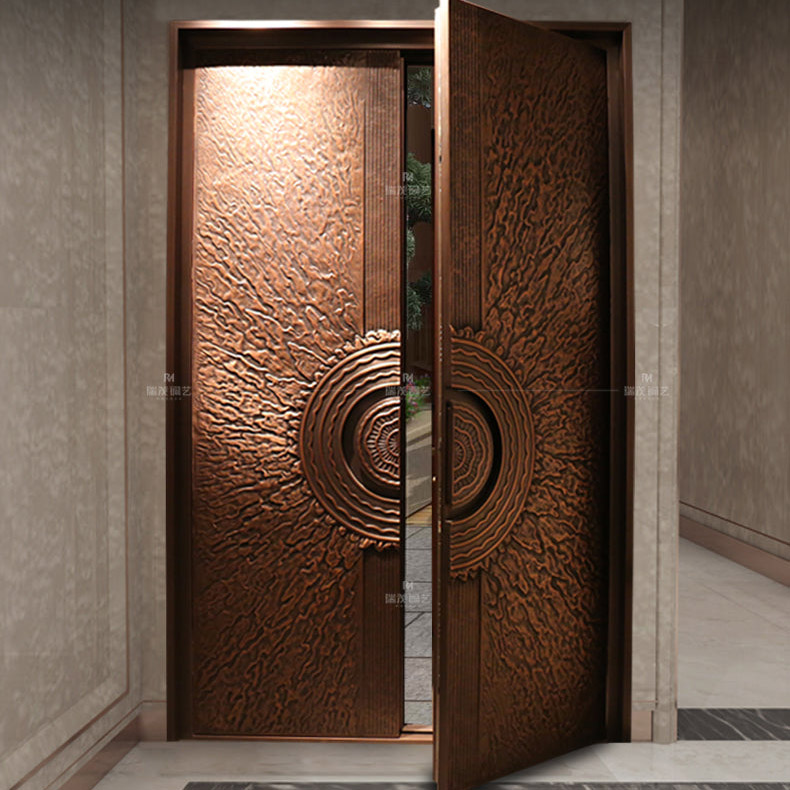 Lucky Star Artisan Copper Villa Blessing Door
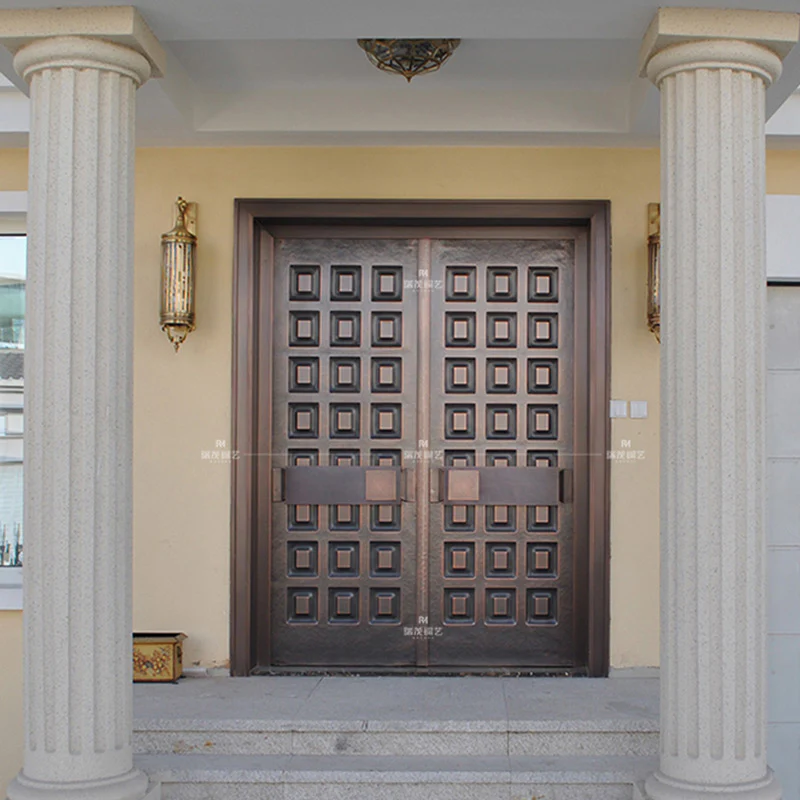 Dynasty Prosperity Artisan Copper Legacy Door
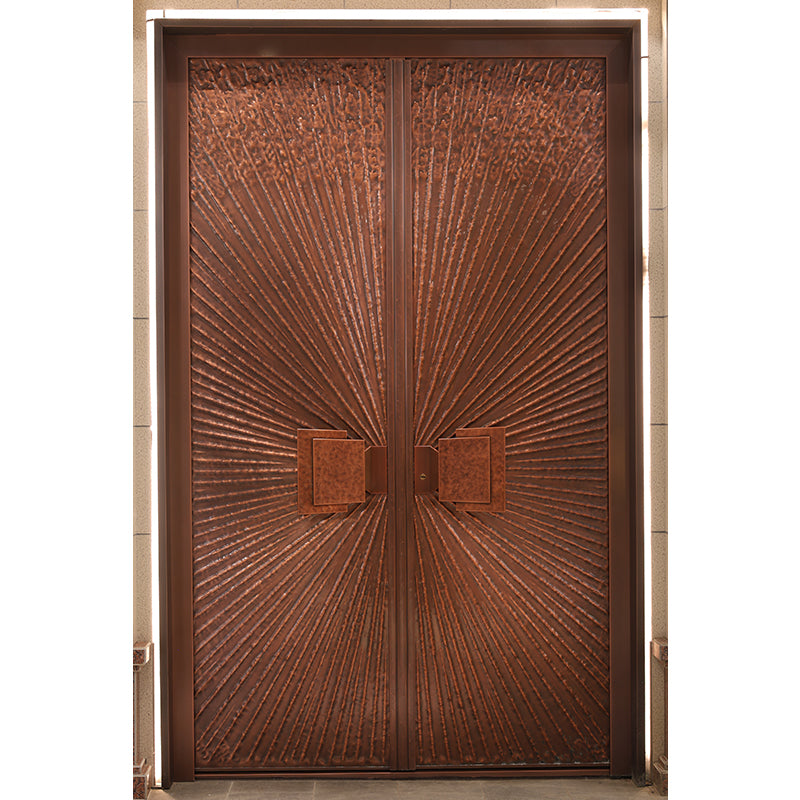 Auspicious Radiance Artisan Copper Legacy Door
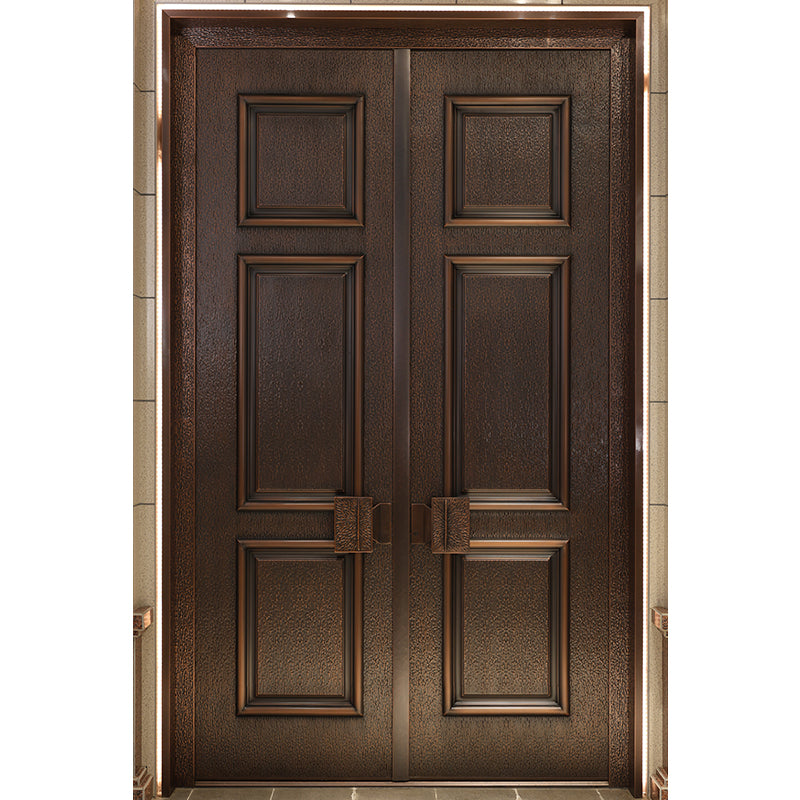 Woodgrain Artisan Copper Nature-Infused Door
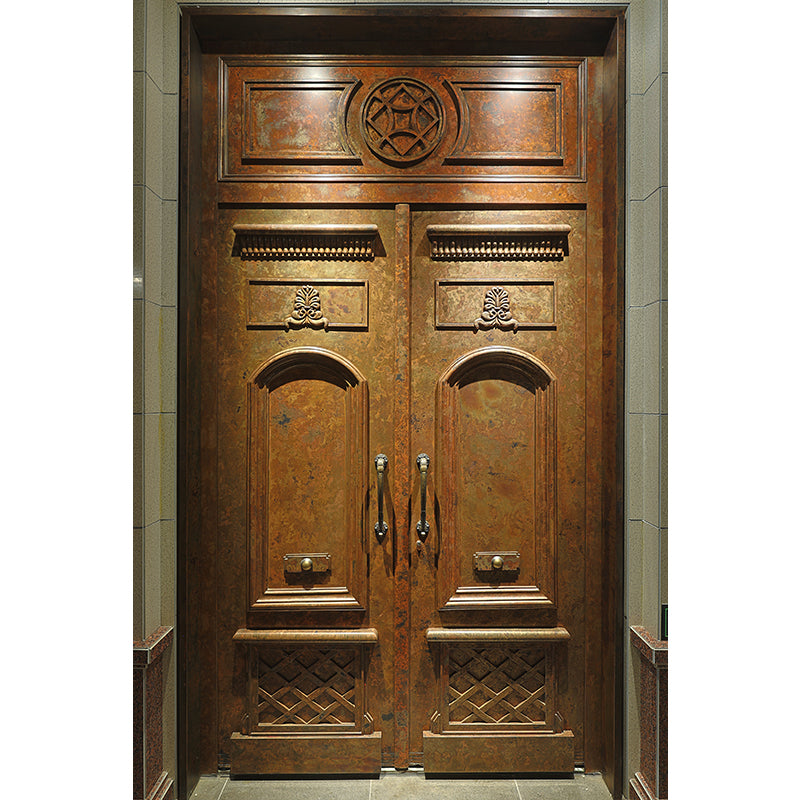 Artistic Copper Door for Harmonious Homes
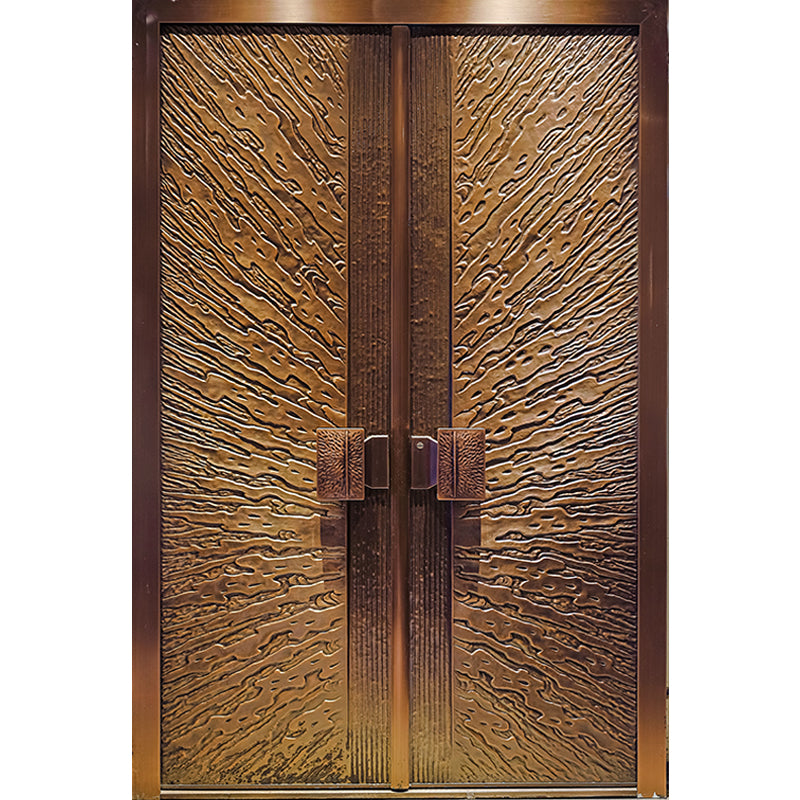 Global Artisan Copper World-Inspired Door
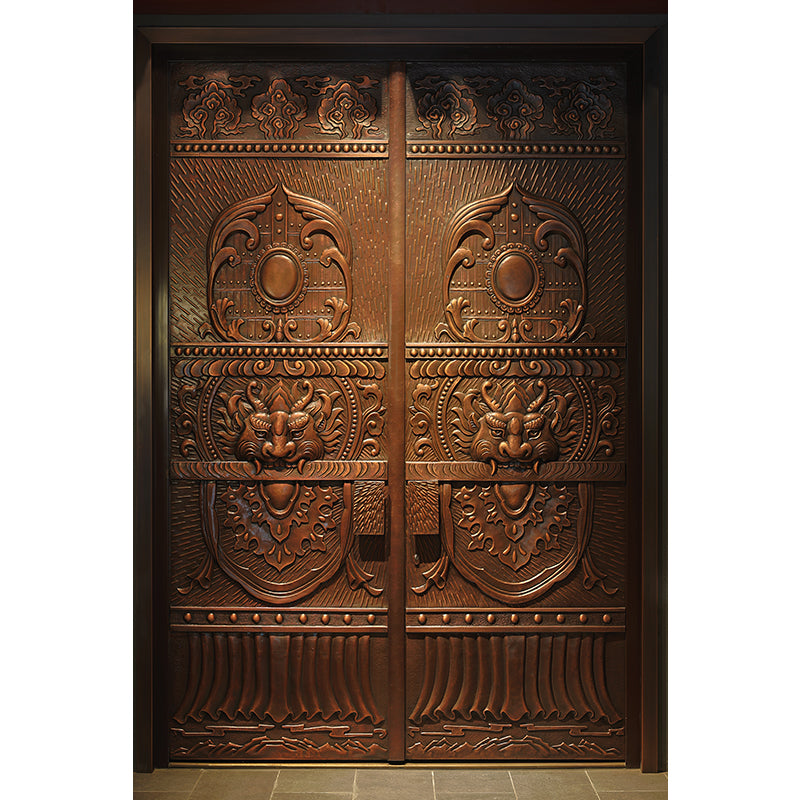 Artisan Copper Home Guardian Art Door
 Eternal Prime Artisan Copper Heritage Door
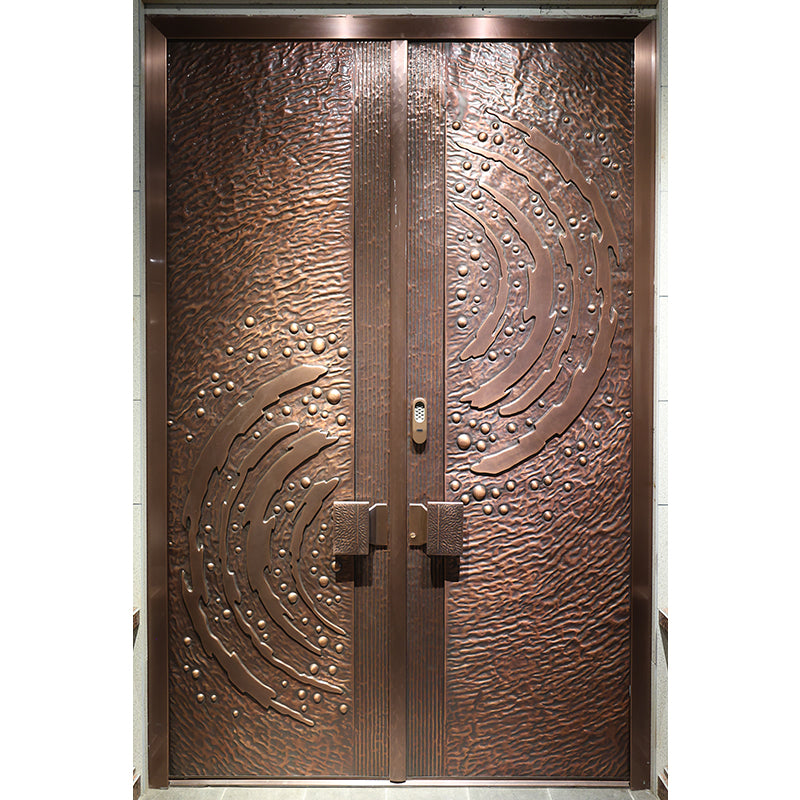 Celestial Artisan Copper Villa Stargazing Door
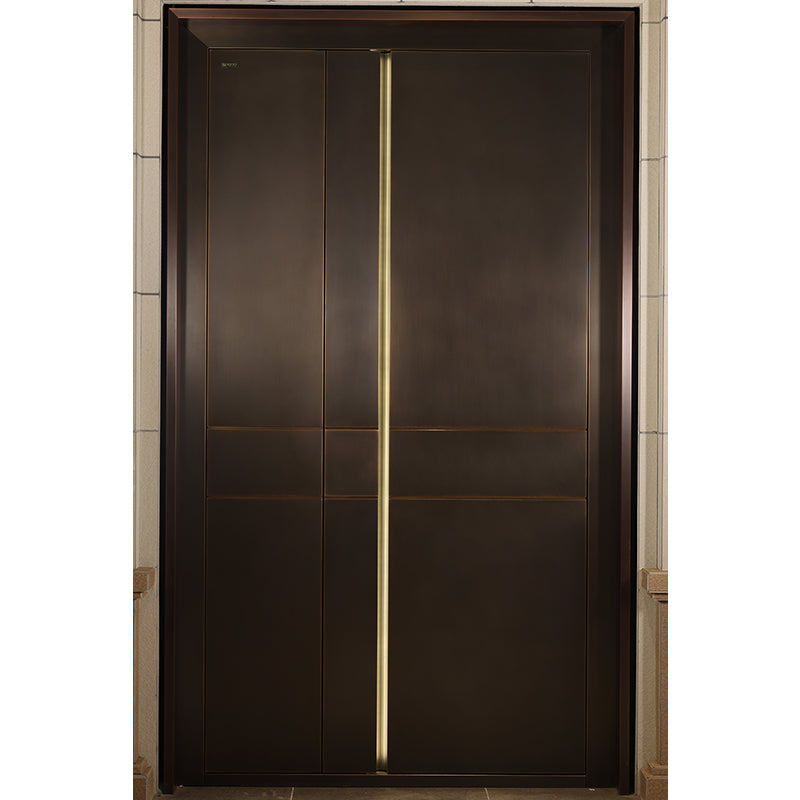 Eternal Summer Artisan Copper Timeflow Door
 Auspicious Artisan Copper Heritage Entry Door
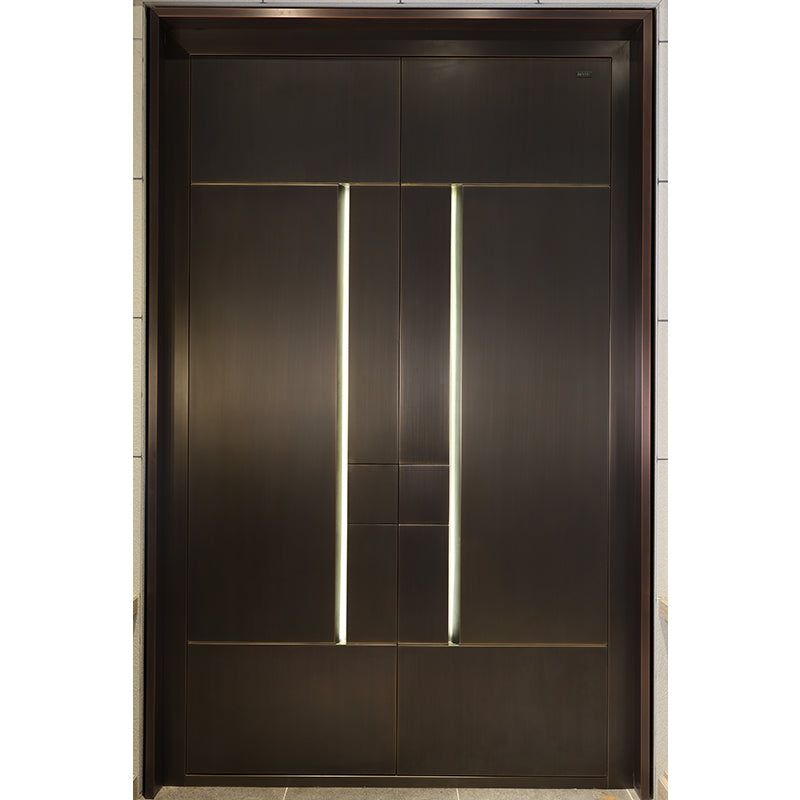 Minimalist Artistic Copper Door for Modern Homes
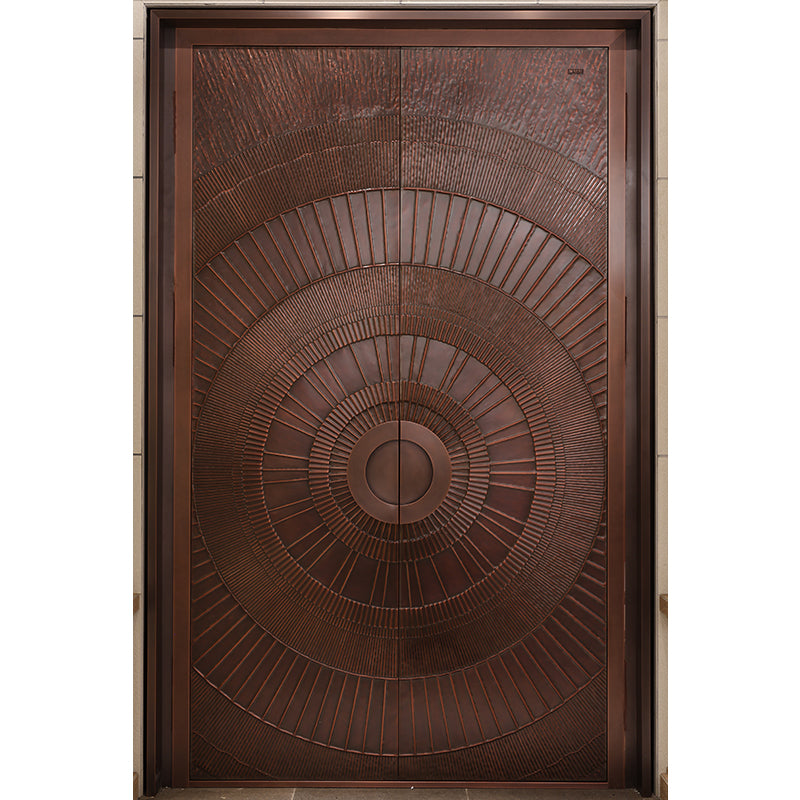 Harmony Circle Artisan Copper Door with Chinese Essence
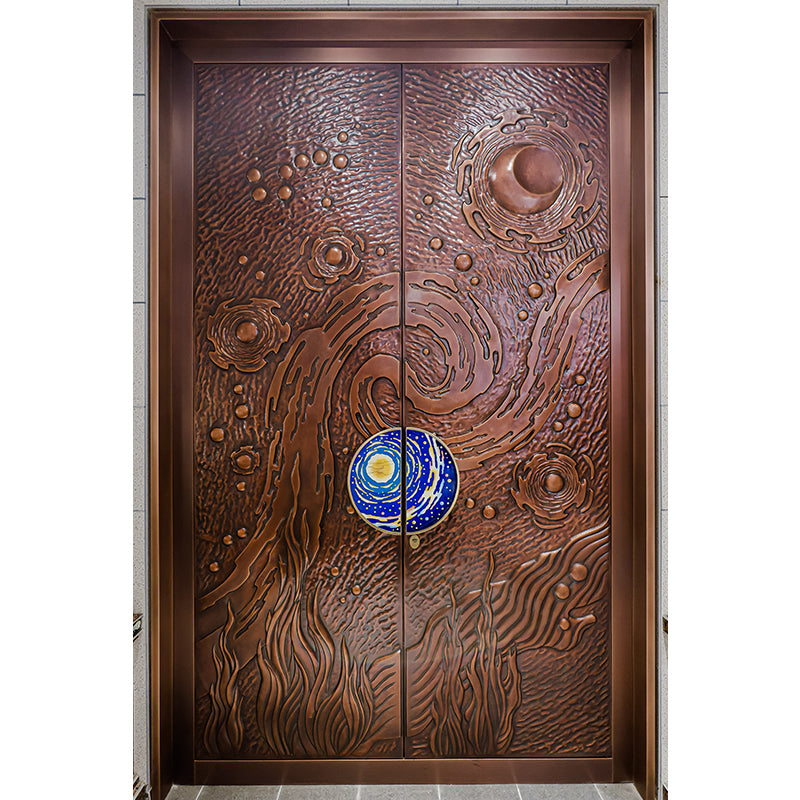 Nebula Grandeur Artisan Copper Villa Door
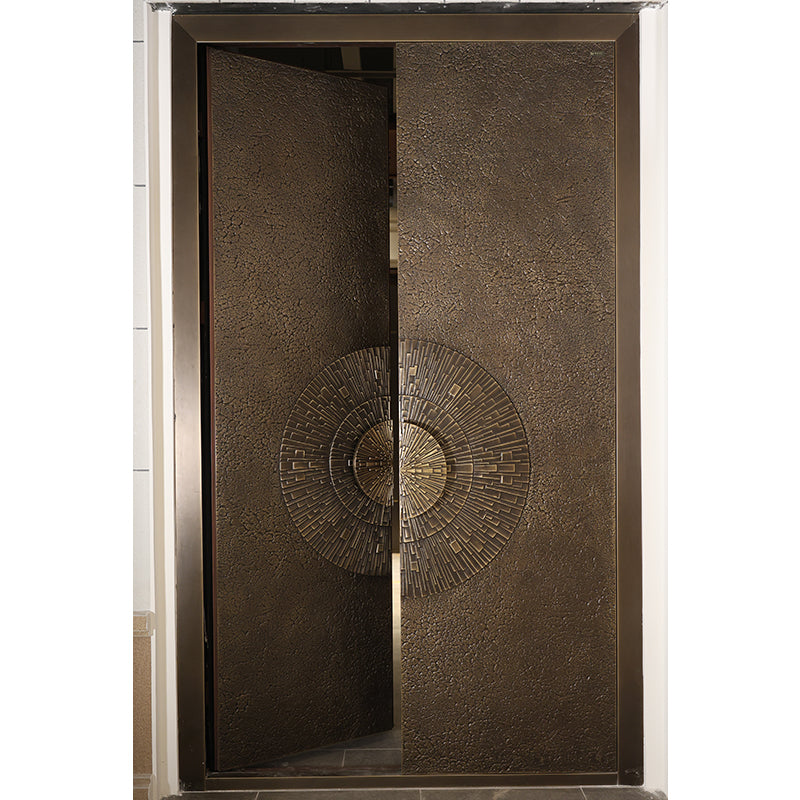 Auspicious Star Artisan Copper Blessing Door
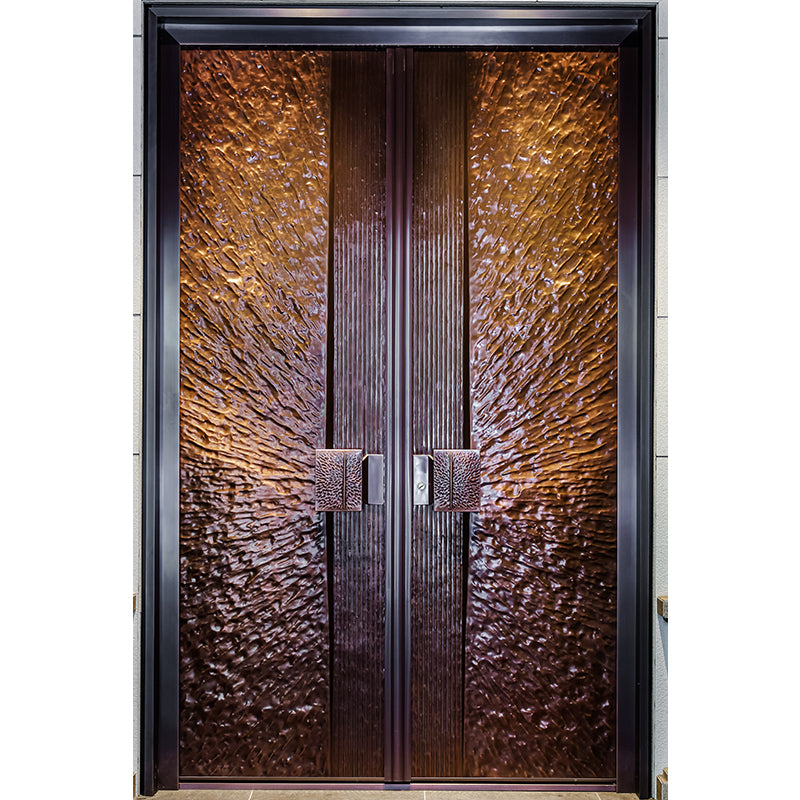 Dawn Glow Artisan Copper Flow Door
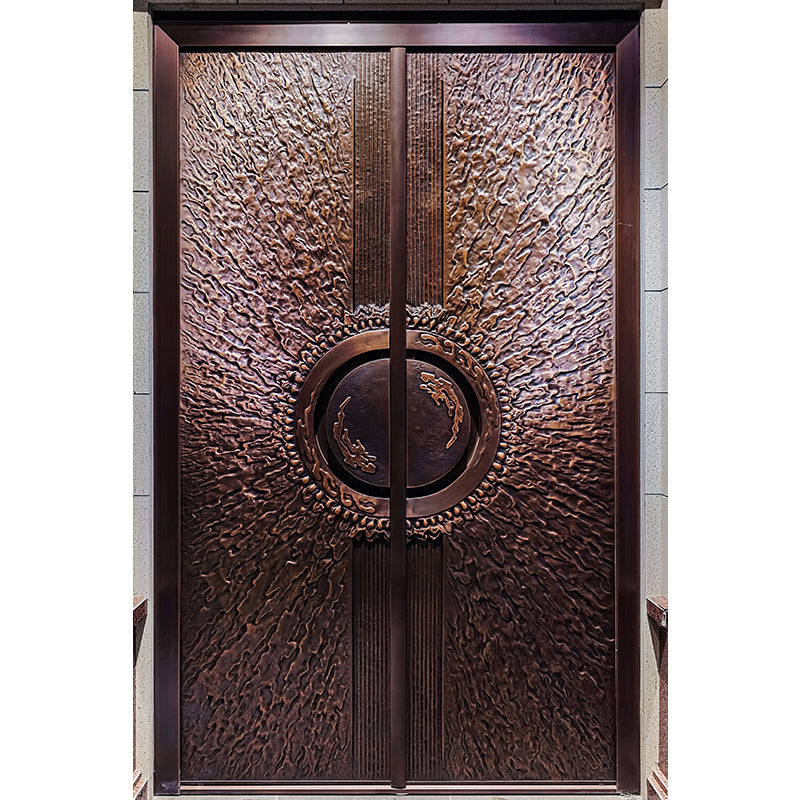 Sunlit Artisan Copper Villa Radiance Door
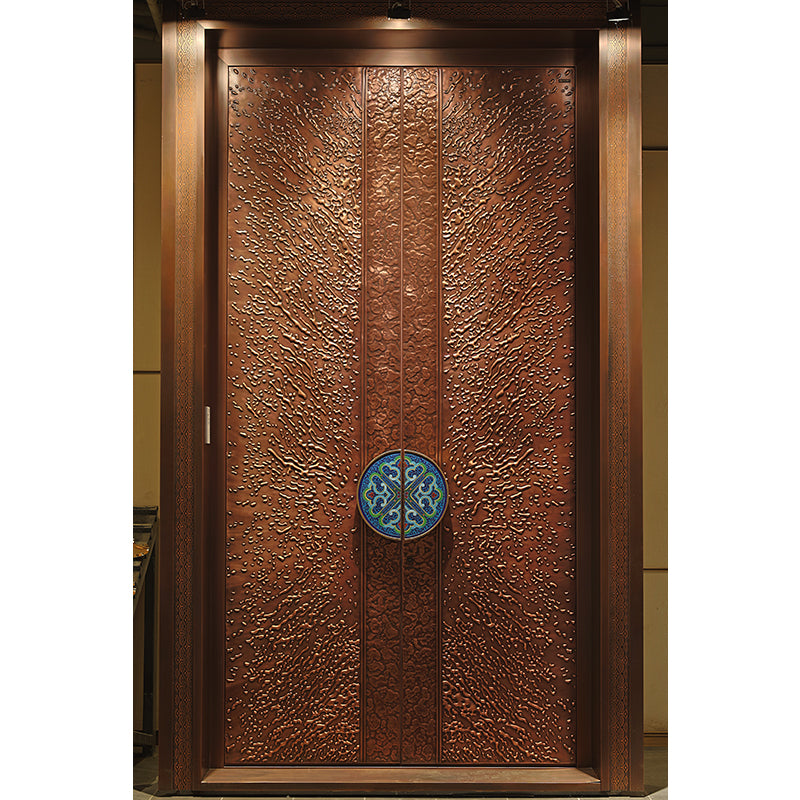 Cloisonné Waterdrop Artisan Copper Door
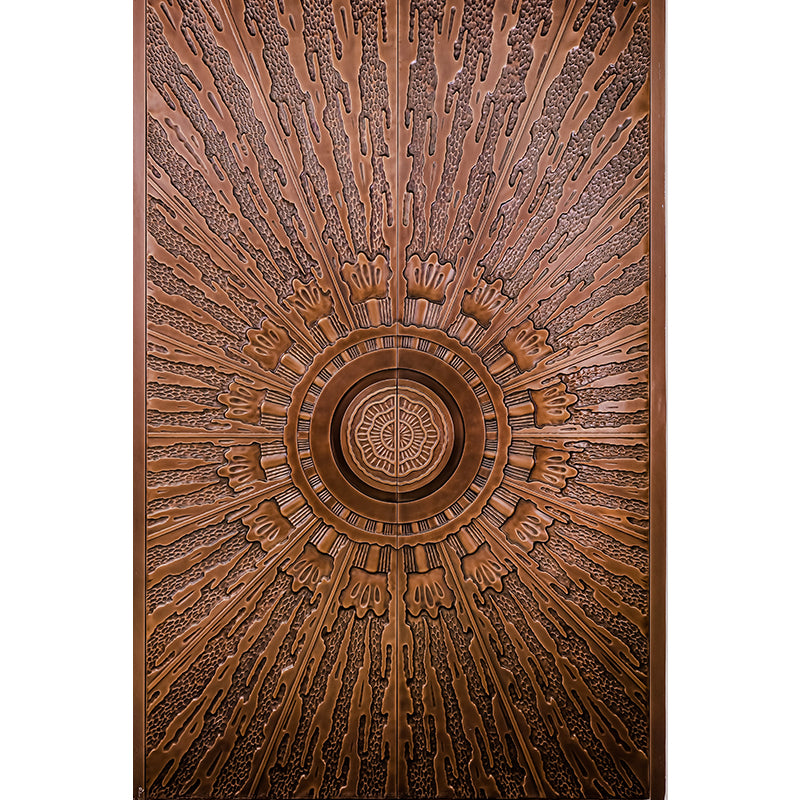 Radiant Artisan Copper Luxe Door
 Contemporary Cosmopolitan Artisan Glass-Copper Door
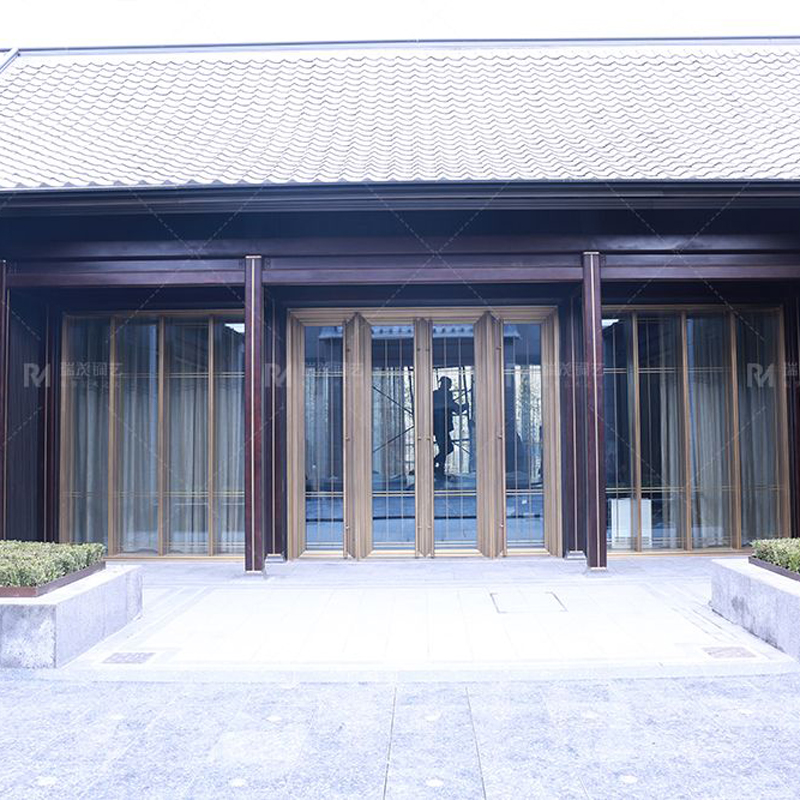 Exquisite Glass-Copper Doors for Shiguan 1 Hao Yuan
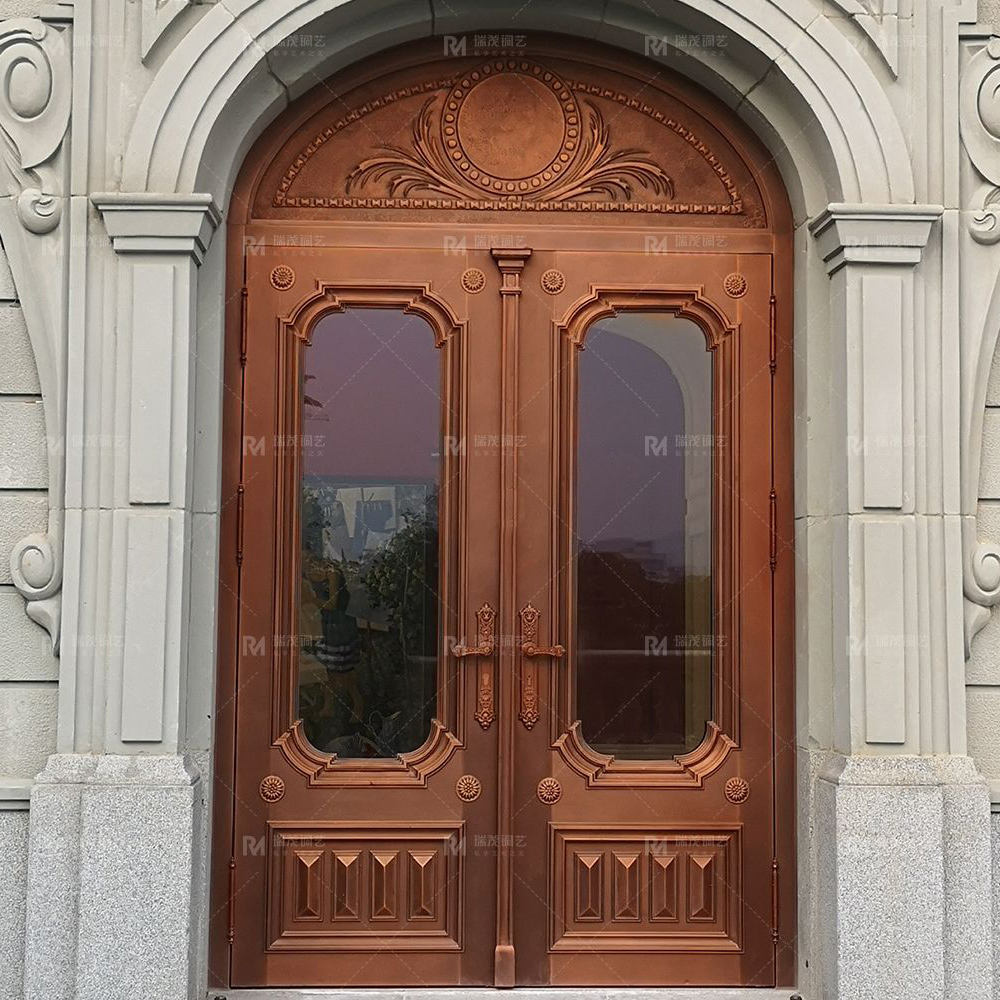 Huawei Glass-Infused Artisan Copper Door
 Gorgeous Glass Copper Doors for Jinhaihu
 Graceful Glass Copper Doors for Yuanyang Wanhe Mansion
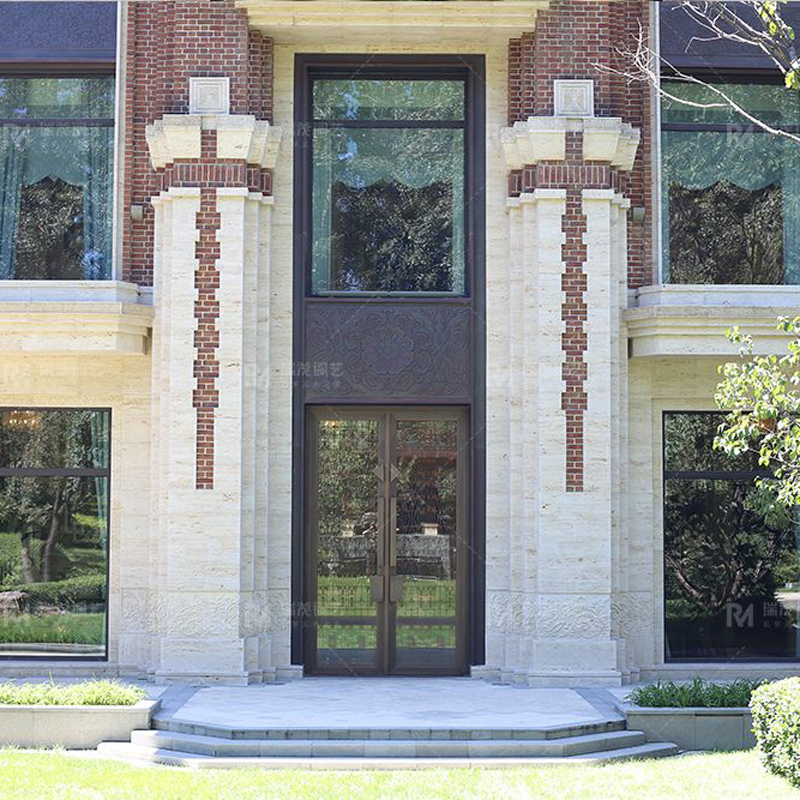 Nine Chapters Villa Artisan Glass-Copper Door
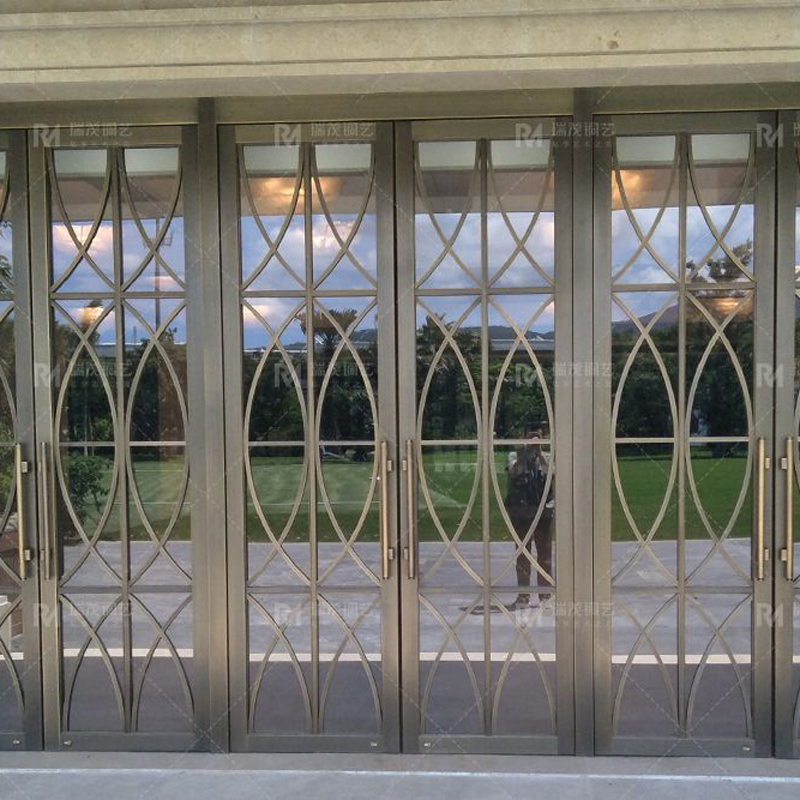 Graceful Tropical Glass - Copper Doors for Banshan Banda
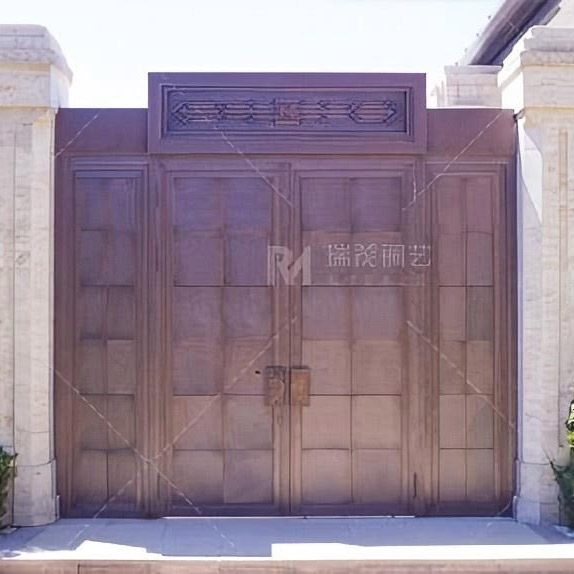 Nine Chapters Villa Artisan Copper Courtyard Gate
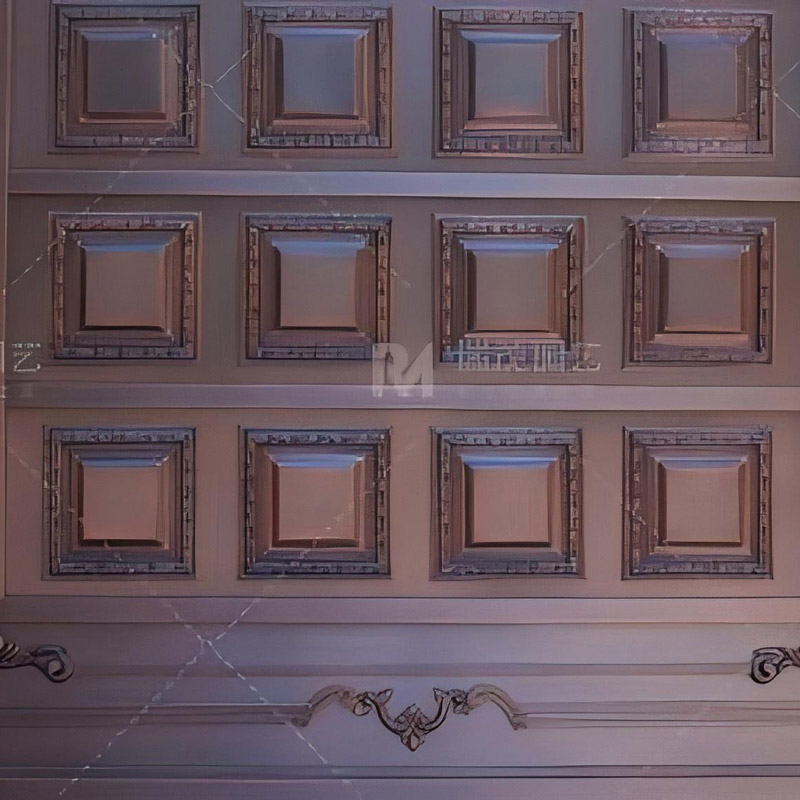 Sino-Ocean LAVIE Artisan Copper Courtyard Gate
 Shimao Xishan Artisan Copper Heritage Gate
 Diaoyuntai Cloud-Reaching Artisan Copper Gate
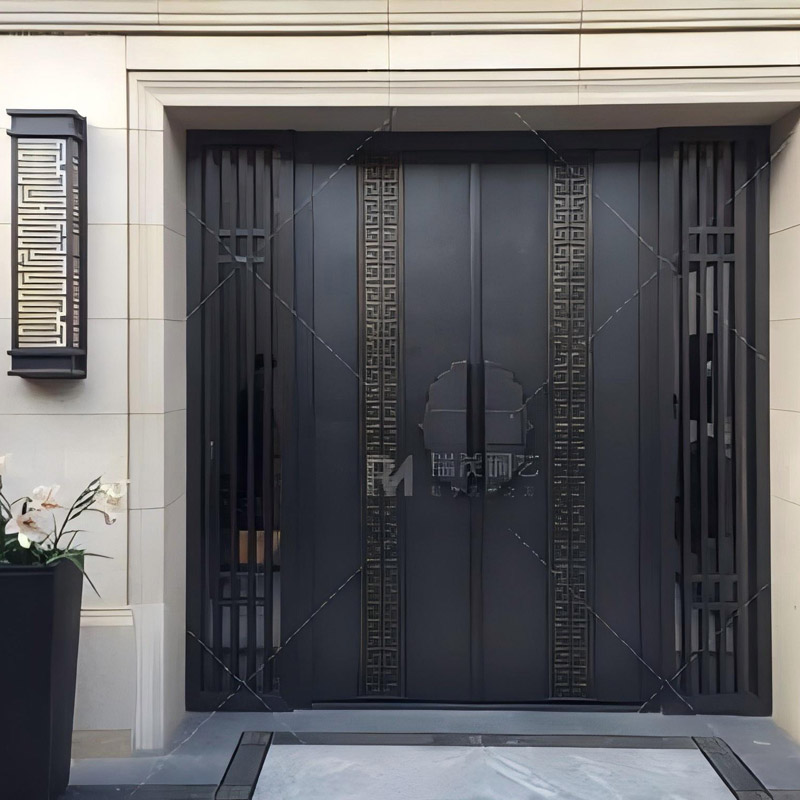 R&F MGM Artisan Copper Entertainment Gate
 Hongkun Shanyu Villa Artisan Copper Courtyard Gate
 Xiamen Longhu Jinglin Copper Art Villa Gate
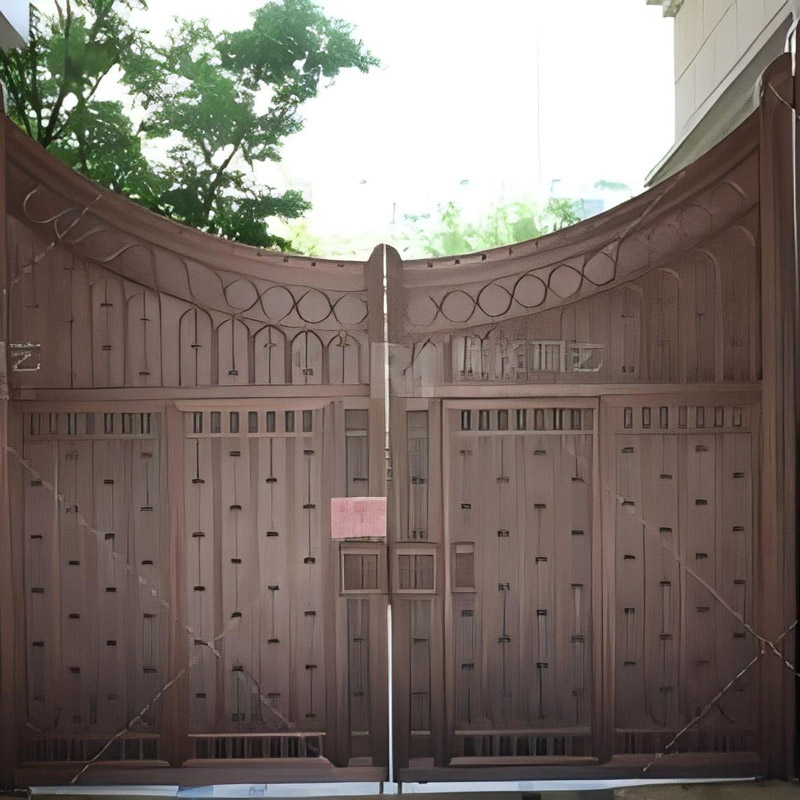 Tianjin COB Plaza Artisan Copper Gate
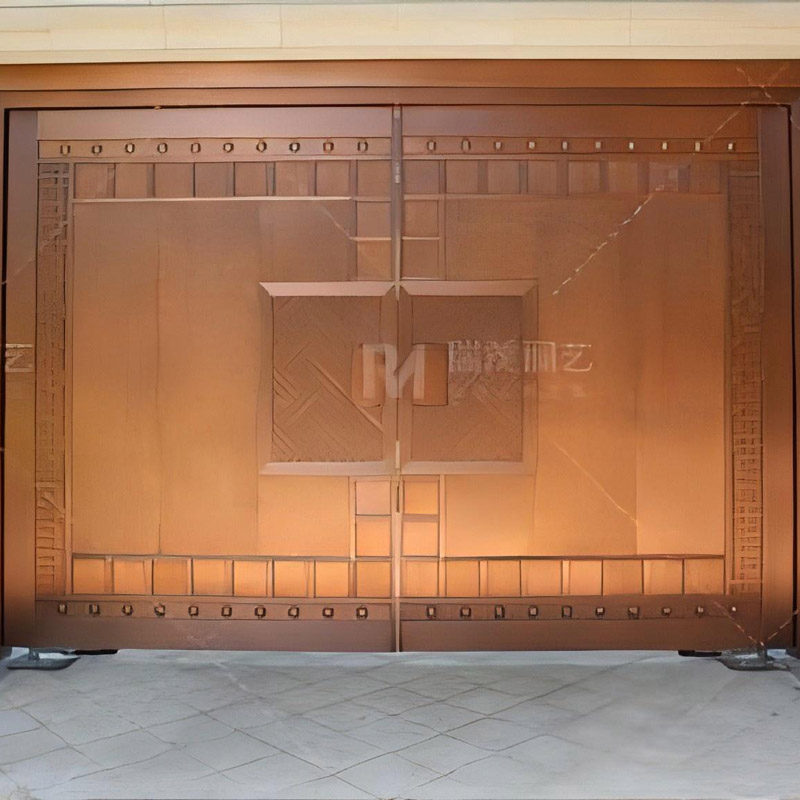 Xian Ziyingtai Artisan Copper Courtyard Gate
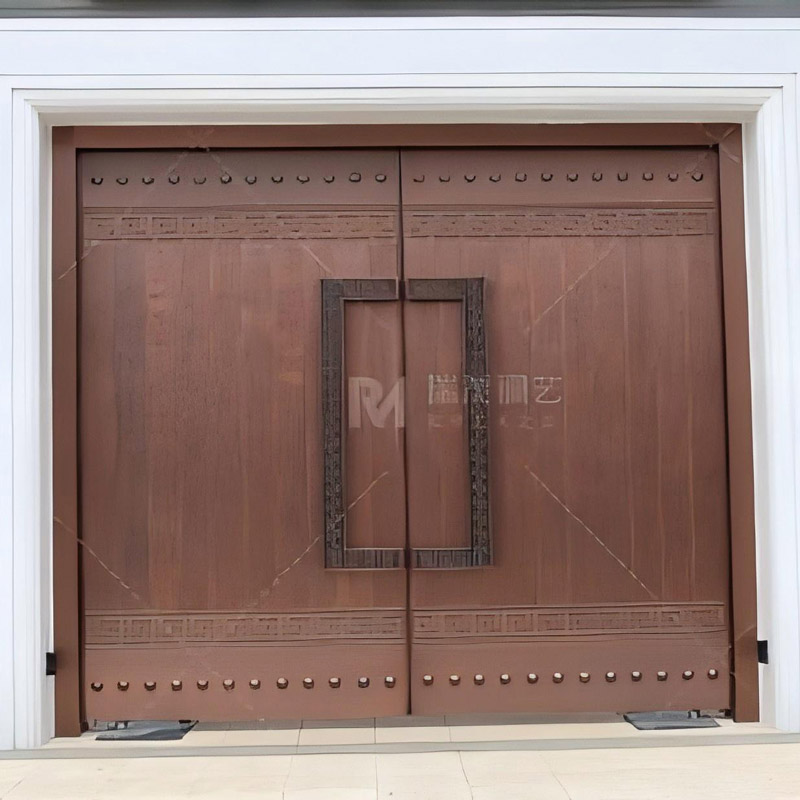 Exquisite Copper Gate of Qianshan Mansion
 Copper Canopy, Quality Weather Shield
 Ancient Charm Copper Carving, Inheritance Of The Millennium Craftsmanship
 Copper Art In The Garden, Lighting Up The Beauty Of Nature
 Copper Goodies, Indoor Art Show
 Exquisite Copper Partition, Screen Shows Style
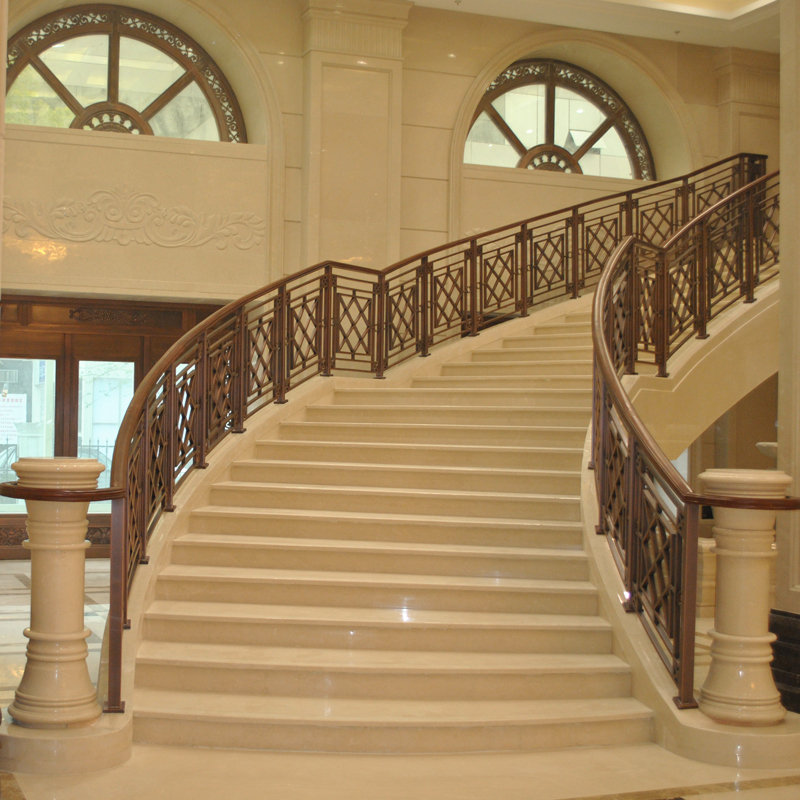 Indoor Copper Balustrade, a New Height Of Elegance
 Artisan Copper Revolving Elegance Door