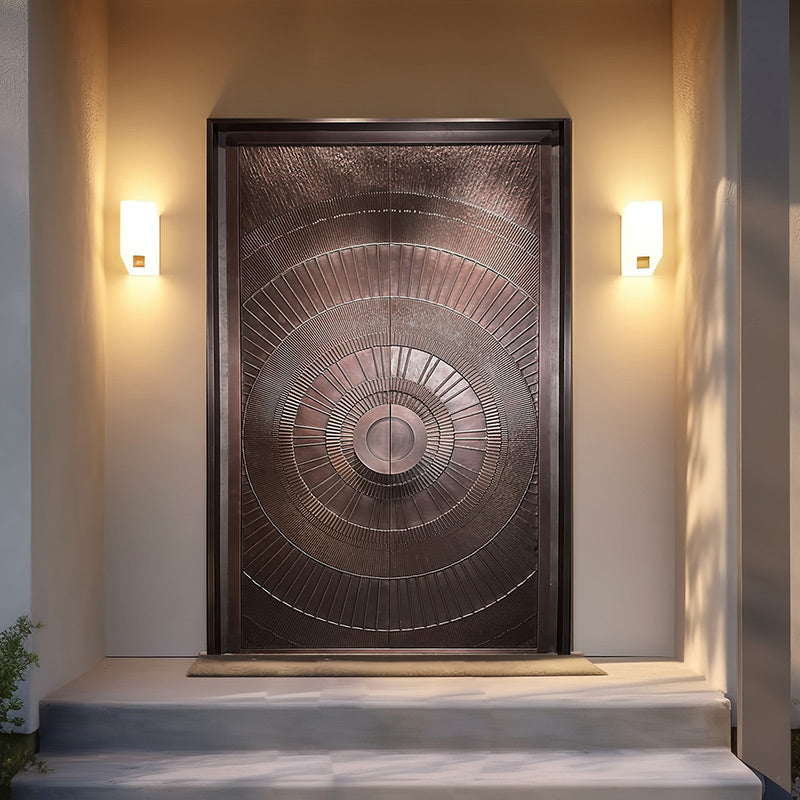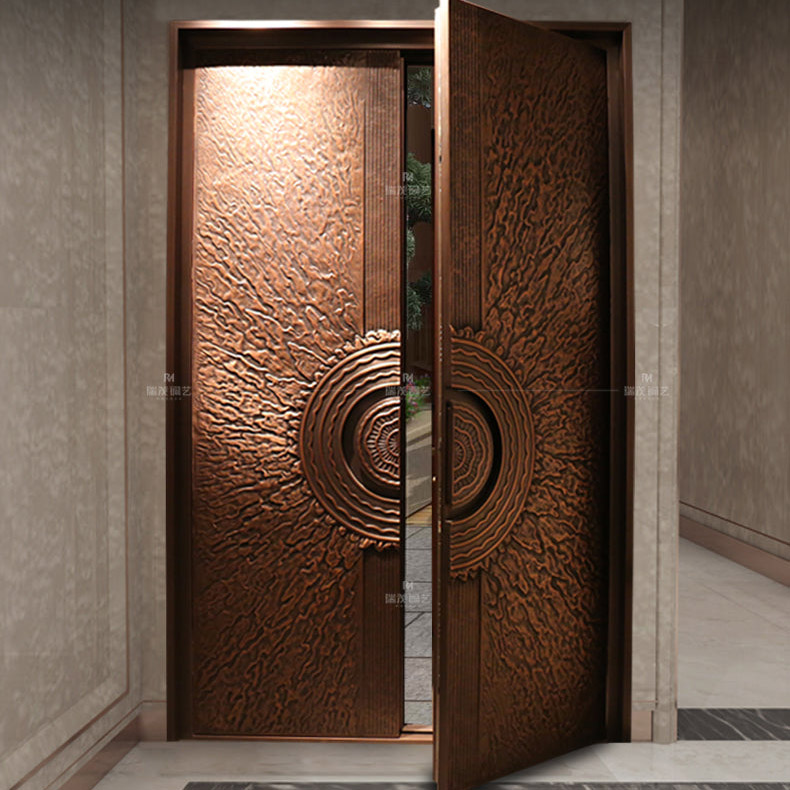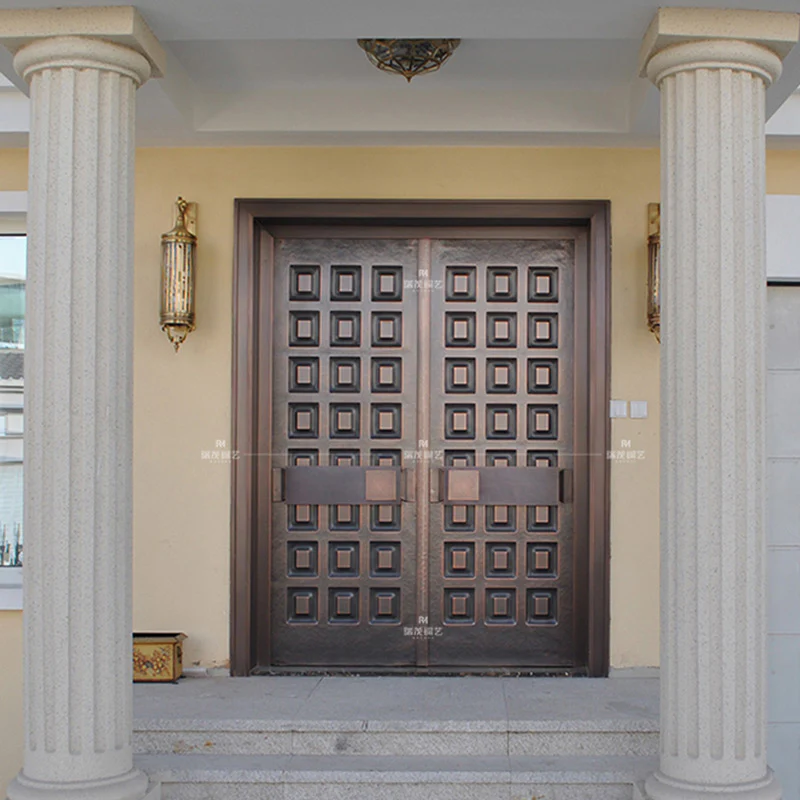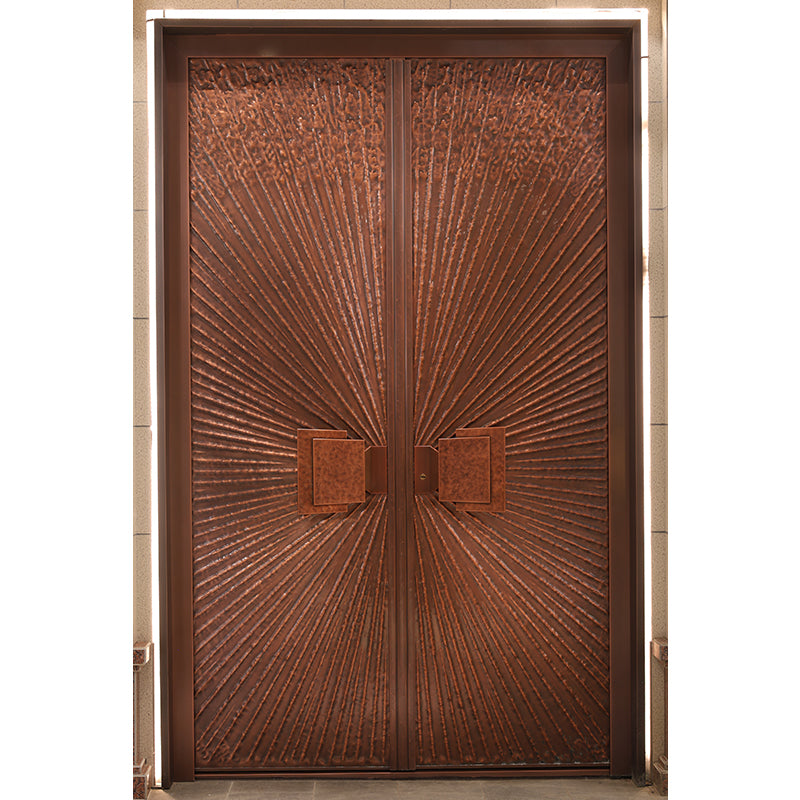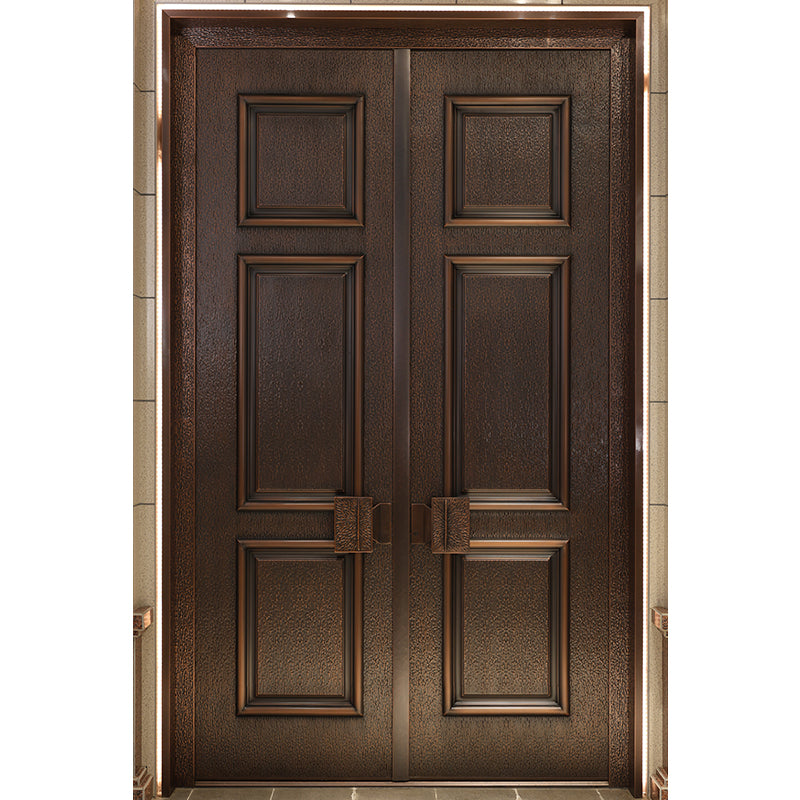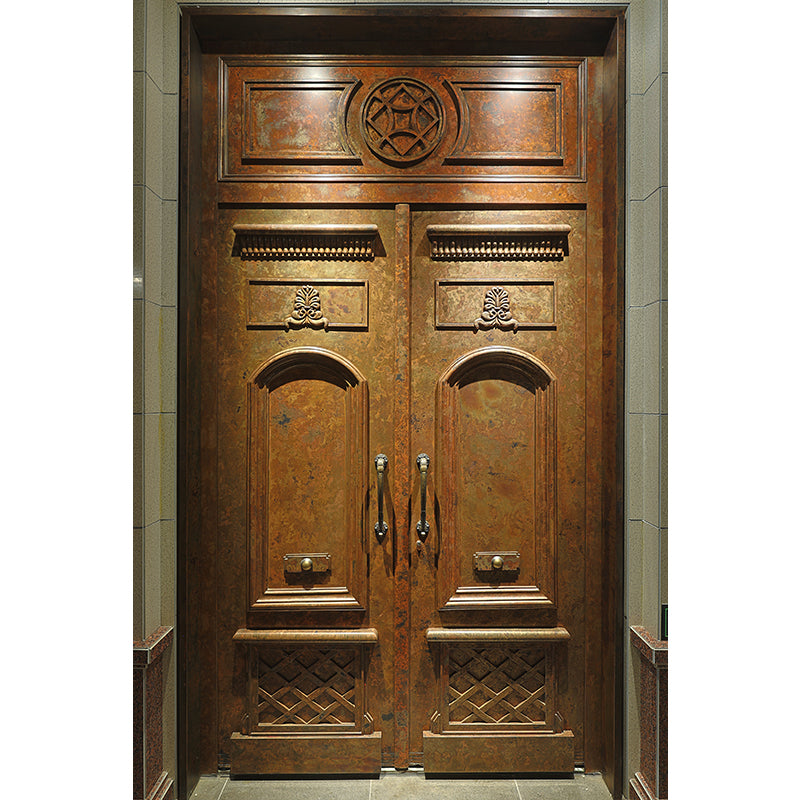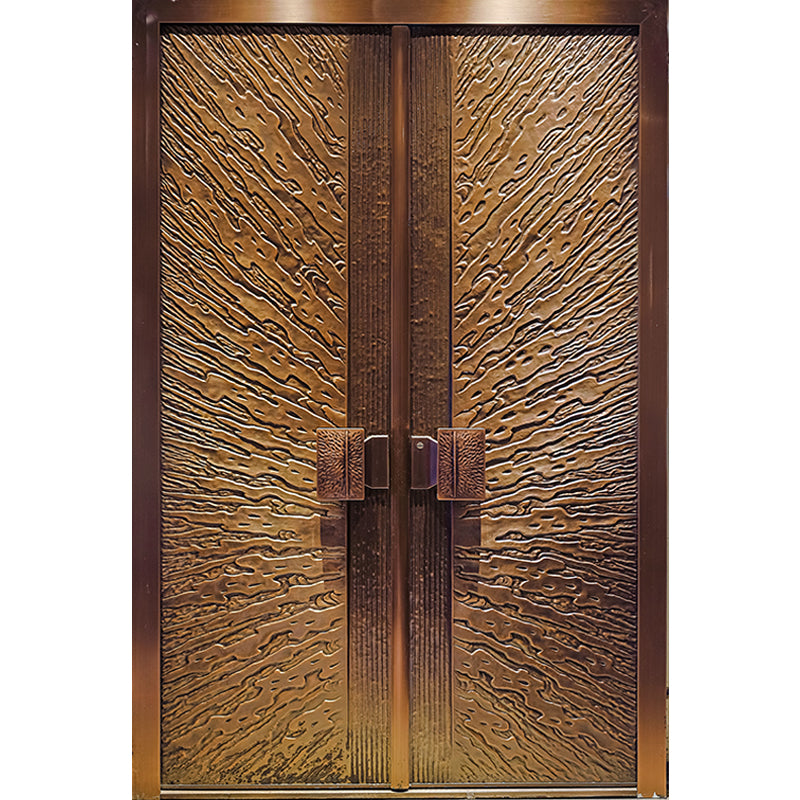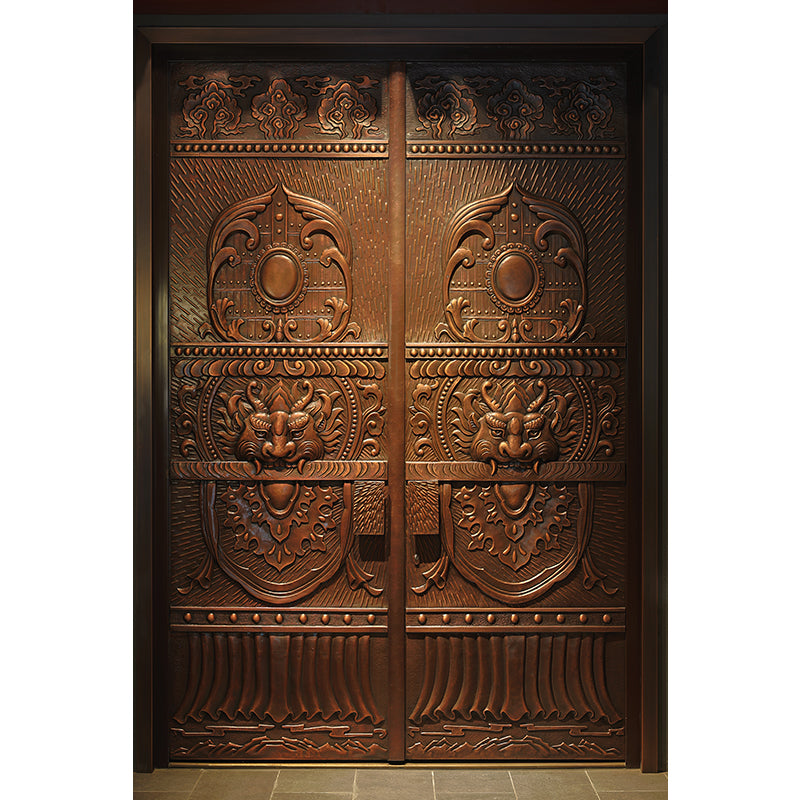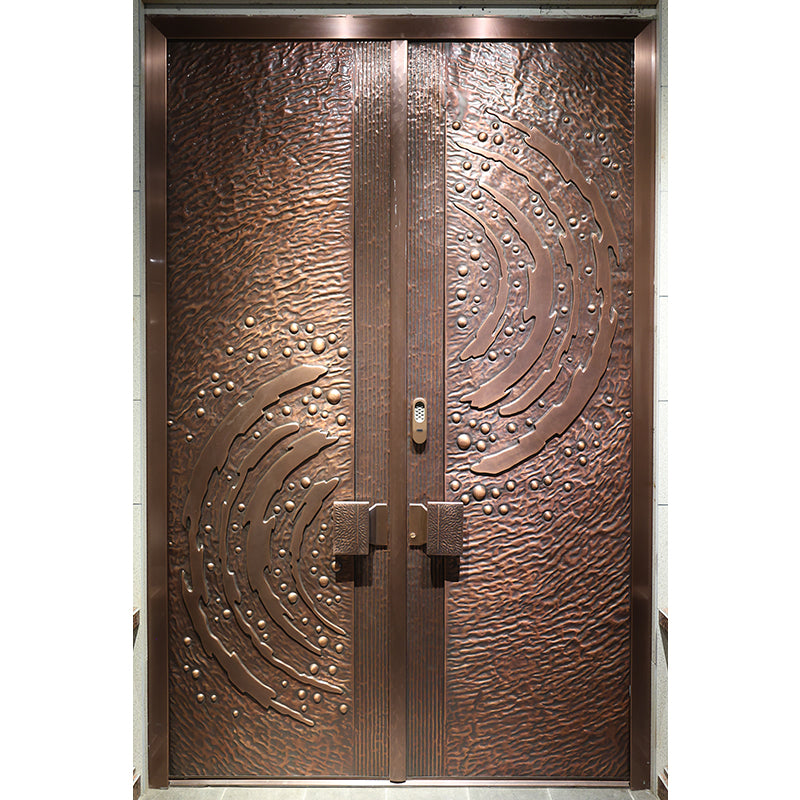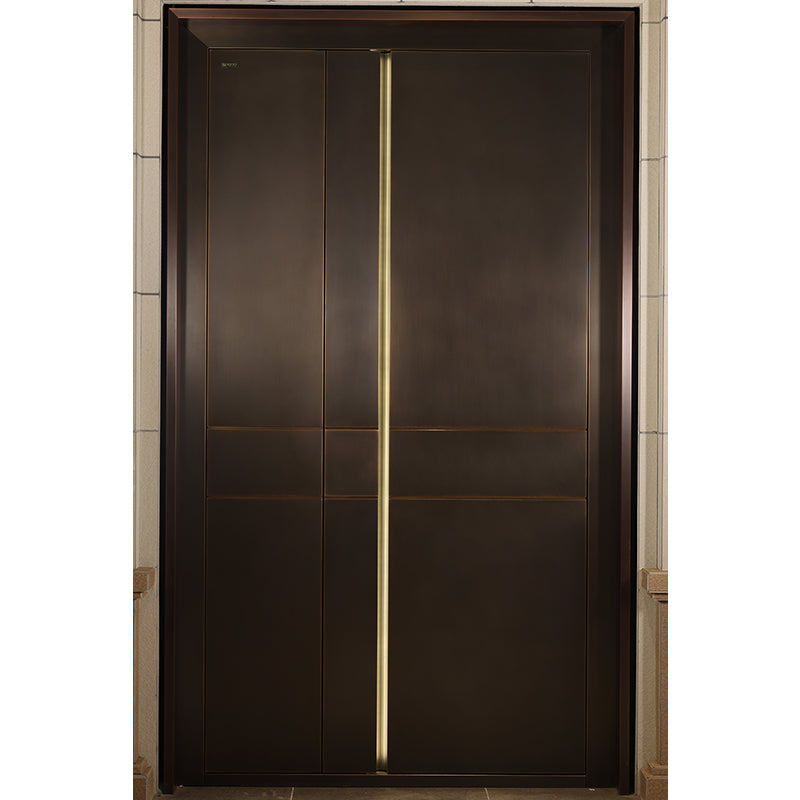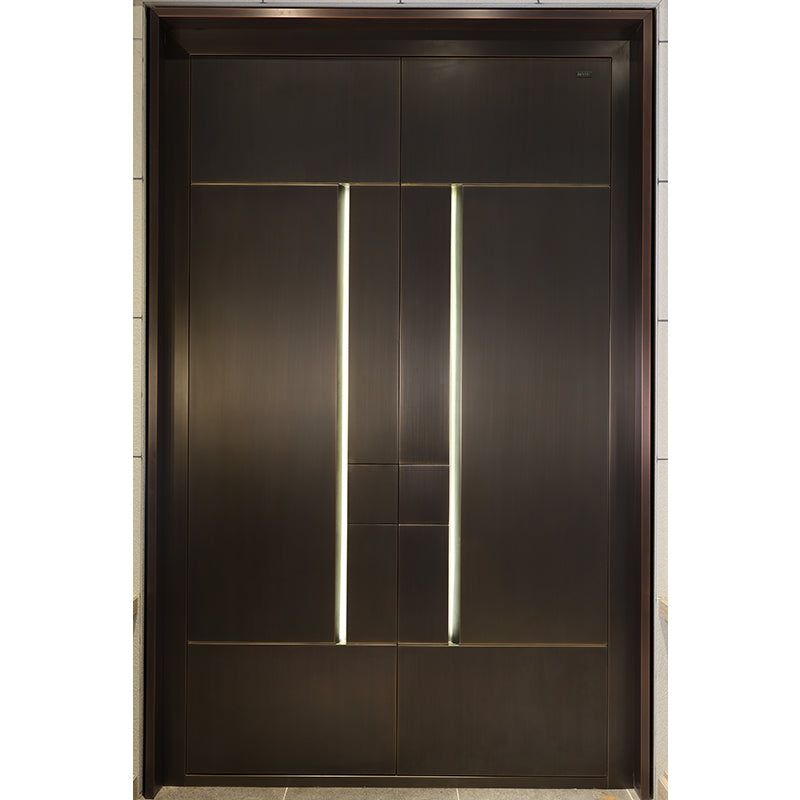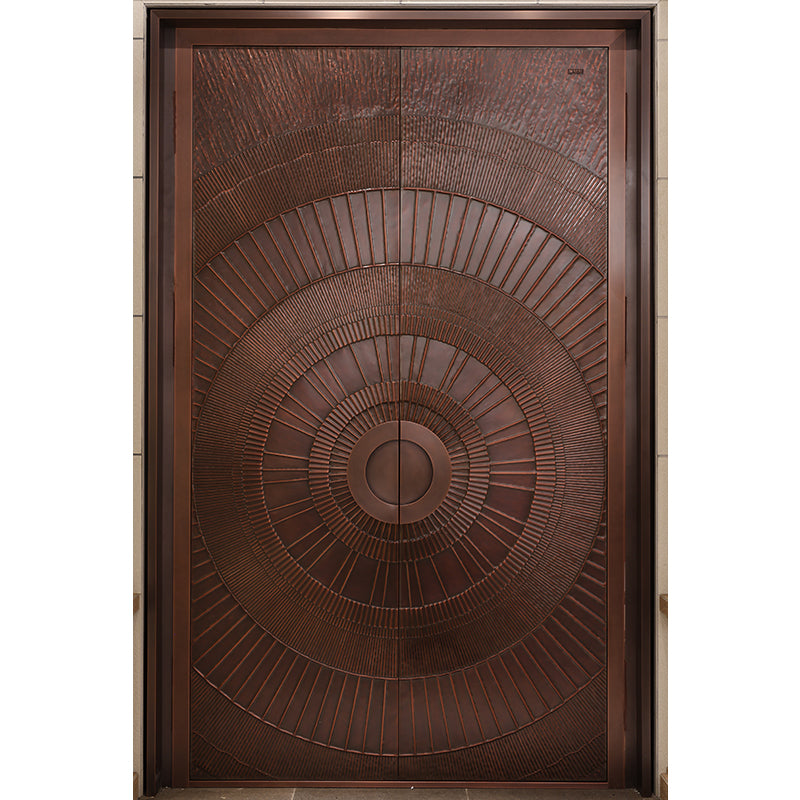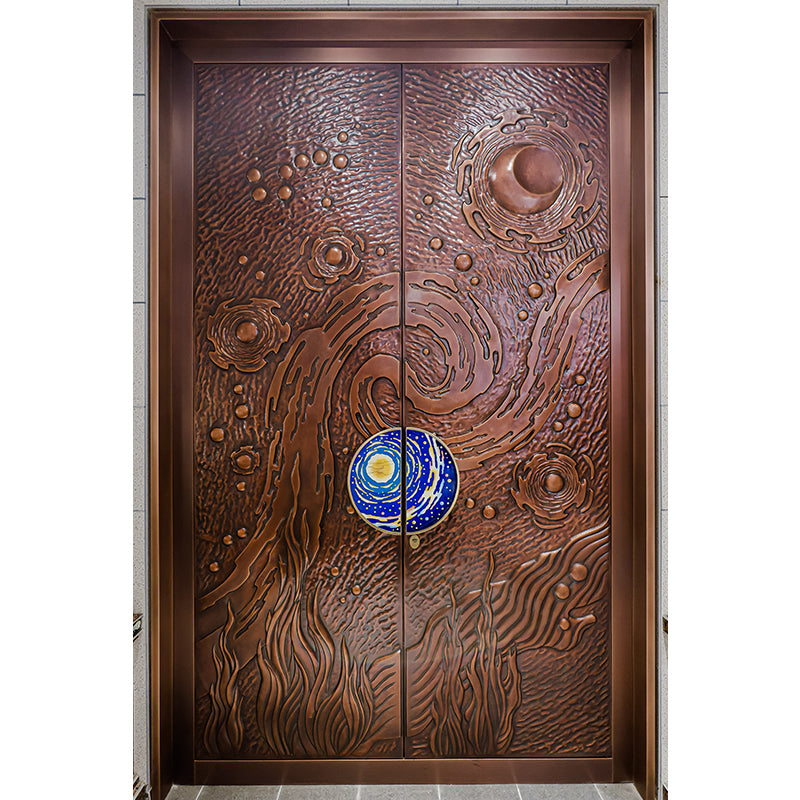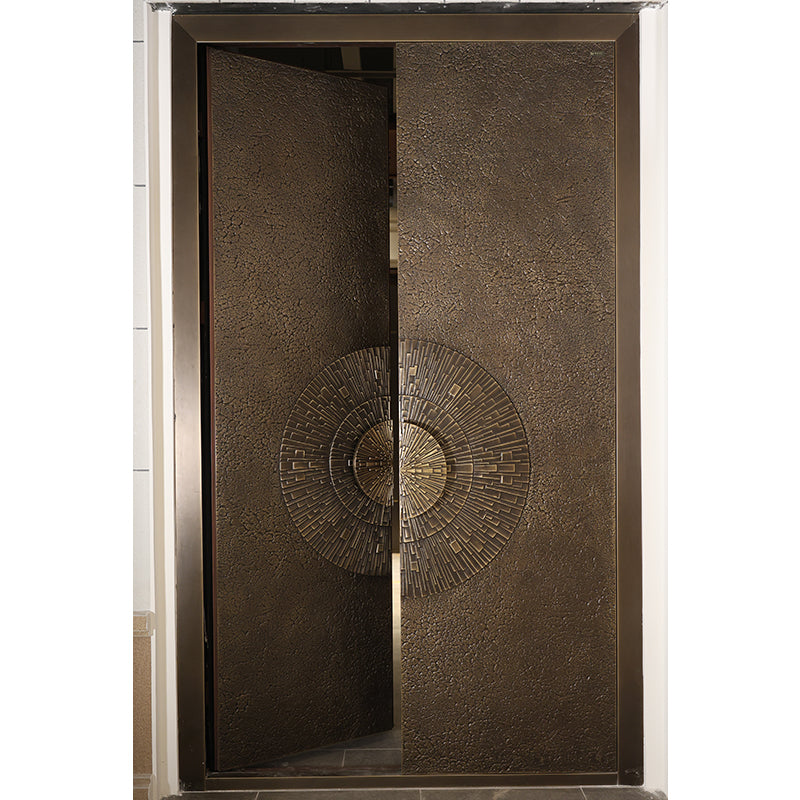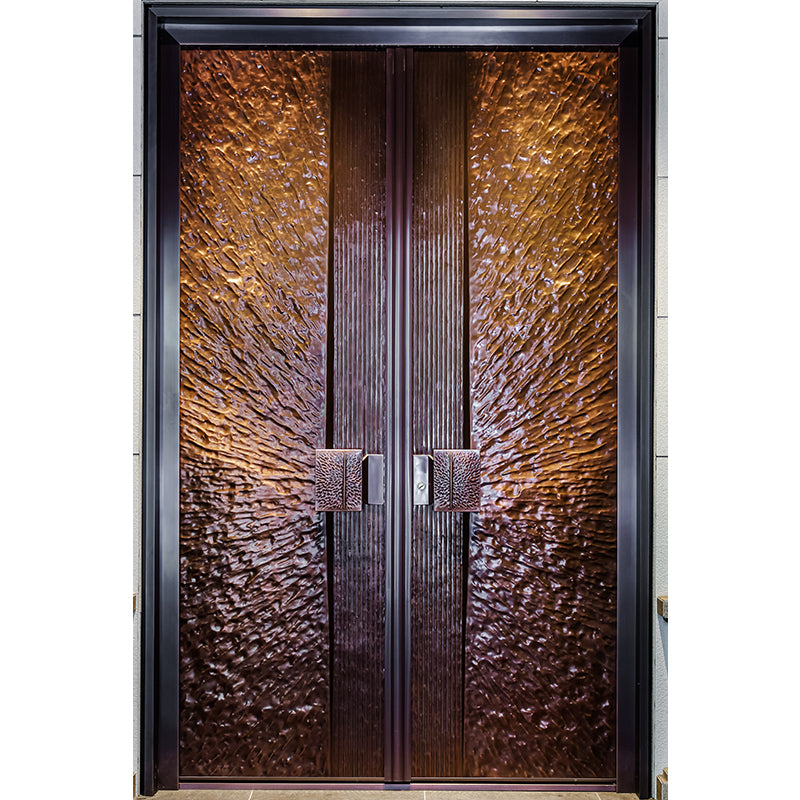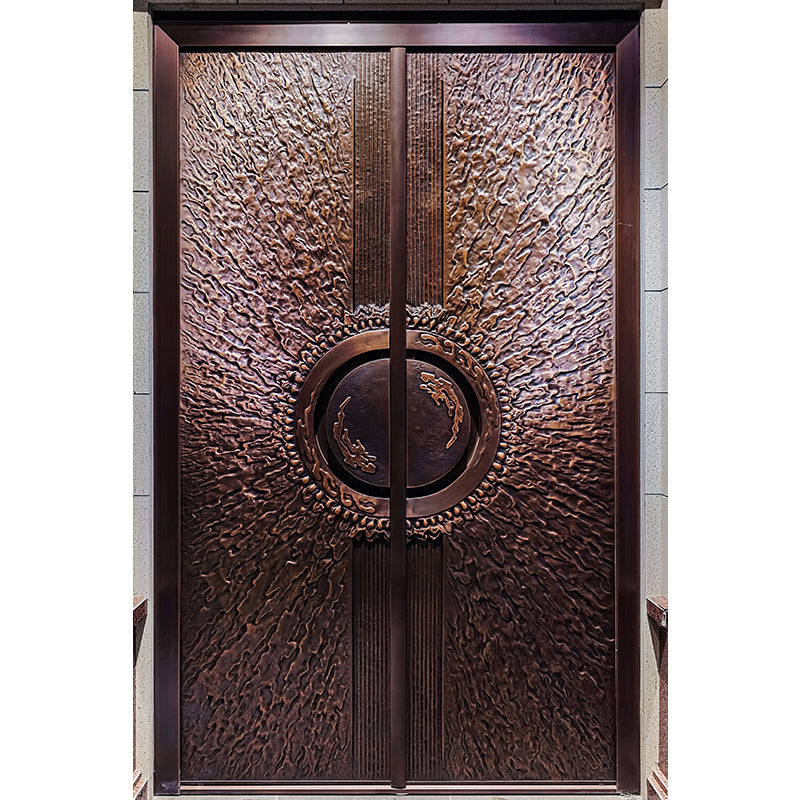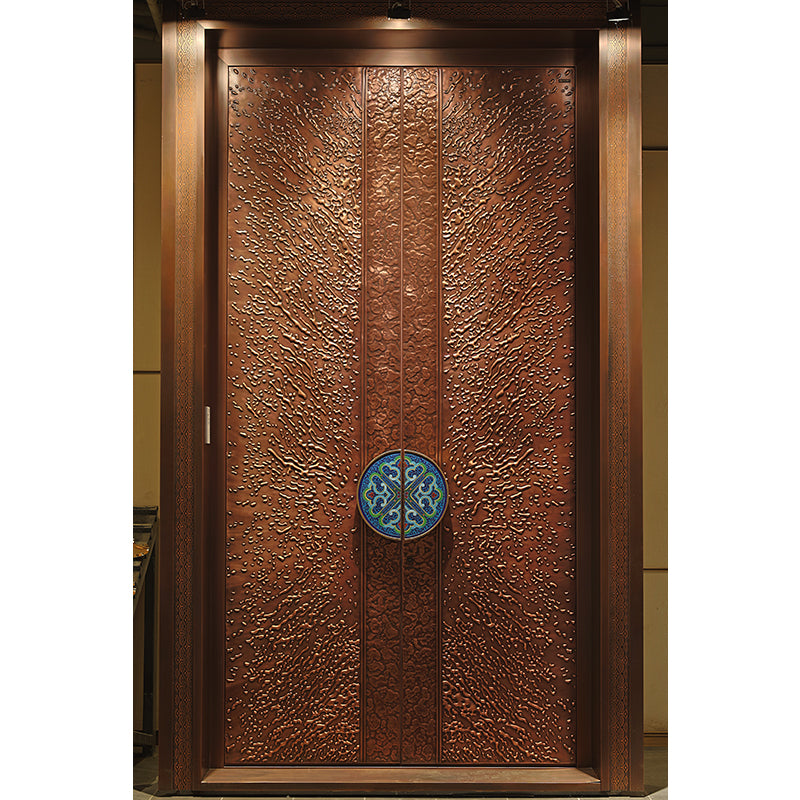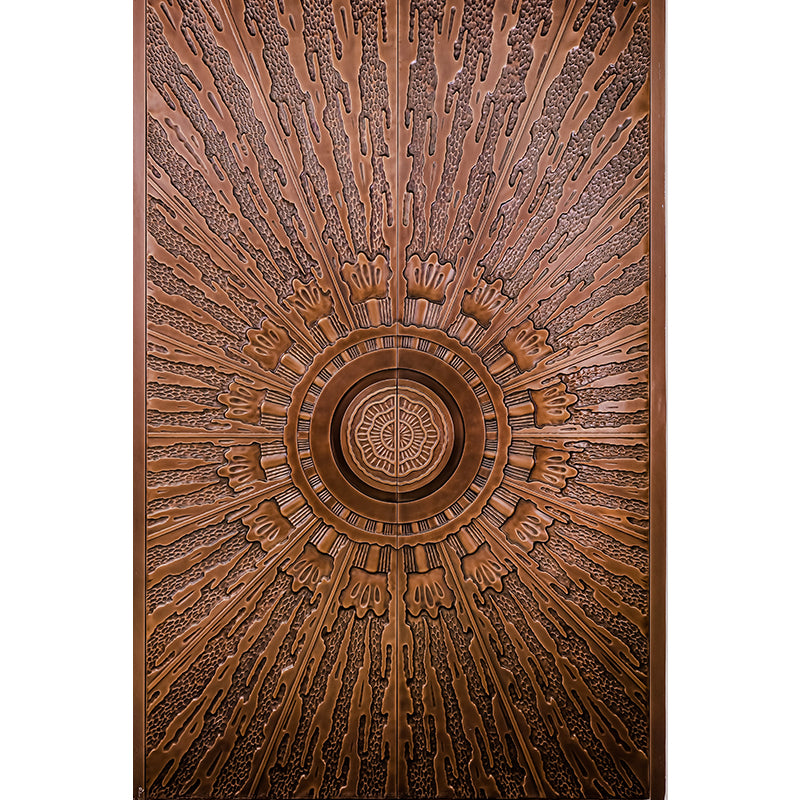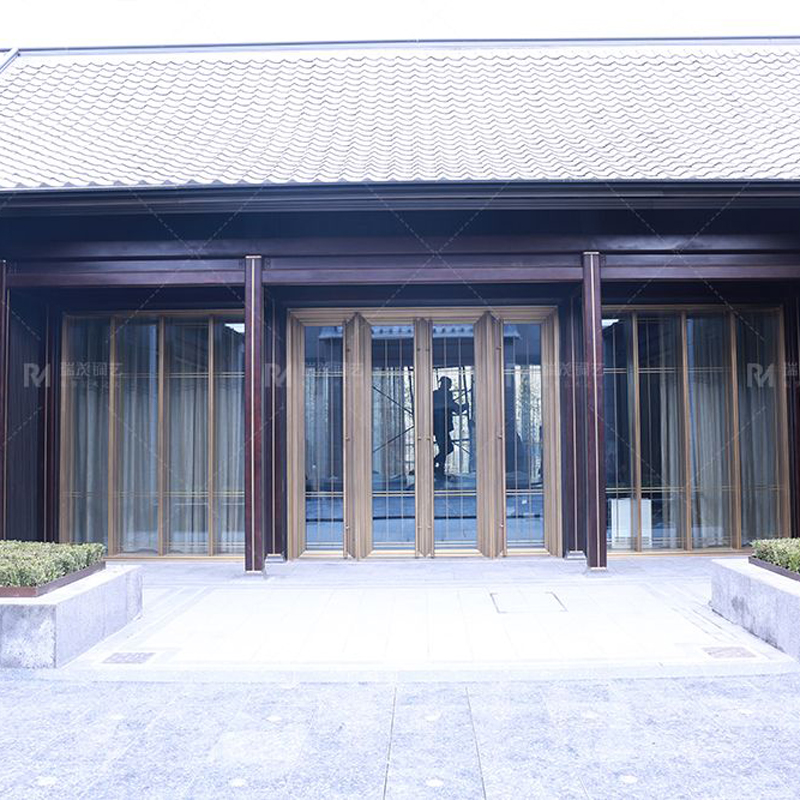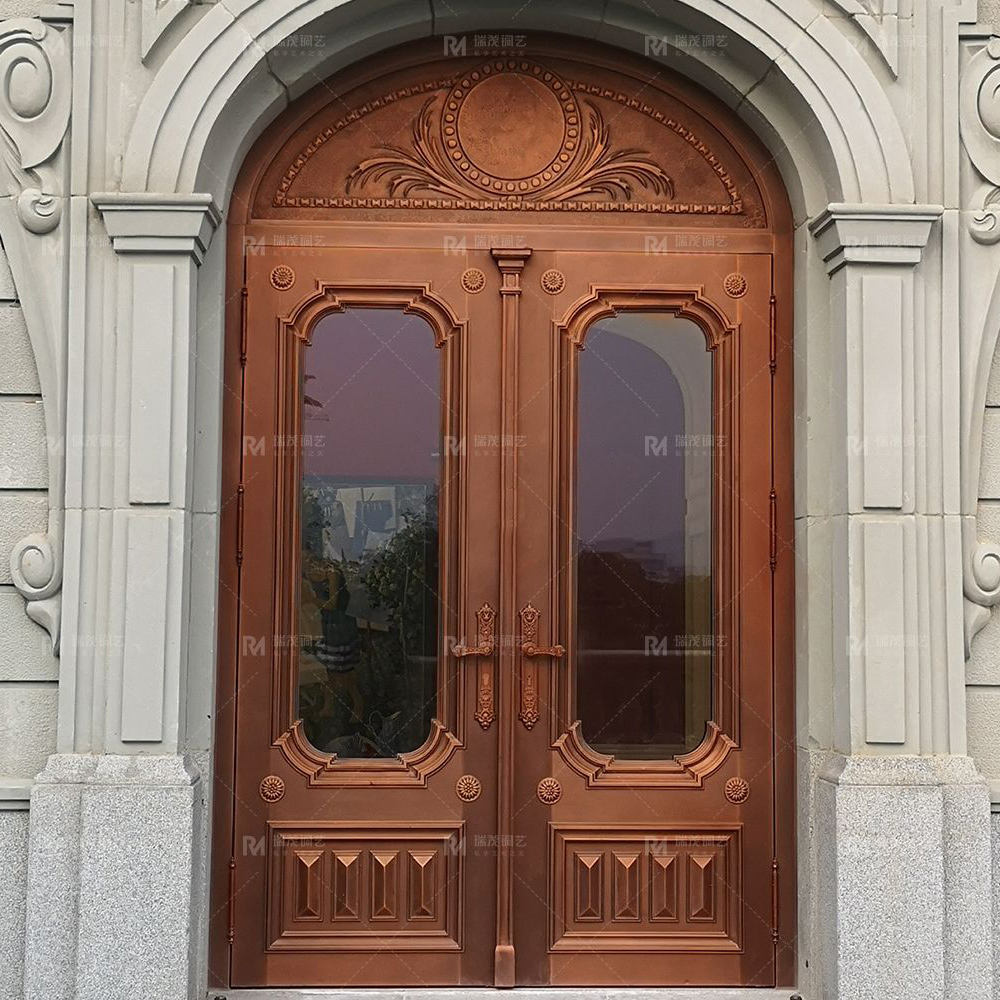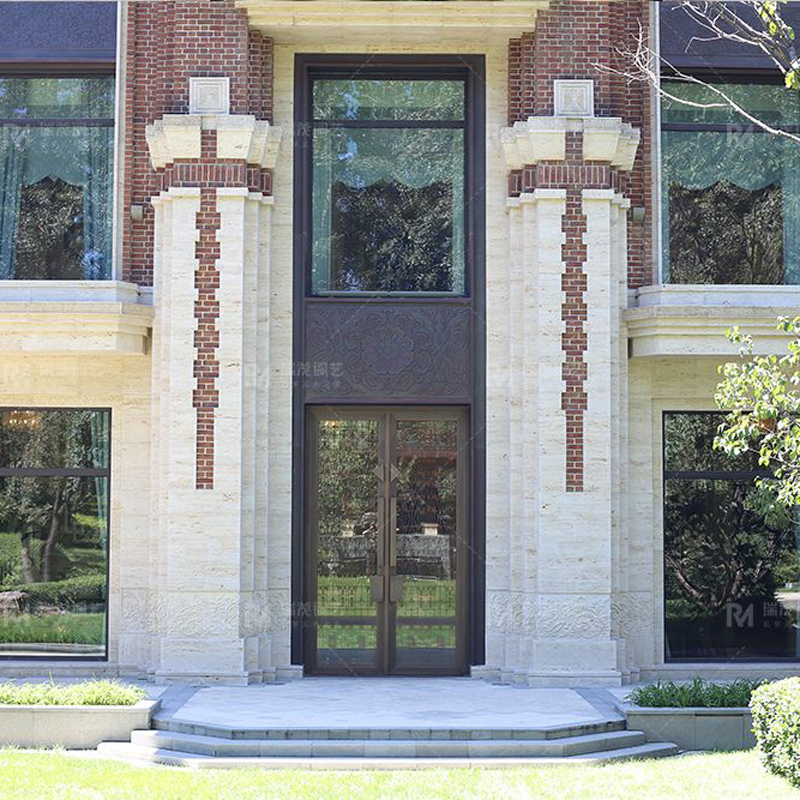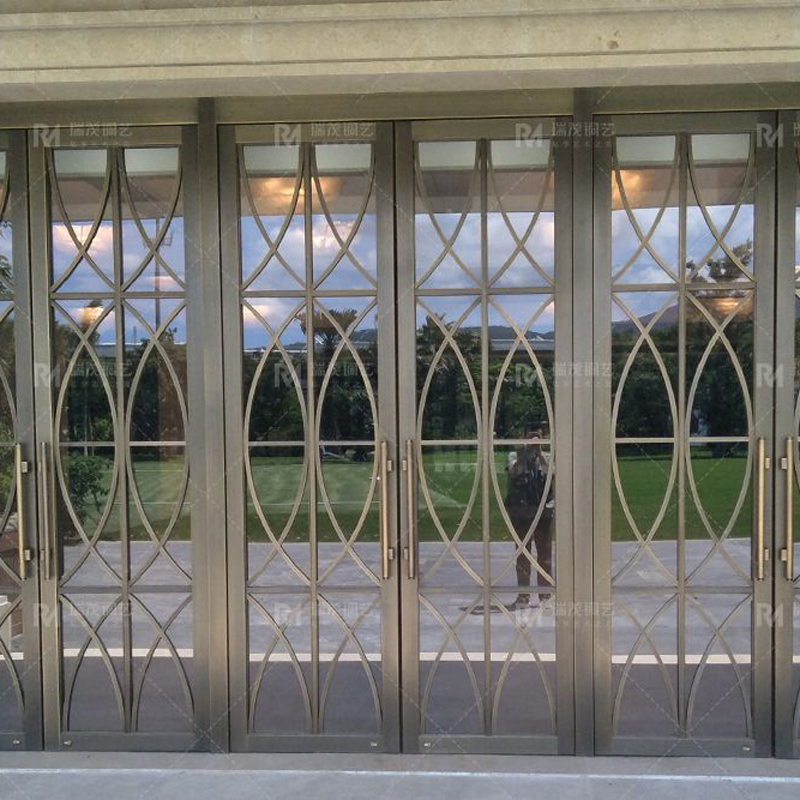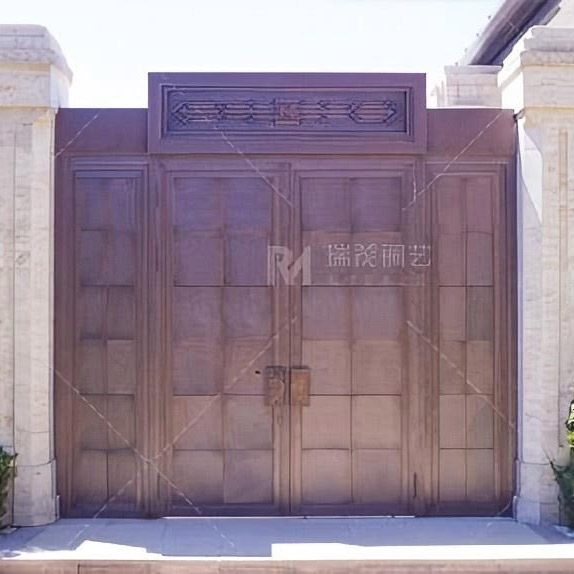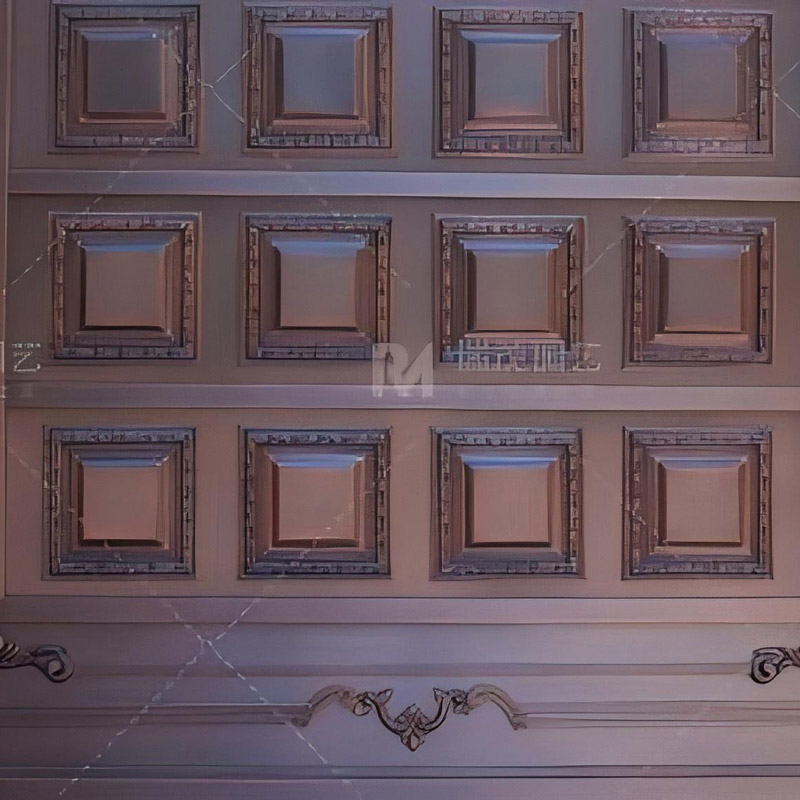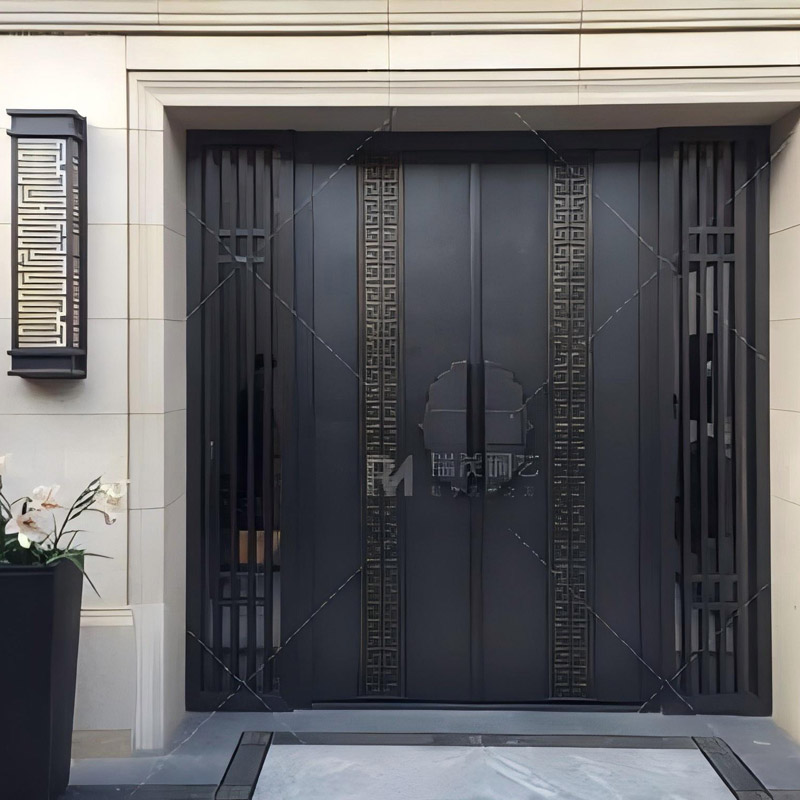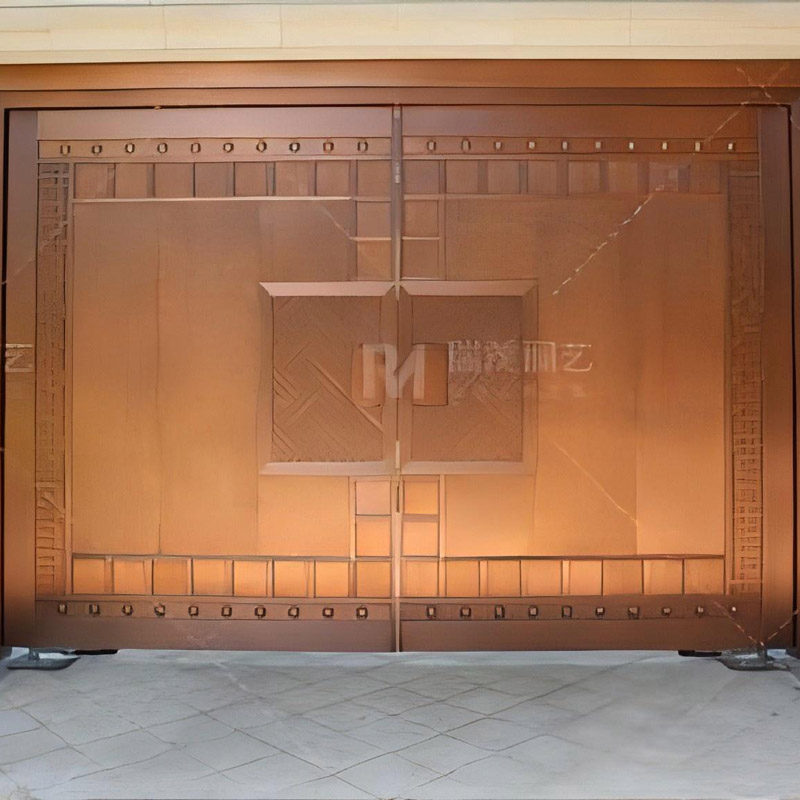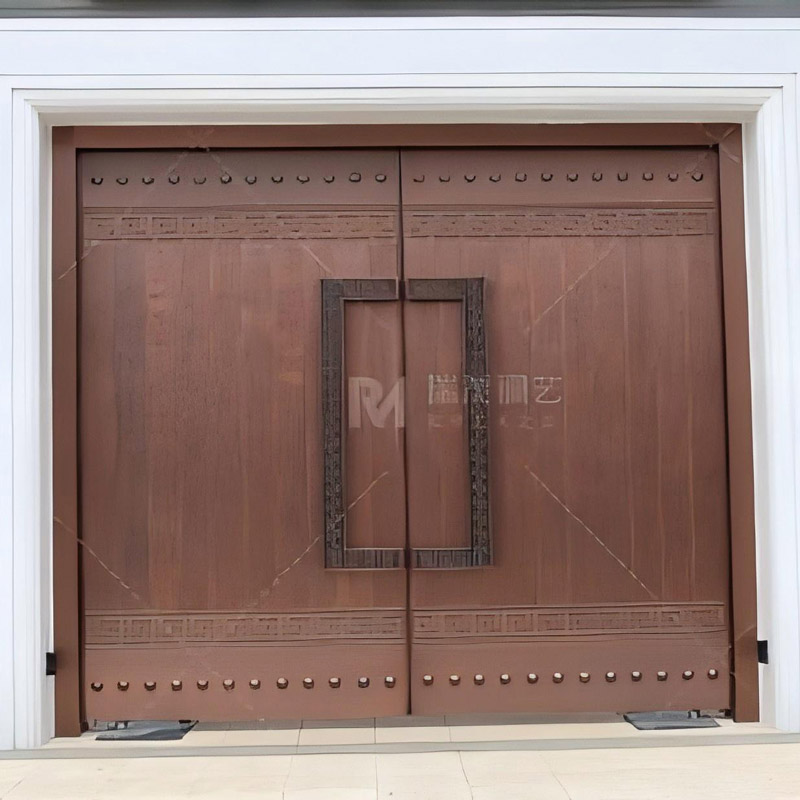
Copper Entrance Door
Copper Doors: Meticulously Crafted with Unparalleled Quality
Lucky Star Artisan Copper Villa Blessing Door
Dynasty Prosperity Artisan Copper Legacy Door
Auspicious Radiance Artisan Copper Legacy Door
Woodgrain Artisan Copper Nature-Infused Door
Artistic Copper Door for Harmonious Homes
Global Artisan Copper World-Inspired Door
Artisan Copper Home Guardian Art Door
Eternal Prime Artisan Copper Heritage Door
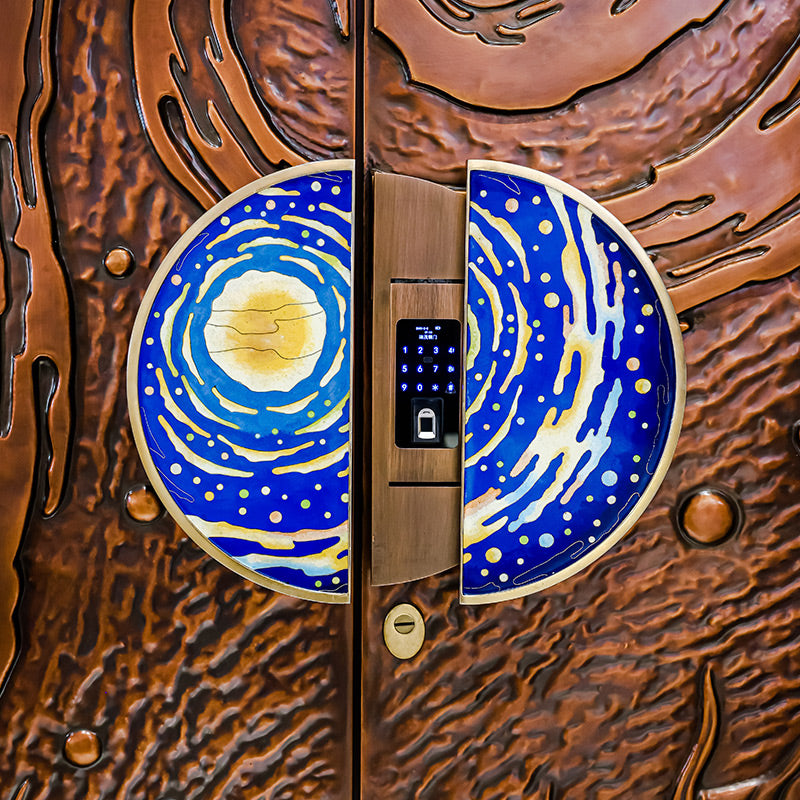
Celestial Artisan Copper Villa Stargazing Door
Eternal Summer Artisan Copper Timeflow Door
Auspicious Artisan Copper Heritage Entry Door
Minimalist Artistic Copper Door for Modern Homes
Harmony Circle Artisan Copper Door with Chinese Essence
Nebula Grandeur Artisan Copper Villa Door
Auspicious Star Artisan Copper Blessing Door
Dawn Glow Artisan Copper Flow Door
Sunlit Artisan Copper Villa Radiance Door
Cloisonné Waterdrop Artisan Copper Door
Radiant Artisan Copper Luxe Door
Contemporary Cosmopolitan Artisan Glass-Copper Door
Exquisite Glass-Copper Doors for Shiguan 1 Hao Yuan
Huawei Glass-Infused Artisan Copper Door
Gorgeous Glass Copper Doors for Jinhaihu
Graceful Glass Copper Doors for Yuanyang Wanhe Mansion
Nine Chapters Villa Artisan Glass-Copper Door
Graceful Tropical Glass - Copper Doors for Banshan Banda
Nine Chapters Villa Artisan Copper Courtyard Gate
Sino-Ocean LAVIE Artisan Copper Courtyard Gate
Shimao Xishan Artisan Copper Heritage Gate
Diaoyuntai Cloud-Reaching Artisan Copper Gate
R&F MGM Artisan Copper Entertainment Gate
Hongkun Shanyu Villa Artisan Copper Courtyard Gate
Xiamen Longhu Jinglin Copper Art Villa Gate
Tianjin COB Plaza Artisan Copper Gate
Xian Ziyingtai Artisan Copper Courtyard Gate
Exquisite Copper Gate of Qianshan Mansion
Copper Canopy, Quality Weather Shield
Ancient Charm Copper Carving, Inheritance Of The Millennium Craftsmanship
Copper Art In The Garden, Lighting Up The Beauty Of Nature
Copper Goodies, Indoor Art Show
Exquisite Copper Partition, Screen Shows Style
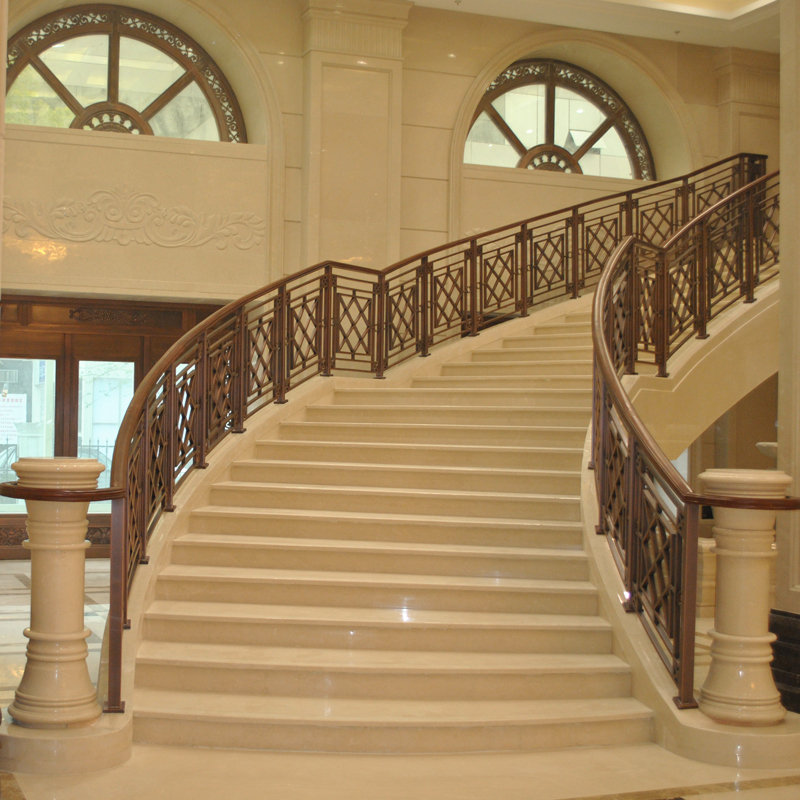
Indoor Copper Balustrade, a New Height Of Elegance 
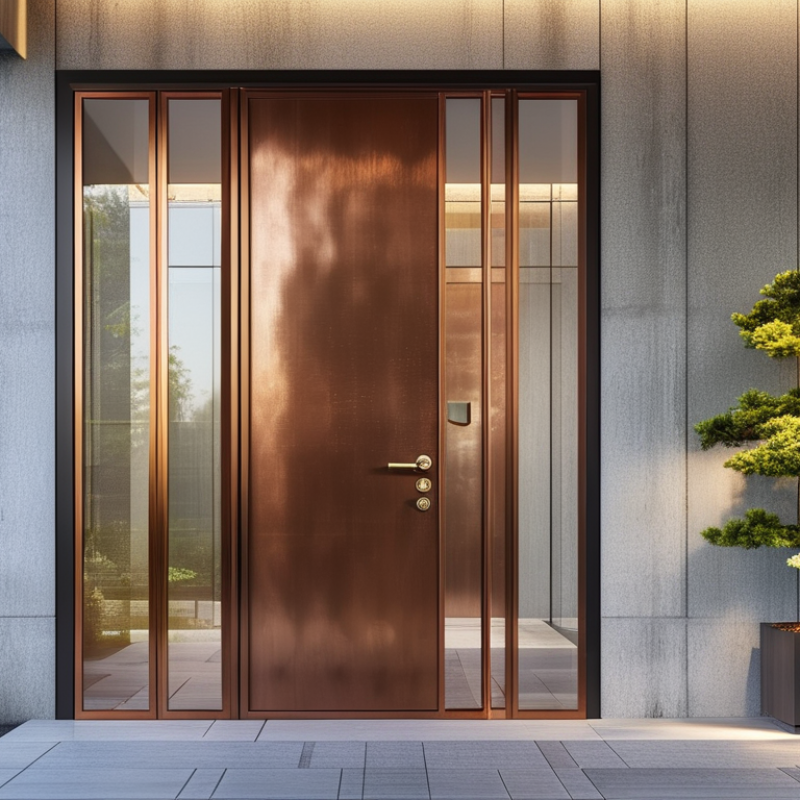
A Glass Copper Door is such a cool mix of see-through glass and the warm, ever-changing look of copper. It adds a unique touch to an entrance without blocking out all that lovely daylight. You get the visibility of movement through the glass, while the copper gives it some visual weight, framing the door or panels nicely. Honestly, it works really well in modern homes, boutique hotels, offices, and those carefully curated retail spaces.
Now, aside from looking great, there's some practical stuff too. Copper naturally develops a patina over time as it reacts with air and humidity – some folks really love this evolving look. But if you prefer a more consistent appearance, you'll need to keep up with regular cleaning. Just so you know, copper’s not a 'set it and forget it' kind of material. It requires some maintenance. That’s why it’s a good idea to have an experienced door pro check out the opening, drainage, hardware, glass specs, and how your local weather might affect things before you install it. Proper sealing can help cut down on drafts and moisture issues. And depending on where you’re putting it and what it’s made of, safety glass might be a must-have to keep things safe during everyday use.
So, picking out a Glass Copper Door isn’t just about how it looks — you’ve got to think about craftsmanship, how it performs structurally, energy efficiency, and what kind of upkeep it’ll need down the line. A reputable supplier should be able to walk you through details like how thick the copper is, the type of glass, finish options, warranty info, and how the installation works. Don’t be shy about asking for real photos of similar projects and some tips on maintenance. Those tiny details often make the difference in how well the door holds up and looks after years of use. Keep in mind, a door that looks fantastic in a showroom might behave a bit differently in your actual building. A honest, thorough evaluation is key. When everything lines up, a well-made Glass Copper Door can really add character, bring in daylight, and stand the test of time — as long as the materials match your property’s needs.
A glass copper door combines transparent glass with copper as a visible or protective material. Its structure usually includes tempered or laminated glass, a copper sheet, a rigid core, and weather-resistant seals. The copper may cover the frame, door face, or decorative panels. Each layer has a specific job. Glass brings daylight and visual openness, while copper adds texture, color, and a durable exterior surface. It also changes naturally over time, developing a warmer or darker patina. That change is attractive to many owners, although it is not always completely uniform.
In practical use, these doors suit residential entrances, interior partitions, offices, and hospitality spaces. A quality design should balance appearance with insulation, security hardware, drainage, and accurate installation. Copper is strong, but thin decorative sheets can dent or scratch. Glass also needs suitable thickness and safety treatment for its location. I have found that small gaps around the frame often cause more trouble than the materials themselves. The label sounds simple. The construction is not.
Tips: Ask how the copper is fixed to the door core. Check the glass certification and edge protection. Request a sample showing the expected patina. Confirm whether cleaning products can stain the finish. Consider sunlight, rain, and nearby salt air before choosing an untreated surface. A beautiful door can still perform poorly when its seals or hinges are overlooked.
A Villa Glass Copper Door combines transparent glazing with a warm, conductive metal frame. The headline figure needs careful interpretation. High-purity copper can reach about 401 W/m·K at room temperature, according to thermal-property data referenced by the Copper Development Association. That value describes the copper material, not the complete door. Glass, seals, coatings, and thermal breaks reduce the assembly’s actual heat flow.
A copper frame can spread heat quickly across its surface. This helps limit cold spots around the entrance, although it can also transfer outdoor heat indoors. The ASHRAE Handbook—Fundamentals explains that frame geometry, edge spacers, and thermal bridging strongly influence window performance. NFRC 100 also evaluates complete products through U-factor testing, rather than judging one material alone. This is an important correction. A 401 W/m·K frame does not automatically mean a highly energy-efficient door.
Tips: Ask for the tested whole-door U-factor, glass specification, and thermal-break design. Check the frame finish beside a sample window. Copper develops a changing patina, sometimes unevenly, which may be attractive or disappointing. For a sunny entrance, low-emissivity glass and shaded installation deserve attention. I would also inspect drainage paths and hinge reinforcement before ordering; decorative metal cannot fix poor detailing. Expect a substantial door, not a lightweight interior panel.
A glass copper door pairs transparent safety glass with a copper-toned frame or accents. It brings warm color, reflected light, and a visible metal edge to an entryway. A Metal Glass Door can also make a narrow hallway feel less enclosed. The beauty, however, depends on verified glass performance, not appearance alone.
ANSI Z97.1 defines impact-testing procedures for architectural safety glazing. Its tests use impact levels of 100 and 150 foot-pounds, depending on the classification. Federal rule 16 CFR 1201 also requires architectural glazing to pass Category I or Category II testing. The larger Category II classification applies to many bigger door panels. The U.S. Consumer Product Safety Commission identifies NEISS as a national injury-surveillance system, supporting the need for tested glazing in high-contact areas. A certificate should name the glass type, thickness, test standard, and manufacturer. Tempered glass may break into small pieces, but it is not unbreakable. That distinction is easy to miss.
Tips: Ask for permanent safety-glass markings. Confirm ANSI Z97.1 and 16 CFR 1201 compliance before installation. Check panel size and door swing. Copper can develop uneven patina. That is normal, but maintenance still matters. I would also inspect hinges and edge clearances twice yearly; small installation errors can become expensive.
What Is a Glass Copper Door and Why Buy One?
A glass copper door combines a warm copper finish with a transparent, light-filled entryway. Its beauty is immediate. Yet performance matters more than appearance. The U.S. Department of Energy indicates that Low-E glass can reduce heat loss by 30–50% compared with ordinary clear glass, depending on the window system and climate. A thin, nearly invisible coating reflects indoor warmth back into the room during winter. In summer, it can reduce unwanted solar heat. The result is a more stable hallway, fewer cold drafts, and less pressure on heating equipment.
A properly built Metal Frame Glass Door needs more than attractive glass. Look for a low U-factor, tight weatherstripping, insulated spacers, and professional installation. Copper frames can develop character over time, but exposed gaps may also invite air leakage. I have learned that a beautiful door can perform poorly when the threshold is uneven. Low-E glass is not a magic shield. Door direction, local weather, glass size, and frame design all affect real savings. That uncertainty deserves honest attention.
Tips: Ask for the complete door’s U-factor, not only the glass rating. Check whether the Low-E coating suits your climate. Stand near the closed door on a cold day and feel for moving air. Small gaps matter. Recheck seals after the first heating season, because installation details can change performance.
| Dimension | Typical Information or Range | Why It Matters |
|---|---|---|
| Basic Definition | A door combining copper cladding or a copper door skin with one or more glazed panels. | It combines the distinctive appearance and weathering characteristics of copper with daylight and visibility through glass. |
| Copper Surface Development | New copper is typically reddish-brown and may gradually develop a darker brown or green patina outdoors. | The finish changes naturally over time, giving the entry door a distinctive appearance without relying on paint color alone. |
| Recommended Glazing | Double-pane or triple-pane insulated glass, preferably with a low-emissivity coating and sealed gas-filled cavity. | Multiple panes and low-E coatings generally improve insulation compared with single clear glass. |
| Low-E Heat-Loss Benefit | Low-E glazing can reduce window heat loss by approximately 30–50% compared with ordinary clear double glazing, depending on the glass design and installation. | The low-E coating reflects a portion of long-wave radiant heat back toward its source, helping reduce winter heat transfer. The U.S. Department of Energy presents this as a potential performance range rather than a guarantee for every door. |
| Typical Center-of-Glass U-Factor | Clear single glazing: about 1.00 Btu/h·ft²·°F; high-performance double glazing: commonly about 0.20–0.30 Btu/h·ft²·°F. | A lower U-factor indicates a lower rate of heat transfer through the glazing. Whole-door performance also depends on the frame, edge spacers, and installation. |
| Solar Heat Gain Coefficient | Common low-E glazing values may range from approximately 0.25 to 0.70, depending on coating type, climate, and orientation. | A lower SHGC reduces unwanted solar heat gain in hot, sunny conditions; a higher value may be useful where passive winter solar heat is desired. |
| Visible Light Transmission | Many residential low-E glass products transmit roughly 40–70% of visible light, although the exact value varies by glass makeup and tint. | Higher visible transmittance generally provides more daylight, while lower values can improve glare control and privacy. |
| Thermal Bridging at the Frame | Copper is highly conductive, so a thermally improved door should use insulated construction, thermal breaks, and carefully detailed glazing frames. | High-performance glass cannot fully compensate for heat transfer through an uninsulated metal frame or poorly sealed door assembly. |
| Weather Resistance | Copper naturally resists atmospheric corrosion, while the door still requires effective flashing, drainage, weatherstripping, and perimeter sealing. | Material durability does not replace proper water management and installation detailing. |
| Security Glass Options | Tempered, laminated, or laminated-insulating glass may be selected according to safety, security, sound-control, and local code requirements. | Safety glazing helps reduce injury risk after breakage, while laminated glass can remain bonded to its interlayer after cracking. |
| Condensation Control | Insulated low-E glazing and warm-edge spacers can help keep interior glass surfaces warmer than single clear glass. | Warmer interior surfaces can reduce the likelihood of interior condensation, although indoor humidity and ventilation remain important. |
| Maintenance Requirements | Clean glass with a non-abrasive solution; follow the fabricator’s guidance for copper cleaning, protection, and patina preservation. | Different cleaning chemicals can change the copper surface or damage adjacent sealants and finishes. |
| Best Climate Selection | Cold climates often benefit from lower U-factor glazing; hot climates may prioritize lower SHGC; mixed climates require a balanced specification. | Selecting glass by climate and façade orientation can improve comfort and energy performance more effectively than choosing by appearance alone. |
| Important Buying Check | Request whole-door U-factor, SHGC, air-leakage information, glazing details, safety-glass compliance, and installation requirements. | Whole-product ratings provide a more realistic comparison than center-of-glass values alone. |
Note: Actual performance varies with glass composition, frame design, door size, climate, orientation, air leakage, installation quality, and indoor conditions. U-factor values are expressed in Btu/h·ft²·°F; lower values indicate better insulation.
A glass copper door combines clear glass with copper-alloy hardware, framing, or touch plates. It can give a Metal And Glass Front Door a warmer, more practical character. The main benefit is not decoration alone. Certain EPA-registered copper alloys have been tested to reduce 99.9% of specific bacteria within two hours under controlled laboratory conditions. The surface must remain exposed and clean for the claim to apply.
Copper ions can disrupt microbial cell membranes and interfere with essential cell functions. This action happens continuously between routine cleanings. It does not make the door sterile. It also does not replace hand hygiene, ventilation, or proper cleaning procedures.
Real buildings are messier than laboratories. Dirt, coatings, moisture, and heavy traffic may affect performance. That limitation deserves attention.
Tips: Check the alloy and registration details before buying. Ask for test conditions, not only percentage claims. Avoid paint or film over treated touch areas. Use cleaning products approved for copper surfaces, since harsh chemicals may damage the finish. Inspect handles, push plates, and edges regularly. A good installation should also control water entry around the glass and frame. My practical concern is simple: copper works best where people actually touch it, not across every decorative surface.
How NFRC U-Factor, SHGC, and Air-Leakage Ratings Guide Selection
A glass copper door combines a transparent glass panel with copper cladding or decorative copper framing. Copper offers a warm, changing surface that develops a natural patina. The appearance is attractive. Performance needs closer inspection. The National Fenestration Rating Council (NFRC) rates the complete door assembly, not only its glass center.
U-Factor measures heat flow through the door. Lower values indicate better insulation. This matters because the U.S. Department of Energy estimates that windows can cause 25–30% of household heating and cooling energy use. SHGC measures how much solar heat enters through the glass. A lower SHGC can reduce summer cooling demand, while a higher value may help in colder climates. Local sunlight matters. A climate-based choice is safer than chasing one impressive number.
Air-leakage ratings measure unwanted airflow, usually in cubic feet per minute per square foot at 1.57 pascals. Lower leakage generally means better comfort and fewer drafts. Check the NFRC label for the whole door, frame, glazing, and weather seals. Copper can conduct heat quickly, so thermal breaks and careful installation remain important. A beautiful door can still perform poorly. I would inspect corner seals, threshold fit, and installation details before buying. NFRC guidance and DOE energy-use data provide useful evidence, but real performance may change with workmanship and maintenance.
What Is a Glass Copper Door and Why Buy One?
A glass copper door combines transparent panels with a copper frame or decorative skin. It brings warm color, visible texture, and natural aging to an entrance. Copper may gradually darken or develop a greenish patina. That change is not automatically corrosion failure. It can be part of the material’s character.
ASTM B117 salt-spray testing helps evaluate a coating’s resistance to a controlled, salty mist. It is useful for comparing finishes under laboratory conditions. However, test hours do not directly equal years of outdoor service. Real doors face rain, sunlight, fingerprints, coastal air, and trapped moisture. A reliable specification should identify the tested coating system, exposure time, preparation method, and failure criteria. Otherwise, the number may sound stronger than it is.
Coating choice strongly affects appearance and maintenance. A protective clear finish can slow oxidation, but scratches may expose copper beneath it. An uncoated surface usually needs more frequent cleaning and accepts natural color changes. Use a soft cloth, clean water, and a mild, pH-neutral cleaner. Avoid abrasive pads and strong chemicals. Wipe around glass edges, hinges, joints, and drainage paths. Salt residue can remain in small gaps.
Small inspections matter.
Look for cloudy coating, lifting edges, loose seals, or green deposits near fasteners. Repairing these areas early is usually easier than refinishing the entire door. My practical concern is simple: owners often choose copper for its low-maintenance appearance, then expect it to remain unchanged. Copper is durable, but it is not maintenance-free.
A copper courtyard gate can serve as both an entrance and an architectural statement, expressing the refined balance between heritage and contemporary living. Crafted from high-quality brass, this gate offers a firm structure, strong resistance to corrosion, and a surface that develops character over time. The USGS *Mineral Commodity Summaries 2024* reported global copper mine production of approximately 22 million metric tons in 2023, reflecting the material’s continuing importance across construction, infrastructure, and design applications.
Its visual language draws from Hui architecture, incorporating motifs inspired by horse-head walls, carved timber flowers, and layered traditional façades. Skilled artisans shape and finish each detail with precision, creating subtle textures that appear elegant rather than overly ornate. At the same time, clean lines and restrained proportions introduce a modern simplicity, allowing the gate to complement both classical residences and contemporary villas while enhancing the sense of arrival.
Beyond appearance, the gate is designed for everyday performance. A reinforced construction and advanced security features help create a dependable boundary, while effective sound insulation reduces the intrusion of traffic and neighborhood noise. This combination of handcrafted detail, architectural heritage, and practical engineering transforms the courtyard entrance into a durable feature that supports privacy, comfort, and a distinguished residential atmosphere.
Entry doors face frequent contact and impact. Safety glass helps reduce injury risk during breakage. It is safer, not unbreakable.
Ask for compliance with ANSI Z97.1 and 16 CFR 1201. Larger door panels may require Category II testing. Request written documentation before installation.
The certificate should identify the glass type, thickness, test standard, and manufacturer. Permanent markings provide another useful check. Do not rely on a verbal promise.
No. Tempered glass can still break under severe impact. It usually breaks into smaller pieces. That distinction is easy to miss.
A Low-E coating reflects indoor warmth during winter. It can also reduce unwanted solar heat in summer. Heat loss may decrease by 30–50% compared with ordinary clear glass. Actual results vary.
Check the complete door’s U-factor, SHGC, and air-leakage rating. A lower U-factor usually means better insulation. A lower SHGC can help in sunny, warm climates. Lower air leakage usually means fewer drafts.
No. Copper can conduct heat quickly. Thermal breaks, insulated spacers, weatherstripping, and a tight threshold matter. A beautiful frame can still perform poorly. That surprised me.
Check the door swing, panel size, hinges, edge clearances, and corner seals. Stand near the closed door on a cold day. Feel for moving air around the threshold. Inspect these details twice yearly.
A Glass Copper Door combines a durable copper frame with layered safety glass to create an entrance that is both functional and visually distinctive. Copper can provide thermal conductivity of about 401 W/m·K, while carefully selected frame design, insulation, and Low-E glass can help reduce heat loss by approximately 30–50% under suitable conditions. For safety, the glass should meet recognized impact and human-safety requirements, including ANSI Z97.1 and 16 CFR 1201. Depending on the alloy and regulatory approval, copper surfaces may also support up to 99.9% microbial reduction.
Choosing the right Glass Copper Door requires more than appearance. NFRC ratings, including U-factor, solar heat gain coefficient, and air leakage, help compare energy performance and comfort. Long-term durability depends on copper thickness, protective coatings, edge sealing, hardware quality, and resistance to corrosion. ASTM B117 testing can provide useful information about salt-spray resistance, while routine cleaning and timely coating maintenance help preserve the door’s finish and performance in demanding environments.