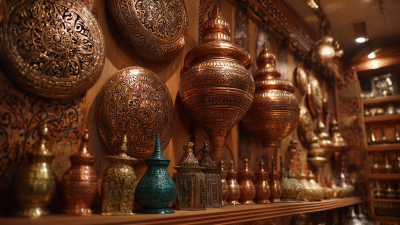
China's got a huge selection of copper metal artwork, whether you're after hammered wall panels, dimensional signs, or fully custom sculptures. But honestly, picking a manufacturer isn't just about liking the photos or the price tag. Before you even ask for a quote, it's worth getting clear on a few things—like what the piece is for, where it'll be installed, what dimensions and copper grade you need, the sheet thickness, the finish, and how you plan to mount it. Honestly? It's the little details that matter. They really do.
Look, a good supplier should be able to walk you through the whole process—from when you approve the drawings to how things get fabricated, finished, inspected, and finally packed up so nothing gets damaged. Don't be shy about asking for close-up shots of their past work, material specs, production timelines, and any projects similar to yours. And honestly, a physical sample beats a catalog image every time. You can actually see the texture, check the edge quality, see the true color, and feel the weight. One thing to keep in mind: patina and hand-applied finishes can vary from piece to piece. That's not necessarily a bad thing—it can add character—but definitely talk it through before production starts.
This guide walks you through China-based manufacturers when you're comparing capabilities, customization, communication, and quality controls. But here's the thing: a polished website can look great, but it doesn't guarantee consistent performance. So before you commit, ask for written specs, confirm how inspections work, and agree upfront on how defects or finish differences will be handled. And don't forget packaging—it really needs to match the artwork's size and surface, especially if pieces have raised details. Honestly, not every finish travels well. Sure, putting together a shortlist is a solid first step—but you can’t just take factory claims at face value. It’s worth digging a little deeper, maybe ordering samples and making sure the agreements are crystal clear. That way, you’re making a much more informed call, not just crossing your fingers.
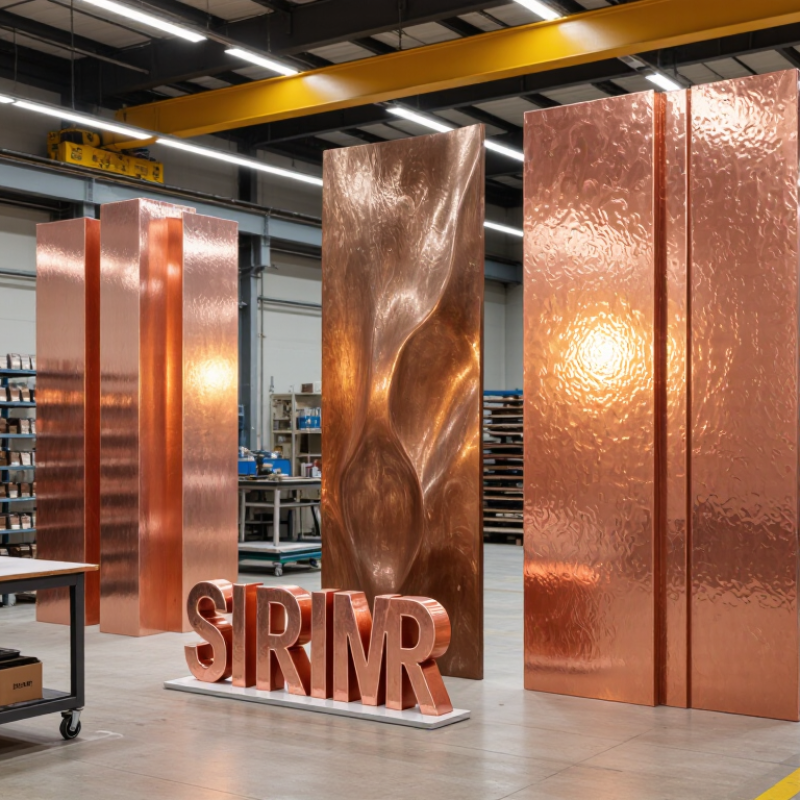
Understanding Copper Metal Artwork and Its Applications
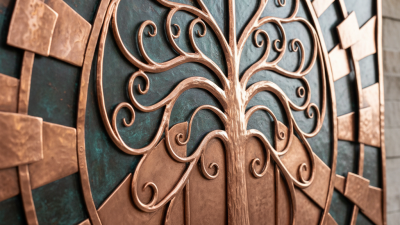
Copper Metal Artwork uses shaped, etched, hammered, or assembled copper to create decorative and functional surfaces. Its reddish tone changes with light, while untreated copper gradually develops a natural patina. Some makers apply controlled finishes, but results can vary slightly between sheets.
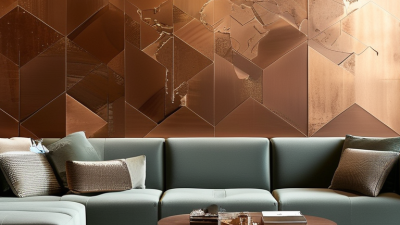
Copper Artwork appears in wall panels, screens, relief sculptures, signage, and interior accents. In a hotel lobby, a hammered copper panel can catch warm light and add texture without taking up floor space. Smaller pieces suit cabinet fronts or framed displays. Buyers should check the artwork’s thickness, edge treatment, mounting method, and finish sample before ordering.
Small details matter.
Outdoor installations need more planning. Rain, coastal air, and frequent handling can alter the surface, so the intended appearance should be discussed with the fabricator. Protective coatings may slow color changes, though they can affect the metal’s natural feel. A sample is useful. It may not show every variation in a larger finished piece, and that limitation is worth considering. For custom projects, clear drawings and agreed dimensions help reduce fitting problems during installation.
Copper Materials, Finishes, and Craftsmanship Techniques
Copper Artwork begins with a clear material specification. Pure copper offers a warm, reddish tone and develops a natural patina over time. Copper alloys can provide different colors and working properties, so confirm the exact composition before ordering. Ask for the sheet thickness, too. It affects weight, forming, and edge strength.
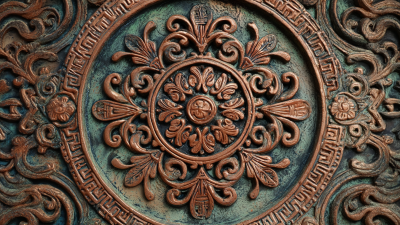
Finishes change how a piece looks under real lighting. A brushed surface shows fine, directional lines, while polishing creates brighter reflections and may reveal fingerprints. Chemical patinas can range from russet brown to deep green, but the result depends on preparation and application. Request a physical sample. Photos can flatten color differences. Details matter.
Craftsmanship is visible in joined edges, hammered texture, and raised relief. Check whether seams are soldered, welded, or intentionally exposed, then inspect a sample from several angles. For larger pieces, ask how the maker controls warping during forming and finishing. Small variations may be part of handwork, not defects. Still, “handmade” is not a quality standard by itself. Agree on acceptable variation, surface marks, and dimensions in writing; even careful workshops can interpret these differently.
China’s Copper Artwork Manufacturing Landscape
China’s copper artwork manufacturing landscape includes small metalworking studios, established workshops, and larger fabrication facilities. Their capabilities can differ: one may excel at hand-hammered relief, while another handles repeatable panels for commercial interiors. Copper sheets are cut, shaped, joined, and finished by hand or with mechanical tools. Patinas can range from warm brown to muted green, but the final color may vary across a large surface. Details matter. Buyers should ask how samples are made and whether the same finish can be reproduced across an order. A Copper Artwork Wall may look uniform in a rendering, yet show subtle marks and color shifts in natural light.
Tips: Share a measured drawing, intended installation location, and preferred copper thickness before requesting a quote. Ask for close-up photos of edges, joints, and finish samples. Confirm packaging and estimated production time in writing. Small gaps in the brief can lead to costly revisions.
Clear communication helps buyers compare suppliers on more than price. Request details about fabrication steps, quality checks, and care instructions. For outdoor work, discuss exposure to rain and how the surface may age. For indoor installations, consider weight and mounting points. That takes practice. Even experienced buyers may need to revise their specifications after seeing a physical sample.
Profiles of Leading Chinese Copper Artwork Manufacturers
Chinese copper artwork manufacturers generally fall into two groups: craft-focused workshops and larger metal fabricators. Workshops often specialize in hand-hammered reliefs, engraved panels, and custom patinas. Fabricators may offer CNC cutting, repeatable dimensions, and coordinated installation parts. Details matter. For buyers assessing a supplier profile, request close-up photographs, material specifications, and a sample finish under natural light.
The International Copper Study Group’s World Copper Factbook 2024 reports global refined copper usage of about 26.5 million tonnes in 2023. The USGS Mineral Commodity Summaries 2025 estimates China’s mined copper output at roughly 1.8 million tonnes in 2024. These figures describe the wider supply chain, not artwork-grade material or any maker’s quality. Ask manufacturers to document alloy composition, sheet thickness, joining methods, and surface treatment. A polished catalogue is not proof.
For Copper Pipe Artwork, check whether the maker can provide consistent pipe diameters, clean bends, and secure joints. Request drawings with dimensions before production, then compare a physical sample with the approved finish. Small differences in patina can be normal; uneven seams or unstable mounts deserve closer review. Ask for evidence. Supplier profiles should also explain packaging, lead times, and how transit damage is handled. Those answers can be incomplete, so confirm them in writing.
China Copper Artwork Manufacturers: A Buyer’s Material Guide
Copper content in selected copper and copper-alloy grades used in decorative metal fabrication
Higher copper content generally means a more copper-rich appearance, while alloying elements can change color and working characteristics. Values are approximate weight percentages: C11000 is shown at its 99.90% minimum copper content; the other values are midpoints of commonly specified composition ranges. This is a material reference, not a comparison of individual manufacturers or their product offerings.
Custom Design, Production, and Quality Control
China Top Copper Metal Artwork Manufacturers for Buyers
Choosing a copper artwork supplier in China starts with a clear design brief. Share scaled drawings, reference photos, target dimensions, and installation conditions. A workshop can then advise on sheet thickness, joining methods, and surface finish. Small details matter: a 2 mm edge return changes both shadow and handling. Request a physical sample when color consistency matters.
Custom production should follow approved drawings, material checks, forming, joining, and finishing. For relief panels, confirm depth and back support before fabrication. For sculptures, discuss seams and mounting points early. Copper responds to heat and handling; fingerprints may show beneath some patinas. Not every variation is a defect. But agree on acceptable differences before production.
Quality control works best against measurable criteria. Buyers can request dimension records, close-up photos, finish samples, and a final inspection before packing. Check corners, weld transitions, surface marks, and protective wrapping. For outdoor artwork, specify exposure conditions and maintenance expectations; copper can change color over time.
Samples add time and cost. Skipping them can cost more. Handmade work rarely looks perfectly identical, so define acceptable variation instead of relying on vague terms like “premium.”
How Buyers Can Evaluate and Source Suppliers
When comparing copper metal artwork manufacturers in China, look beyond polished catalog images. Ask how they form, join, and finish each piece. These details affect edge quality, surface consistency, and whether a design can be repeated at scale. Request close-up photos of welds, corners, and the reverse side. A clean front can hide uneven backing.
Share a drawing with dimensions, thickness, finish, mounting points, and expected quantity. Then request a physical sample before approving a full order. Copper Plate Artwork may show subtle color changes between batches, especially with hand-applied patinas. Ask the supplier to document the finish and explain how it is protected during packing. Compare the sample against agreed specifications, not just a screen image. No checklist catches everything.
A reliable supplier should answer practical questions clearly, provide realistic production timelines, and flag design limits early. Ask for photos from previous production runs, packaging details, and a written inspection plan. Check whether the packing protects raised details from rubbing or impact. Small communication gaps matter. Record revisions in one approved file, since scattered messages can leave dimensions unclear. Price matters, but a low quote may omit sampling, protective packaging, or inspection steps. Allow time for a second sample if the first finish misses the intended tone.
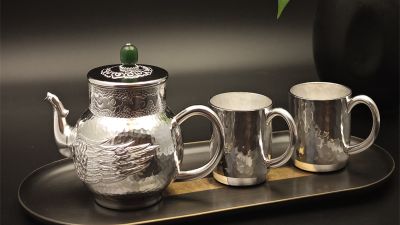
The Art of Tea: A Handmade Silver Phoenix Set with a Pure Copper Tray
The Art of Tea is expressed through this four-piece set, where a silver-plated brewing pot and two matching cups are paired with a hand-forged pure copper tray. Made from 99.9% pure copper and finished with pure silver plating, the pot and cups bring together silver’s warm luster and copper’s durable character. Hand-carved phoenix motifs lend each piece a graceful Eastern presence, while the hammered texture catches the light with subtle variation. A jade-like knob adds a refined accent to the pot’s lid.
Designed for boutique tea ceremonies and elegant home tea nooks, the set makes the ritual of serving tea feel considered and inviting. The copper tray provides a distinctive foundation for the gleaming vessels, highlighting the contrast between its rich surface and the silver finish. As each component is handmade, small variations in texture and carving give the set its own character. It is well suited to tea lovers drawn to Eastern aesthetics and to high-end gifting occasions where craftsmanship and thoughtful presentation matter.
FAQS
Share scaled drawings, reference photos, target dimensions, copper thickness, and installation conditions. Include the intended location.
It helps you assess color, texture, and finish before production. Samples add time and cost, but skipping one may lead to costly revisions.
Not always. Patinas and handmade details can vary across a large surface. Natural light can reveal shifts.
Confirm the relief depth, sheet thickness, edge returns, and back support. Small changes affect shadows and handling.
Request dimension records and close-up photos. Inspect corners, joints, weld transitions, surface marks, and protective wrapping.
Explain its exposure to rain and ask how the surface may age. Agree on maintenance expectations.
Consider the artwork’s weight and mounting points. Ask for details about its edges and joints.
Define acceptable differences in color, texture, and dimensions before production. “Premium” is too vague. That is easy to miss.
Conclusion
This guide explores Copper Metal Artwork, from its decorative and architectural applications to the materials, finishes, and craftsmanship techniques that shape its appearance and durability. It also examines China’s copper artwork manufacturing landscape, including the range of production capabilities buyers may encounter and the qualities that distinguish experienced manufacturers. Attention is given to material selection, surface treatments, forming and detailing methods, and how these choices affect the finished piece.
Readers will learn what to expect when working with suppliers on custom designs, from communicating specifications and reviewing samples to monitoring production and quality control. The guide also offers practical ways to evaluate potential manufacturers, compare capabilities, assess workmanship, and clarify timelines and order requirements. With a structured sourcing approach, buyers can make more informed decisions and select a supplier whose skills and processes suit their project.

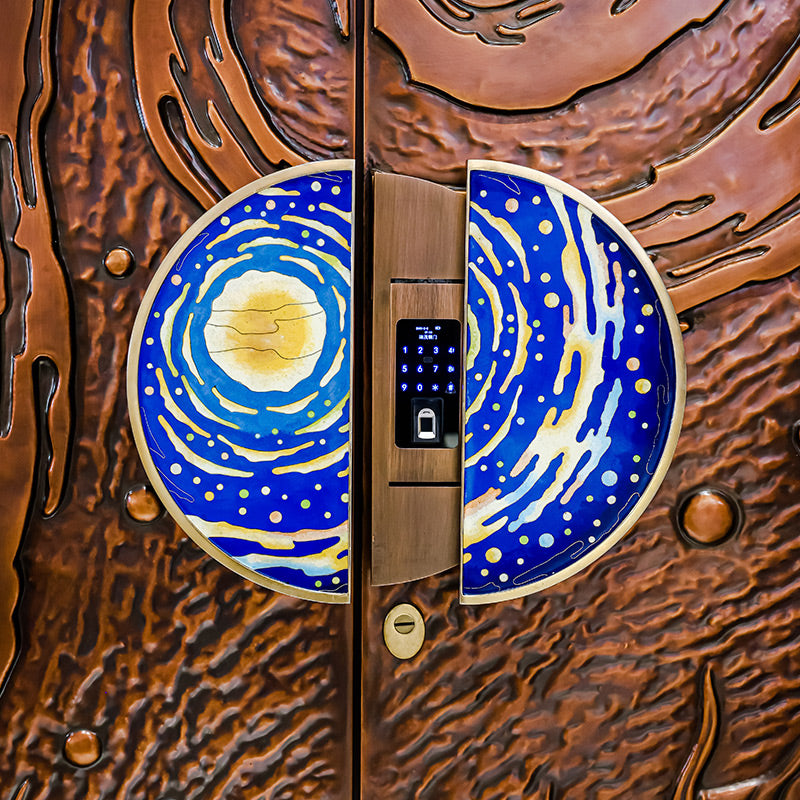 Copper Entrance Door
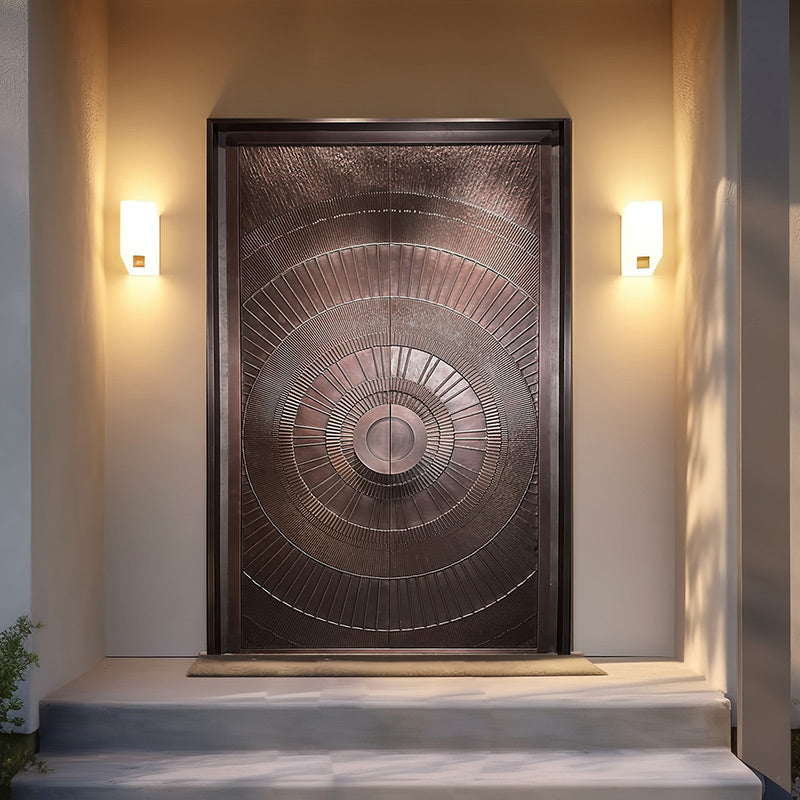 Copper Doors: Meticulously Crafted with Unparalleled Quality
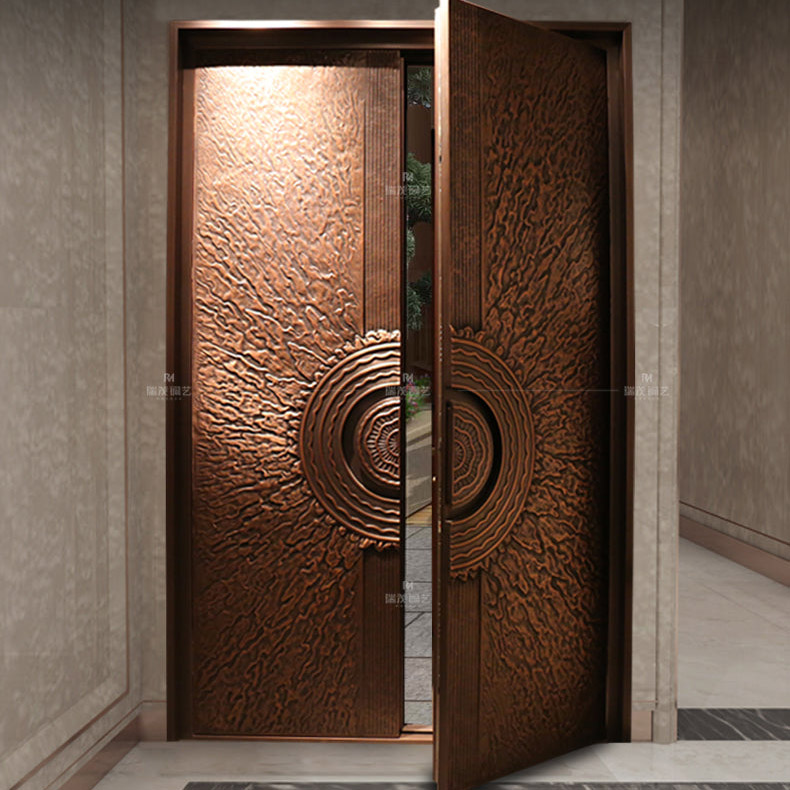 Lucky Star Artisan Copper Villa Blessing Door
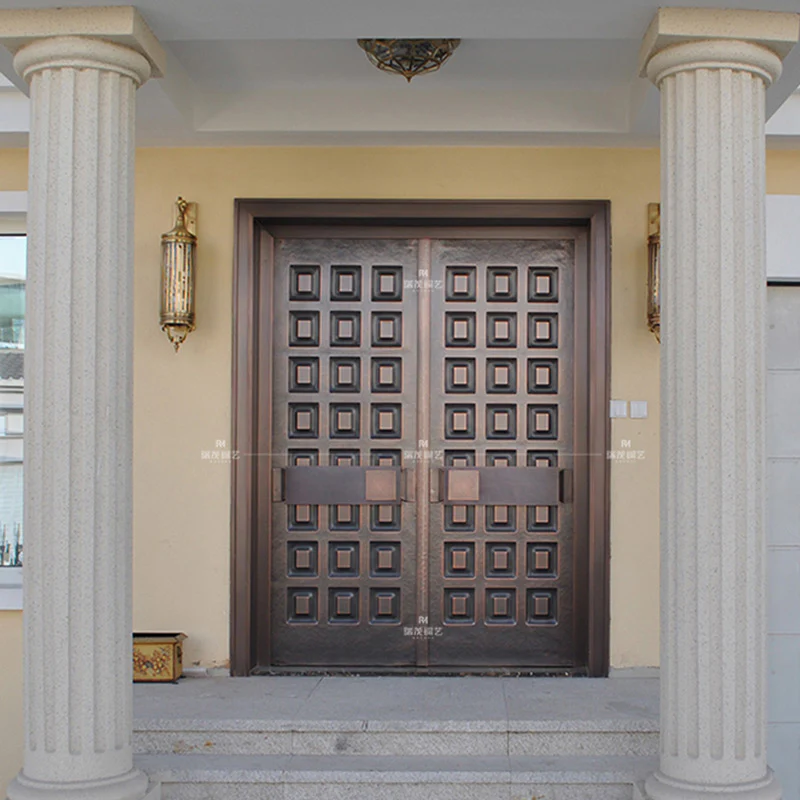 Dynasty Prosperity Artisan Copper Legacy Door
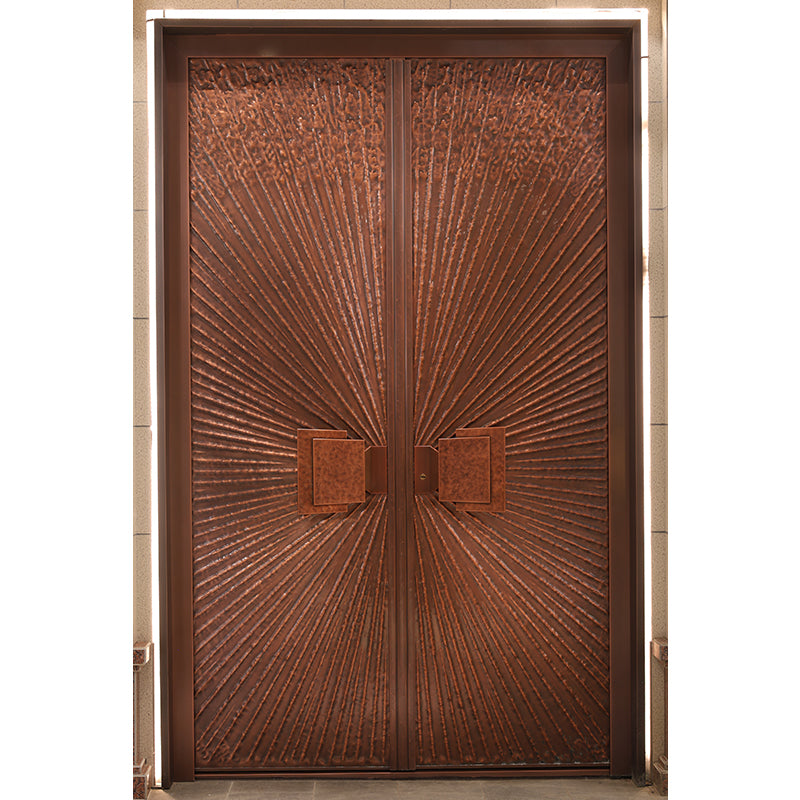 Auspicious Radiance Artisan Copper Legacy Door
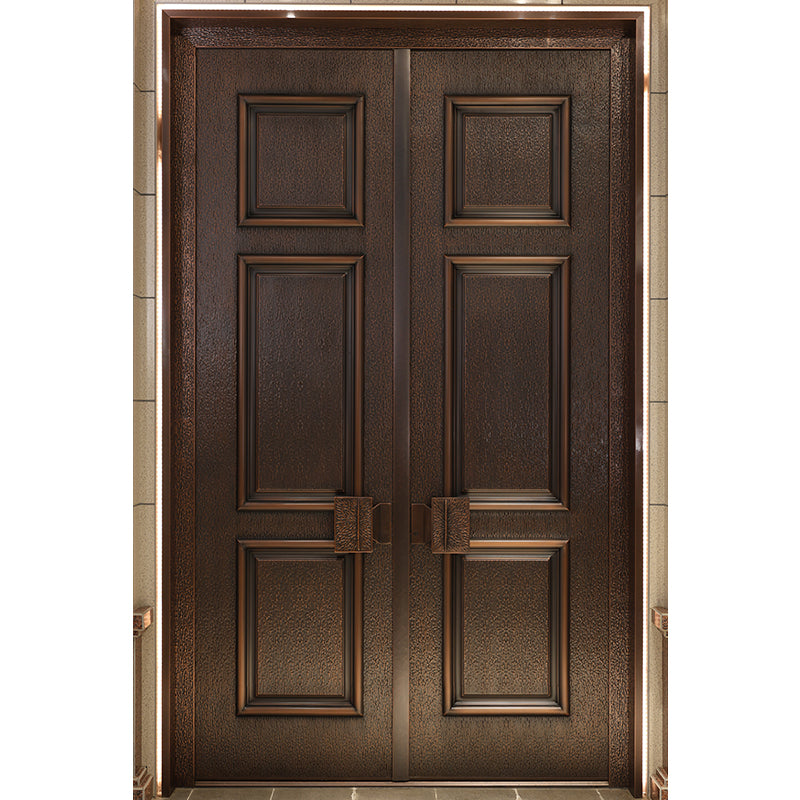 Woodgrain Artisan Copper Nature-Infused Door
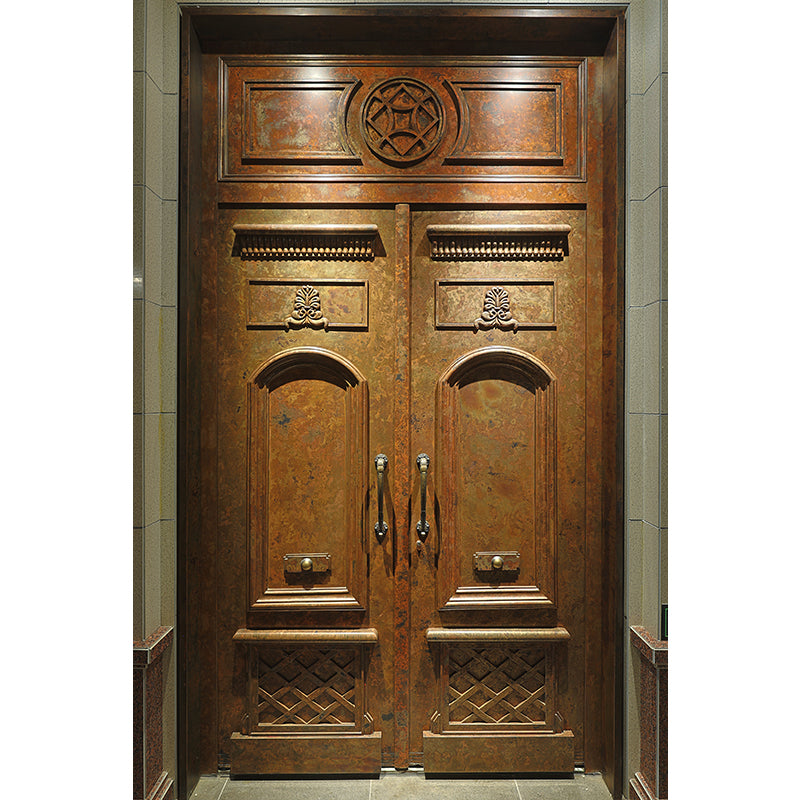 Artistic Copper Door for Harmonious Homes
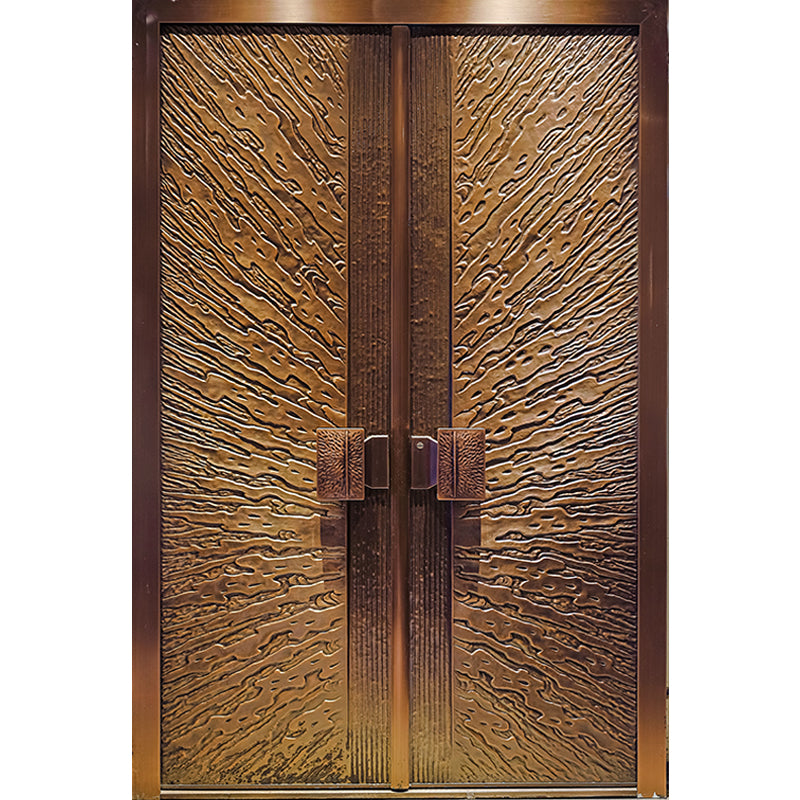 Global Artisan Copper World-Inspired Door
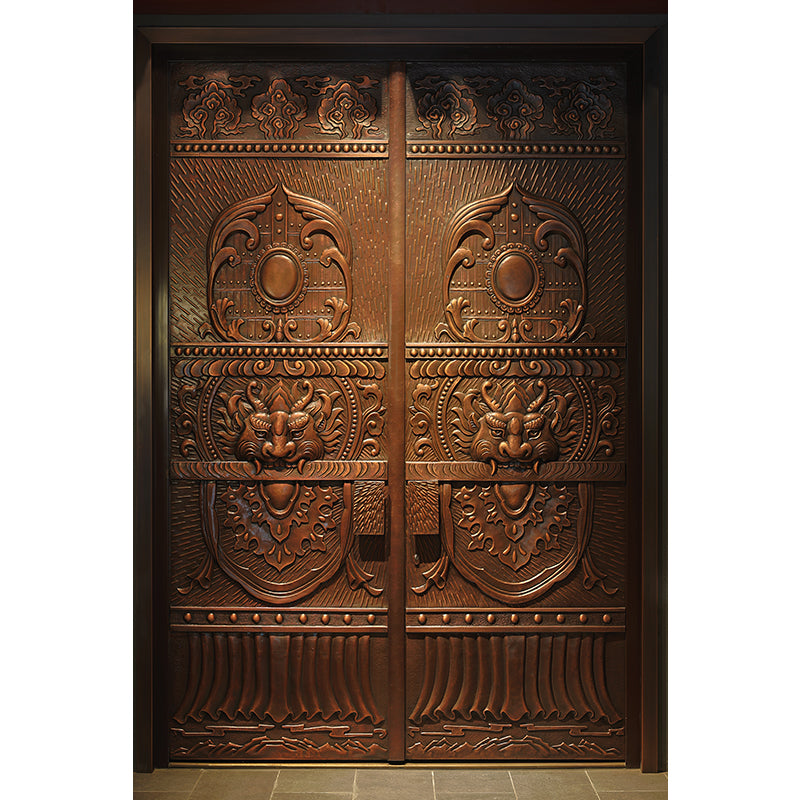 Artisan Copper Home Guardian Art Door
 Eternal Prime Artisan Copper Heritage Door
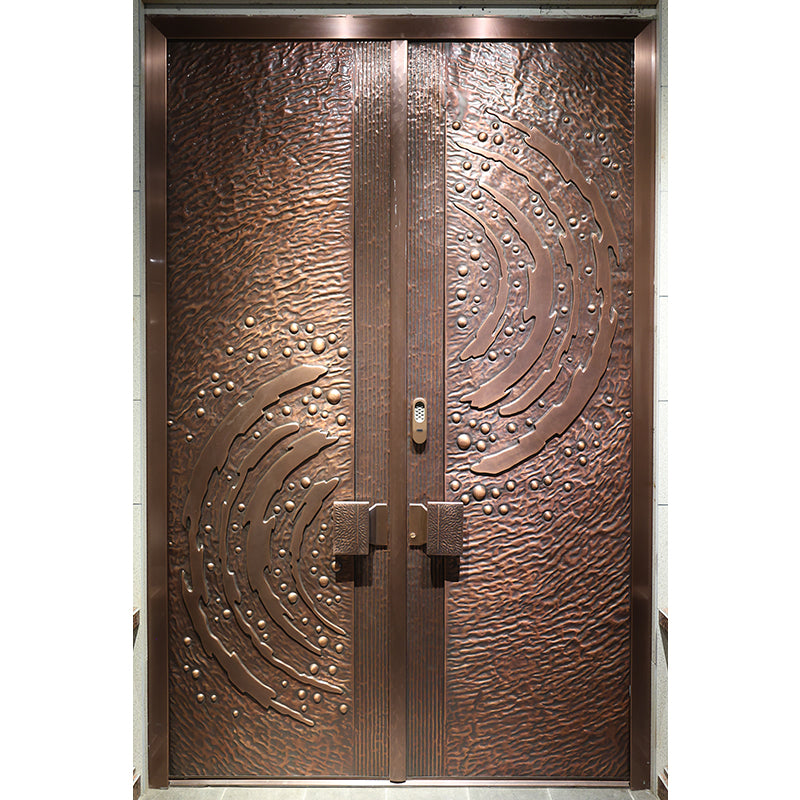 Celestial Artisan Copper Villa Stargazing Door
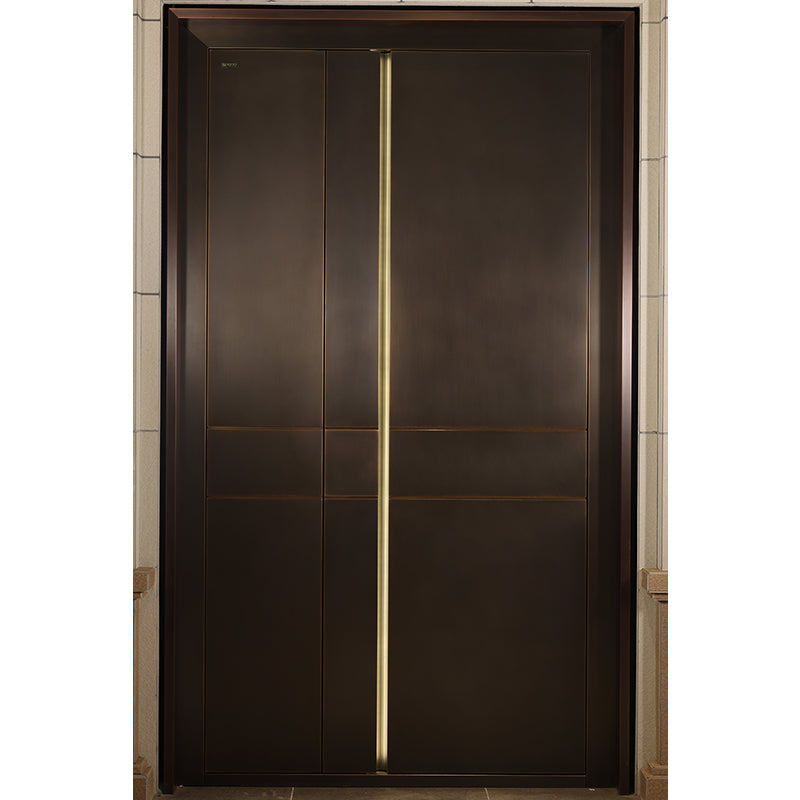 Eternal Summer Artisan Copper Timeflow Door
 Auspicious Artisan Copper Heritage Entry Door
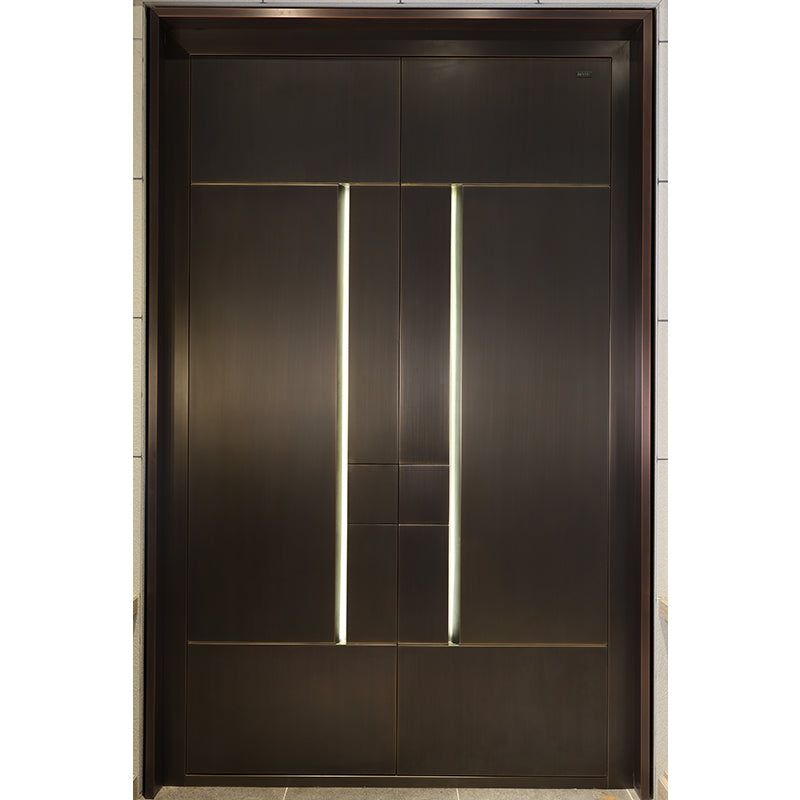 Minimalist Artistic Copper Door for Modern Homes
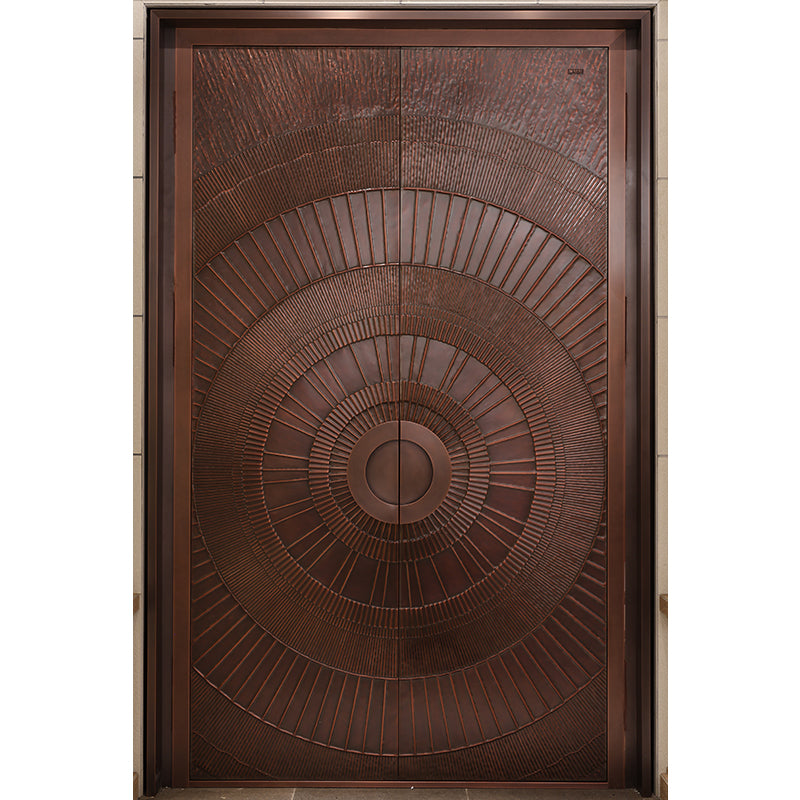 Harmony Circle Artisan Copper Door with Chinese Essence
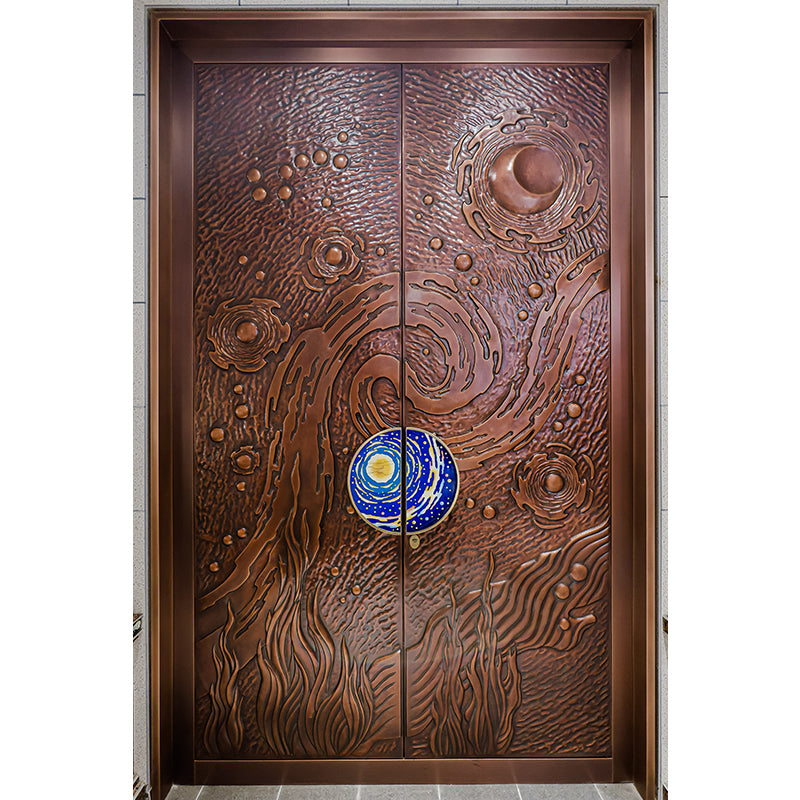 Nebula Grandeur Artisan Copper Villa Door
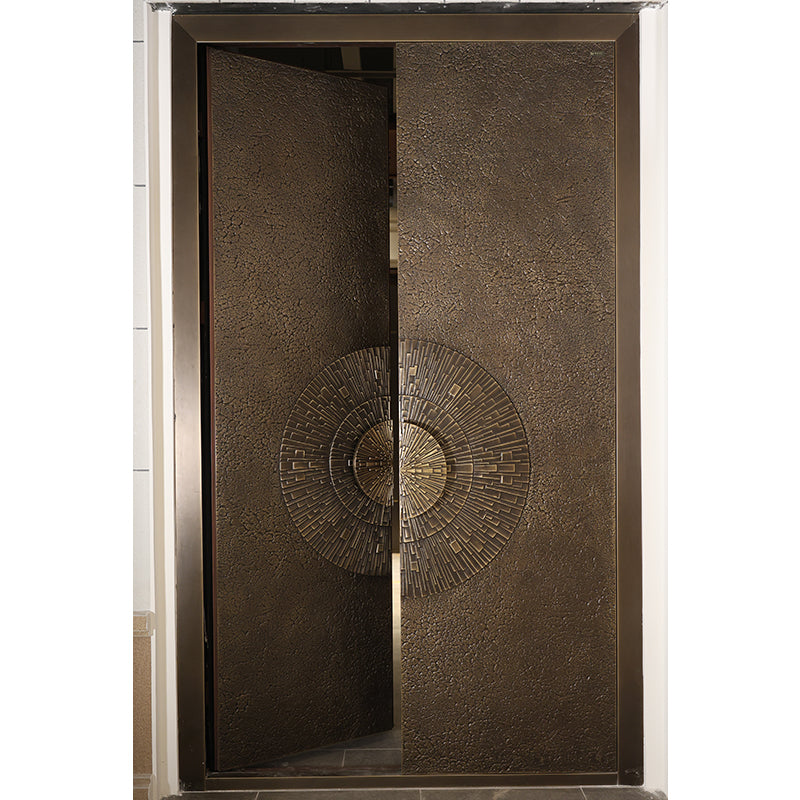 Auspicious Star Artisan Copper Blessing Door
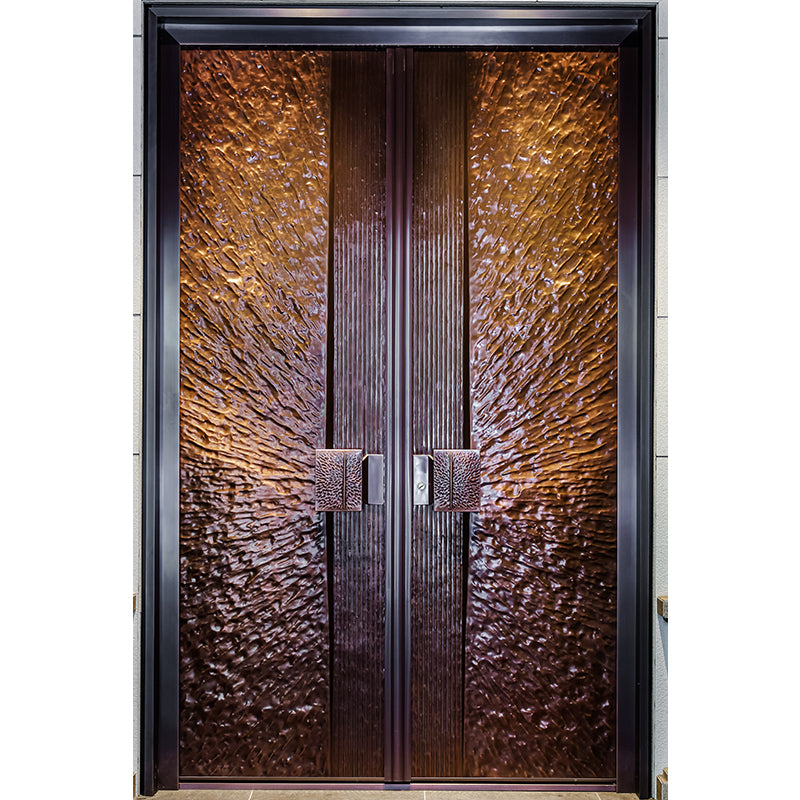 Dawn Glow Artisan Copper Flow Door
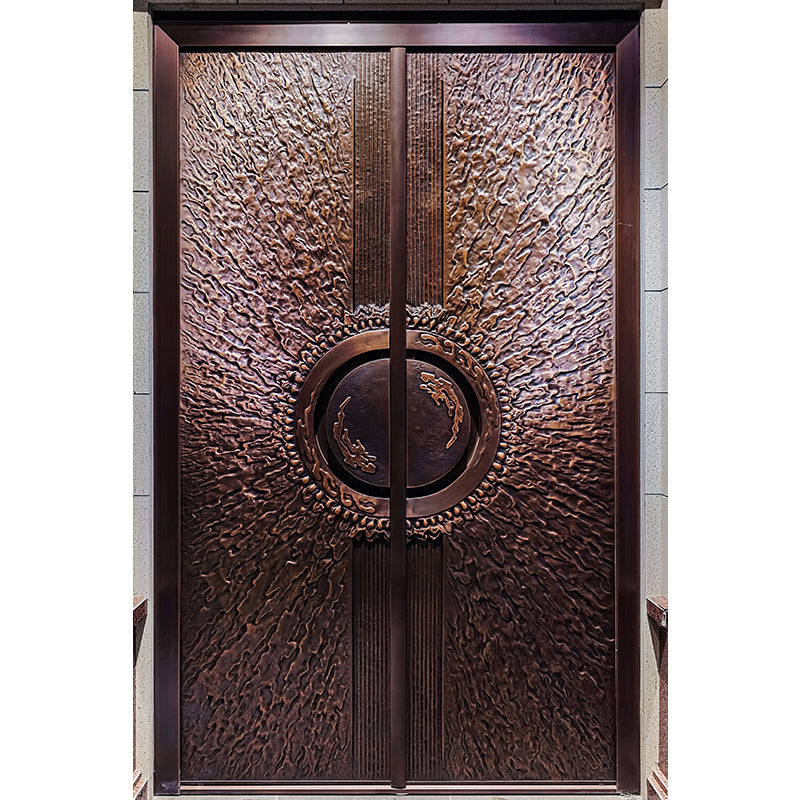 Sunlit Artisan Copper Villa Radiance Door
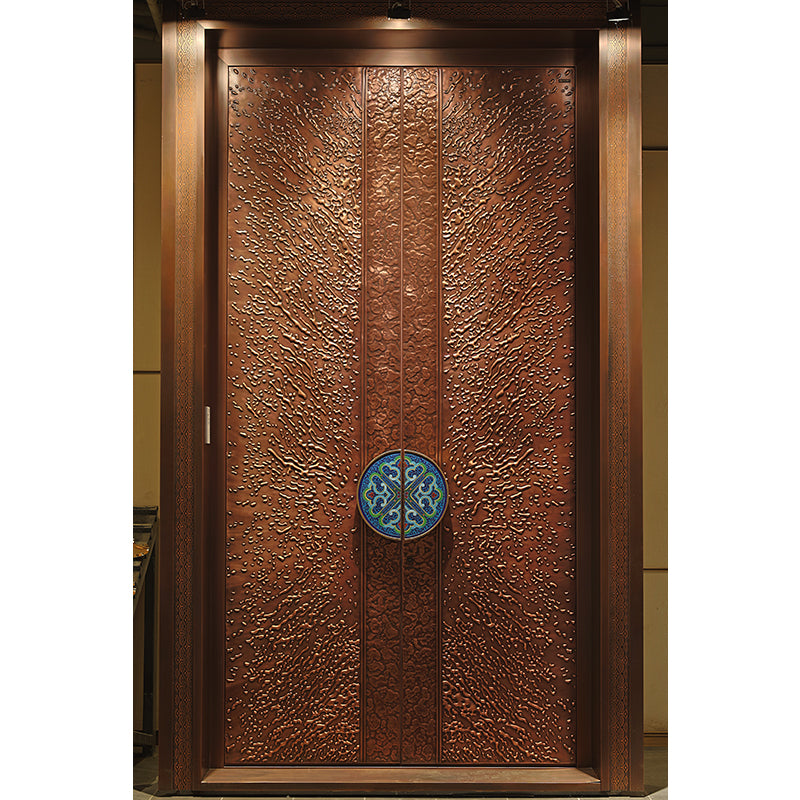 Cloisonné Waterdrop Artisan Copper Door
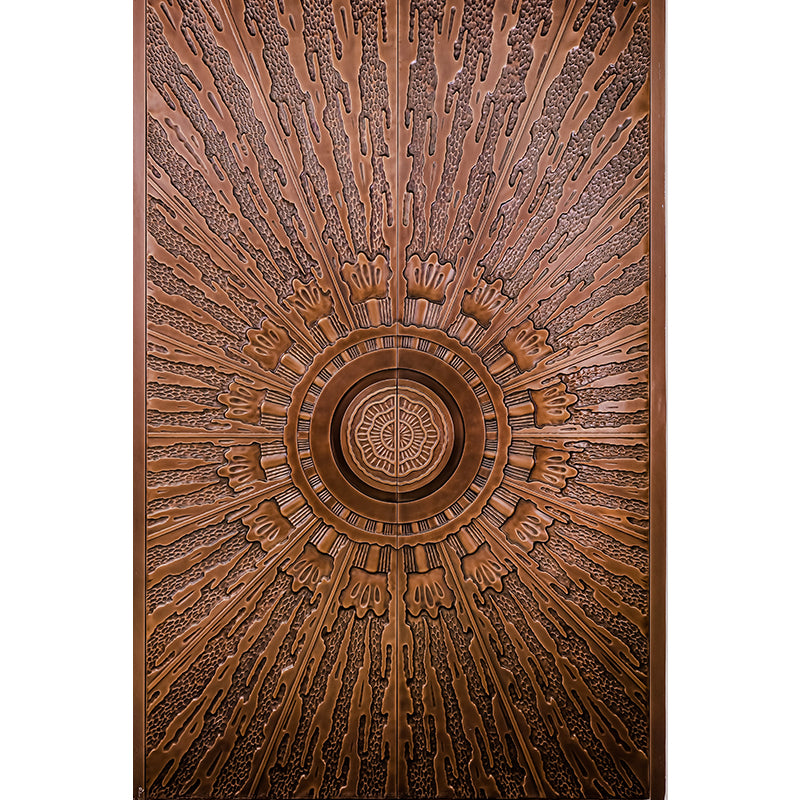 Radiant Artisan Copper Luxe Door
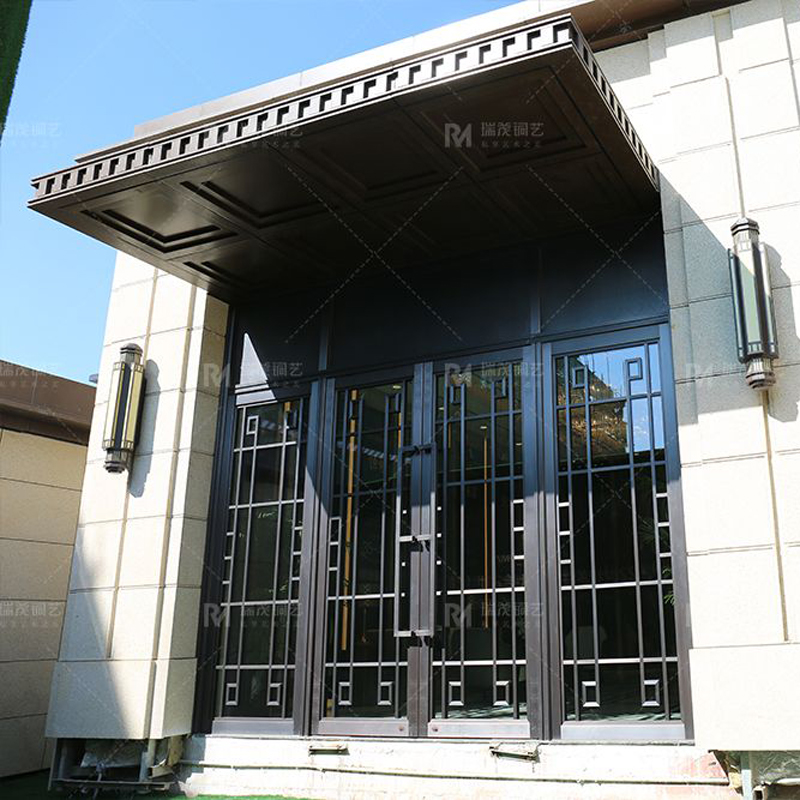 Contemporary Cosmopolitan Artisan Glass-Copper Door
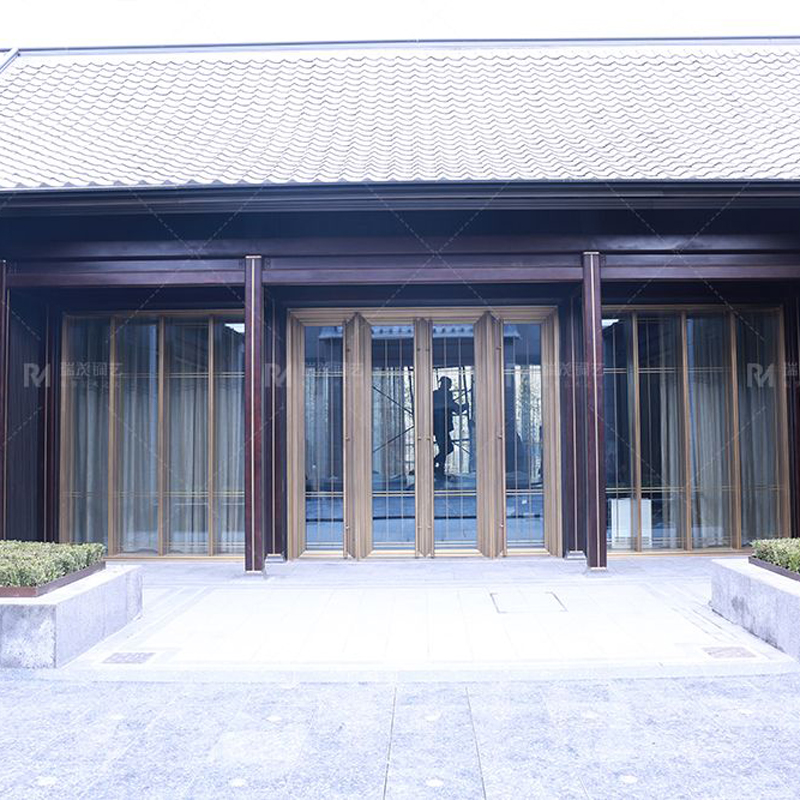 Exquisite Glass-Copper Doors for Shiguan 1 Hao Yuan
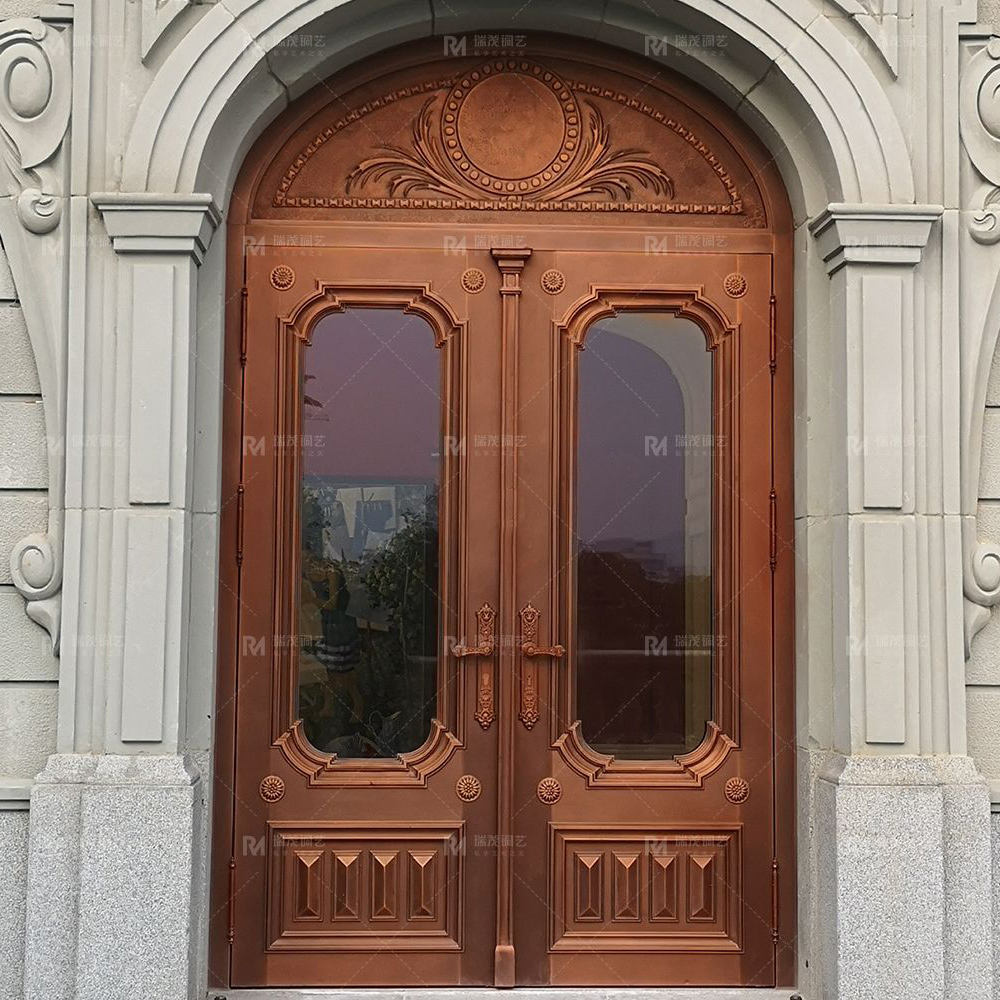 Huawei Glass-Infused Artisan Copper Door
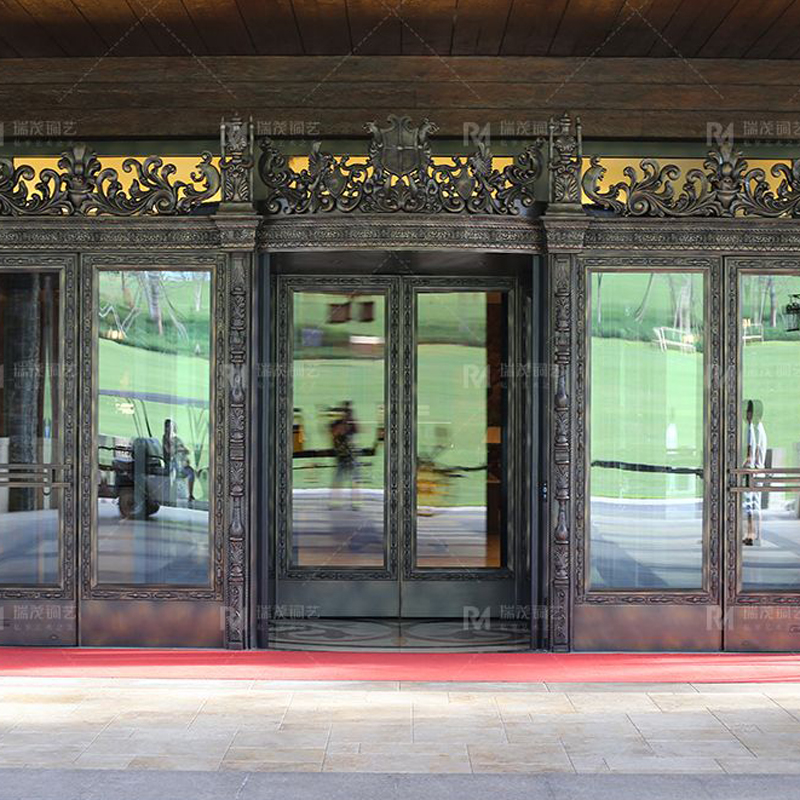 Gorgeous Glass Copper Doors for Jinhaihu
 Graceful Glass Copper Doors for Yuanyang Wanhe Mansion
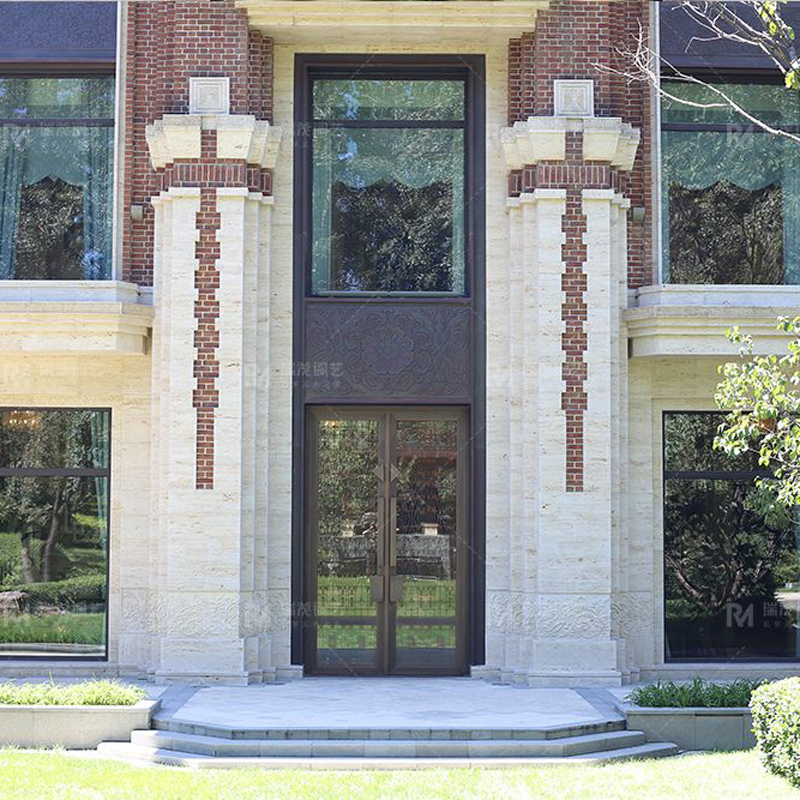 Nine Chapters Villa Artisan Glass-Copper Door
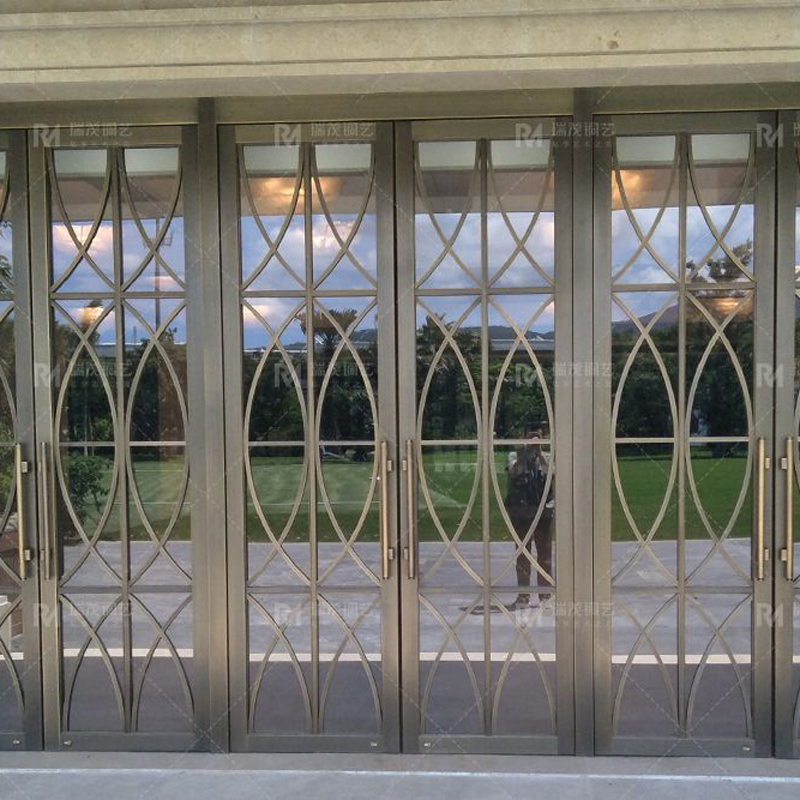 Graceful Tropical Glass - Copper Doors for Banshan Banda
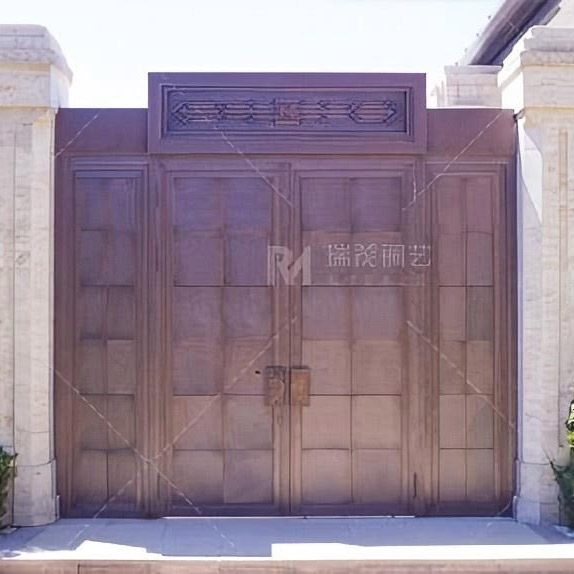 Nine Chapters Villa Artisan Copper Courtyard Gate
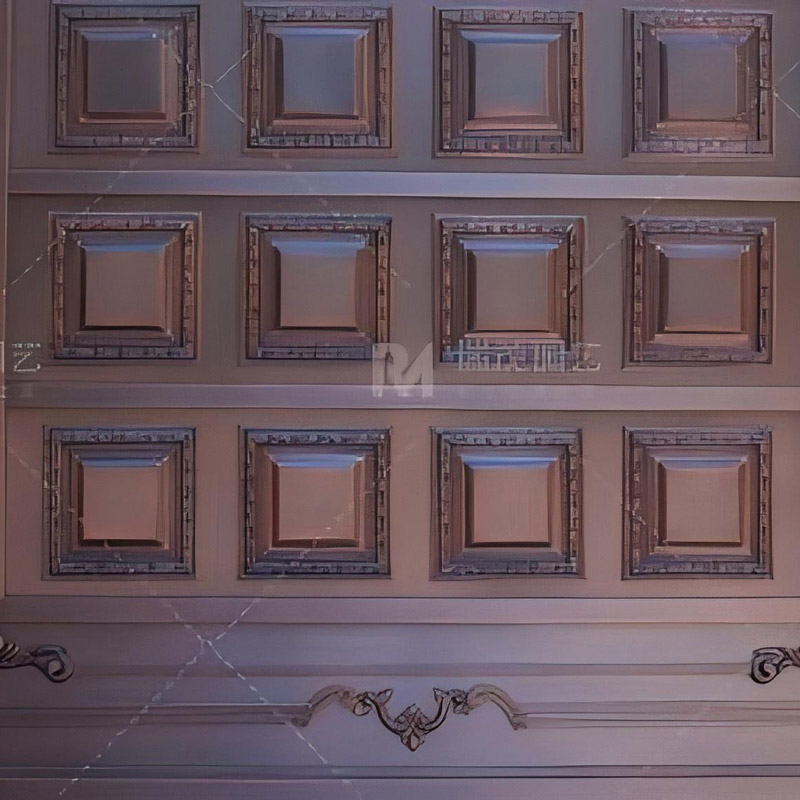 Sino-Ocean LAVIE Artisan Copper Courtyard Gate
 Shimao Xishan Artisan Copper Heritage Gate
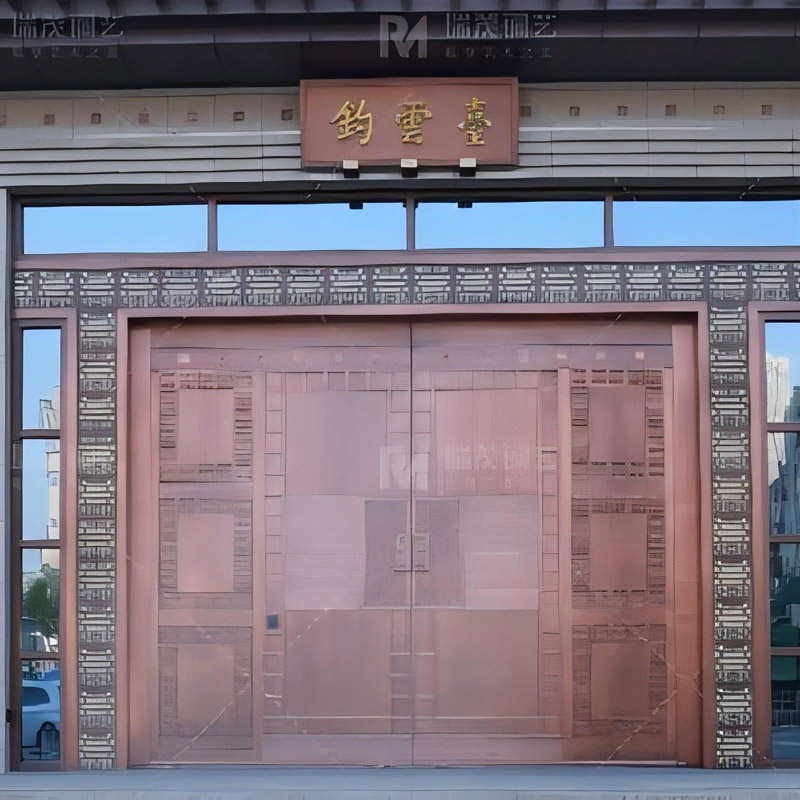 Diaoyuntai Cloud-Reaching Artisan Copper Gate
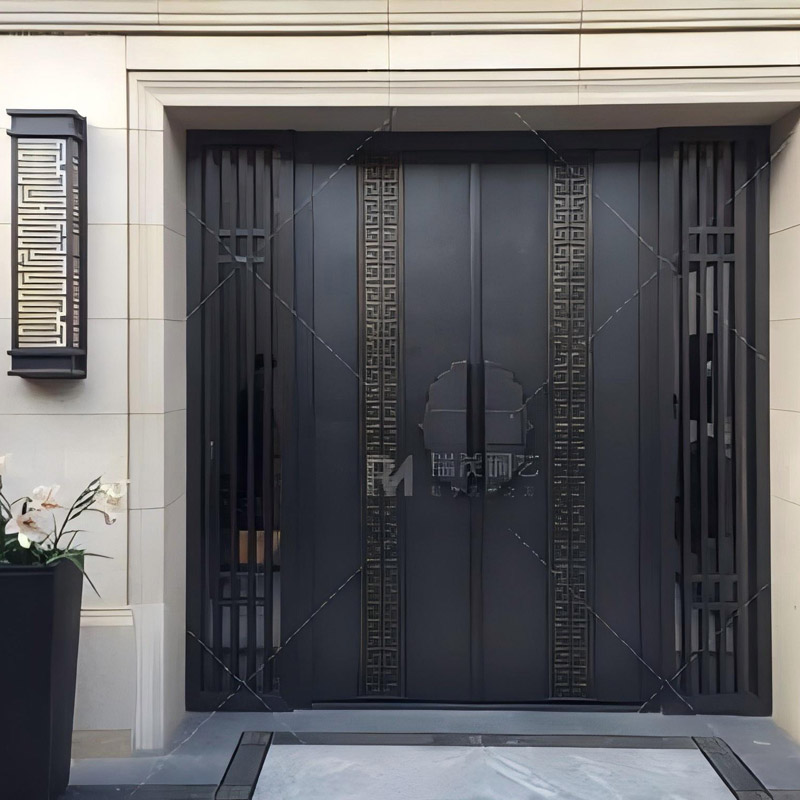 R&F MGM Artisan Copper Entertainment Gate
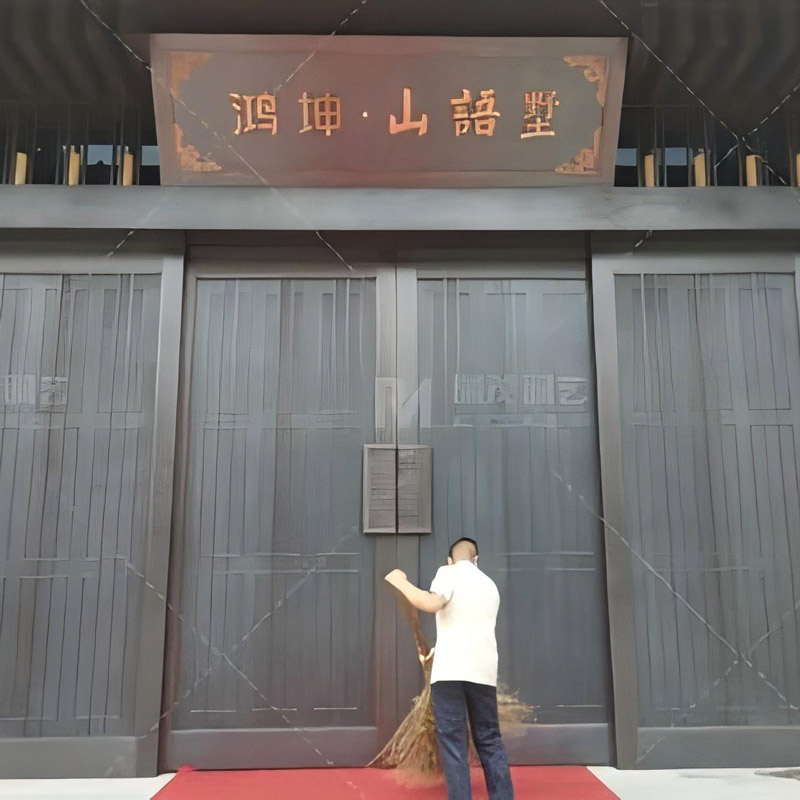 Hongkun Shanyu Villa Artisan Copper Courtyard Gate
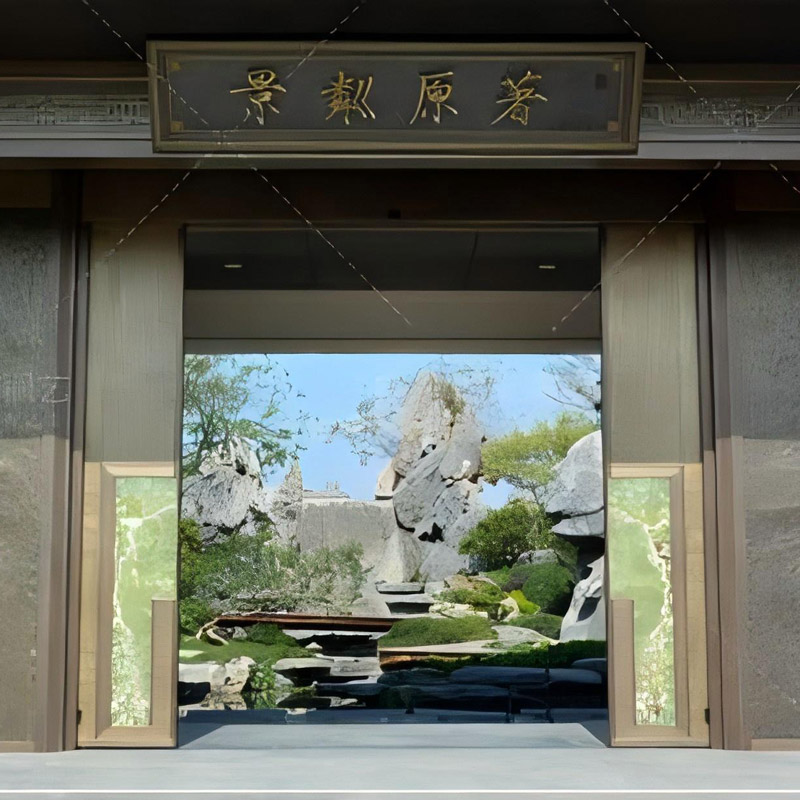 Xiamen Longhu Jinglin Copper Art Villa Gate
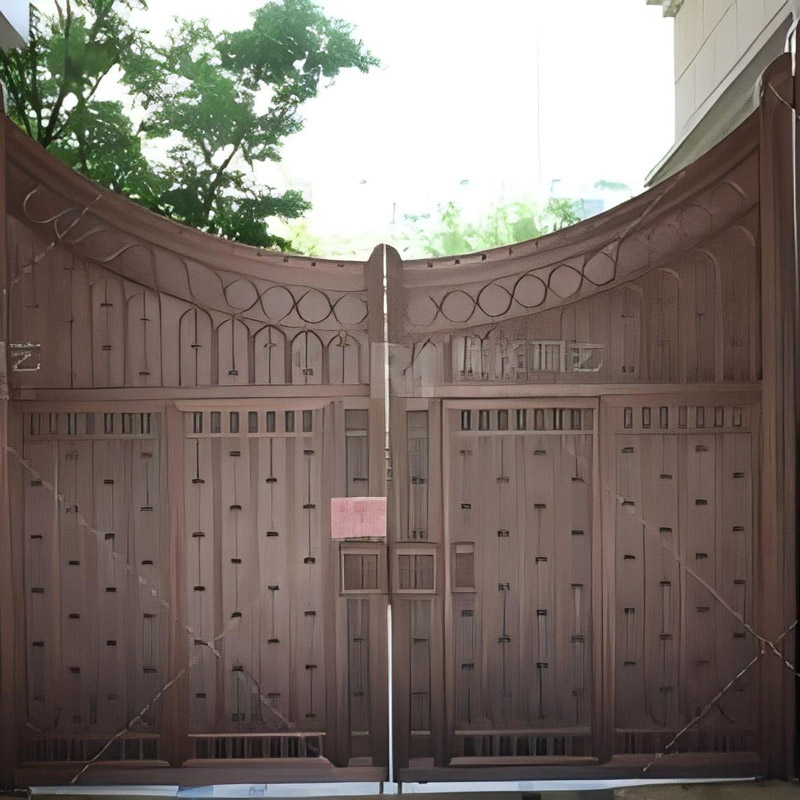 Tianjin COB Plaza Artisan Copper Gate
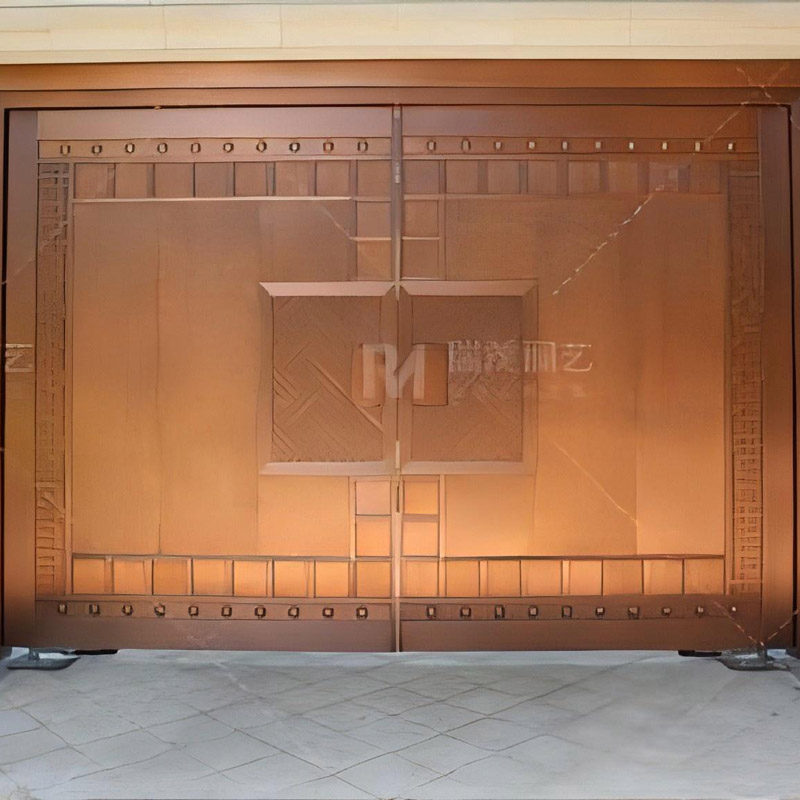 Xian Ziyingtai Artisan Copper Courtyard Gate
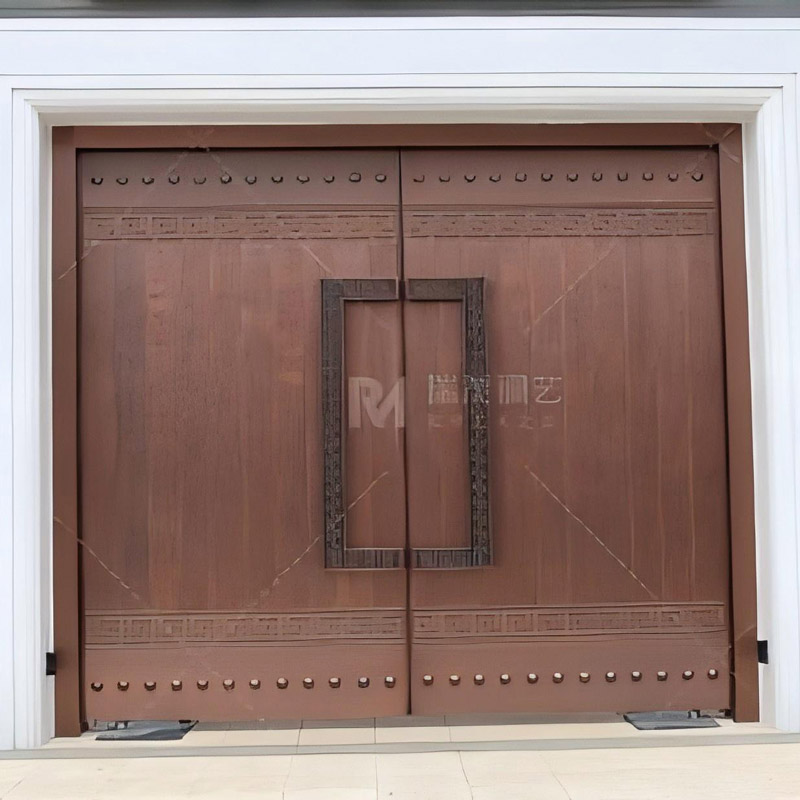 Exquisite Copper Gate of Qianshan Mansion
 Copper Canopy, Quality Weather Shield
 Ancient Charm Copper Carving, Inheritance Of The Millennium Craftsmanship
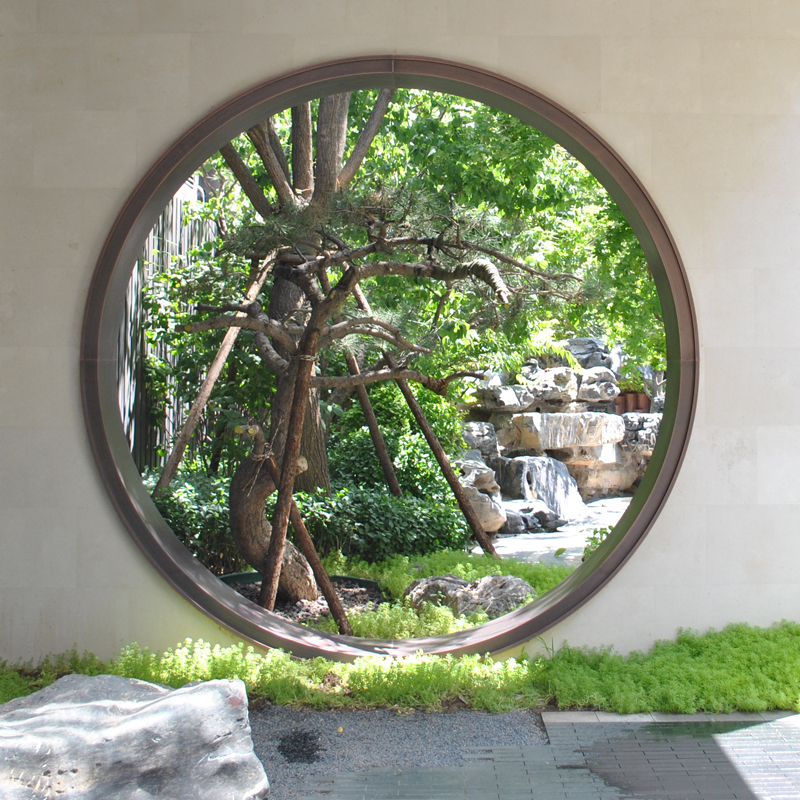 Copper Art In The Garden, Lighting Up The Beauty Of Nature
 Copper Goodies, Indoor Art Show
 Exquisite Copper Partition, Screen Shows Style
 Indoor Copper Balustrade, a New Height Of Elegance
 Artisan Copper Revolving Elegance Door