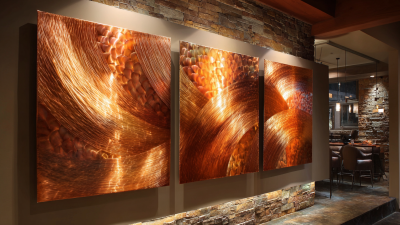
Picking the right supplier for your global projects isn't just about eye-catching product photos, you know? This guide dives into the Copper Wall Art market in 2026, and it covers the important stuff—like how experienced the manufacturer is, the quality of their materials, and how reliable their exporting practices are. If you're on the hunt, you might come across hammered panels, cool geometric sculptures, embossed maps, or even customWall Copper Art that works great for hotels, offices, restaurants, or just your own home. Each style has its own vibe, especially how they look under warm or natural light—so it’s worth thinking about the effect you want.
Let’s be real—practical checks matter a lot. Always ask whether they use solid copper, copper alloys, or maybe just coated bases. And don’t shy away from asking for close-up pics of seams, edges, mounting points, and surface textures. A trustworthy supplier should explain stuff like thickness, patina finishes, color variations, cleaning tips, and options if you need to replace something. Little details like these can make a difference. Also, pay attention to how they package their products—especially for big panels that might cross borders. Double-check that they have good inner protection, moisture controls, strong cartons, and clear procedures for handling damages before you place an order.
This overview is written from the viewpoint of someone buying internationally. It covers how customizable their products are, policies for samples, production capacity, how well they communicate, lead times, and whether they have solid quality control in writing. Of course, customer reviews can be helpful, but don’t rely on them alone—see factory proof and written specs too. No one's perfect, even talented workshops can face issues like batch color differences or delays during busy seasons, and that’s totally normal. The key is being honest about these potential hiccups. When comparing quotes, pay close attention, verify their business info, and ask for pre-production approval for custom Copper Wall Art. Remember, a nice sample is just the start—what really counts is consistent, reliable delivery that earns your trust over time.

Copper Wall Art Supplier Selection Criteria for Global Buyers in 2026
Selecting a Copper Wall Art supplier in 2026 requires more than comparing catalogue prices.
Material credibility comes first. The International Copper Study Group forecast refined copper usage growth of about 3.2% in 2025, increasing pressure on supply planning. Buyers should request alloy specifications, sheet thickness, recycled-content records, and batch traceability. A supplier that cannot identify the copper source creates avoidable quality risks.
Finish consistency also matters. Ask for physical samples showing patina, edge treatment, mounting strength, and surface protection. Check whether production follows documented quality procedures, such as ISO 9001-based controls. The World Bank’s Commodity Markets Outlook highlights continuing volatility across industrial metals, so quotations should state validity periods, currency, and adjustment rules. A low price may hide thinner metal or weaker packaging.
Export readiness separates dependable suppliers from attractive websites. Review factory capacity, inspection records, carton dimensions, moisture barriers, and replacement policies before placing a large order. Copper can scratch easily; one poorly secured panel may arrive with visible rub marks. Request drop-test evidence and photographs of packed cargo. I would not trust a perfect sample alone. Production batches can vary, especially with hand-applied finishes. Independent pre-shipment inspection is worth considering for large orders, although it adds time and cost. Suppliers should also provide accurate invoices, packing lists, origin documents, and destination-specific compliance support.
Types of Copper Wall Art Products Available from Leading Suppliers
Leading copper wall art suppliers now offer more than flat decorative panels. Global buyers can choose embossed reliefs, geometric tiles, hammered plaques, and large custom murals. Each type creates a different visual effect. Embossed designs add strong shadows under warm lighting. Hammered surfaces provide a softer, handcrafted texture. Geometric tiles suit hotels, offices, and modern homes where repeated patterns matter.
Many suppliers also produce copper maps, botanical panels, animal silhouettes, and abstract sculptures. Some panels combine copper with wood, stone, or protective coatings. These combinations can reduce visual heaviness on a large wall. Custom murals are useful for commercial interiors, but buyers should confirm drawing approval, panel size, joining details, and installation weight. From practical sourcing experience, small samples reveal more than online images. A finish may look elegant on screen but appear too orange under showroom lighting.
Tips: Request a material sample before placing a bulk order. Check copper thickness, surface treatment, hanging hardware, and packaging quality. Ask whether the color will change naturally over time. Also confirm export documents and delivery terms with the supplier. Do not judge quality by weight alone. Thin copper can still perform well when supported correctly, while heavy panels may create installation problems. Mistakes happen when buyers focus only on appearance. A written specification prevents many avoidable disputes.
Key Manufacturing Standards and Quality Control Practices
For global buyers, reliable copper wall art begins with controlled materials, not attractive photographs. The USGS Mineral Commodity Summaries 2024 reported approximately 22 million metric tons of mined copper production in 2023. That scale makes traceability essential. Suppliers should identify copper grade, thickness, temper, and country of origin for every batch. ASTM B152 or EN 1652 references can support sheet consistency.
Copper Wire Wall Art also needs wire-diameter records, secure joints, and documented surface treatments.
Quality systems should follow ISO 9001:2015 principles, including approved suppliers, inspection records, corrective actions, and calibrated measuring tools. A practical inspection can include coating adhesion, edge safety, weld strength, dimensional tolerance, and color consistency under neutral lighting.
For indoor installations, buyers should request humidity and corrosion testing. The ISO Survey of Management System Standard Certifications shows the broad global adoption of ISO 9001, but certification alone is not proof of artistic quality. That gap matters.
Experienced suppliers usually provide material certificates, pre-production samples, and photographs from final inspection. Ask for carton drop-test results when shipping large panels overseas. Packaging often fails before the artwork does.
A small defect can become a visible dark mark after polishing, so random inspection should include corners, backs, and hidden fasteners. No checklist catches every issue. Suppliers should review complaints honestly and adjust production records, even when the defect rate appears low.
How to Compare Supplier Pricing, Minimum Orders, and Customization
When comparing Copper Wall Art Metal suppliers, separate the quoted price from the landed cost. Copper prices can move quickly. The International Copper Study Group’s October 2024 forecast placed global refined copper usage near 27 million tonnes in 2025, showing the scale of demand pressure. Ask suppliers to state copper grade, sheet thickness, finishing method, packaging, and quotation validity. A low price may hide thin metal, unstable plating, or costly export packing.
Minimum order quantity deserves careful testing. One supplier may accept 20 pieces, while another requires 100 identical panels. Request a sample before committing. Measure its weight, edge quality, color consistency, and mounting hardware. Customization usually adds artwork preparation, tooling, proof approval, and a longer production window. These charges should appear separately on the pro forma invoice. Do not compare only the unit price.
Freight matters.
UNCTAD reports that over 80% of global merchandise trade moves by sea, so delivery terms can change the real budget. Compare EXW, FOB, and DDP offers with the same destination and carton dimensions. For custom orders, require a digital proof and written tolerance for color, size, and surface texture. My practical concern is simple: buyers often accept attractive samples, then overlook batch variation. That mistake is avoidable, but not always avoided. Record every approval.
International Shipping, Packaging, and Import Compliance Considerations
For global buyers, sourcing Copper Metal Wall Art involves more than comparing surface finish and price. Experienced suppliers confirm dimensions, net weight, gross weight, and destination before quoting freight. A 90-centimeter panel may need a custom carton, not a standard box. That detail changes landed cost. Request clear photos of the front, back, corners, and mounting hardware. Small omissions create large delays.
International shipping needs protective, measurable packaging. Each piece should sit in a moisture-resistant sleeve, then receive foam around the corners and face. Acid-free tissue can reduce rubbing on polished copper. Double-wall cartons suit smaller pieces. Reinforced crates work better for oversized panels. I would ask suppliers to record package dimensions and photograph the sealed carton. It is simple evidence, though not perfect. Sea freight costs less, but transit humidity can cause oxidation if protection is poor. Air freight is faster, yet dimensional weight may surprise first-time buyers.
Import compliance deserves written checks before production. The commercial invoice should state the product description, copper content, quantity, value, country of origin, and agreed trade terms. Confirm the correct tariff classification with a licensed customs broker. Decorative art and metal fixtures may receive different treatment. Some countries request certificates, safety declarations, or wood-packaging marks. Requirements change. Do not rely on an old supplier template. Ask for pre-shipment inspection, finish samples, and a replacement policy for dents or missing hardware. Even careful planning can miss a local port rule, so allow extra clearance time.
Best Supplier Profiles for Different Buyer Needs and Market Segments
For global buyers, the best copper wall art supplier depends on the project, not only the lowest quotation. The U.S. Geological Survey reported approximately 22 million tonnes of mined copper production worldwide in 2024. This scale supports broad sourcing, but it also makes material verification essential.
For hotels and commercial interiors, choose suppliers with fabrication drawings, repeatable panel sizes, and documented surface treatments. Ask for a physical sample showing the copper thickness, edge finish, mounting system, and aging effect. Large projects need stable batch color. One overlooked detail can delay installation.
For boutique retailers, artisan-led suppliers may offer hammered textures, custom reliefs, and smaller minimum orders. Their visual flexibility suits limited collections, though delivery schedules may be less predictable. For distributors, prioritize export packaging, carton testing, spare-piece policies, and clear tariff documentation. The International Copper Study Group projected refined copper usage at roughly 26.5 million tonnes in 2024, indicating sustained industrial demand and possible pressure on input costs. Buyers should request a price-validity period.
Eco-conscious procurement needs more than recycled-content claims. Request chain-of-custody records, material declarations, and information about coatings or adhesives. The International Energy Agency identifies copper as increasingly important to energy technologies, but its reports also warn that supply development takes time. Supplier claims still need checking. A polished catalogue is not proof of production capacity.
How to read this chart: The 0–100 index represents the relative procurement importance of each supplier capability for different global buyer segments. Customization is most important for interior designers and public-art projects, while MOQ flexibility and lead-time reliability are especially relevant to e-commerce and hospitality buyers. Compliance documentation remains essential for all international purchasing programs.
Why Hand-Forged Copper Art Elevates Luxury Décor: Insights from Art Basel & UBS and Bain Reports
In today’s luxury décor landscape, collectors increasingly value authenticity, craftsmanship, and cultural meaning alongside visual beauty. Recent art-market and luxury-sector insights point to a growing preference for distinctive, enduring pieces that offer emotional connection and a clear sense of origin. Hand-forged copper art responds to this shift through its material richness and artisanal character. Unlike mass-produced decoration, every forged surface reveals subtle variations, allowing the artwork to function as both an investment in craftsmanship and a refined statement of personal taste.
Inspired by *A Thousand Miles of Rivers and Mountains*, the iconic Northern Song Dynasty landscape attributed to Wang Ximeng, this wall art reinterprets a masterpiece of Chinese traditional culture for contemporary interiors. Crafted from 99.9% Pure Copper, its mountains are shaped through meticulous hand-forging, creating layered relief and a warm metallic depth. Hand-painted details restore the celebrated blue-green palette, balancing copper’s natural radiance with the tranquil atmosphere of classical ink-wash aesthetics. The result is a sophisticated fusion of material innovation and historical artistry, bringing cultural heritage into luxury residences, private collections, and thoughtfully designed hospitality spaces.
FAQS
: Compare landed cost, not only unit price. Include copper grade, thickness, finish, packaging, freight, duties, and quotation validity. A low price may hide thin metal or unstable plating. Written cost details reduce surprises.
Ask whether the minimum applies to identical panels or mixed designs. Request a sample before placing a bulk order. Weigh it. Check edges, color, texture, and mounting hardware. Small samples reveal useful problems.
Custom work may include artwork preparation, tooling, digital proofs, and longer production time. List each charge separately on the pro forma invoice. Approve dimensions, color, texture, and mounting details in writing. Memory is unreliable.
Use the same destination, carton dimensions, quantity, and trade terms. Compare EXW, FOB, and DDP offers carefully. Sea freight is often slower but cheaper. Air freight may charge unexpectedly by dimensional weight.
Use a moisture-resistant sleeve and foam around the face and corners. Acid-free tissue can reduce rubbing on polished surfaces. Double-wall cartons suit smaller panels. Reinforced crates fit oversized pieces. Photograph the sealed package.
The commercial invoice should show product description, copper content, quantity, value, origin, and trade terms. Confirm tariff classification with a licensed customs broker. Local requirements may include certificates or wood-packaging marks. Old templates may be wrong.
Choose suppliers offering fabrication drawings, consistent panel sizes, and documented surface treatments. Request a physical sample with thickness, edge finish, mounting system, and aging effect. Stable batch color matters during installation.
Retailers may value flexible textures, relief designs, and smaller minimum orders. Delivery can be less predictable. Distributors should prioritize export packaging, carton testing, spare-piece policies, and clear tariff documents. Attractive samples are not production proof.
Request chain-of-custody records, material declarations, and coating or adhesive details. Recycled-content claims need evidence. Copper demand may pressure future costs. A polished catalogue can still mislead. I may miss something, so independent checking remains wise.
Conclusion
Choosing the best Copper Wall Art supplier in 2026 requires global buyers to evaluate product quality, production capacity, design flexibility, and service reliability. Leading suppliers may offer embossed panels, sculptural wall pieces, geometric décor, maps, signs, and fully customized artwork. Buyers should review material composition, surface finishing, welding or forming quality, color consistency, protective coatings, inspection procedures, and packaging standards. Clear documentation and consistent quality control are essential for maintaining product performance across different markets.
A thorough comparison should include unit pricing, minimum order quantities, tooling or design fees, production timelines, sample policies, and customization options. International buyers should also assess shipping methods, moisture-resistant packaging, labeling, documentation, import requirements, and responsibility for potential transit damage. The ideal supplier depends on the buyer’s segment, whether it is residential décor, hospitality projects, interior design, retail distribution, or high-volume commercial procurement. A reliable partner should combine competitive costs, dependable communication, scalable manufacturing, and flexible solutions while supporting smooth and compliant international trade.

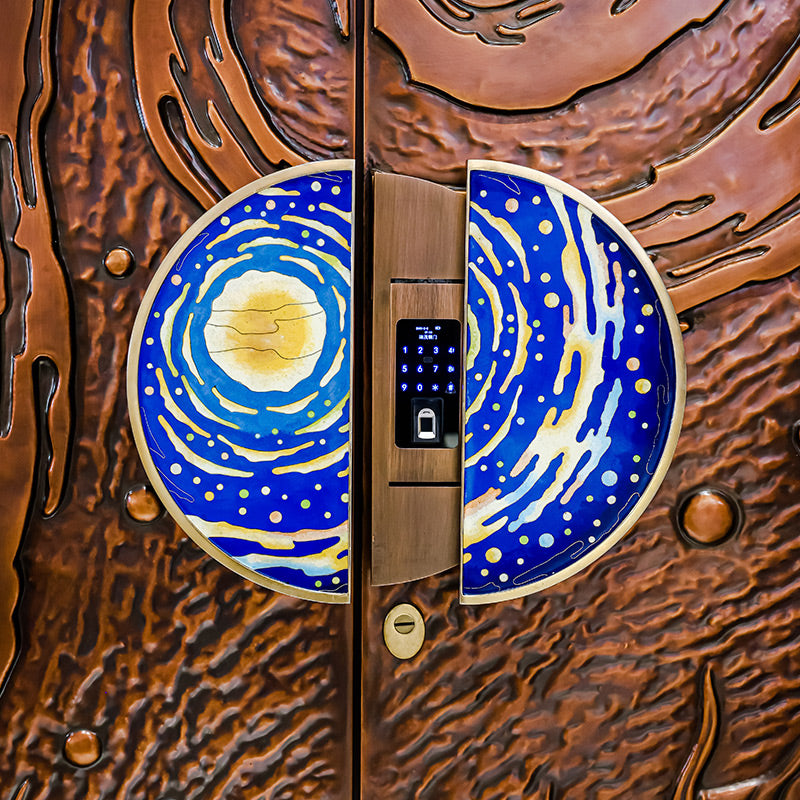 Copper Entrance Door
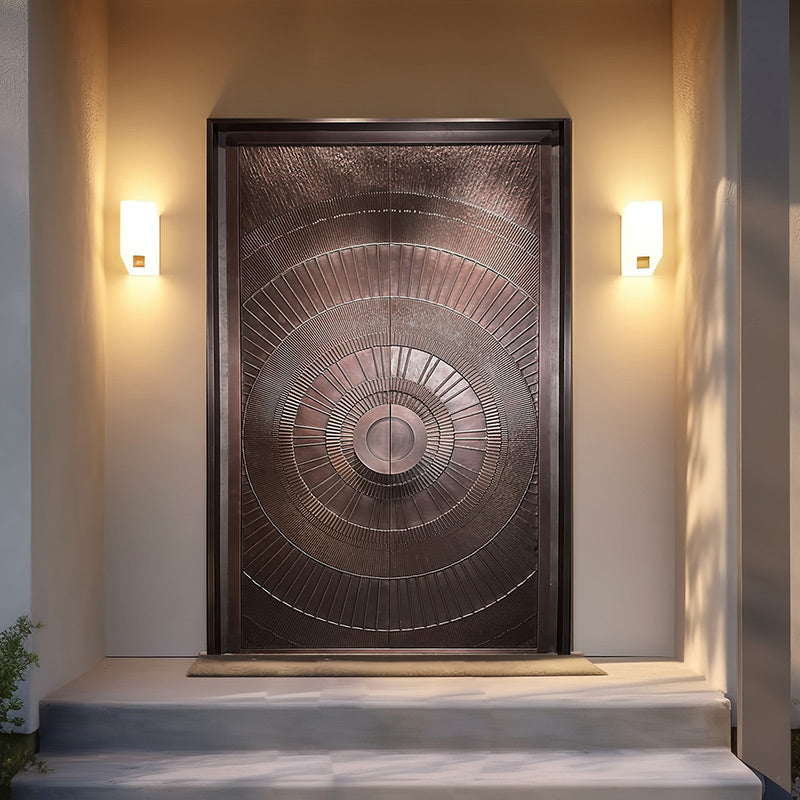 Copper Doors: Meticulously Crafted with Unparalleled Quality
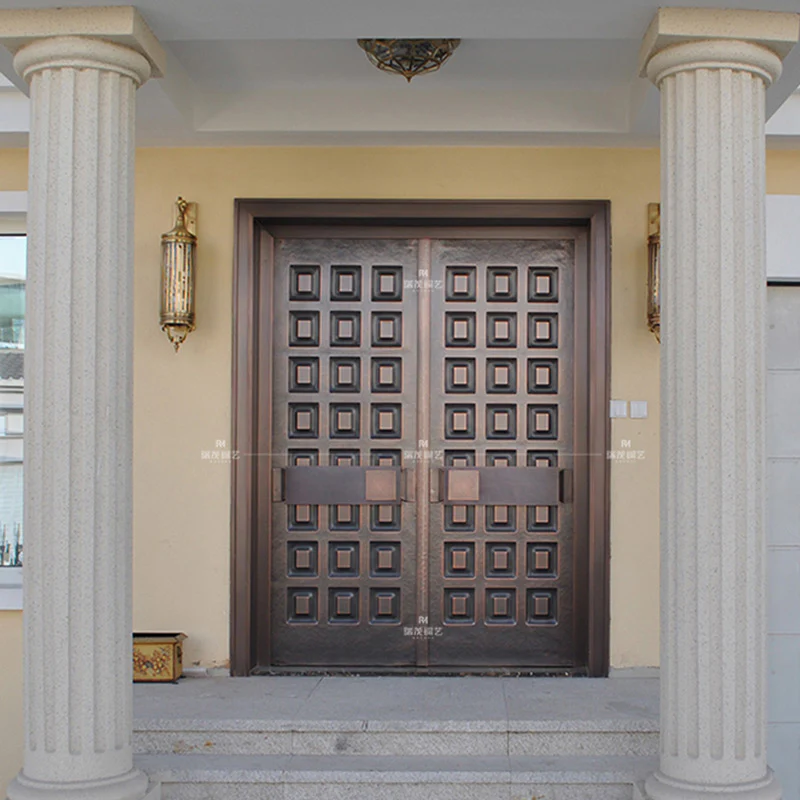
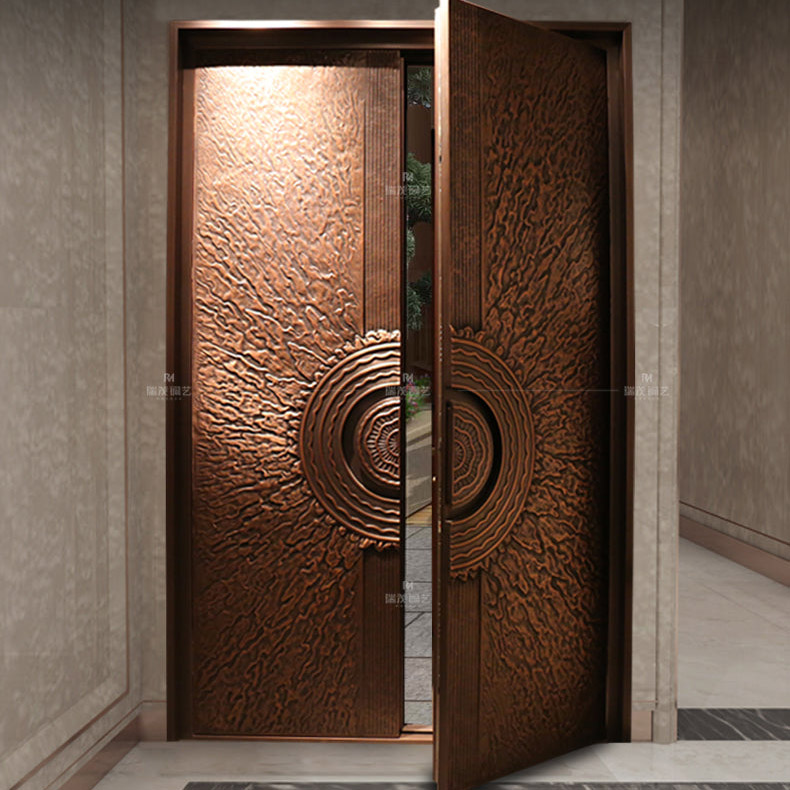 Lucky Star Artisan Copper Villa Blessing Door
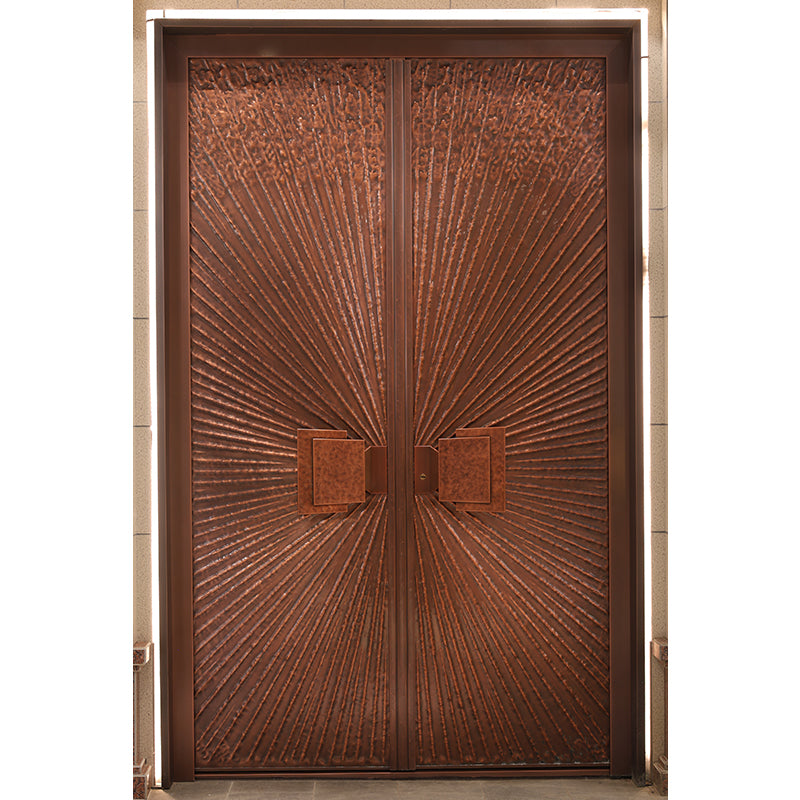
 Dynasty Prosperity Artisan Copper Legacy Door
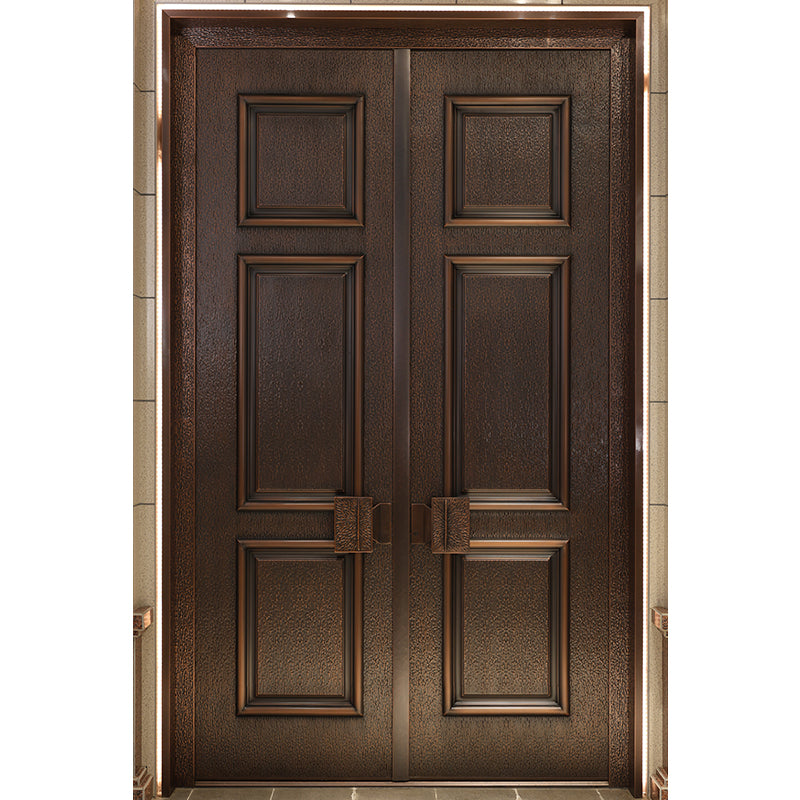
 Auspicious Radiance Artisan Copper Legacy Door
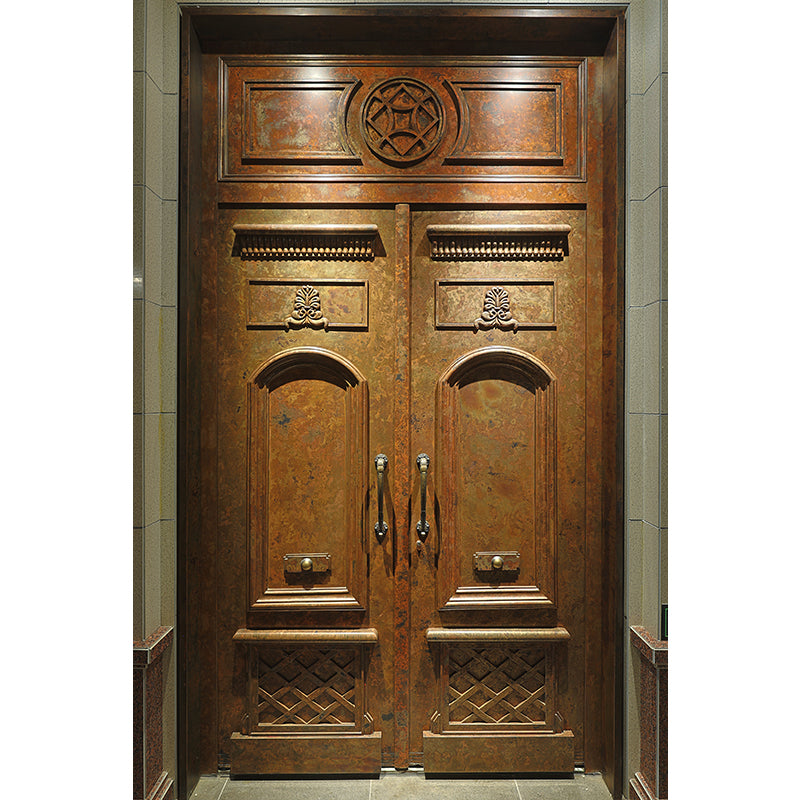
 Woodgrain Artisan Copper Nature-Infused Door
 Artistic Copper Door for Harmonious Homes
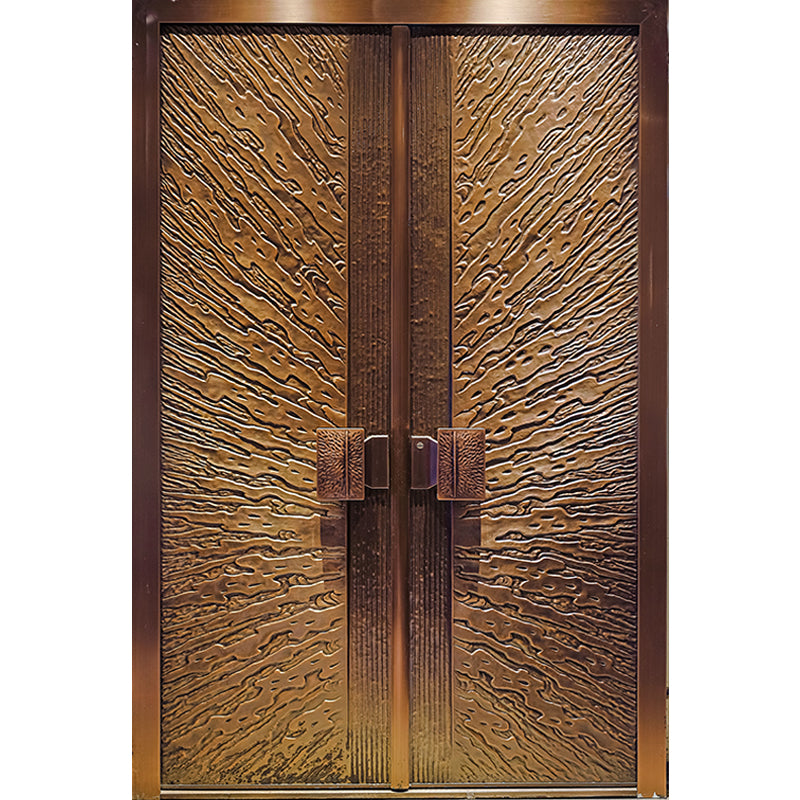 Global Artisan Copper World-Inspired Door
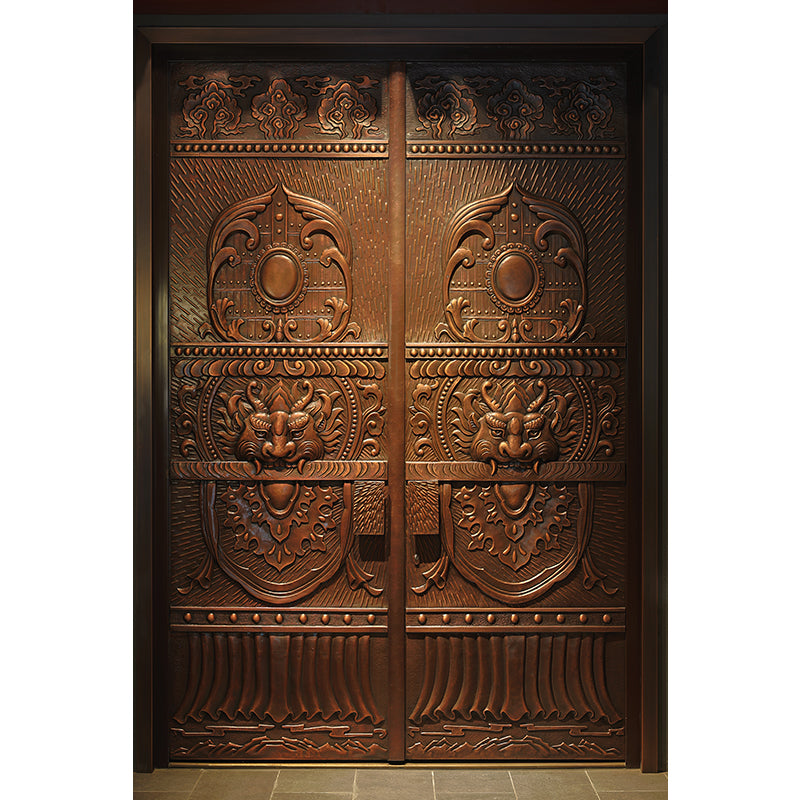 Artisan Copper Home Guardian Art Door
 Eternal Prime Artisan Copper Heritage Door
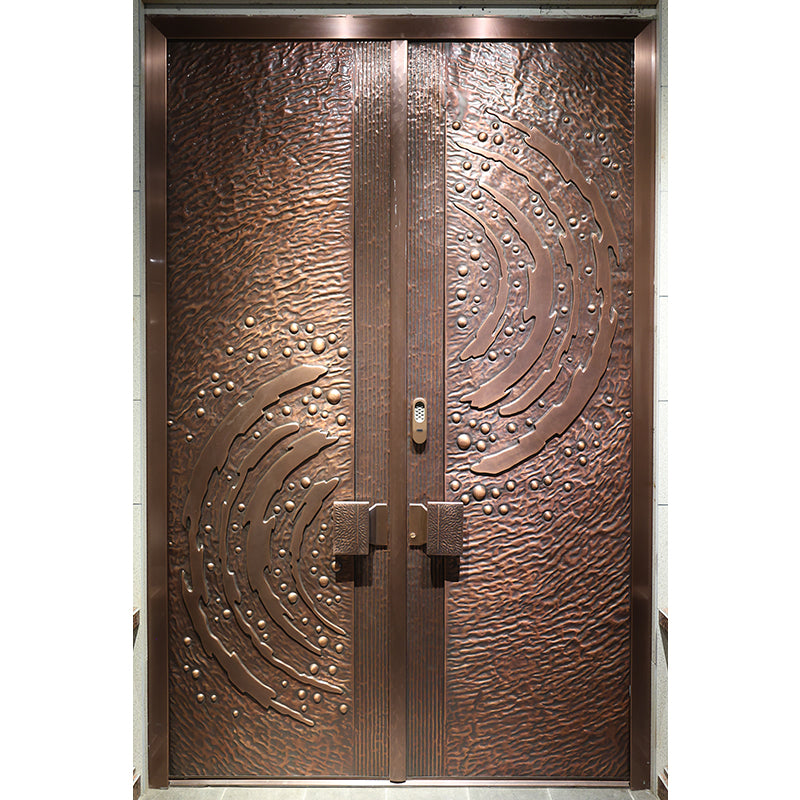 Celestial Artisan Copper Villa Stargazing Door
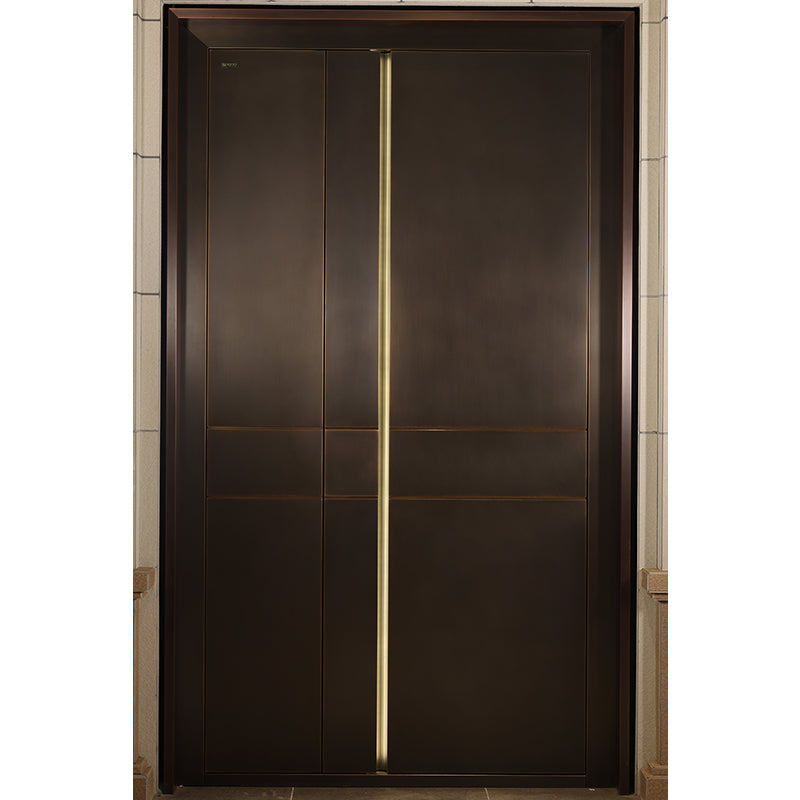 Eternal Summer Artisan Copper Timeflow Door
 Auspicious Artisan Copper Heritage Entry Door
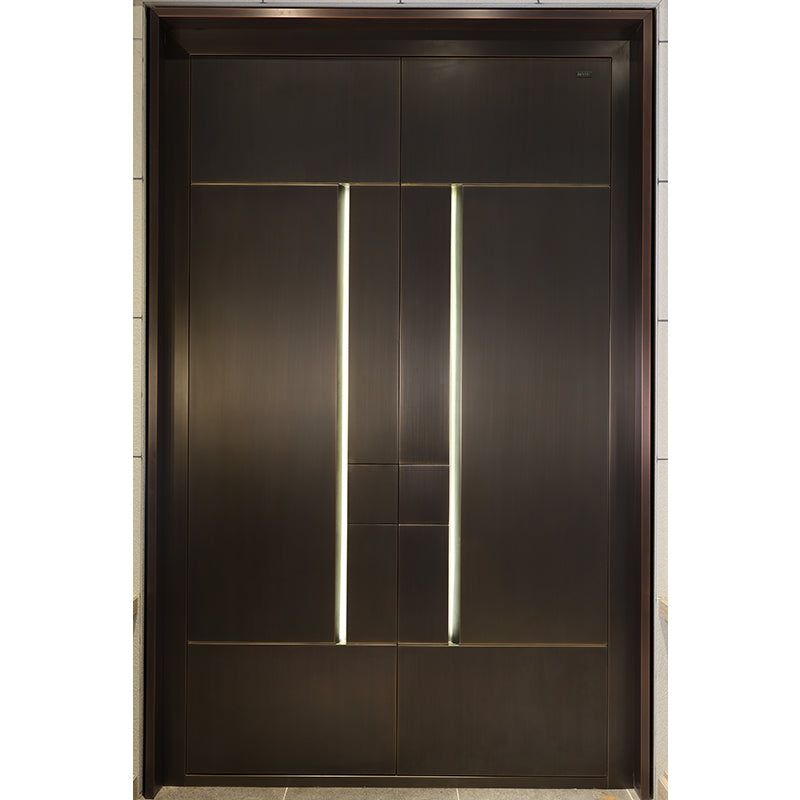 Minimalist Artistic Copper Door for Modern Homes
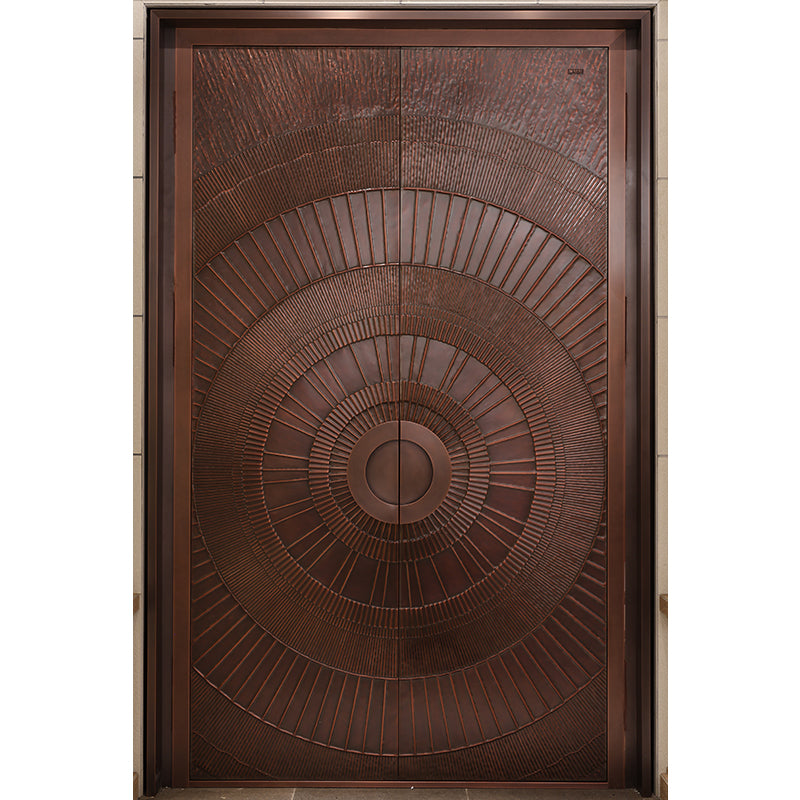 Harmony Circle Artisan Copper Door with Chinese Essence
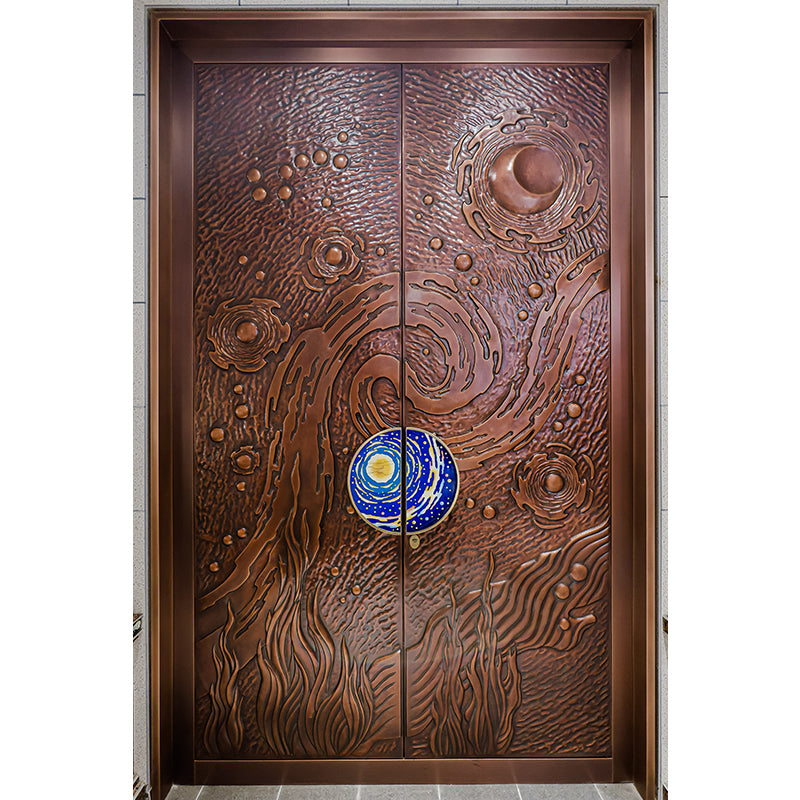 Nebula Grandeur Artisan Copper Villa Door
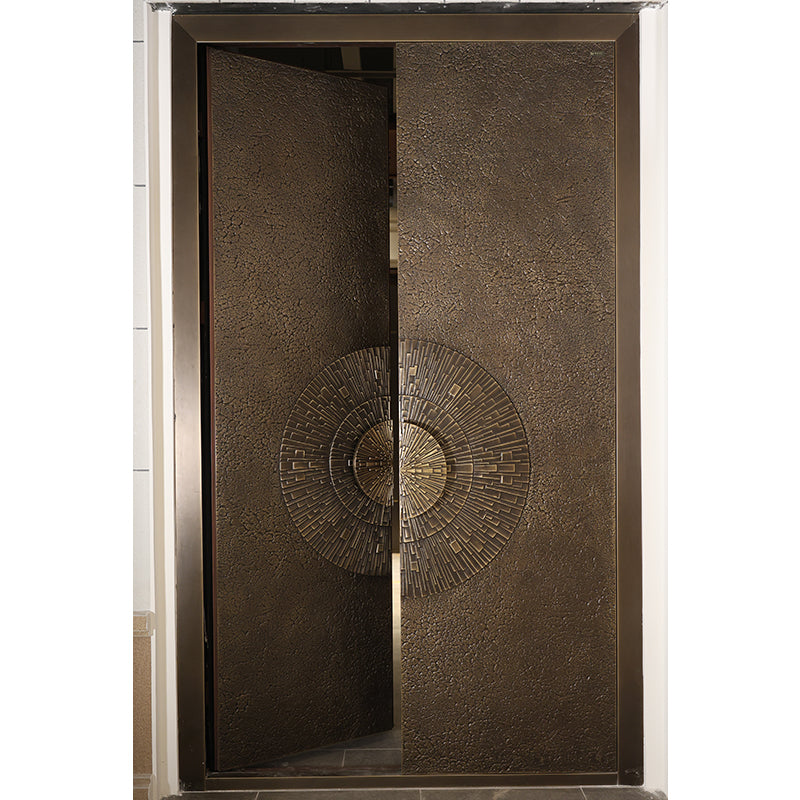 Auspicious Star Artisan Copper Blessing Door
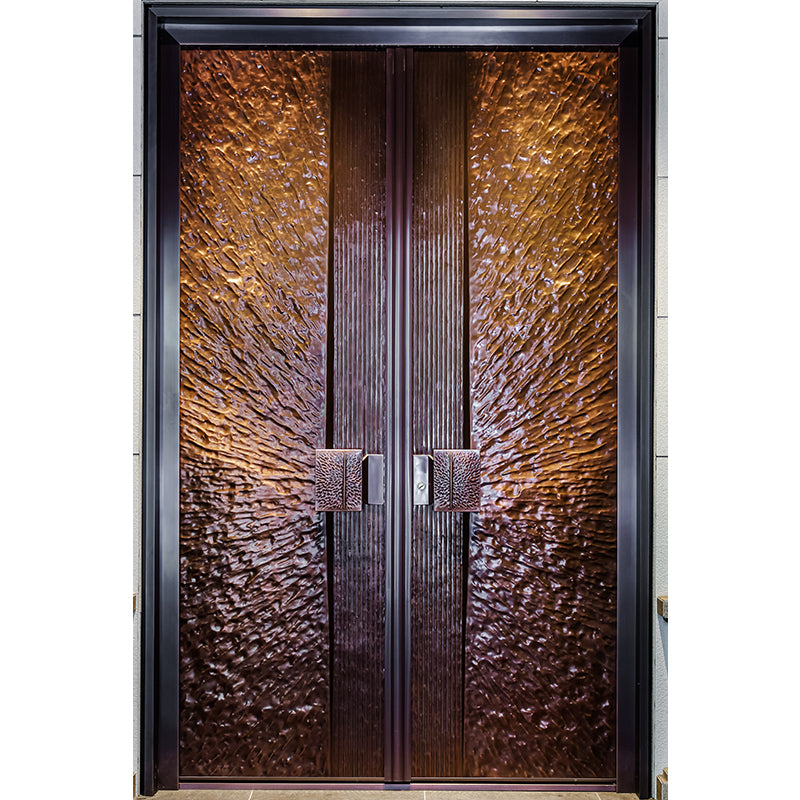 Dawn Glow Artisan Copper Flow Door
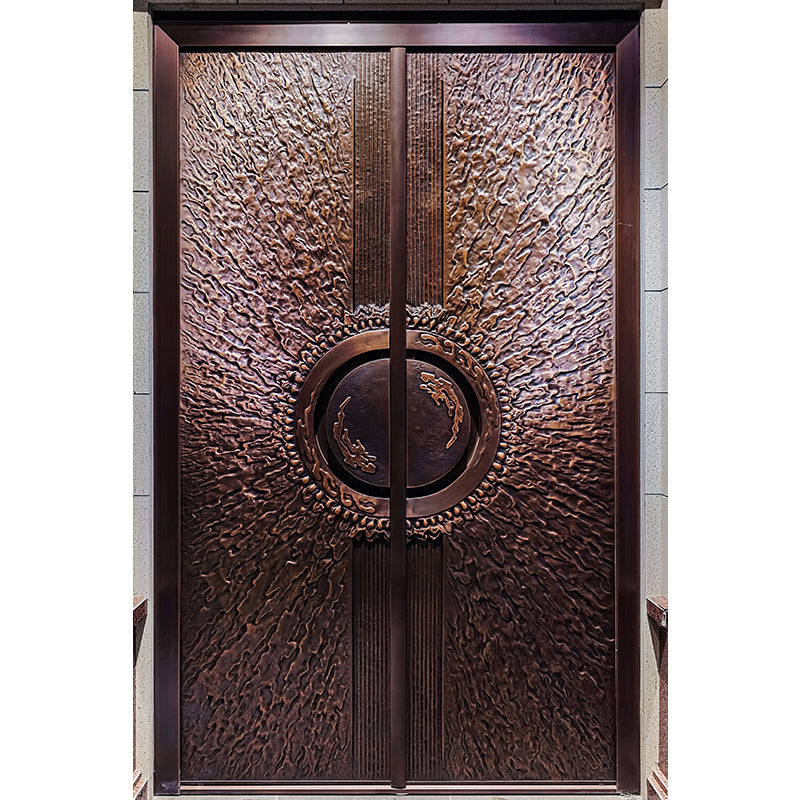 Sunlit Artisan Copper Villa Radiance Door
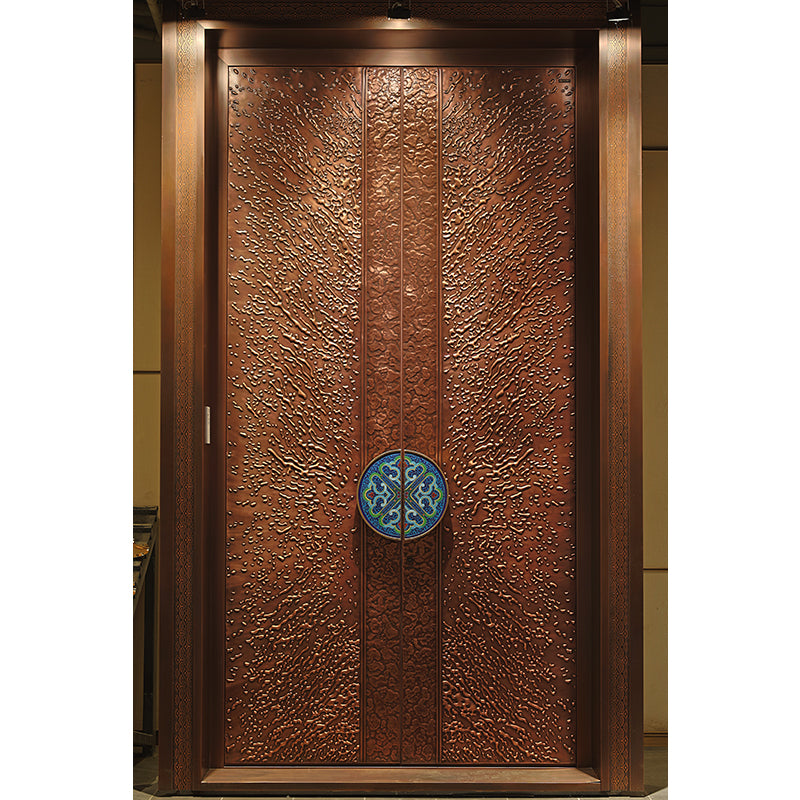 Cloisonné Waterdrop Artisan Copper Door
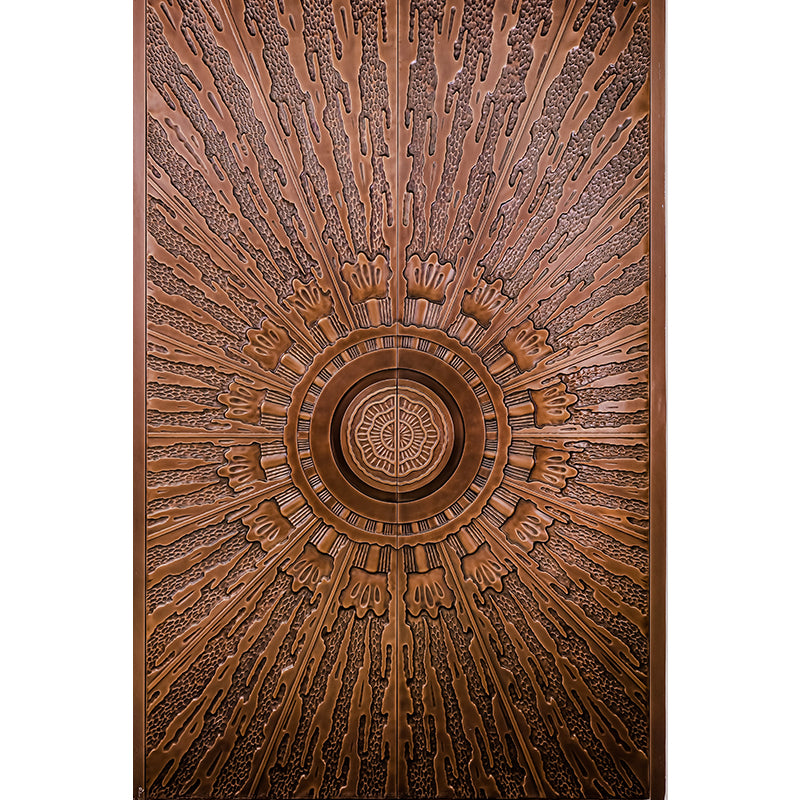 Radiant Artisan Copper Luxe Door
 Contemporary Cosmopolitan Artisan Glass-Copper Door
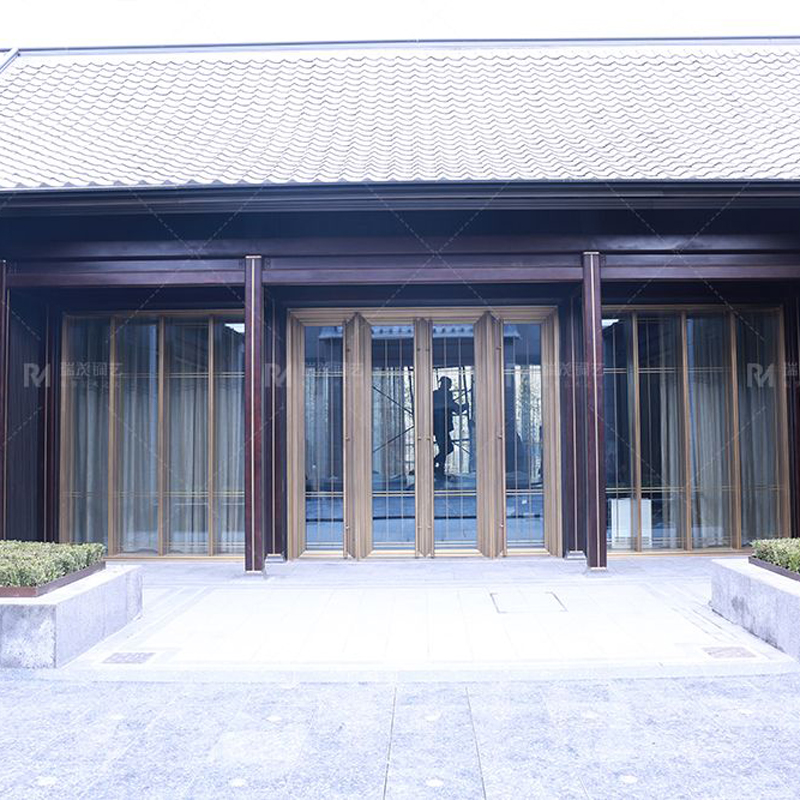 Exquisite Glass-Copper Doors for Shiguan 1 Hao Yuan
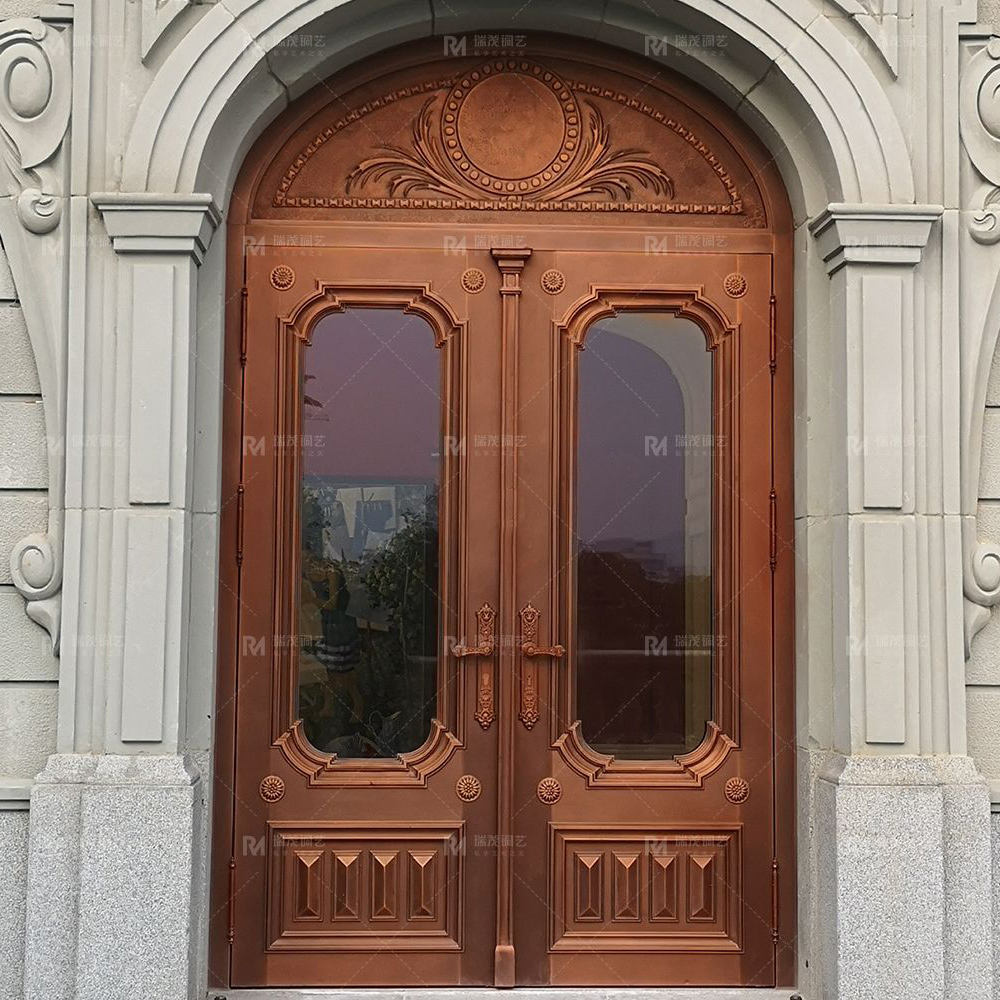 Huawei Glass-Infused Artisan Copper Door
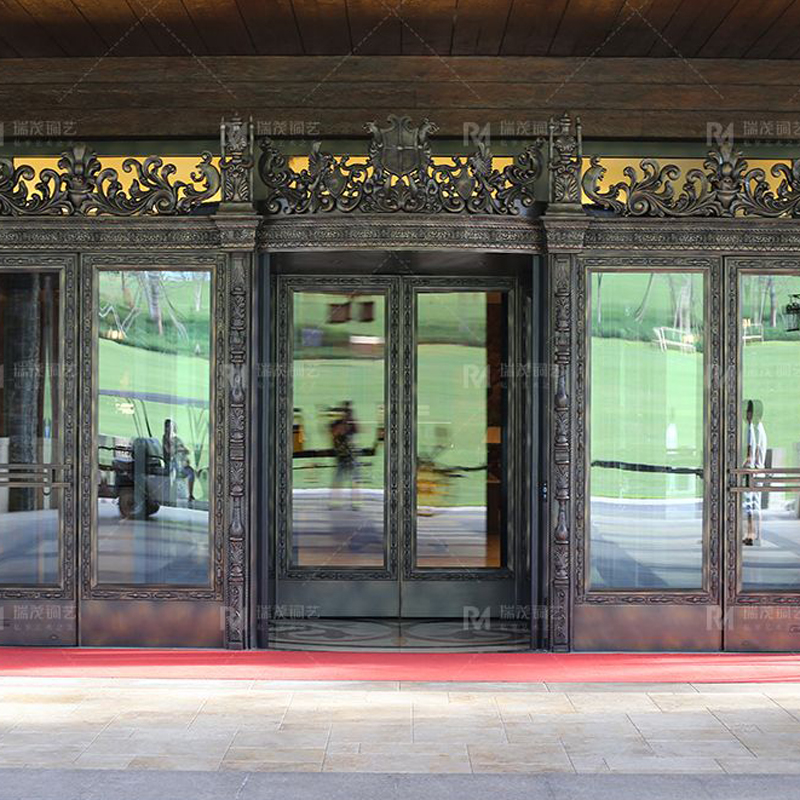 Gorgeous Glass Copper Doors for Jinhaihu
 Graceful Glass Copper Doors for Yuanyang Wanhe Mansion
 Nine Chapters Villa Artisan Glass-Copper Door
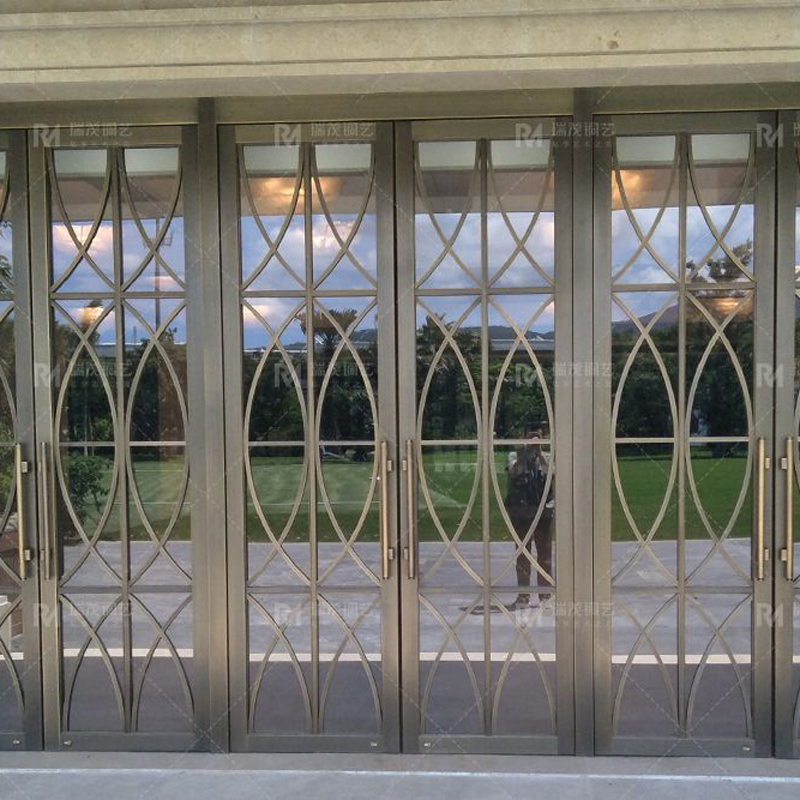 Graceful Tropical Glass - Copper Doors for Banshan Banda
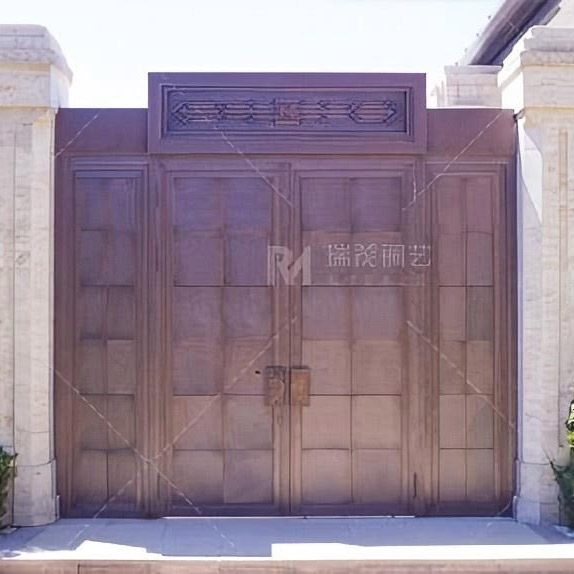 Nine Chapters Villa Artisan Copper Courtyard Gate
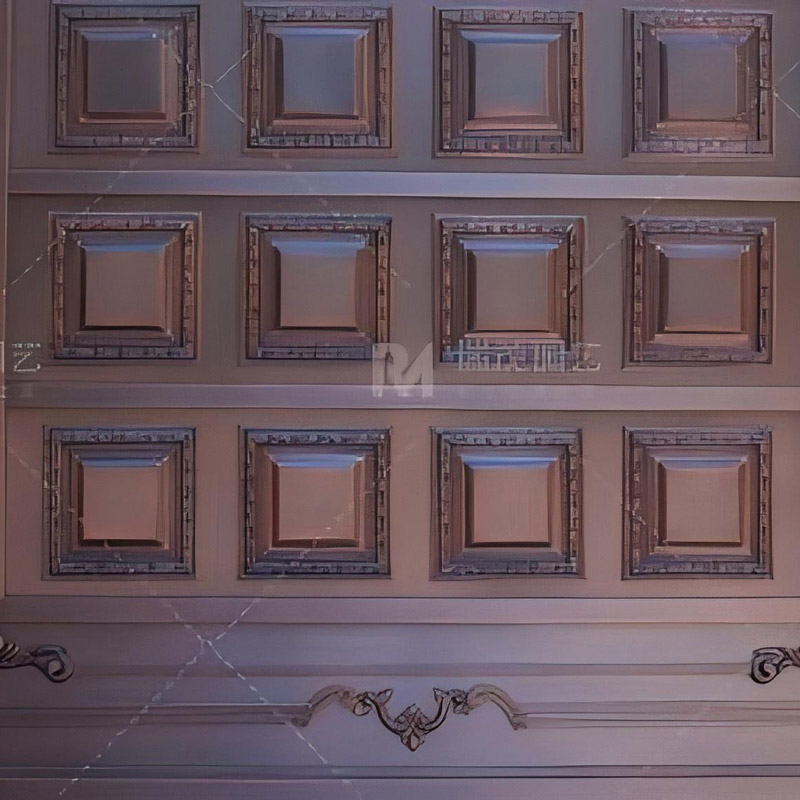 Sino-Ocean LAVIE Artisan Copper Courtyard Gate
 Shimao Xishan Artisan Copper Heritage Gate
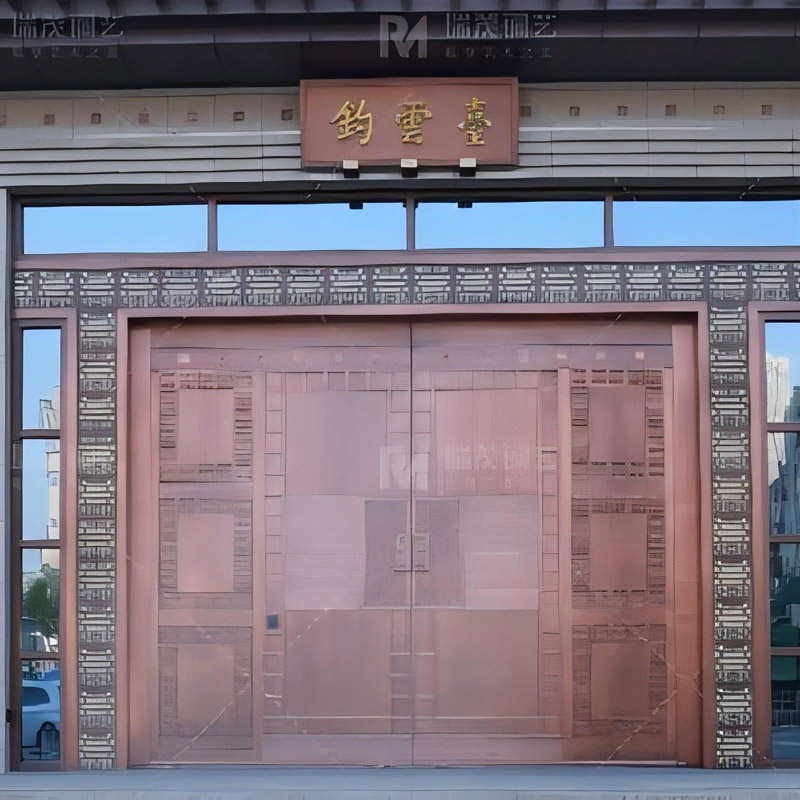 Diaoyuntai Cloud-Reaching Artisan Copper Gate
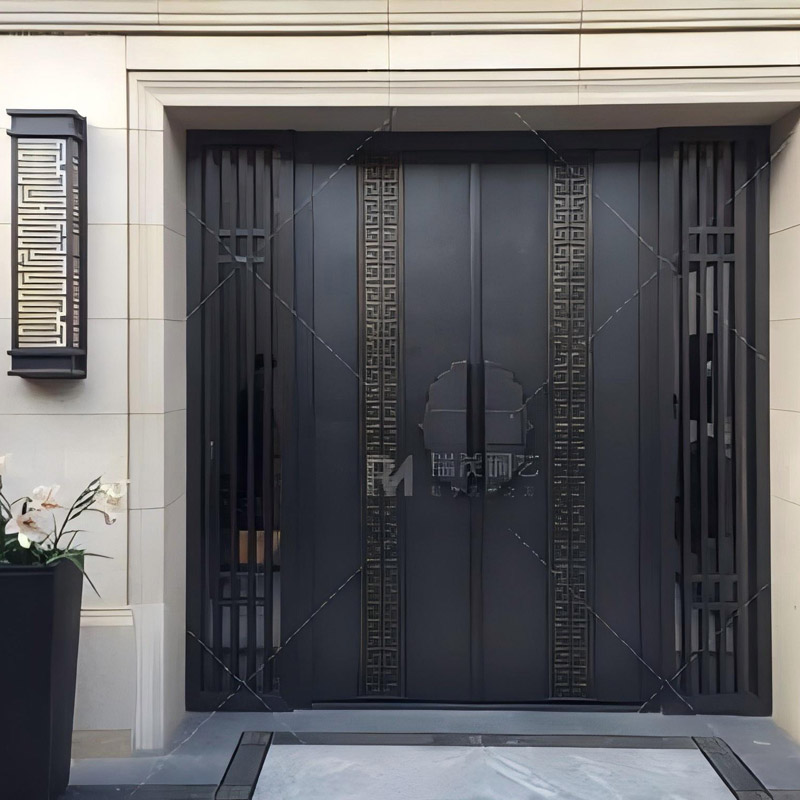 R&F MGM Artisan Copper Entertainment Gate
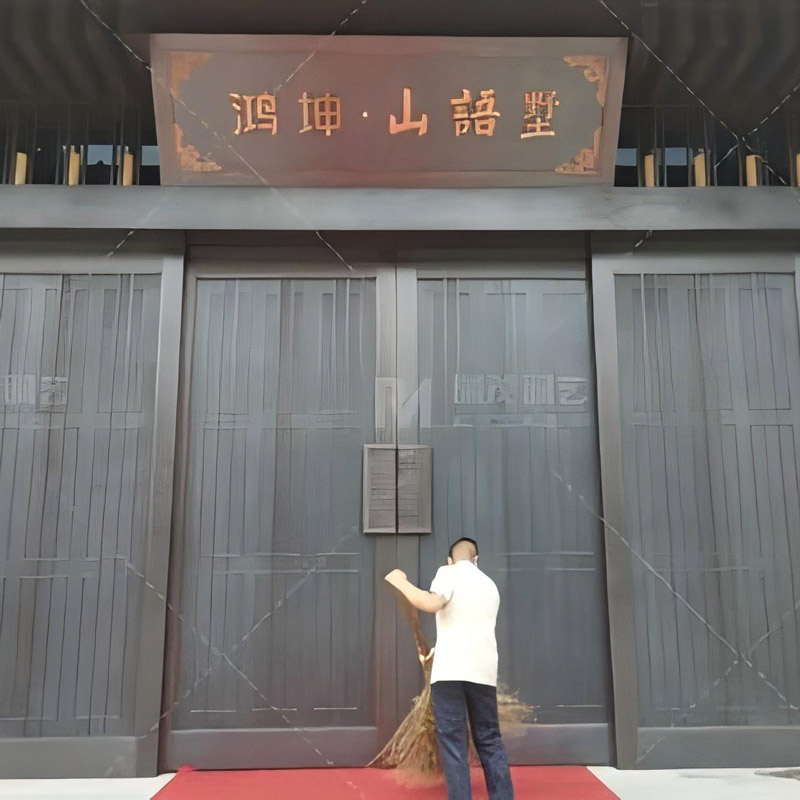 Hongkun Shanyu Villa Artisan Copper Courtyard Gate
 Xiamen Longhu Jinglin Copper Art Villa Gate
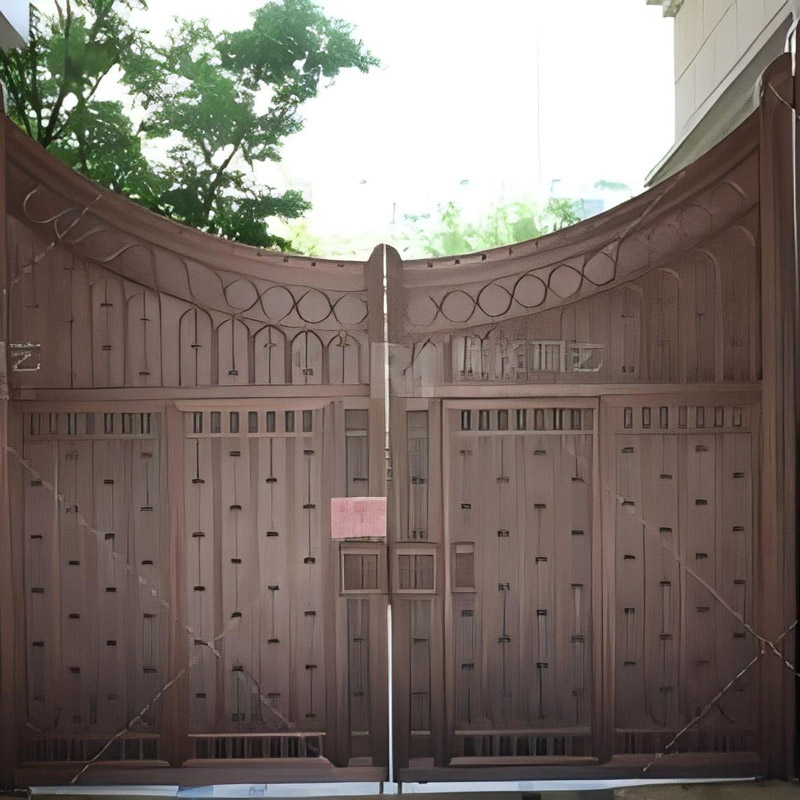 Tianjin COB Plaza Artisan Copper Gate
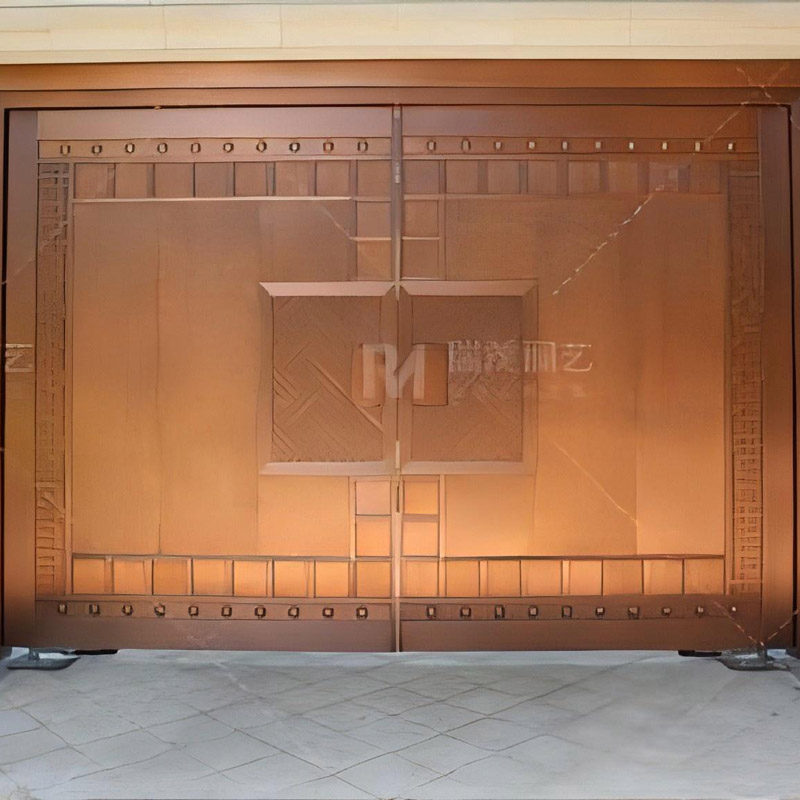 Xian Ziyingtai Artisan Copper Courtyard Gate
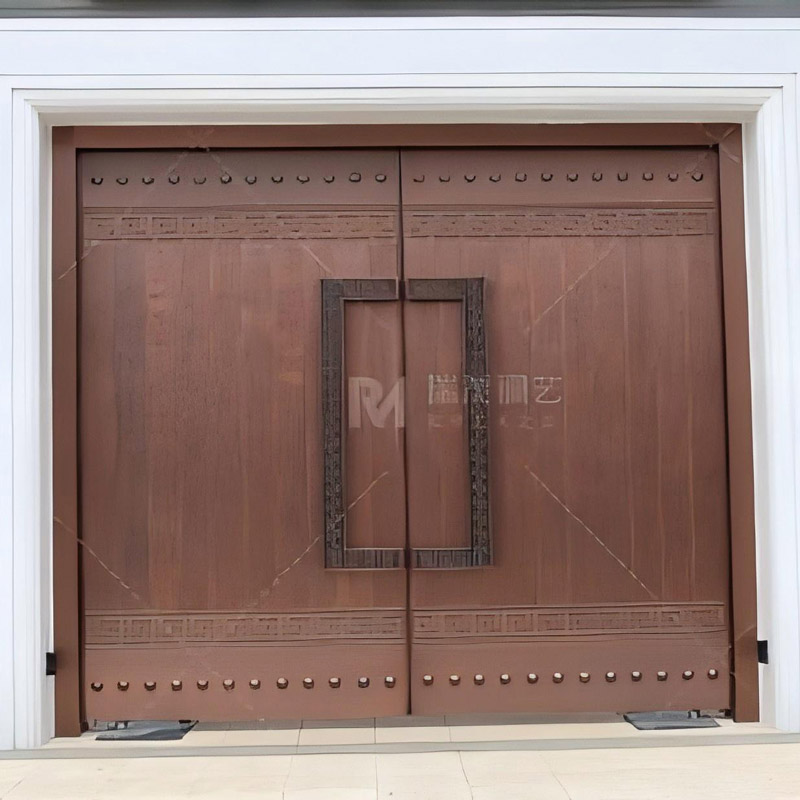 Exquisite Copper Gate of Qianshan Mansion
 Copper Canopy, Quality Weather Shield
 Ancient Charm Copper Carving, Inheritance Of The Millennium Craftsmanship
 Copper Art In The Garden, Lighting Up The Beauty Of Nature
 Copper Goodies, Indoor Art Show
 Exquisite Copper Partition, Screen Shows Style
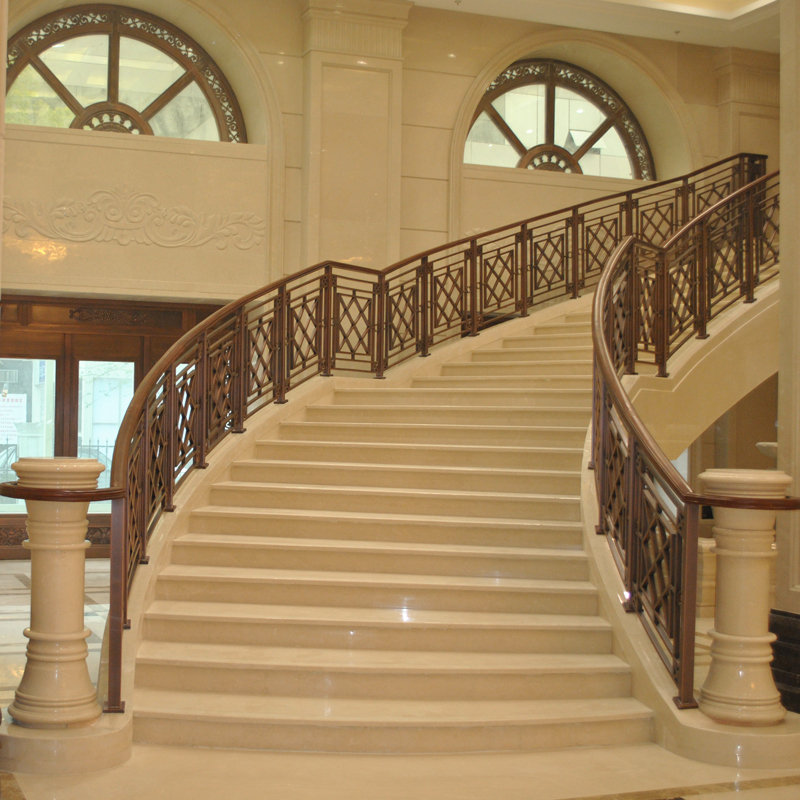 Indoor Copper Balustrade, a New Height Of Elegance
 Artisan Copper Revolving Elegance Door