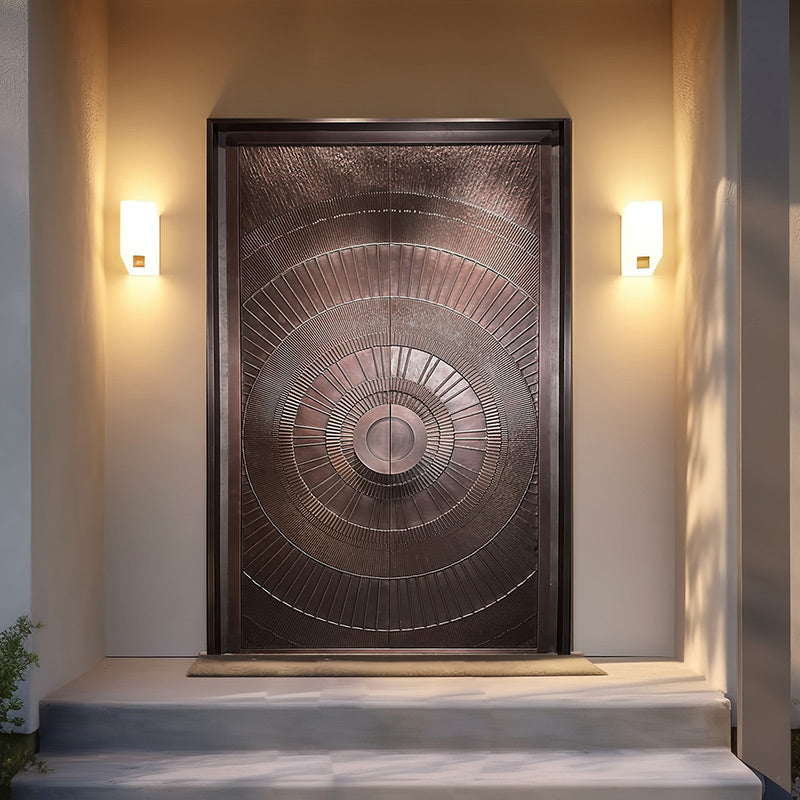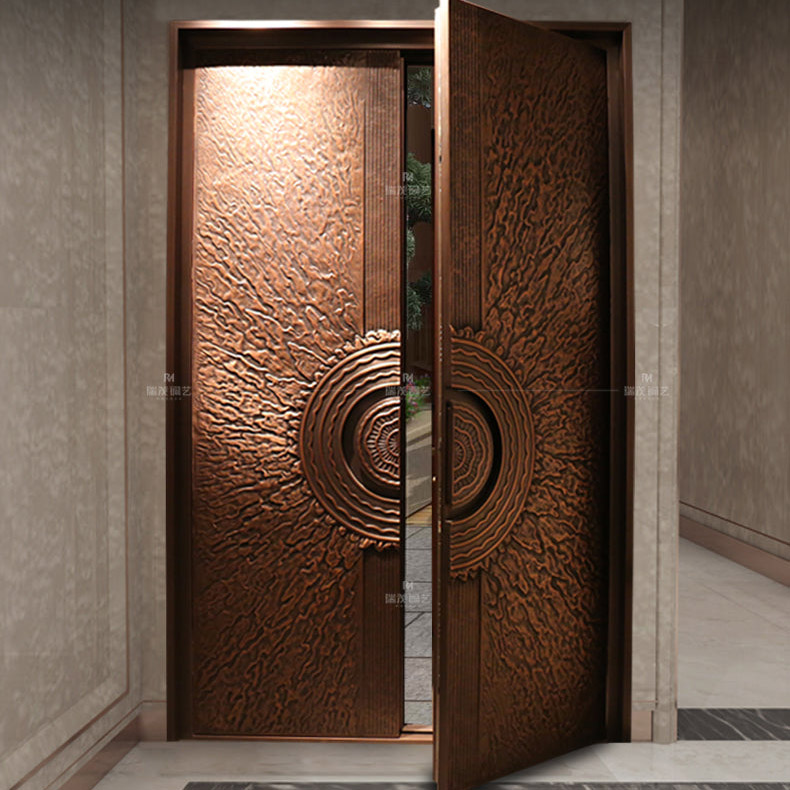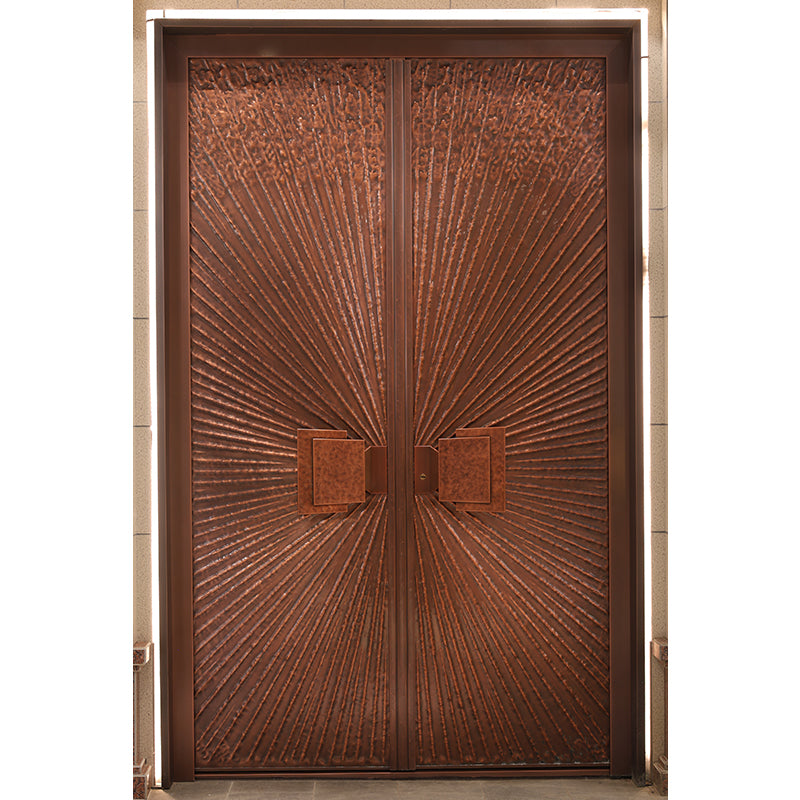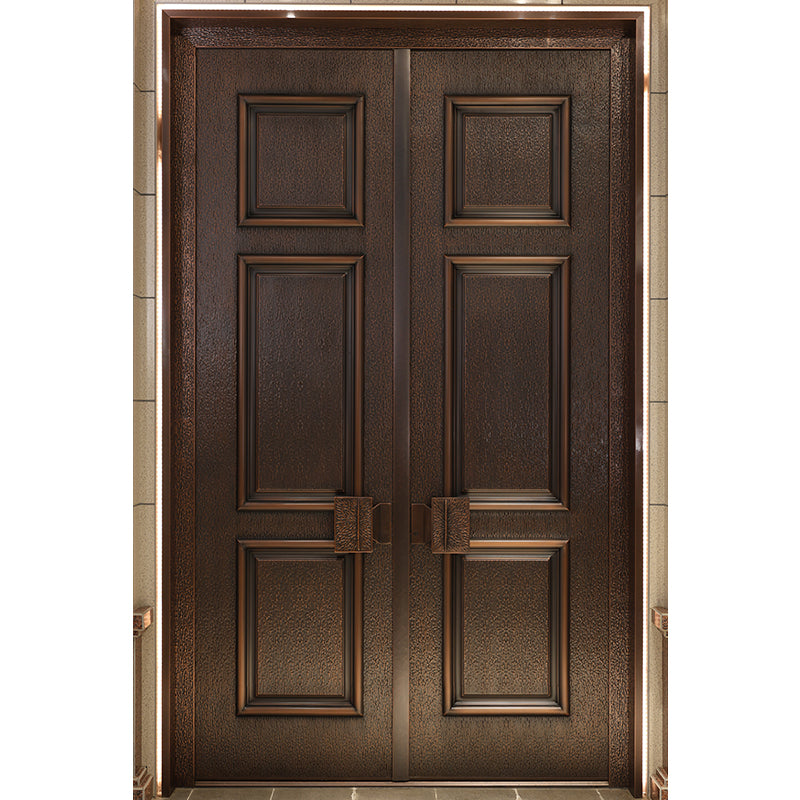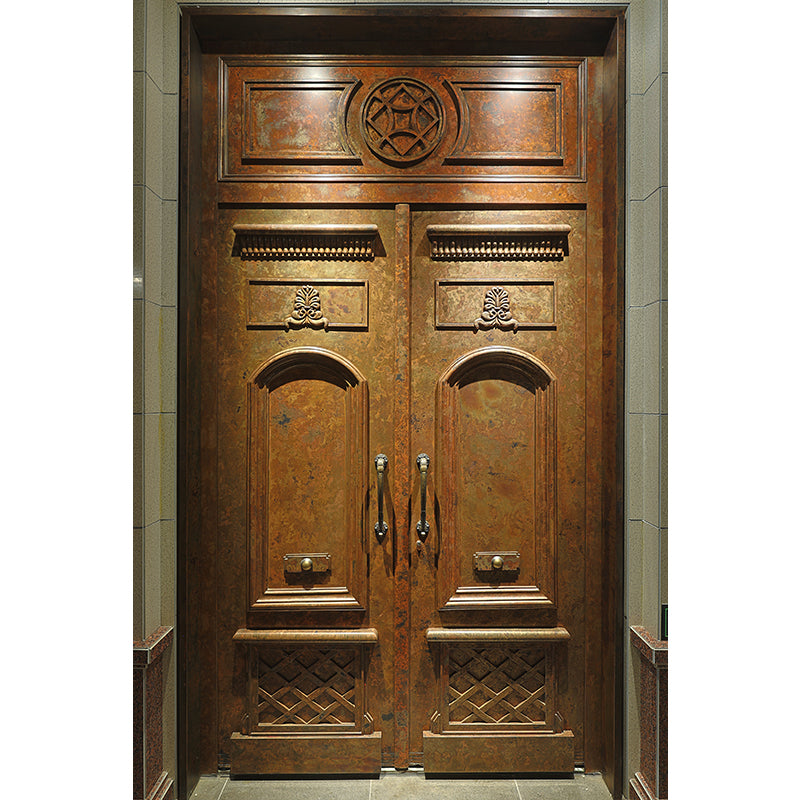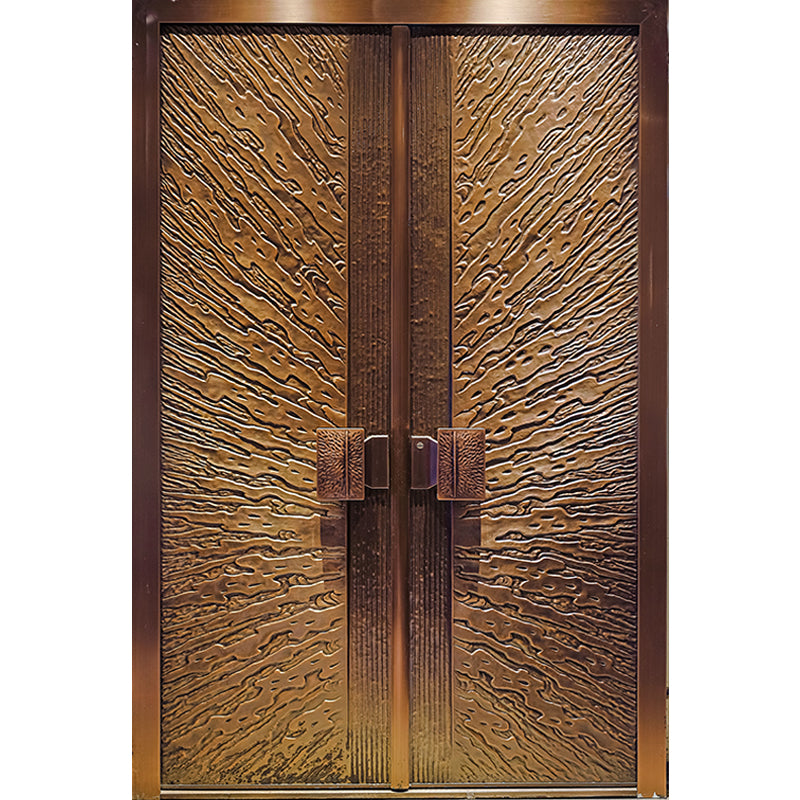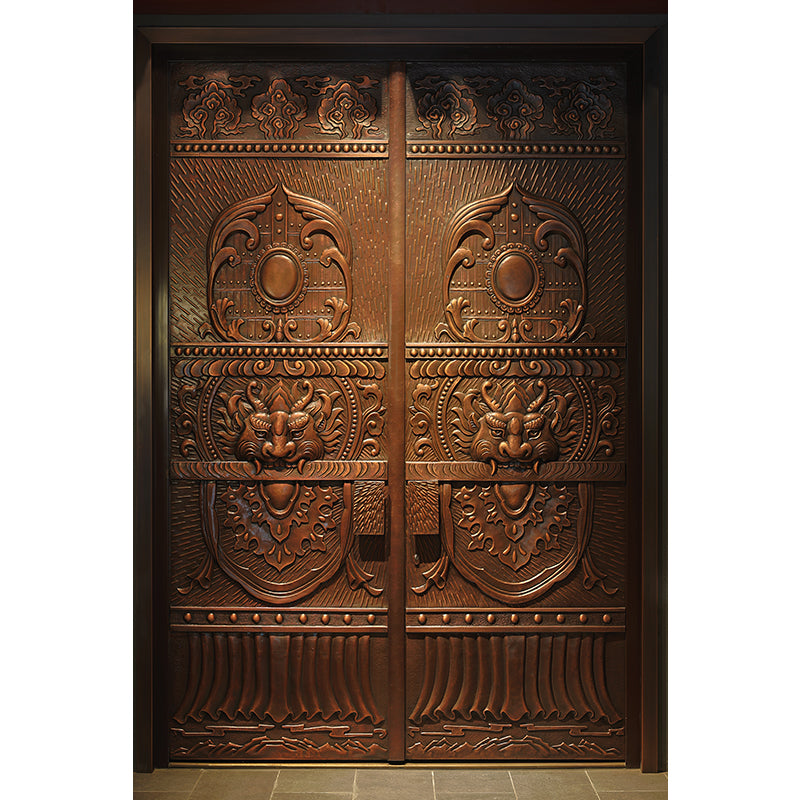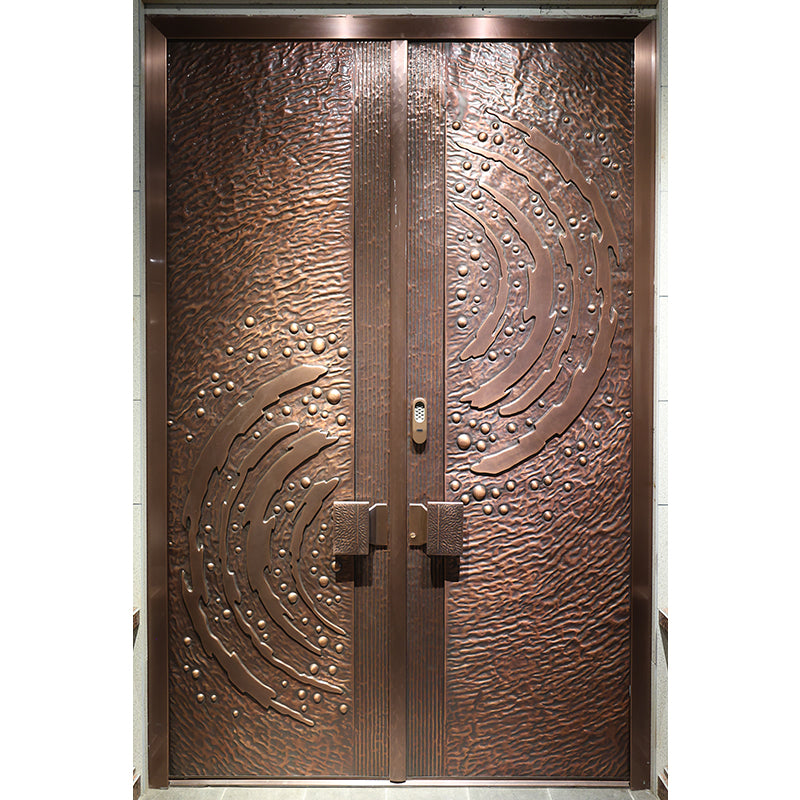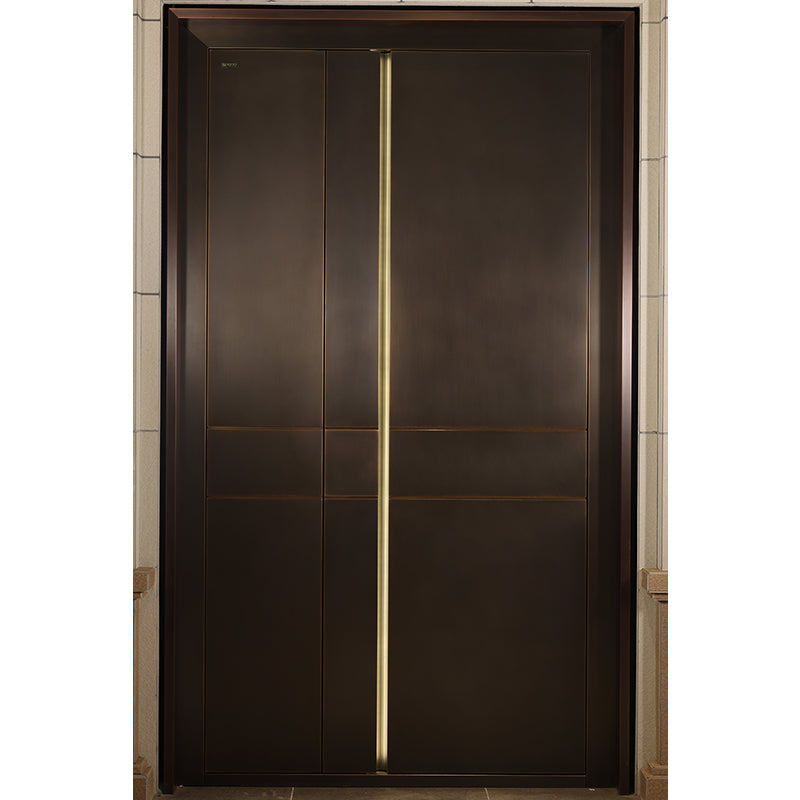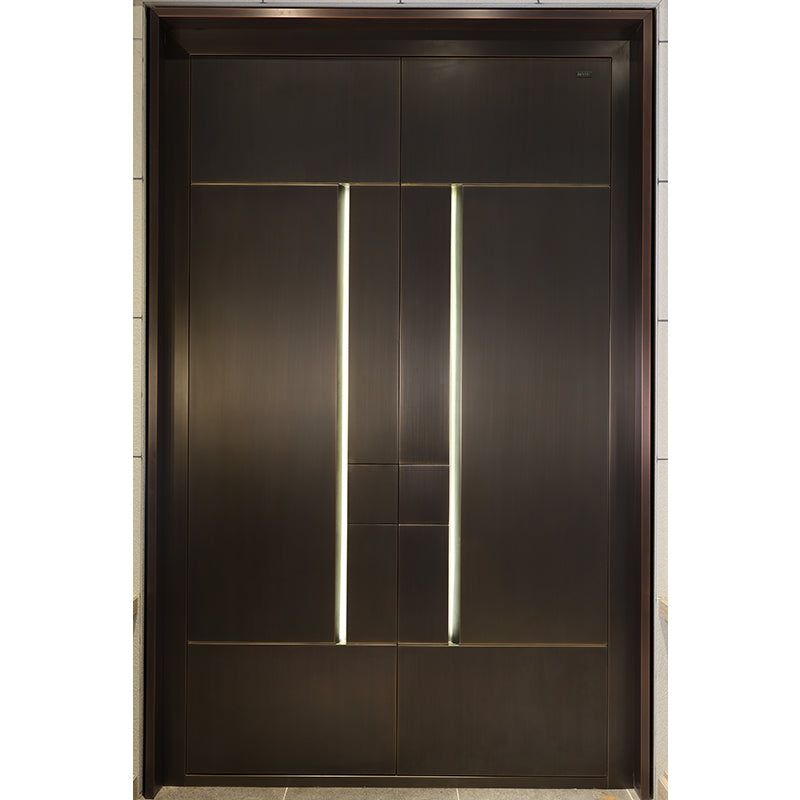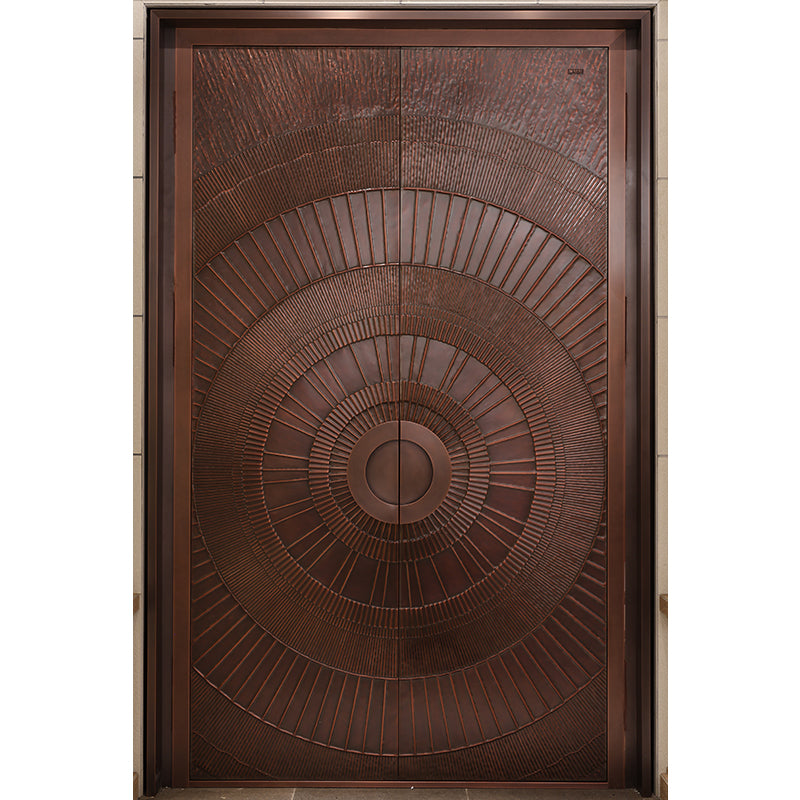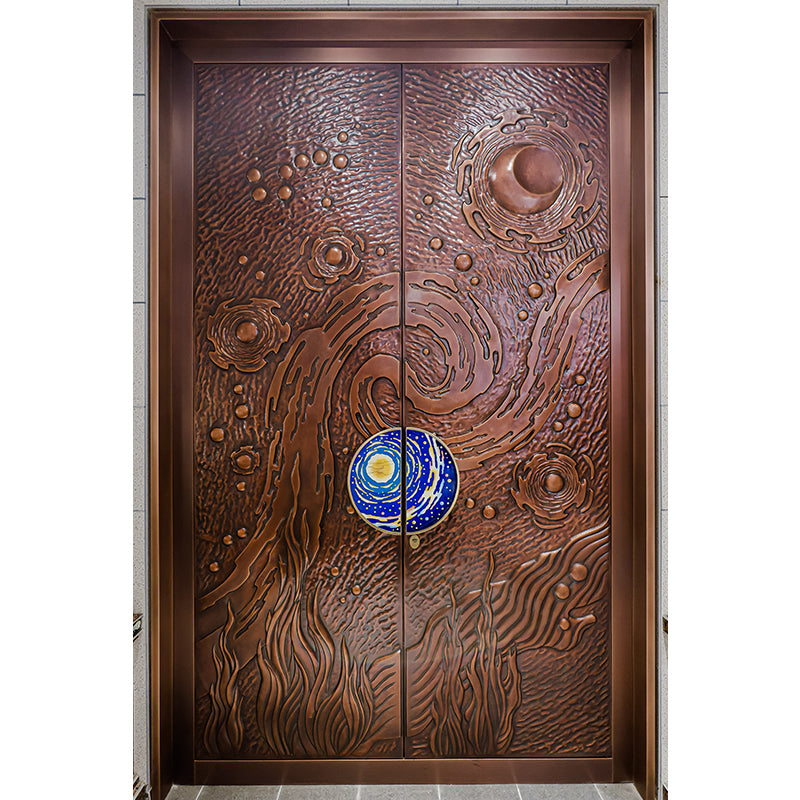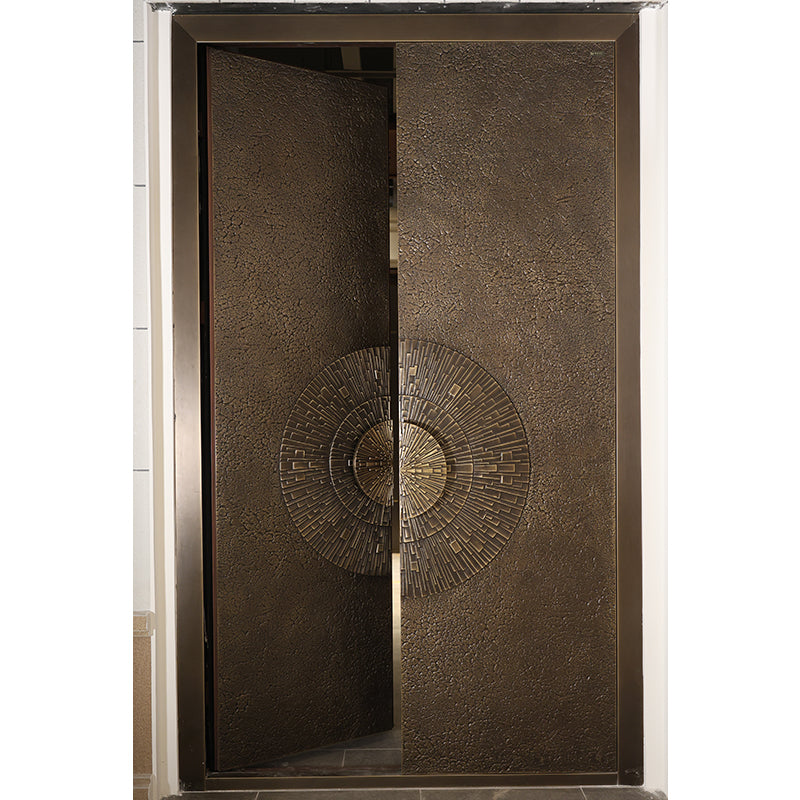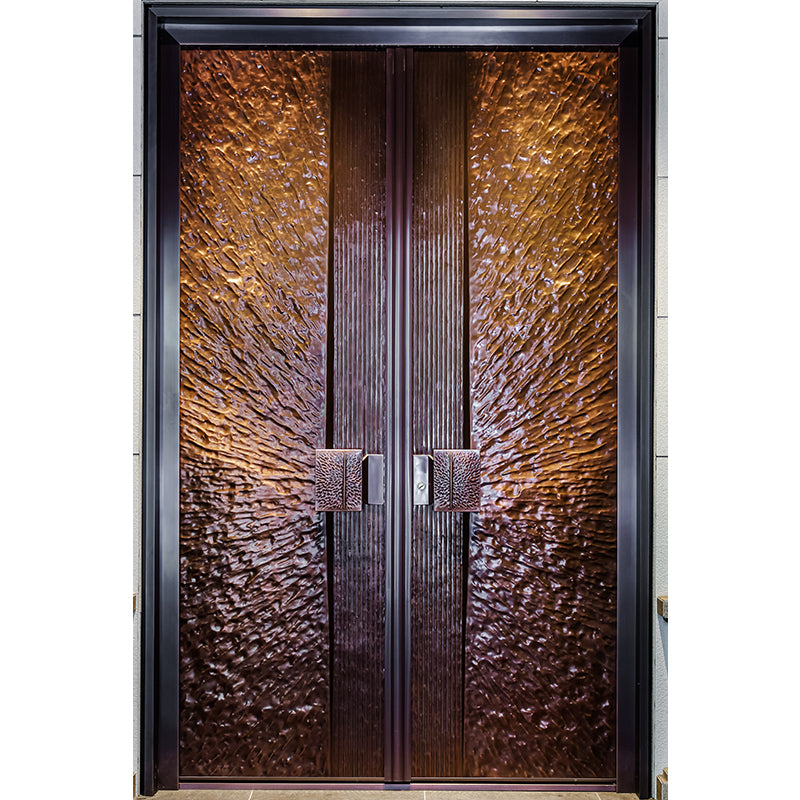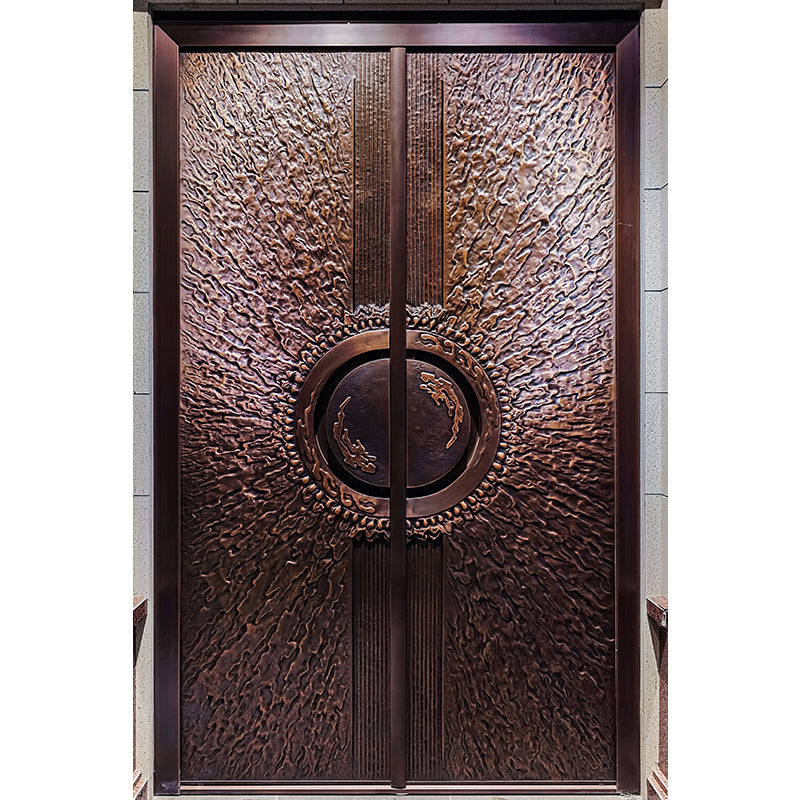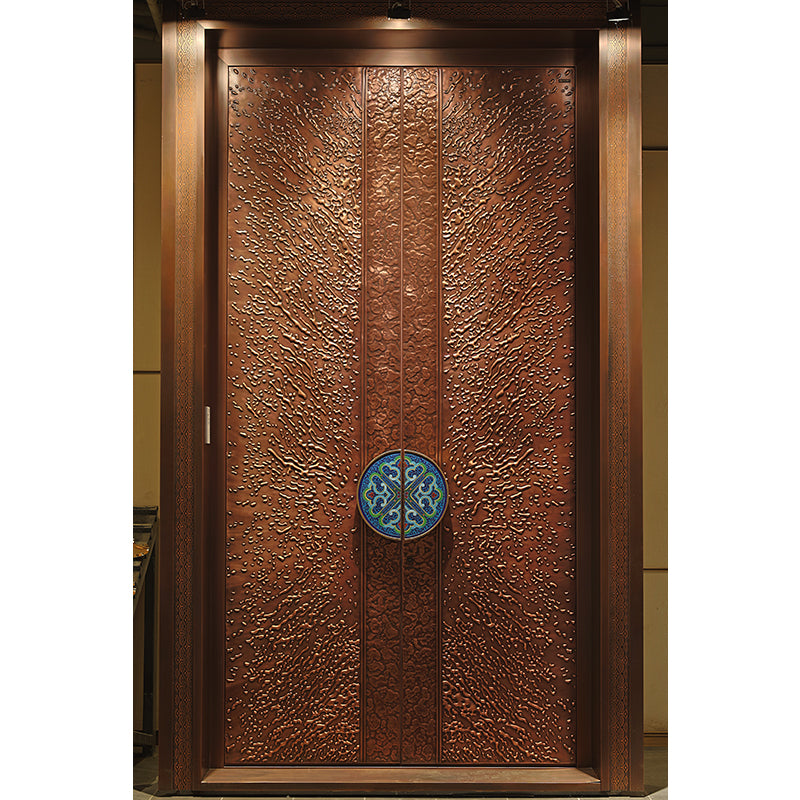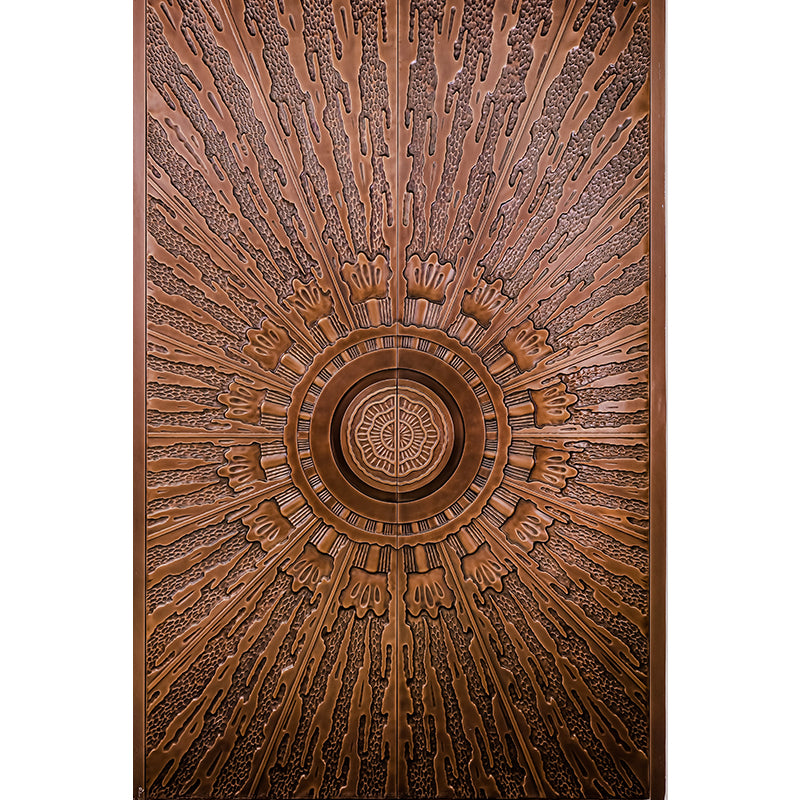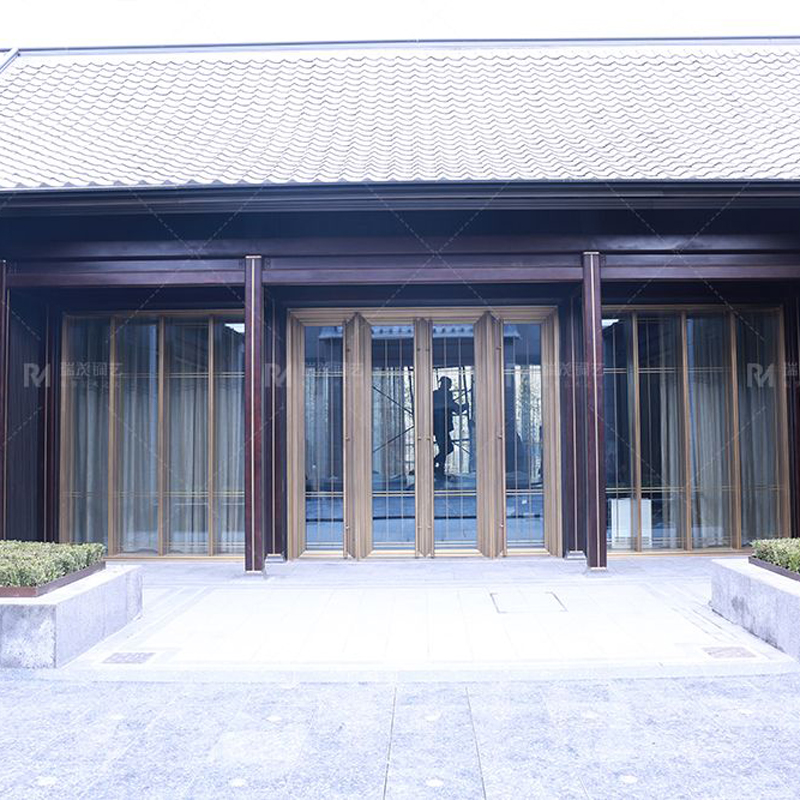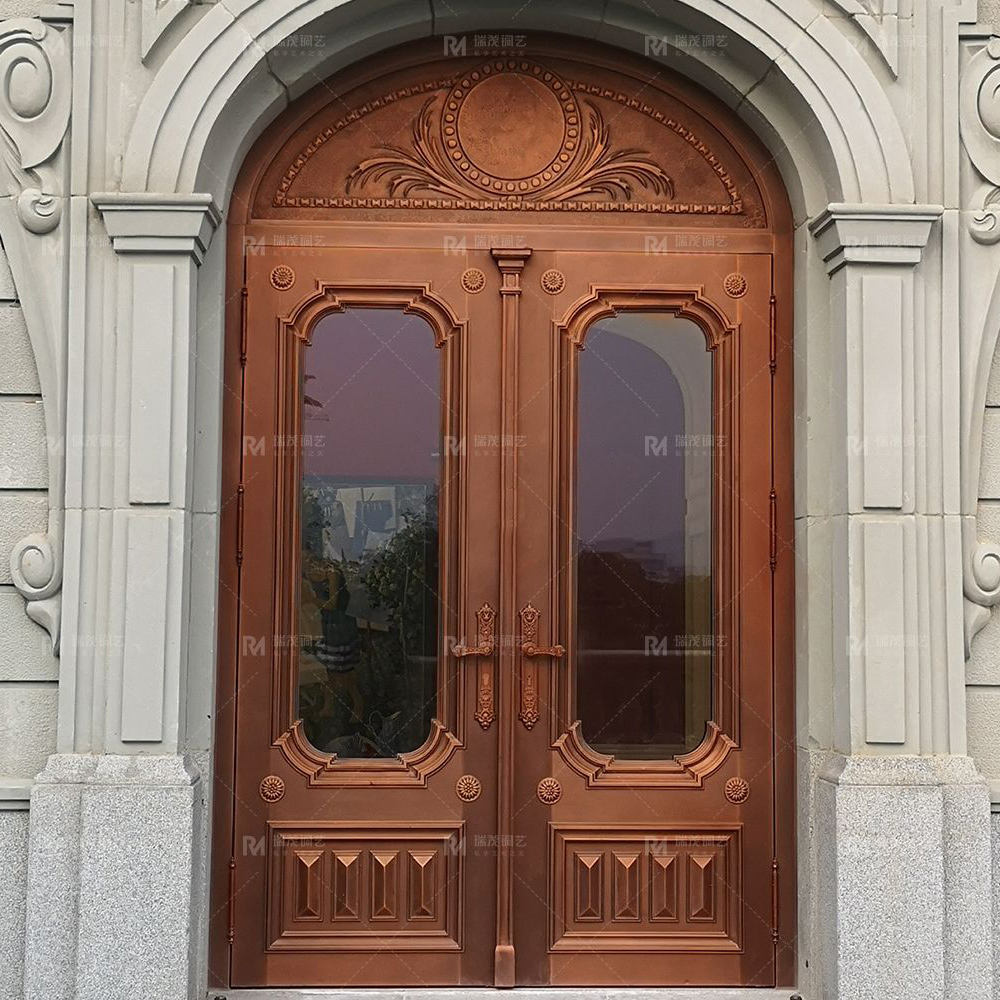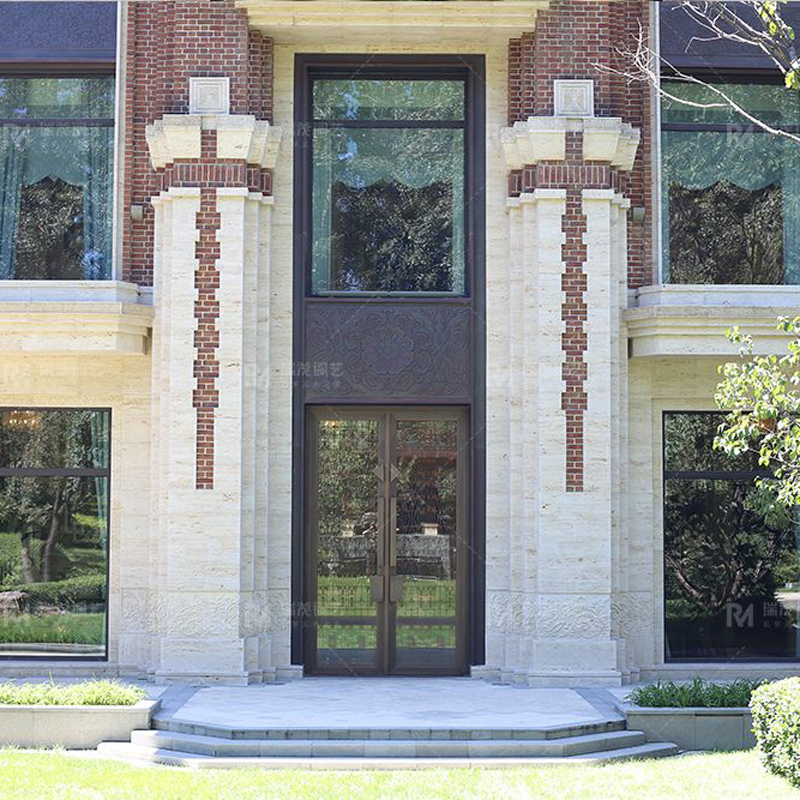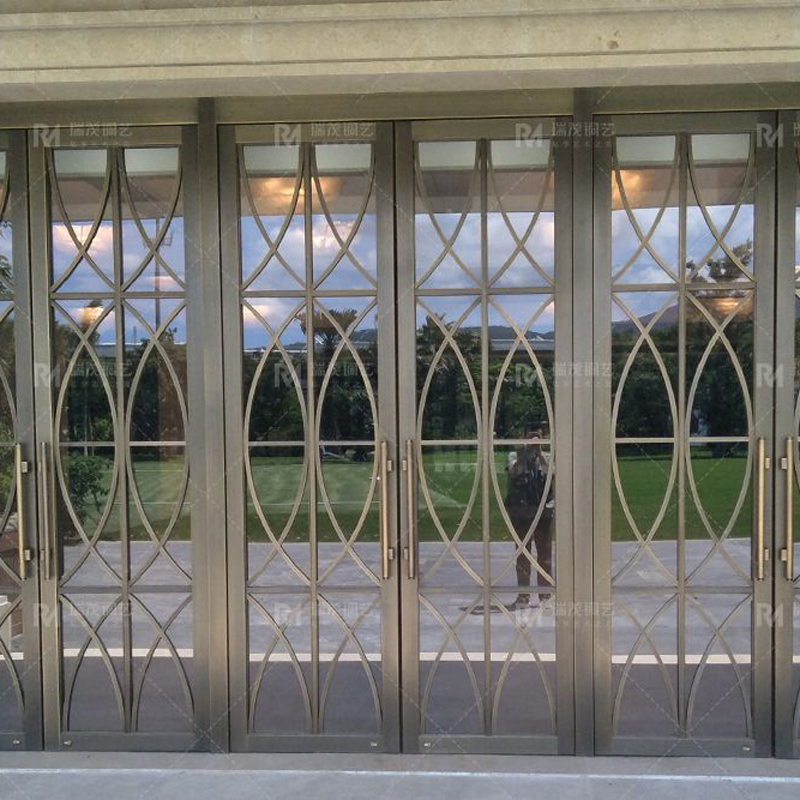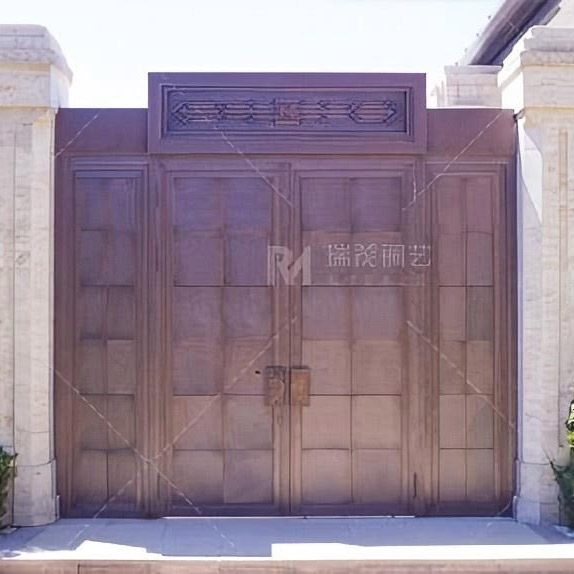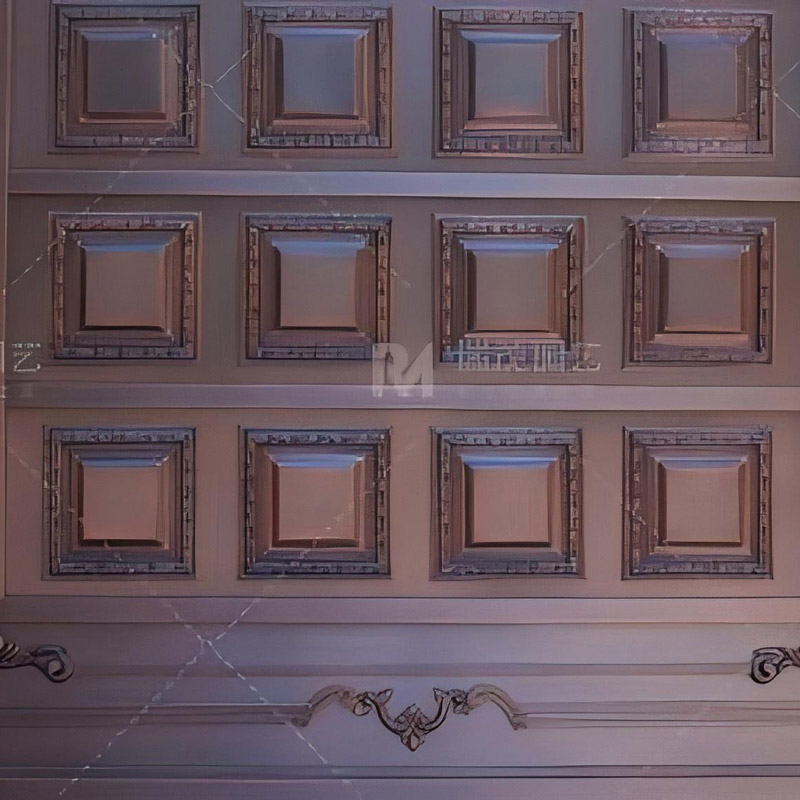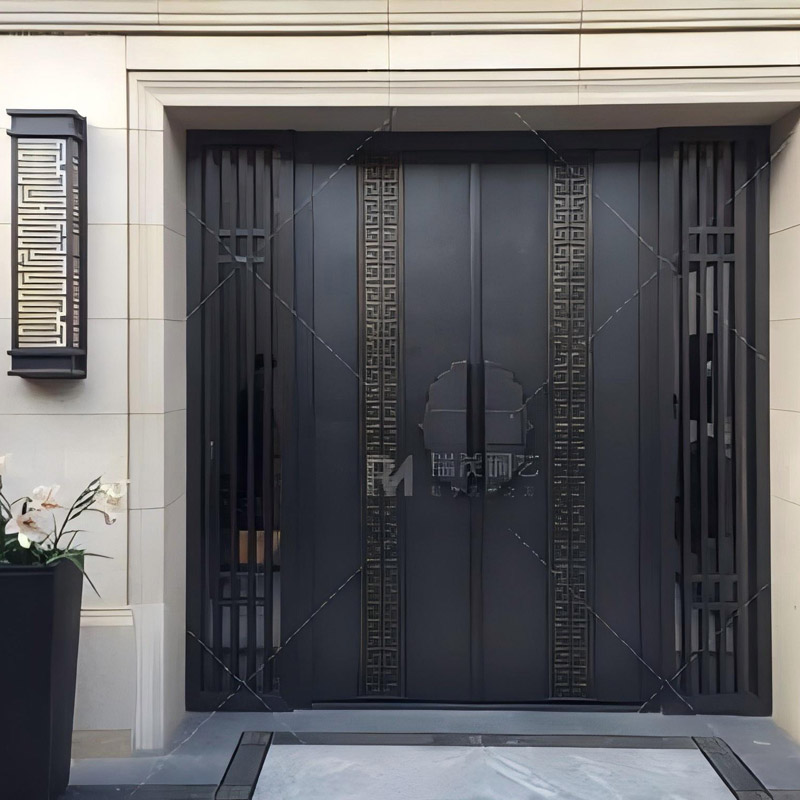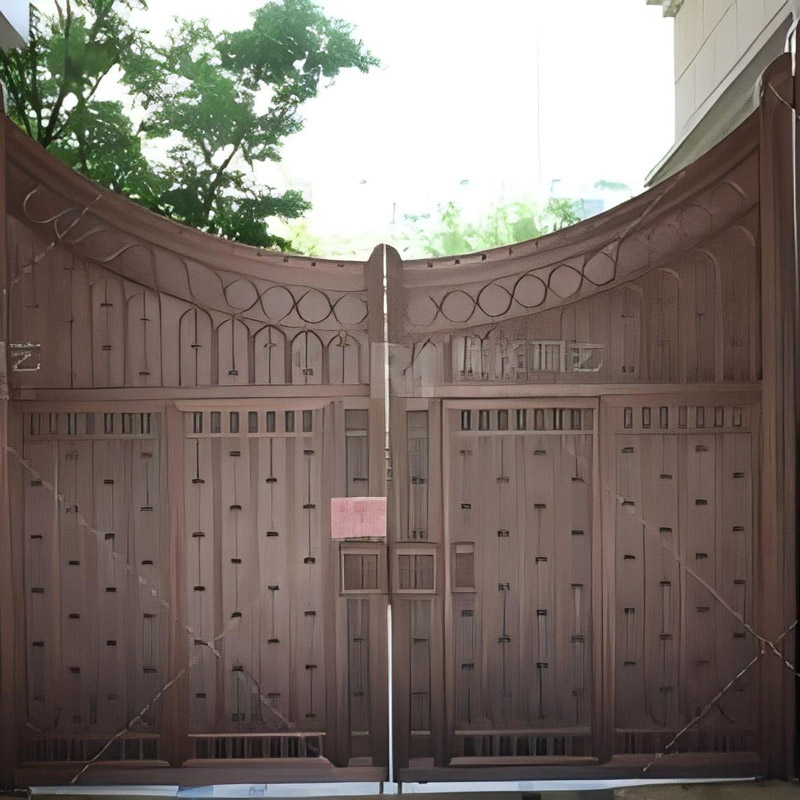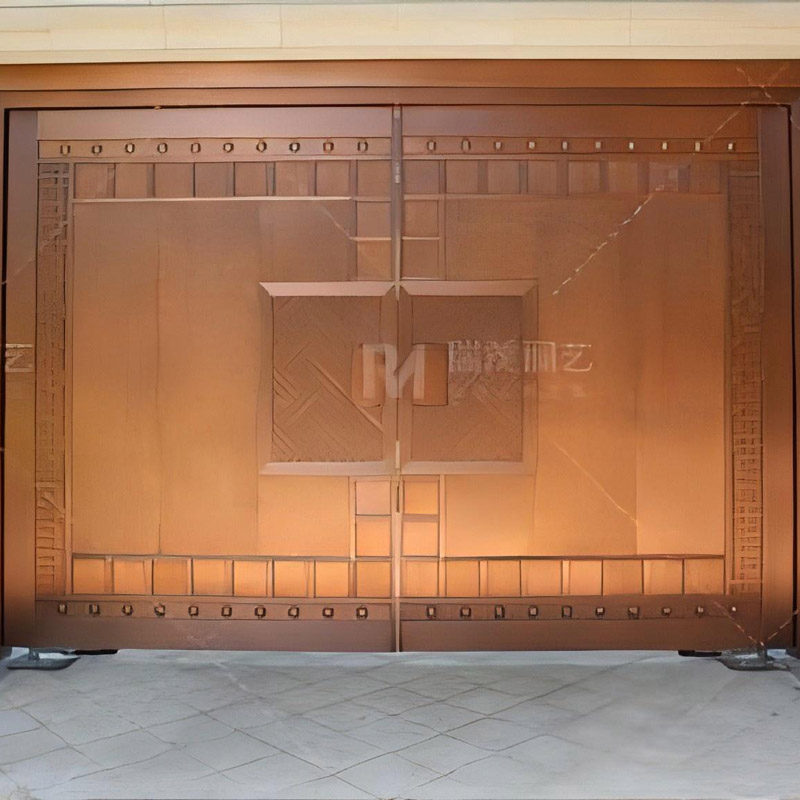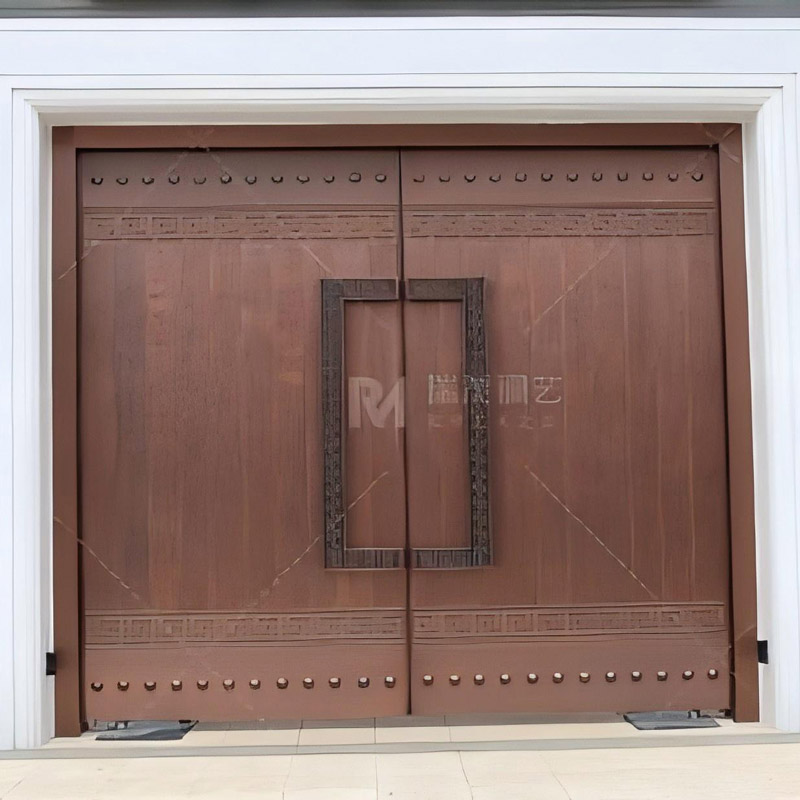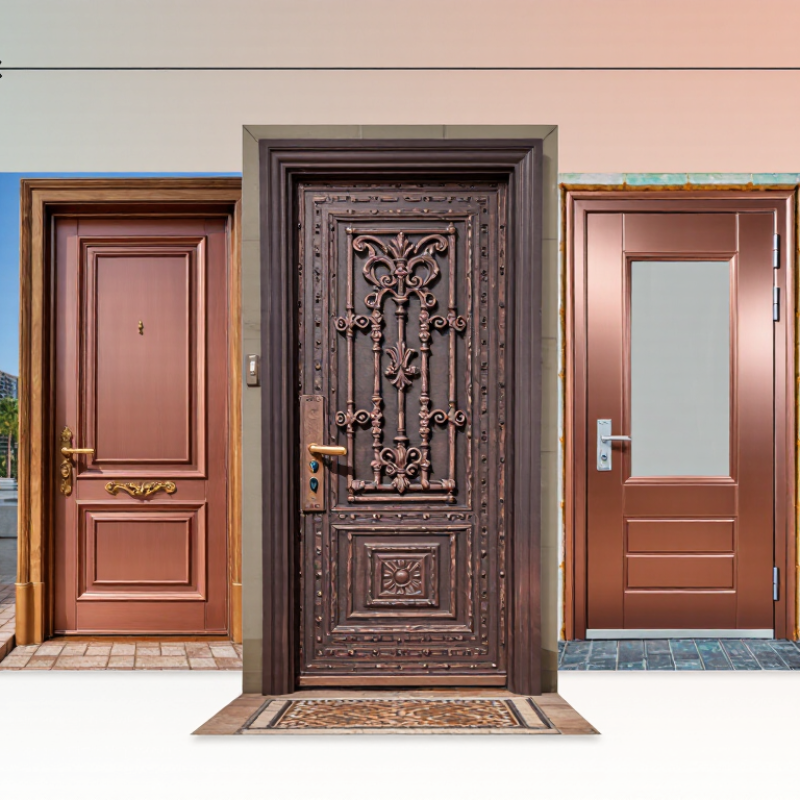
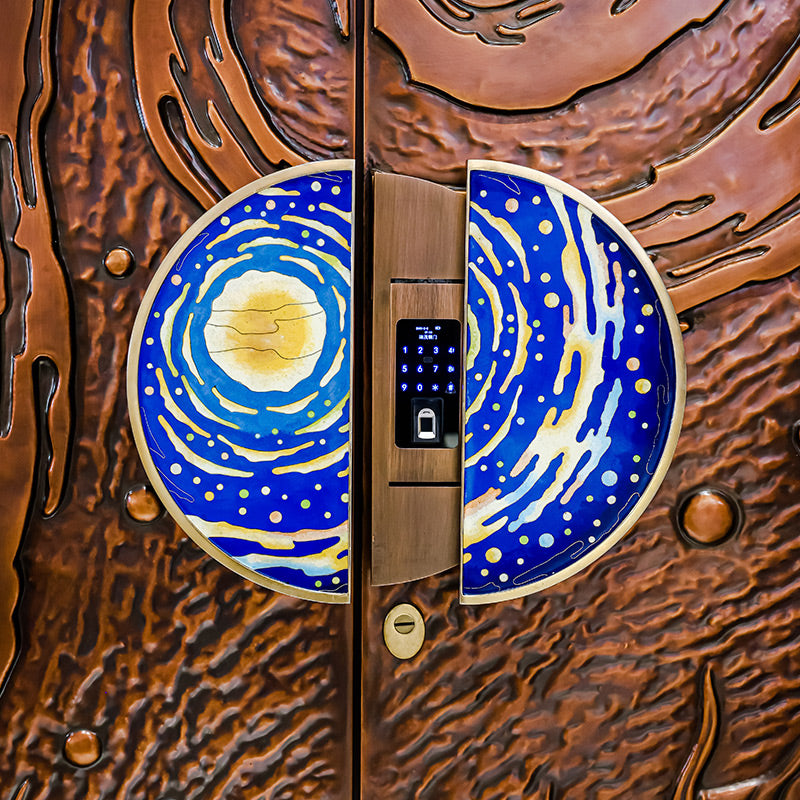
Copper Entrance Door
Copper Doors: Meticulously Crafted with Unparalleled Quality
Lucky Star Artisan Copper Villa Blessing Door
Dynasty Prosperity Artisan Copper Legacy Door
Auspicious Radiance Artisan Copper Legacy Door
Woodgrain Artisan Copper Nature-Infused Door
Artistic Copper Door for Harmonious Homes
Global Artisan Copper World-Inspired Door
Artisan Copper Home Guardian Art Door
Eternal Prime Artisan Copper Heritage Door
Celestial Artisan Copper Villa Stargazing Door
Eternal Summer Artisan Copper Timeflow Door
Auspicious Artisan Copper Heritage Entry Door
Minimalist Artistic Copper Door for Modern Homes
Harmony Circle Artisan Copper Door with Chinese Essence
Nebula Grandeur Artisan Copper Villa Door
Auspicious Star Artisan Copper Blessing Door
Dawn Glow Artisan Copper Flow Door
Sunlit Artisan Copper Villa Radiance Door
Cloisonné Waterdrop Artisan Copper Door
Radiant Artisan Copper Luxe Door
Contemporary Cosmopolitan Artisan Glass-Copper Door
Exquisite Glass-Copper Doors for Shiguan 1 Hao Yuan
Huawei Glass-Infused Artisan Copper Door
Gorgeous Glass Copper Doors for Jinhaihu
Graceful Glass Copper Doors for Yuanyang Wanhe Mansion
Nine Chapters Villa Artisan Glass-Copper Door
Graceful Tropical Glass - Copper Doors for Banshan Banda
Nine Chapters Villa Artisan Copper Courtyard Gate
Sino-Ocean LAVIE Artisan Copper Courtyard Gate
Shimao Xishan Artisan Copper Heritage Gate
Diaoyuntai Cloud-Reaching Artisan Copper Gate
R&F MGM Artisan Copper Entertainment Gate
Hongkun Shanyu Villa Artisan Copper Courtyard Gate
Xiamen Longhu Jinglin Copper Art Villa Gate
Tianjin COB Plaza Artisan Copper Gate
Xian Ziyingtai Artisan Copper Courtyard Gate
Exquisite Copper Gate of Qianshan Mansion
Copper Canopy, Quality Weather Shield
Ancient Charm Copper Carving, Inheritance Of The Millennium Craftsmanship
Copper Art In The Garden, Lighting Up The Beauty Of Nature
Copper Goodies, Indoor Art Show
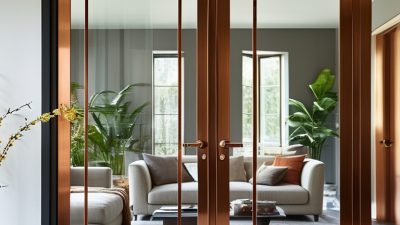
Exquisite Copper Partition, Screen Shows Style
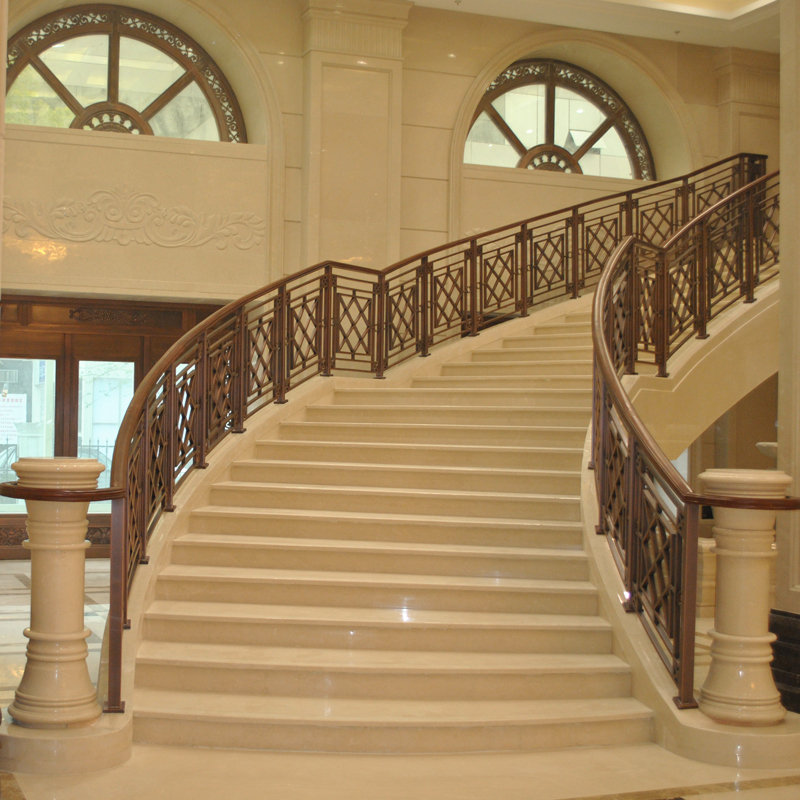
Indoor Copper Balustrade, a New Height Of Elegance 
Choosing the right Copper Door in 2026 requires more than comparing photographs or polished finish samples. Global buyers must examine climate, building use, security expectations, maintenance access, and installation quality. A coastal villa may need different detailing than a city hotel or heritage residence. Even small choices matter. Door thickness, hinge strength, threshold design, and drainage can affect daily performance.
This guide reviews practical copper door types, including solid copper panels, copper-clad timber doors, cast copper designs, and insulated entrance systems. It also considers patina, protective coatings, thermal movement, glazing, hardware, and custom sizing. A well-made Copper Door Entrance Door should open smoothly, resist weather exposure, and support the building’s architectural character. Suppliers such as CopperCraft Doors and Heritage Metalworks may offer different fabrication methods, but buyers should verify specifications independently.
Real projects often reveal the gaps in product descriptions. A dramatic aged finish may change faster in humid air. A heavy panel may require stronger framing than expected. A low-cost quotation may exclude crating, installation guidance, or replacement hardware. These details deserve careful review. Not every “premium” door performs equally well. Buyers should request material samples, section drawings, warranty terms, maintenance instructions, and documented project experience. Local installers should also confirm wall conditions before production begins. That step is easy to skip. It can become expensive later. This overview aims to support informed decisions, while recognizing that regional exposure, workmanship, and long-term care can still change the final result.
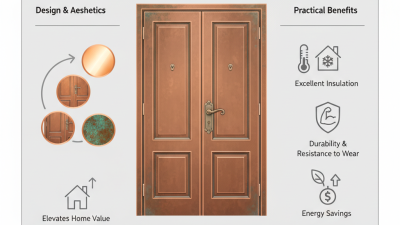
A copper door uses copper as its visible weathering surface, not merely as a decorative handle. Buyers should distinguish solid copper panels, copper-clad doors, and copper-finished steel doors. Copper-clad models usually combine a thin copper sheet with a stable timber, aluminum, or insulated core. They often provide better dimensional control than heavy solid panels.
Copper develops a natural patina through oxygen, moisture, and handling. That changing surface is part of its appeal. It can move from bright orange to brown, then greenish tones. Yet copper is not maintenance-free. Coastal salt, acidic runoff, and incompatible fasteners may cause staining or accelerated corrosion. Proper flashing and isolated fixings matter.
The U.S. Geological Survey reported approximately 22 million metric tons of global copper mine production in 2024, with reserves near 980 million metric tons in its Mineral Commodity Summaries 2025. The International Copper Study Group also continues to track strong refined-copper demand linked to electrification. Material planning therefore deserves attention in 2026. Recycled copper can reduce dependence on newly mined material, but suppliers should provide verifiable composition and recycling records.
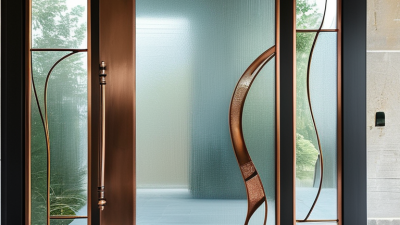
Copper doors bring warmth, weight, and a distinct architectural presence to residential and commercial buildings. Solid copper doors suit villas, heritage homes, and premium entrances where natural patina is valued. A Copper Door Villa Main Door can feature hammered panels, narrow vision glass, or a large pivot design. Over time, its surface may shift from bright copper to brown or green tones. This change is beautiful, but not always predictable.
Copper-clad steel doors offer another practical option. They combine a copper outer layer with a stable structural core, reducing weight and improving dimensional stability. Commercial buildings may require wider double doors, panic hardware, insulated cores, or tested fire-rated assemblies. Door selection should match traffic levels, security needs, climate exposure, and local building codes. Experienced installers also check hinges, thresholds, drainage, and wall conditions before fitting the door. Small installation errors can cause rubbing, water entry, or uneven patina. No door is perfect.
Tips: Request material thickness, core details, finish samples, warranty terms, and test documentation before ordering. Touch a sample in daylight. Colors often look different indoors. For coastal projects, confirm corrosion protection and maintenance requirements. Wipe copper with a soft cloth, avoid harsh chemicals, and inspect exposed hardware regularly. A light protective finish may slow oxidation, but it can wear unevenly around handles and edges. That detail is easy to overlook.
Copper doors can adapt to many architectural designs, but their finish must support the building’s visual language. In projects I have reviewed, hammered copper suits Mediterranean and rustic homes because its uneven surface recalls handmade craft. Smooth copper works better with contemporary façades, especially beside concrete, glass, or dark stone. Aged patina can soften a formal entrance, while polished copper creates a brighter, more expressive focal point.
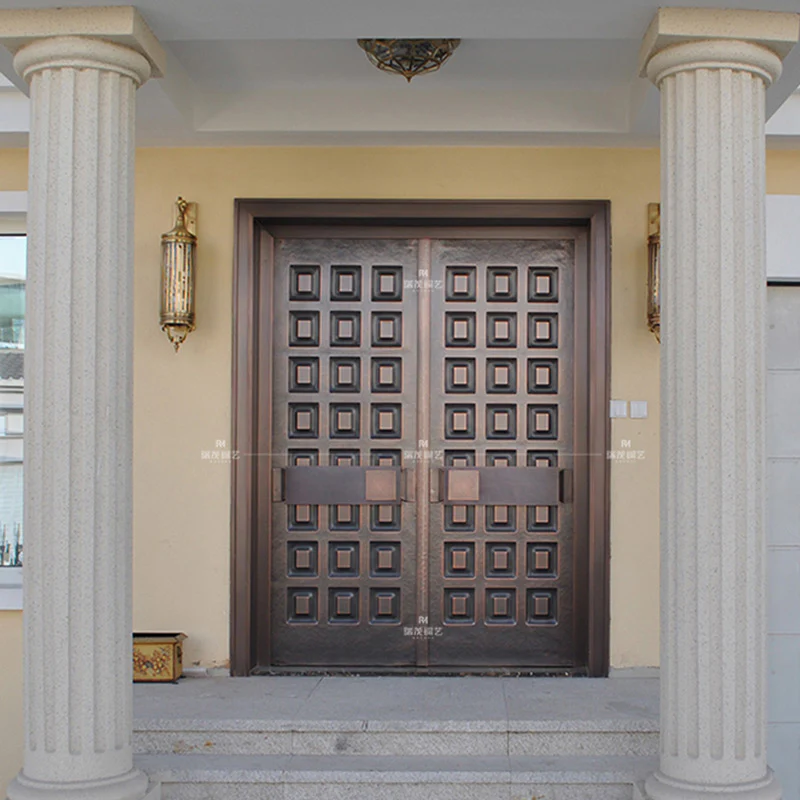
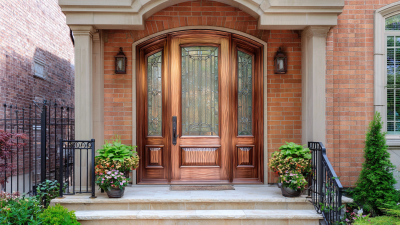
For classical houses, raised panels, arched tops, and decorative studs add suitable weight. A Main Door Double Door configuration fits wide porticos and balanced elevations. Its central seam should align with nearby columns or paving joints. In craftsman-style homes, framed copper panels and modest hardware usually feel more natural than elaborate ornament. Industrial buildings may benefit from flat sheets, exposed fasteners, and deep bronze tones.
Climate changes the decision. Coastal air can accelerate surface changes, so installers should inspect protective coatings and drainage details carefully. Experienced fabricators also check door weight, hinge capacity, threshold height, and thermal movement before installation. Copper expands and contracts; poor allowances may cause rubbing or difficult closing. I have seen beautiful doors lose their balance because the surrounding frame was ignored. That mistake is easy to repeat. Color samples can also mislead under showroom lighting, so viewing them outdoors remains a practical step.
For global buyers, copper doors should be selected by construction, not appearance alone. Solid copper offers rich color and long service life, but it is heavy and costly. Copper-clad doors provide a practical alternative. They use a copper outer skin over a stable timber, aluminum, or engineered core. This reduces weight and limits movement in changing climates.
Material thickness matters. Thin sheets can dent around handles and lower edges. A formed edge gives better protection at busy entrances. The core should resist moisture and temperature changes. In humid regions, sealed joints and concealed drainage are essential. In cold areas, a thermal break can reduce condensation near the frame. Small details matter.
Coatings also change performance. A clear protective finish helps preserve the original copper tone. An untreated surface develops a natural patina, which many owners prefer. It will not age evenly on every elevation. That is normal, but some buyers underestimate the visual difference. Sample panels should be tested outdoors before approval. Indoor samples can mislead.
Hardware must match the door’s weight and exposure. Use corrosion-resistant hinges, adjustable closers, and firmly anchored locks. The threshold should prevent water entry without creating a trip hazard. Frames need accurate tolerances because copper expands and contracts. Oversized decorative hardware may look impressive, yet it can stress the door skin. I would inspect the hinges, seals, drainage, and finish together, not separately. No door is perfect. Good specifications simply make weaknesses visible before installation.
For global buyers, copper doors offer character, but their performance depends on the complete door assembly. Copper naturally develops a protective patina, and the Copper Development Association identifies it as highly resistant to atmospheric corrosion. Coastal salt, however, can darken surfaces faster. That detail matters.
A Double Door Front Door also creates a wider weather-sealing line, requiring precise installation and adjustable hinges.
Maintenance is usually light, not maintenance-free. Wipe the surface with clean water and a soft cloth. Avoid abrasive pads and acidic cleaners. Clear coatings may reduce staining, but they can peel and require renewal.
Security comes from more than copper thickness. Buyers should inspect the core, frame, hinge protection, multipoint lock, and glass. ASTM F476 testing can evaluate swinging door assembly resistance, while the NFRC does not rate burglary protection.
Energy performance deserves careful checking. Copper conducts heat quickly, so thermal breaks and insulated cores are essential. NFRC 100 evaluates U-factor, while NFRC 400 addresses air leakage. These ratings apply to the tested assembly, not copper alone.
The International Energy Agency’s Global Status Report for Buildings and Construction notes that buildings consume roughly 30% of global final energy. A poorly sealed threshold can waste more energy than an attractive metal skin saves. I would not promise identical results across climates; installation quality, shading, humidity, and door orientation can change performance.
Global buyers should compare copper door types by use, not appearance alone. Solid copper doors offer strong visual depth and long service life. Copper-clad doors reduce material use but require careful edge protection. Interior doors may need different moisture and fire performance than exterior assemblies. Confirm the core, copper thickness, joint design, and protective finish in writing.
Supplier evaluation should begin with traceability. Request mill certificates, coating data, sample sections, and recent project references. Check applicable standards, such as EN 14351-1 for external pedestrian doors or ASTM requirements for copper sheet and hardware. Fire-rated assemblies need tested, complete systems, not isolated door components. The U.S. Geological Survey reported about 22 million metric tons of global mined copper production in 2024, showing the scale of the market but not proving material quality. Ask for batch numbers. Small details matter.
Pricing needs a transparent formula. Separate copper content, fabrication, hardware, packaging, freight, duties, and installation. The International Copper Study Group’s October 2024 outlook projected a 194,000-ton refined copper deficit for 2025. That forecast helps explain price volatility, but it cannot justify every surcharge. Compare quotations using the same copper reference date and thickness. A low quote can still be a warning. My own practical view is imperfect: polished samples may hide weak welds, thin corners, or poor sealing. Inspect unfinished edges and request an independent pre-shipment inspection when order value is significant.
When global buyers compare Copper Door types in 2026, climate should guide the decision. A Copper Door near saltwater needs stronger protective treatment and regular inspection. Rain, humidity, and pollution can change the surface faster than expected. Request alloy details, sheet thickness, and finish specifications before approving production. A sample panel exposed outdoors can reveal color changes more honestly than a showroom photograph.
Door structure also affects long-term performance. A solid copper skin over a stable core can reduce weight and improve insulation. Check the frame, hinges, locks, seals, and threshold as one system. An experienced installer should confirm wall measurements, opening direction, drainage, and local fire requirements. Poor alignment may cause rubbing, drafts, or water entry. These problems are often blamed on the material, although installation caused them.
Maintenance expectations deserve equal attention. Some buyers want a bright, polished appearance, while others accept a natural patina. Ask how often cleaning is needed and which products are safe. I have seen attractive finishes become uneven after harsh chemicals were used. My judgment is not perfect, especially when climate data is limited. That is why test samples, written warranties, inspection records, and clear delivery terms matter. Also review packing methods and replacement-part availability. A beautiful door is less useful when damaged hardware takes months to replace.
Frequently considered factors before selecting a copper door
The chart uses a practical 1–10 comparison framework based on construction characteristics. Solid copper doors score highly for durability and design flexibility, while copper-clad wood and steel doors can offer better insulation compatibility and lower initial cost. Final selection should also consider climate, security requirements, maintenance expectations, door dimensions, and local building standards.
Solid copper doors suit villas, heritage homes, and prominent entrances. Copper-clad doors reduce weight and improve stability. Hammered panels feel rustic, while smooth surfaces suit modern façades.
Double doors work well at wide entrances, porticos, and balanced façades. Align the center seam with columns or paving joints. Measure carefully; visual imbalance is easy to notice.
Bright copper may become brown, bronze, or green. Untreated surfaces usually develop natural patina. The change may differ between shaded and exposed elevations.
Solid copper offers rich color and long service life, but it is heavy and expensive. Copper-clad doors use a copper outer skin over a stable core. This design can reduce movement and installation stress.
Request copper thickness, core details, finish samples, warranty terms, and test documents. Thin sheets may dent near handles and lower edges. Formed edges provide extra protection.
Use corrosion-resistant hinges, adjustable closers, and firmly anchored locks. Hardware must match the door’s weight and climate exposure. Oversized fittings can stress the copper skin.
Confirm corrosion protection, sealed joints, and effective drainage. Inspect exposed hardware regularly. Salt air can accelerate surface changes, even with a protective finish.
Wipe the surface with a soft cloth. Avoid harsh chemicals and inspect seals, hinges, thresholds, and handles. A clear finish may slow oxidation, but it can wear unevenly.
Installers should check wall conditions, hinge capacity, frame tolerances, and threshold height. Copper expands and contracts with temperature. Small errors can cause rubbing, water entry, or difficult closing.
Not always. Showroom lighting can hide subtle tones and texture. View sample panels outdoors before approving the finish. I would not trust one indoor sample alone.
In 2026, a Copper Door remains a distinctive choice for residential, commercial, and hospitality buildings because it combines visual warmth, long service life, and strong design flexibility. This overview explains how solid copper, copper-clad, and customized door systems differ, and how finishes, protective coatings, glazing, hinges, locks, insulation, and structural construction affect overall performance. It also considers how styles such as traditional, modern, industrial, and minimalist designs can be matched with suitable copper textures, colors, and architectural details.
For global buyers, selecting the right Copper Door requires more than comparing appearance and initial price. Important factors include corrosion resistance, maintenance requirements, security features, thermal and acoustic performance, installation conditions, customization capability, quality control, documentation, and compliance with applicable regional standards. Buyers should evaluate supplier experience, material consistency, production methods, packaging, delivery timelines, after-sales support, and total lifecycle cost. By balancing design goals, building conditions, performance expectations, and budget, purchasers can make a practical and informed decision for long-term value.