Leave Your Message
0%

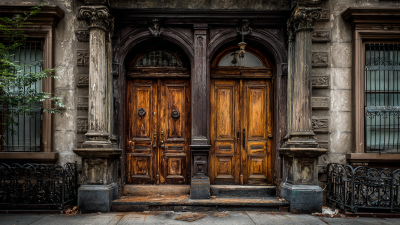
In 2026, Antique Front Doors are turning into real architectural choices for buyers around the world—not just pretty entrances. A good old door can show its age in a good way: hand-cut panels, aged oak, wrought-iron hinges, uneven patina. That kind of presence is something factory-made replicas usually can’t quite fake. But here’s the thing—beauty still needs proof. A convincing surface doesn’t always mean real age.

This guide looks at leading Antique Front Doors through practical experience and careful sourcing. We’re talking timber condition, joinery, hardware, dimensions, restoration quality, and long-term upkeep. Buyers should ask for clear photos, measured drawings, treatment records, and reliable provenance when it’s available. Little details matter. Old tool marks can point to traditional workmanship. Fresh screws might mean later repairs. And a slightly wonky frame? It may need professional adjustment before installation.

Buying globally takes realistic planning, too. Climate affects wood movement, finishes, and structural stability. Humid coastal areas need different protection than dry inland places. Door thickness, swing direction, glazing, insulation, and compatible locking systems should line up with local building rules. Specialist installers can check these things before payment and shipment. That’s a pretty important safeguard.

Some historic doors have been heavily restored, and their stories may still be incomplete. That doesn’t automatically make them less valuable, but it should be said honestly. The most dependable sellers explain what’s original, what’s replaced, what’s been stabilized, and what’s reproduced. This article highlights promising 2026 options while admitting that “perfectly preserved” is often a bit optimistic. Careful judgment still matters.

2026 Top Antique Front Doors for Global Buyers

Antique Front Doors: Definition, History, and Global Appeal

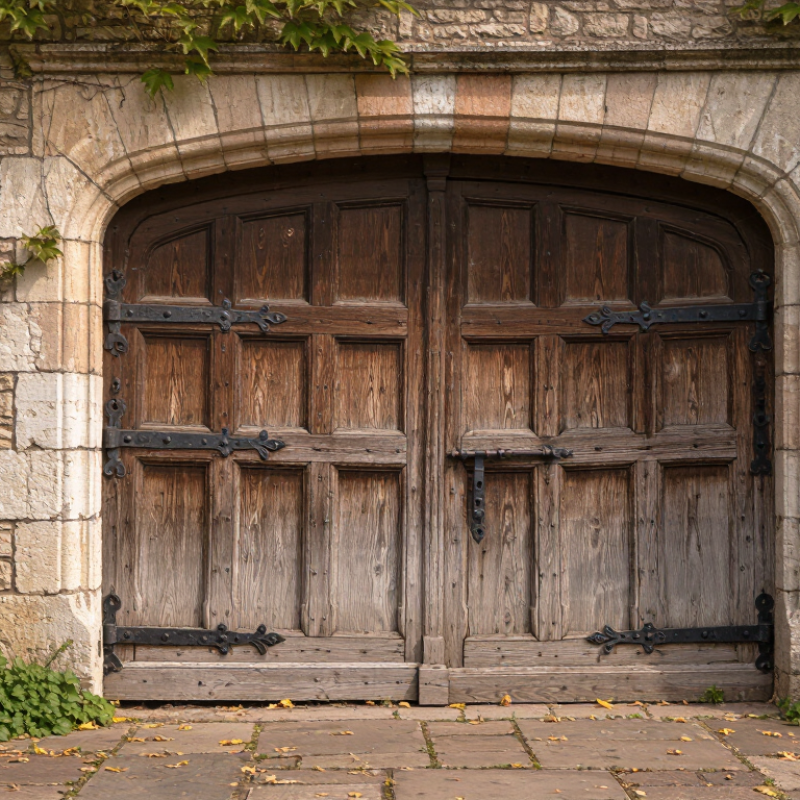
An antique front door is usually an older entry door valued for its age, materials, craftsmanship, and visible history. Age alone does not make a door antique. A hand-carved oak panel, forged hinges, worn thresholds, and layered paint may reveal its real character. In practice, the term can be imprecise. Buyers should ask about origin, construction, repairs, and documented age.

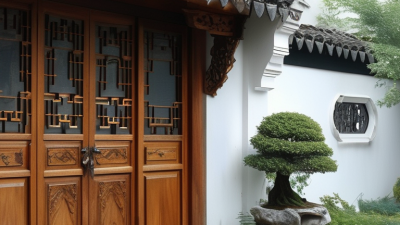
Historically, front doors reflected local climate, security needs, and social customs. European cottage doors often used thick timber and iron straps. Mediterranean examples may feature carved panels, warm colors, and smaller openings. In parts of Asia, traditional doors used balanced proportions, symbolic patterns, and durable hardwoods. These details help researchers connect a door with a region and period, although restoration can blur the evidence.

Global buyers value antique doors because they bring texture into modern buildings. A weathered surface can soften a clean stone entrance. A deep wood grain can make a narrow hallway feel warmer. Yet appearance is only part of the decision. Check for insect damage, twisting, moisture marks, and safe hardware installation. Measure the frame carefully, including swing direction and wall thickness. Some old doors need discreet reinforcement or a custom inner door. That can reduce originality, and honestly, not every “antique” door deserves preservation. Careful buyers accept this tension while choosing pieces with sound structure, traceable history, and practical future use.

Key Architectural Styles Found in Antique Front Doors

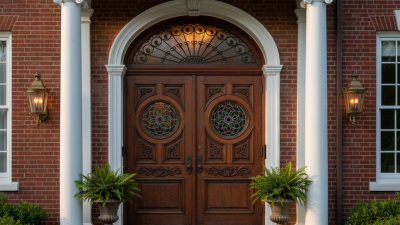
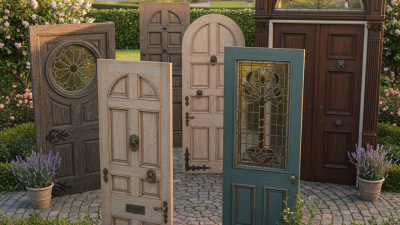
Antique Exterior Doors reveal a property’s history through proportion, joinery, and surface wear. Georgian doors often use balanced panels, fanlights, and restrained ornament. Victorian examples may feature stained glass, carved mouldings, and narrow sidelights. Art Deco doors introduce geometric glazing and stepped profiles. Mediterranean styles favor heavy timber, ironwork, and arched openings. Craftsman doors usually show simple panels, visible grain, and practical sidelights.

The National Association of Realtors’ 2022 Remodeling Impact Report recorded a 100% cost recovery for steel entry-door replacement. That figure is not a valuation for antique doors, but it confirms the financial importance of a well-chosen entrance. For global buyers, construction evidence matters more than decoration. Check mortise joints, wood species, glazing condition, hinge spacing, and previous repairs. A door can look historic while containing modern alterations. I would not call every distressed door antique.

Tips: Measure the opening, wall thickness, swing direction, and threshold before purchase. Photograph every edge. Ask for moisture readings and repair records. Preserve original patina where possible, but replace unsafe glass and weakened hardware through qualified specialists. Climate also changes the decision: humid regions demand careful sealing, while dry interiors may cause old timber to shrink. Antique doors are rarely perfectly uniform. That imperfection can be valuable, but it should never hide structural weakness.

Materials, Craftsmanship, and Authenticity Indicators

For global buyers, an antique front door should be judged as a working architectural object, not decoration. Timber species, age, repairs, and climate history affect its performance. Old oak often shows tight grain, hand-cut joints, and uneven shrinkage. That unevenness can be honest. A perfectly uniform surface may indicate later finishing or replacement boards. Inspect the threshold, hinge pockets, and lower rails, where moisture leaves evidence.

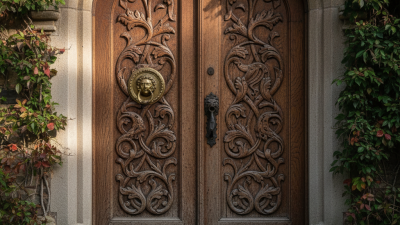
Craftsmanship appears in mortise-and-tenon joints, forged fasteners, and tool marks beneath paint. Ask for measurements at several points; handmade doors rarely remain perfectly square. A seller should distinguish original glass, locks, panels, and added hardware. Photographs of the edges matter more than polished front views. For example, a dark patina on a Copper Antique Kettle may look attractive, but color alone proves little. On a door, authentic oxidation should follow exposed areas, not appear evenly brushed across every surface.

Reliable documentation includes clear provenance, restoration dates, material notes, and current condition reports. I also check whether old repairs still support daily use. Some flaws deserve caution. Soft timber, active insect damage, or hidden splits can create expensive surprises after delivery. Request a video showing the door opening, closing, and meeting its frame. I have learned that authenticity is not the same as perfection; honest uncertainty should be recorded, not disguised.

2026 Top Antique Front Doors for Global Buyers - Materials, Craftsmanship, and Authenticity Indicators

Historical Style / Period Typical Original Materials Characteristic Craftsmanship Authenticity Indicators Important Buyer Checks Global Buyer Suitability
Georgian
Approximately 1714–1830
Oak, pine, mahogany, and other regionally available hardwoods Balanced proportions, raised or fielded panels, hand-planed surfaces, mortise-and-tenon construction, and restrained mouldings Irregular hand-tool marks, aged end grain, traditional pegged joints, old repairs, and naturally uneven panel shrinkage Check for concealed splice repairs, excessive sanding, replacement stiles, woodworm activity, and whether the door has been shortened Well suited to period residences; verify local fire, security, and weatherproofing requirements before installation
Regency
Approximately 1811–1820
Painted softwood, oak, mahogany, and occasionally imported decorative veneers Refined symmetry, slim panels, reeded or fluted details, carefully aligned mouldings, and comparatively formal proportions Consistent period geometry, aged finishes beneath later paint, hand-cut joinery, and compatible historic hardware marks Confirm that decorative elements are not later reproductions; inspect veneer lifting, split rails, and moisture damage Suitable for formal townhouses and heritage renovations where a symmetrical entrance is required
Victorian
Approximately 1837–1901
Pine, oak, mahogany, walnut, and painted softwood Panelled doors, deep mouldings, carved ornament, stained or etched glass, and machine-assisted production alongside hand finishing Period glass irregularities, aged putty lines, compatible screw and nail evidence, layered paint history, and construction consistent with the stated date Test glazing stability, leaded-glass condition, frame squareness, paint hazards, and whether modern glass has replaced the original A versatile choice for many historic properties; glazing may require specialist packing and insurance during international shipping
Arts and Crafts
Approximately 1880–1920
Oak, ash, chestnut, elm, and other visibly grained native woods Exposed joinery, vertical emphasis, pegged or wedged joints, simple panel layouts, hand-forged fittings, and emphasis on material character Visible construction logic, tool marks in protected areas, traditional wedges or pegs, naturally varied grain, and an aged low-sheen finish Look for modern machine-cut replicas, artificial distressing, loose pegs, fungal decay, and incompatible replacement hardware Strong option for buyers seeking visible craftsmanship and relatively straightforward restoration
Edwardian
Approximately 1901–1910
Painted pine, oak, mahogany, and stained hardwoods Lighter proportions than many Victorian examples, restrained panel work, glazed upper sections, and a combination of hand and factory production Period glazing patterns, aged paint layers, early machine marks combined with hand finishing, and original hinge or lock positions Measure the original frame, check for modern replacement rails, and assess whether the glass meets current safety standards Practical for urban heritage homes and projects needing a lighter, less ornate appearance
Art Nouveau
Approximately 1890–1914
Oak, mahogany, walnut, stained glass, and decorative metalwork Organic curves, flowing lines, floral motifs, shaped glazing bars, and integrated decorative hardware Consistent botanical design language, period glass textures, hand-finished carving, and coherent ageing across wood, glass, and metal Check whether carved details are original, inspect glass cames and solder joints, and confirm that curved components are structurally sound Distinctive for feature entrances; specialist restoration may be needed for curved or leaded-glass elements
Art Deco
Approximately 1920s–1930s
Oak, walnut, mahogany, plywood panels, opaque or geometric glass, and chrome or brass fittings Geometric composition, stepped profiles, sunburst or fan motifs, streamlined panels, and precise factory joinery Period geometric proportions, aged lacquer or paint, original glazing patterns, and hardware whose wear corresponds with the door Inspect veneer edges, delamination, replacement glass, corrosion beneath plating, and modifications for modern locks A good fit for interwar properties and contemporary interiors that benefit from a strong geometric focal point
Traditional Plank-and-Brace
Used across several historic periods and regions
Oak, elm, chestnut, pine, teak, or other locally suitable timber depending on region Vertical boards, horizontal ledges, diagonal braces, forged strap hinges, and straightforward functional construction Uneven board widths, aged fastener holes, traditional wrought-iron fittings, authentic end-grain weathering, and hand-worked surfaces Check board movement, brace integrity, insect damage, water absorption, and compatibility with the target climate Suitable for rural, cottage, barn-conversion, and rustic architectural settings; may require a secondary weather door
Reclaimed Architectural Door
Age varies; provenance must be established
Usually reclaimed solid timber, sometimes combined with historic glass, metal, or later repair pieces May retain original joinery, patching, multiple paint layers, altered openings, and evidence of previous installation Documented chain of custody, consistent wear patterns, old hinge and lock cut-outs, aged repairs, and independent condition photographs Treat “antique” as unverified until supported by measurements, photographs, construction analysis, and a written provenance statement Broadest design flexibility, but the greatest need for professional inspection before cross-border purchase
Authenticity and import note: Age cannot be established reliably from patina alone. Global buyers should request clear photographs of end grain, joints, hardware cut-outs, repairs, glazing, and all four edges; verify dimensions in millimetres; obtain a written condition report; and confirm customs, timber-treatment, fumigation, heritage, and safety-glazing requirements in the destination country.

How to Evaluate Size, Condition, and Restoration Needs

2026 Top Antique Front Doors for Global Buyers

When evaluating an antique front door, measure the slab, frame, hinges, and threshold separately. A listed width may exclude the frame. Record measurements in millimetres and inches. Check whether the door opens inward or outward. Older homes often have uneven openings, so modern measurements may not fit.

Condition matters more than decoration. Look for active woodworm, soft timber, deep splits, rusted fasteners, and warped edges. Tap suspicious areas gently with a wooden handle. A dull sound can suggest hidden decay, but this test is not conclusive. Examine joints closely. Original glass, carved panels, and handmade hardware can add value, yet fragile parts may increase shipping risks. I have seen beautiful doors require more repair than expected. Photographs rarely reveal every weakness.

Tips: Request close-up images of corners, hinges, the lower rail, and the reverse side. Ask for moisture readings and previous repair details. If old paint is flaking, use a qualified professional before sanding or stripping. Some historic coatings may require careful handling under local safety rules. For scale, place a familiar object, such as an Antique Copper Tea Pot, beside small hardware photos. Confirm restoration costs, packing standards, import requirements, and insurance before payment. A conservator’s written assessment is worth considering when the door has rare materials or extensive alterations.

Global Sourcing, Shipping, and Import Considerations

2026 Top Antique Front Doors for Global Buyers

For global buyers, an antique front door is both architecture and a regulated shipment. Measure the slab, frame, hinges, threshold, and crate clearance before paying. I recommend photographed condition reports, moisture readings, and a written provenance file. A provenance file supports due diligence, but it is not absolute proof. Small gaps become expensive when restoration and freight are separated. Keep it practical.

UNCTAD’s Review of Maritime Transport 2023 states that more than 80% of world merchandise trade by volume moves by sea. That makes container planning central, not decorative. Use a moisture-resistant crate, internal bracing, shock indicators, and clear lifting points. ISPM 15 rules may apply to solid-wood packaging, depending on origin and destination. Ask for treatment marks and packaging records. The wrong crate can delay release.

Import costs include purchase price, freight, insurance, duties, value-added tax, broker fees, storage, and inland delivery. Customs classification should match the door’s material, age, condition, and intended use. Check cultural-property controls and export documents before funds move. A customs broker can verify destination requirements, but the buyer remains responsible for accurate paperwork. The World Bank’s Logistics Performance Index 2023 evaluates customs, infrastructure, international shipments, logistics competence, tracking, and timeliness. Its framework exposes a weak link: a fast vessel cannot fix incomplete documents. I would allow schedule margin. Real shipments rarely behave perfectly.

Installation, Security, and Long-Term Maintenance Requirements

2026 Top Antique Front Doors for Global Buyers
Installation, Security, and Long-Term Maintenance Requirements

Choosing an antique front door requires more than attractive carving. A hand-finished timber door may hide warped panels, weak joints, or outdated hardware. Before ordering, measure the opening, wall thickness, threshold, and swing direction carefully. Older buildings often have uneven frames. Request detailed drawings and verified measurements from an experienced installer. Bronze Antique Statues can complement the entrance, but they should not obstruct the doorway or emergency access. Confirm that the door’s materials suit your local climate. Humid coastal air, heavy rain, and intense sunlight demand different protective treatments.

Security deserves equal attention. Use a reinforced frame, reliable hinges, and a modern locking system that meets local building requirements. Solid doors offer privacy, but they can be extremely heavy. The wall must support the full load. Tempered or laminated glass is safer than ordinary glass when glazing is included. Never rely on decorative fittings alone. A beautiful door can still be vulnerable.

Tips:

Clean dust with a soft, dry cloth. Inspect joints, hinges, seals, and the threshold twice yearly. Apply a suitable protective finish before exposed wood begins cracking. Keep water away from the lower edge. Small problems grow quickly. I have learned that even careful installations need adjustment after seasonal movement. Leave room for inspection and future repairs, rather than sealing every part permanently.

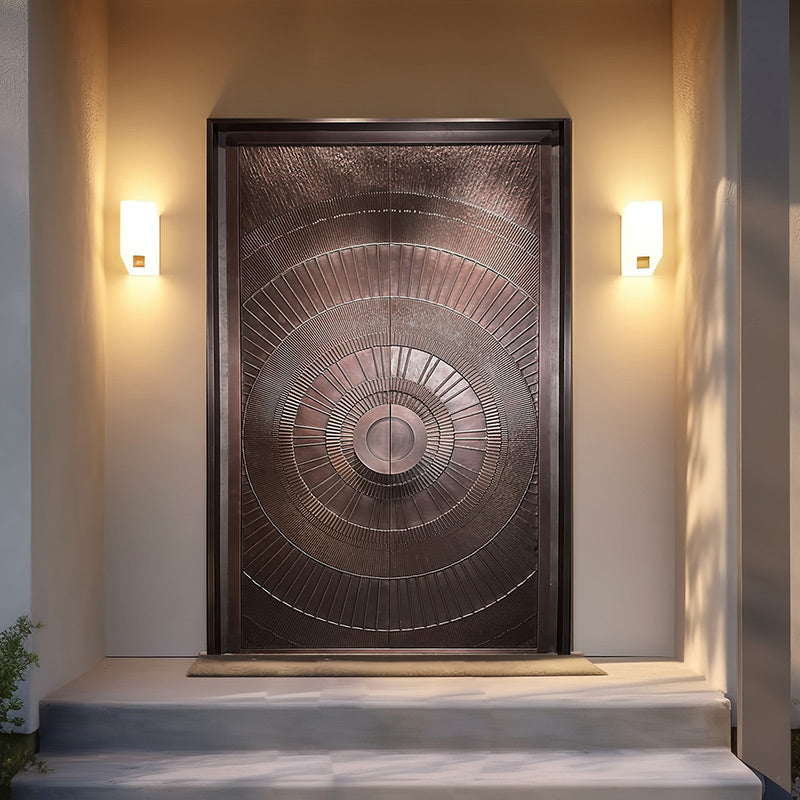
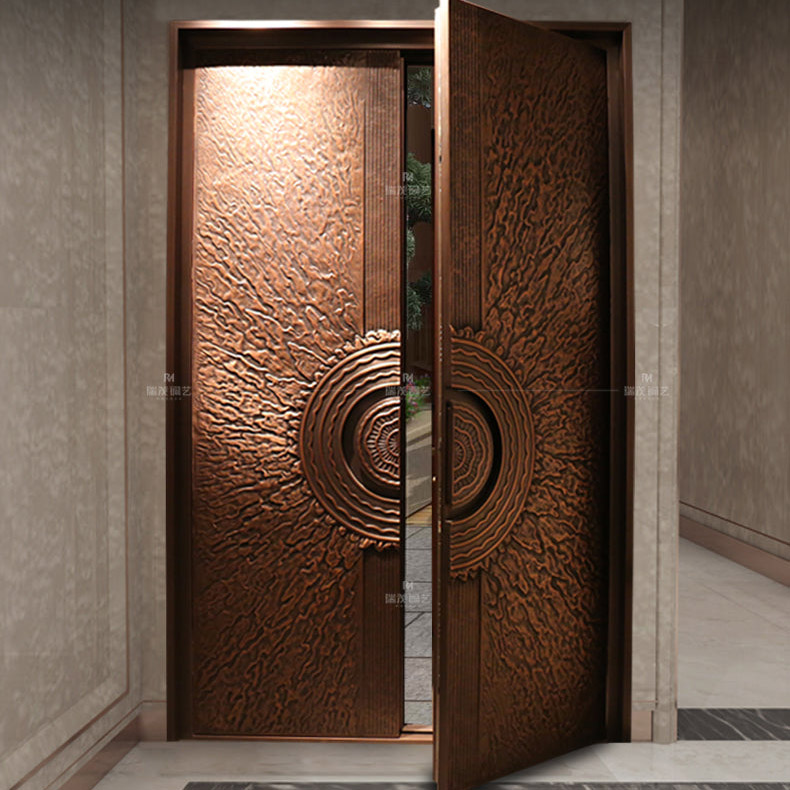
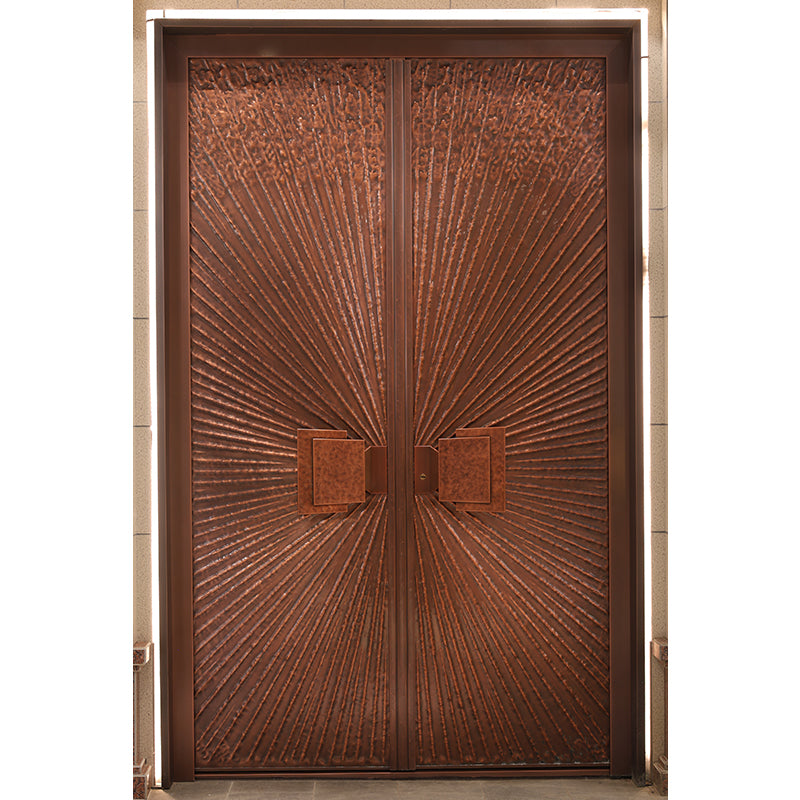
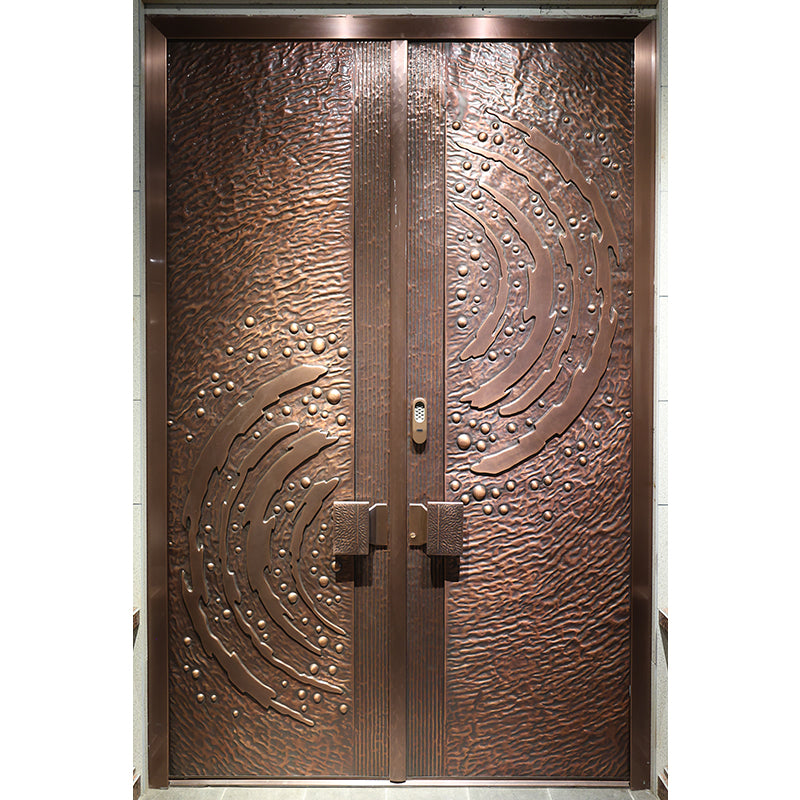
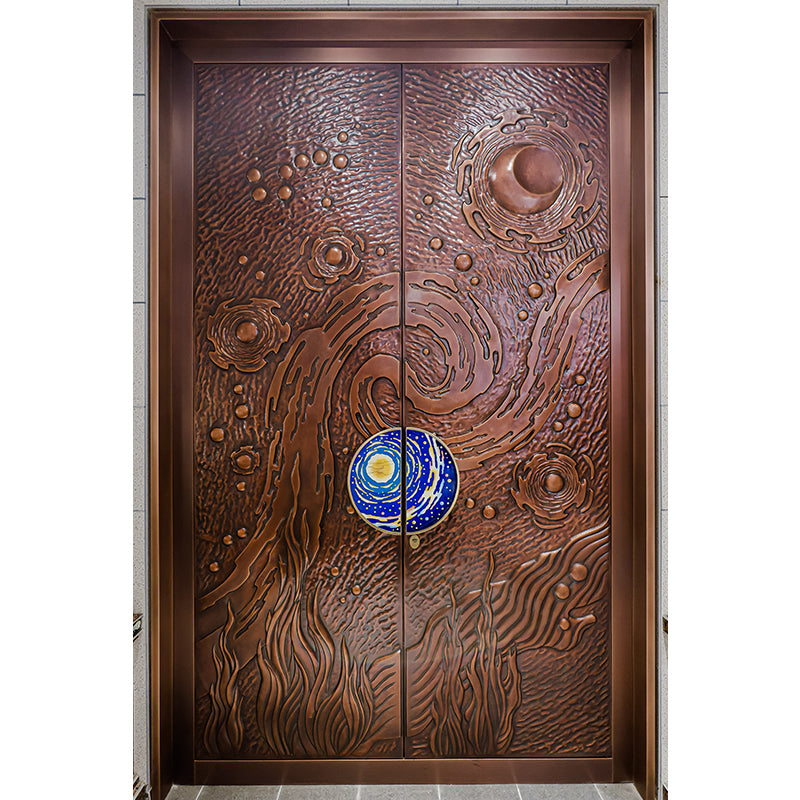
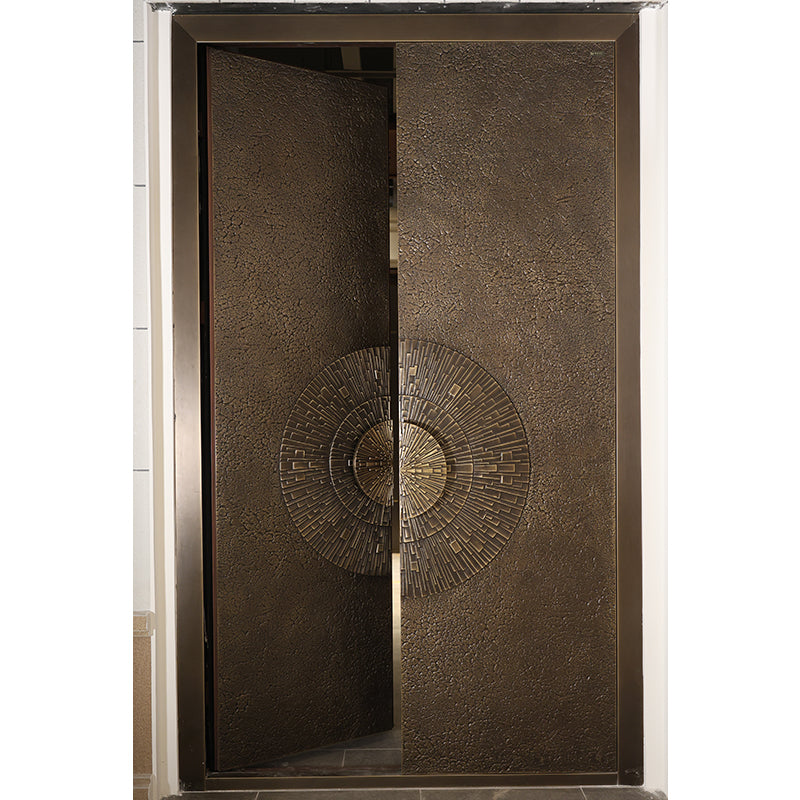
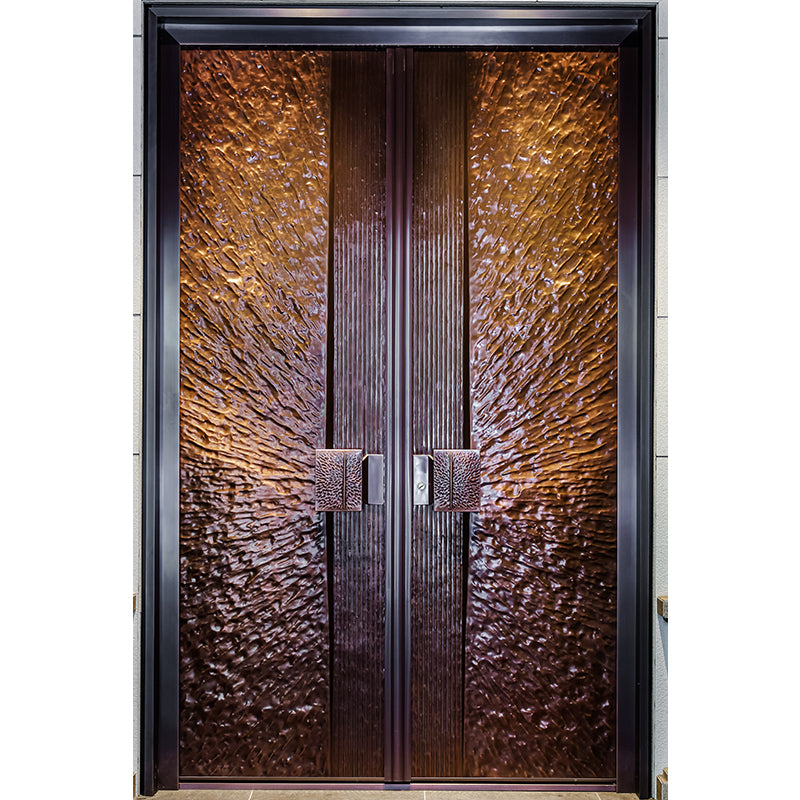
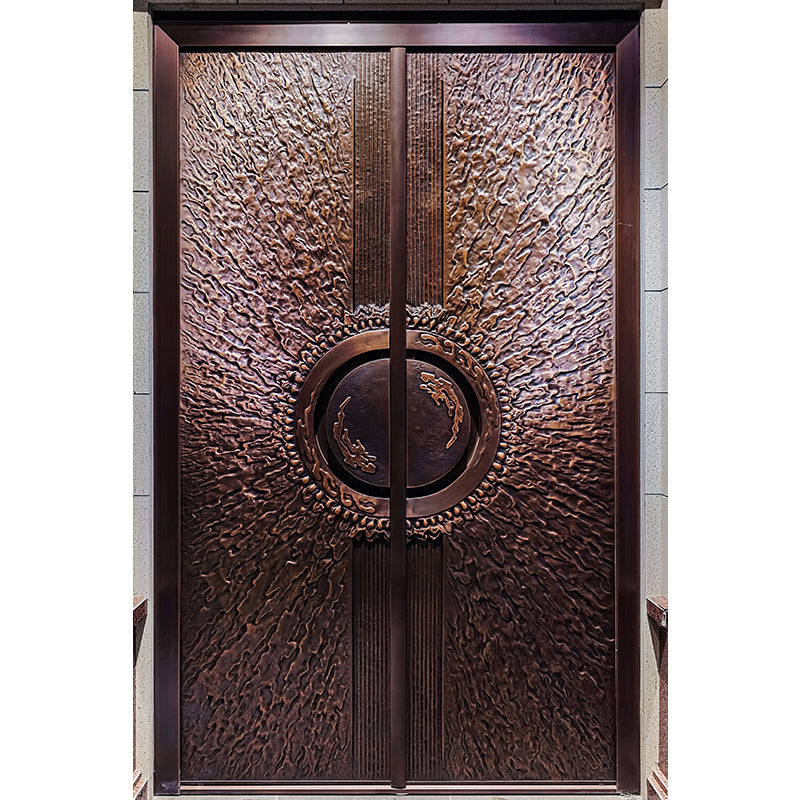
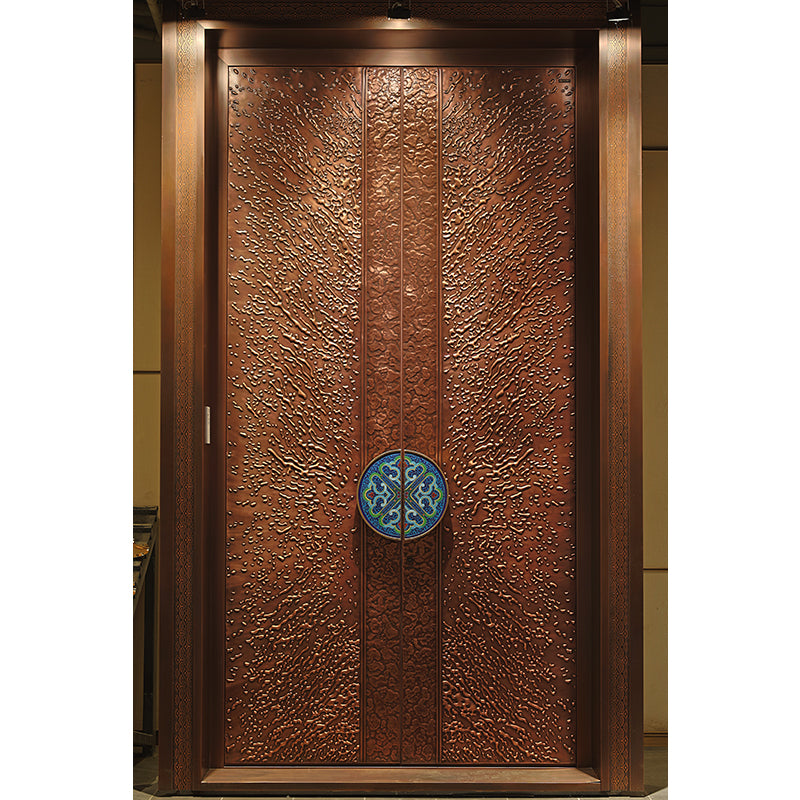
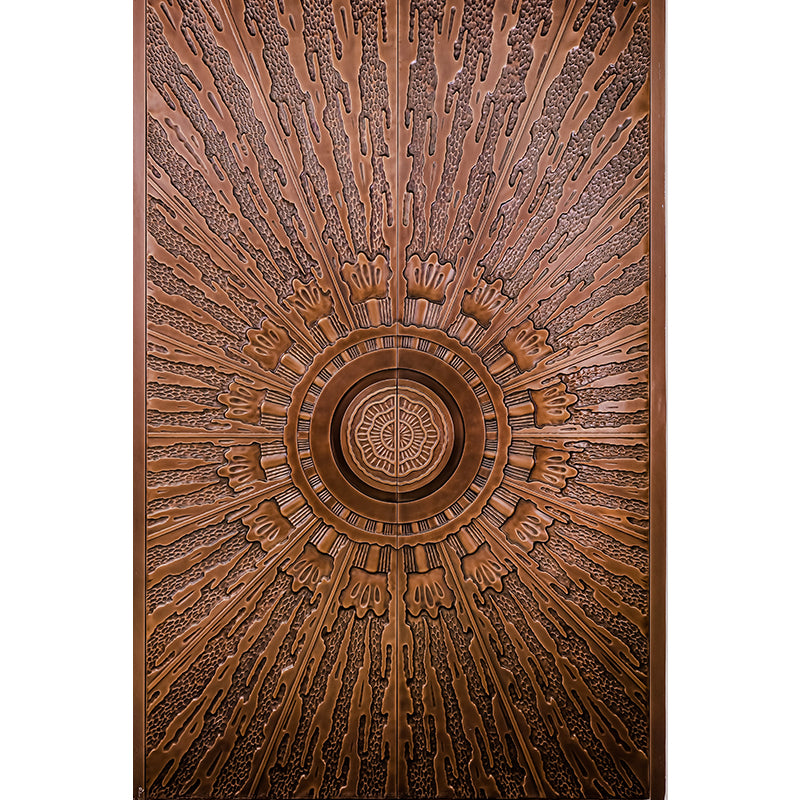
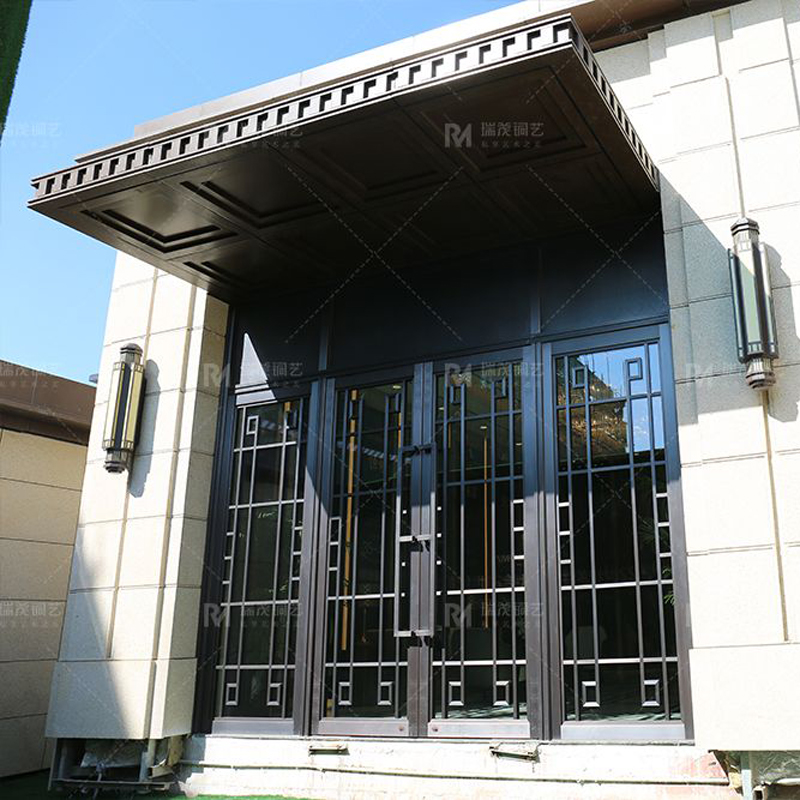
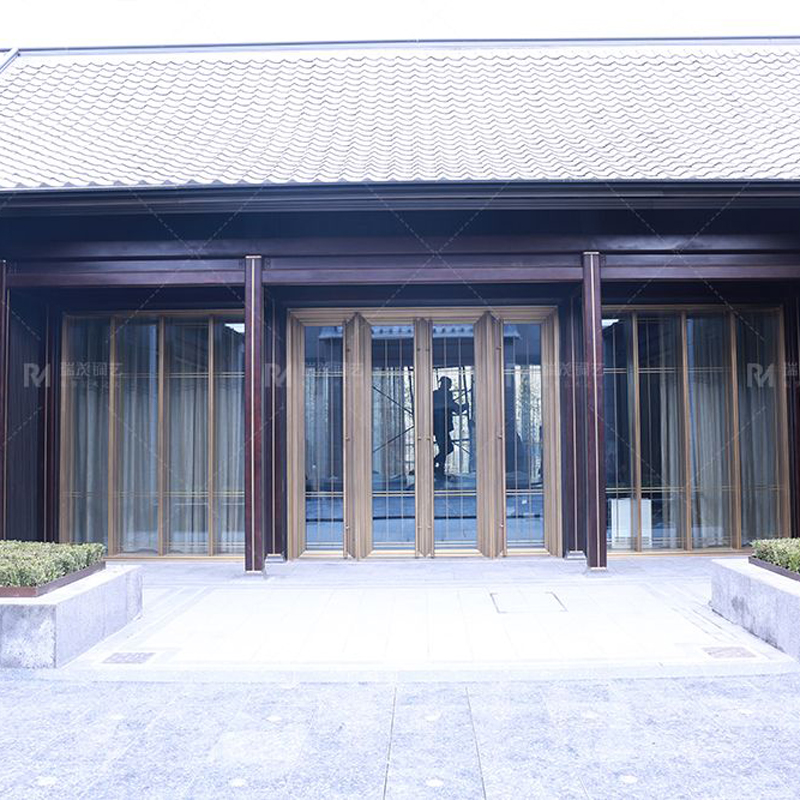
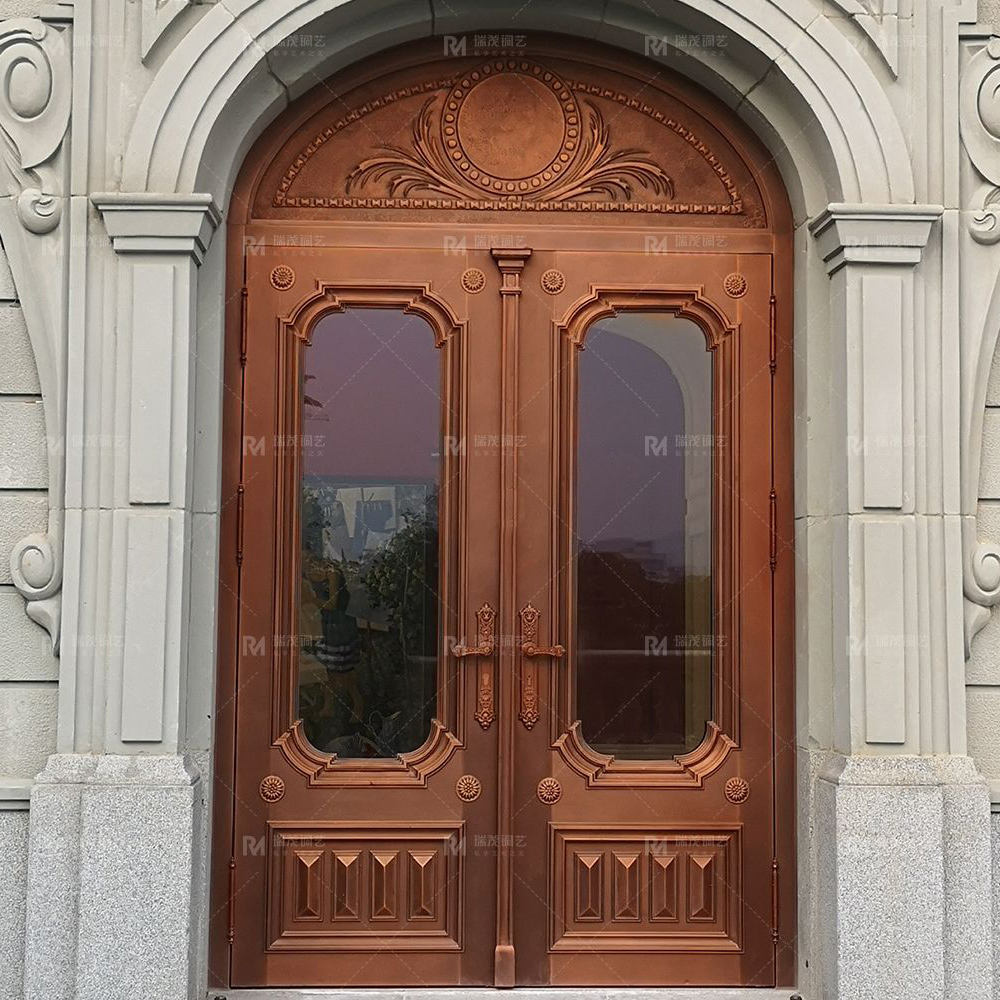
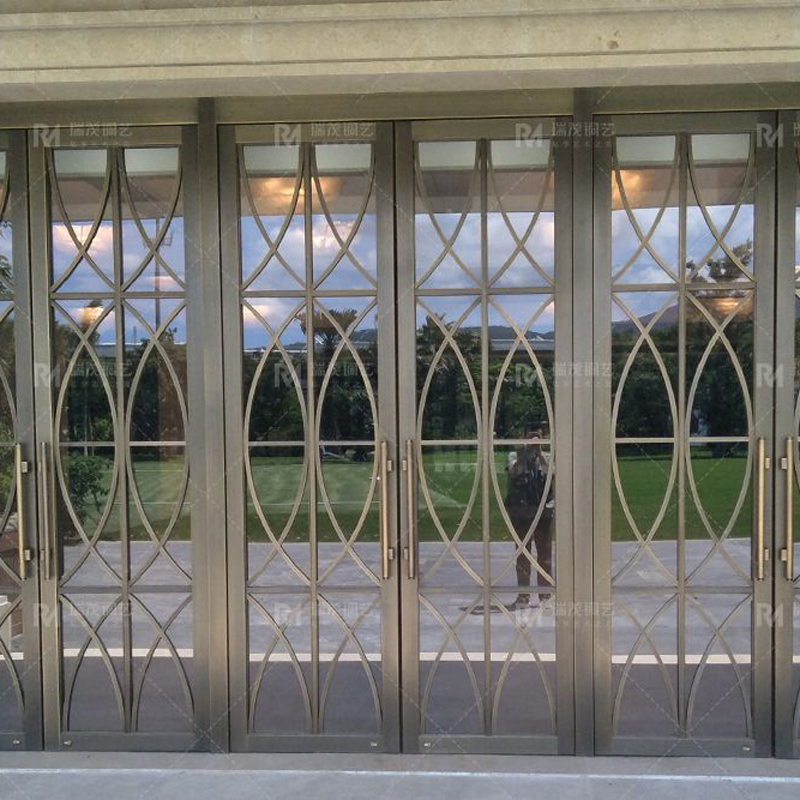
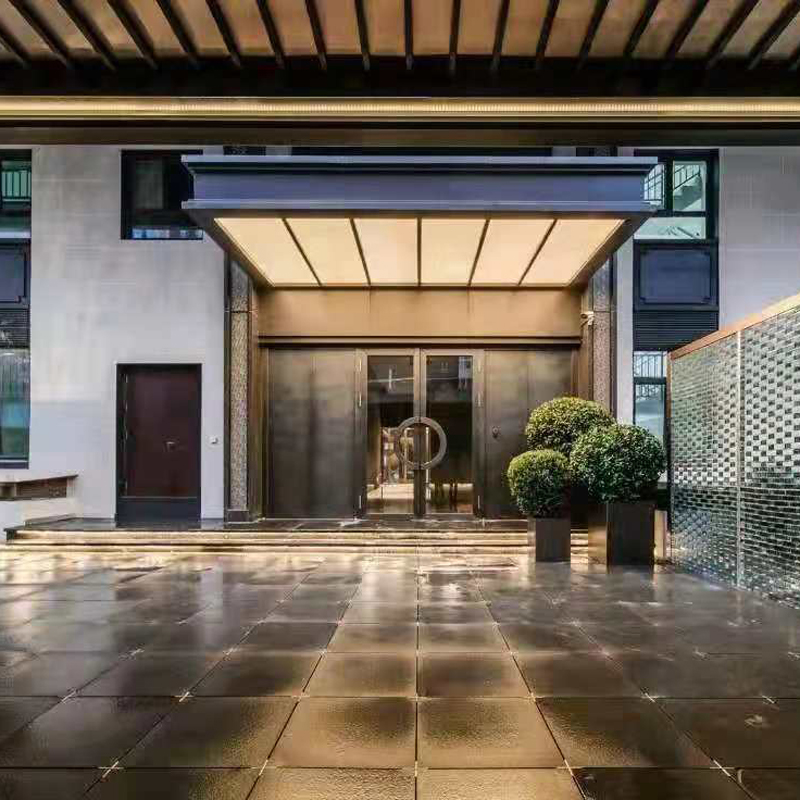
Designing Elegance: Exquisite Glass-Copper Doors for Shiguan 1 Hao Yuan

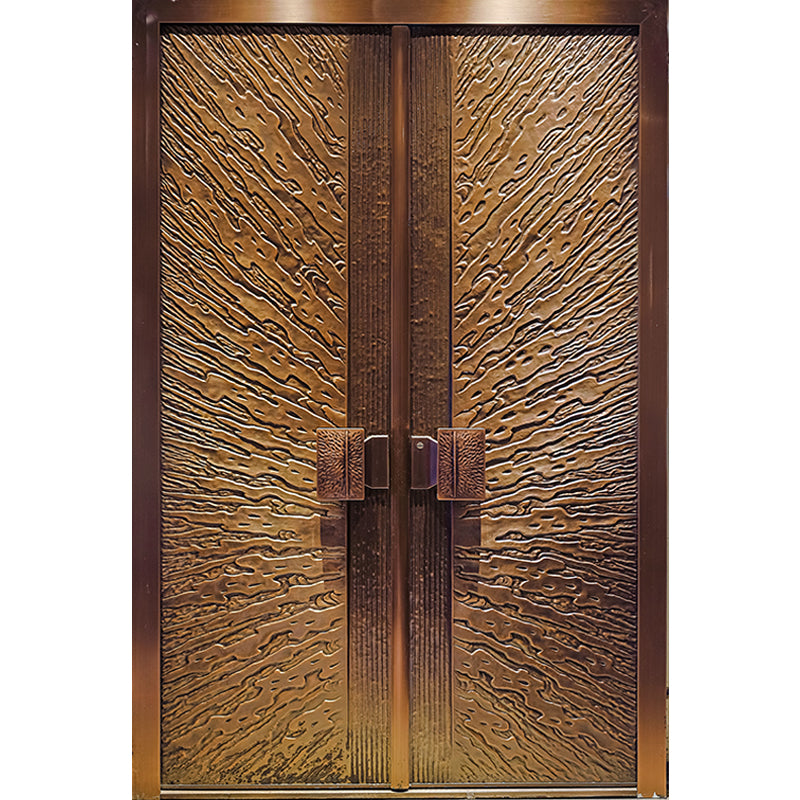
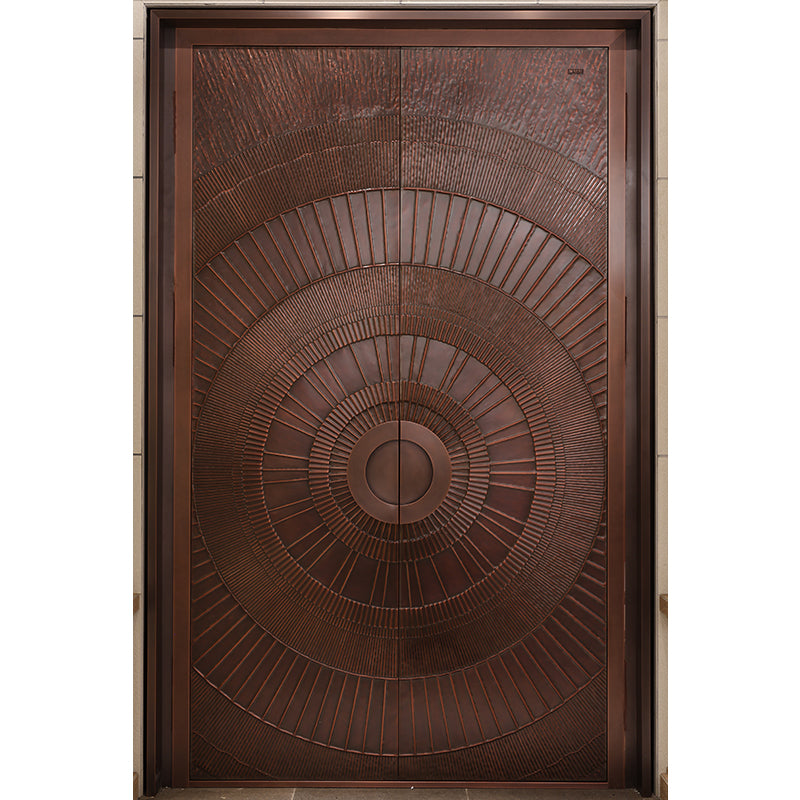
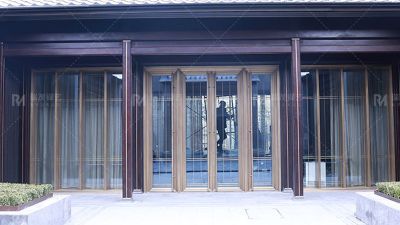
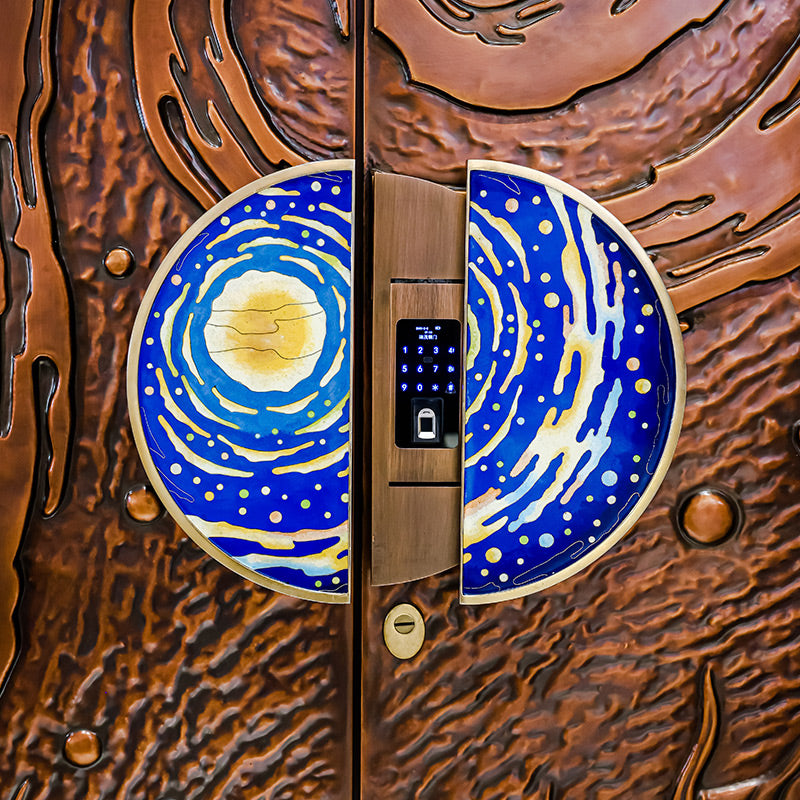
Designed for Shiguan 1 Hao Yuan, this exquisite glass-Copper Door presents a refined balance between architectural dignity and advanced craftsmanship. Selected high-grade copper forms a strong, durable structure with excellent resistance to wear and deformation, making it suitable for frequent daily use. Its carefully polished surface reveals a smooth, reflective finish, while specialized protective treatment helps preserve its warm metallic glow over time. Paired with clear glass, the door introduces natural light while maintaining a sense of privacy and a distinguished entrance atmosphere.

The design is defined by an elegant texture sculpture inspired by geometric forms. Smooth, flowing lines connect the patterns in a measured rhythm, creating visual depth without compromising the simplicity of the overall composition. Every detail reflects a thoughtful interpretation of modern aesthetics, allowing the door to complement both contemporary minimalist interiors and refined new Chinese-style residences. Its balanced combination of transparency, solid copper texture, and artistic detailing enhances the entrance, giving the courtyard a more spacious, graceful, and sophisticated character.

FAQS

What makes a front door genuinely antique?

Age alone is not enough. Look for older materials, skilled joinery, worn thresholds, and documented history. Patina helps, but it can mislead.

Why do people value antique front doors?

They add texture, warmth, and visible history to modern entrances. Deep wood grain can soften a narrow hallway. Beauty is only part.

Which details can reveal a door’s region or period?

Thick timber and iron straps may suggest European cottage traditions. Carved panels and warm colors often appear in Mediterranean examples. Regional clues can overlap.

What architectural styles are common in antique doors?

Georgian doors often have balanced panels and fanlights. Victorian doors may include stained glass and carved mouldings. Art Deco looks geometric.

What should buyers inspect before purchasing?

Check insect damage, twisting, moisture marks, hinge spacing, and previous repairs. Examine mortise joints and the glazing condition. Photograph every edge.

Which measurements are essential?

Measure the opening, wall thickness, threshold, and swing direction. Confirm whether the door swings inward or outward. Small errors become expensive.

Can an antique door be safely used today?

Sometimes, but it may need discreet reinforcement or a custom inner door. Unsafe glass and weakened hardware require qualified attention. Originality may decrease.

How does climate affect an antique door?

Humid areas need careful sealing against moisture. Dry interiors can make old timber shrink and create gaps. Wood keeps moving.

Should every distressed door be preserved?

No. A worn surface does not prove historical value or sound structure. Choose doors with traceable history and practical future use. I would remain skeptical.

Conclusion

Antique Front Doors combine historical character, architectural artistry, and practical value, making them appealing to global buyers seeking a distinctive entrance. This guide explores their definition, evolution, and worldwide appeal, along with key styles such as traditional panel, carved, arched, and regional heritage designs. It also explains how materials—including hardwood, metal, glass, and decorative hardware—can reveal craftsmanship and authenticity, while identifying signs of age, originality, and quality restoration.

Buyers will learn how to assess dimensions, structural condition, surface wear, repairs, and potential restoration costs before purchasing. The guide also covers international sourcing, professional packing, shipping requirements, customs preparation, and import considerations. Finally, it highlights installation planning, modern security upgrades, weather protection, routine maintenance, and long-term care, helping buyers preserve the door’s historic appearance while ensuring reliable performance in its new setting.

Lila

Lila

Lila is a dedicated marketing professional with a deep expertise in the traditional forging, chisel engraving, and copper casting processes. With a strong background in research and development, she plays a crucial role in the design, production, and sales of her company's exceptional products.......
Previous 10 Tips for Choosing Metal Security Doors